




Metro Market Guide 2026: Locations, Weekly Ad & Best Deals
Metro Market Guide 2026: Walk into any Metro Market on a Saturday morning and you’ll notice something immediately: it doesn’t feel like a warehouse-style supermarket. The aisles are tighter, the prepared food counters smell like something is actually cooking, and the produce section looks like it was arranged by someone who cares how it photographs. That’s not an accident. This grocery banner was built from the ground up as a different kind of shopping experience, and understanding that origin story helps explain why shoppers across Wisconsin have stayed loyal to the brand for two decades.
This guide breaks down everything worth knowing — where the chain came from, how it operates today, what separates it from sister brands like Pick ‘n Save, and how shoppers get the most value out of every visit. Whether you’re new to the area, comparing grocery options, or just curious why your neighbors swear by this particular chain, you’ll find a clear, practical picture here. We’ll also cover how to read the weekly promotional cycle, what to expect at specific locations, and a handful of habits that turn an average shopping trip into a genuinely good one.
What Is Metro Market and Where Did It Come From
Metro Market is a grocery store banner owned by Roundy’s Supermarkets, which itself operates as a division of The Kroger Co. The very first store under this name opened in downtown Milwaukee in 2004, introducing an urban-format shopping concept that didn’t exist in the Wisconsin grocery landscape at the time. Instead of the sprawling, big-box layout common to suburban supermarkets, this format leaned into a smaller, more curated footprint designed for shoppers who wanted quality without the maze-like sprawl.
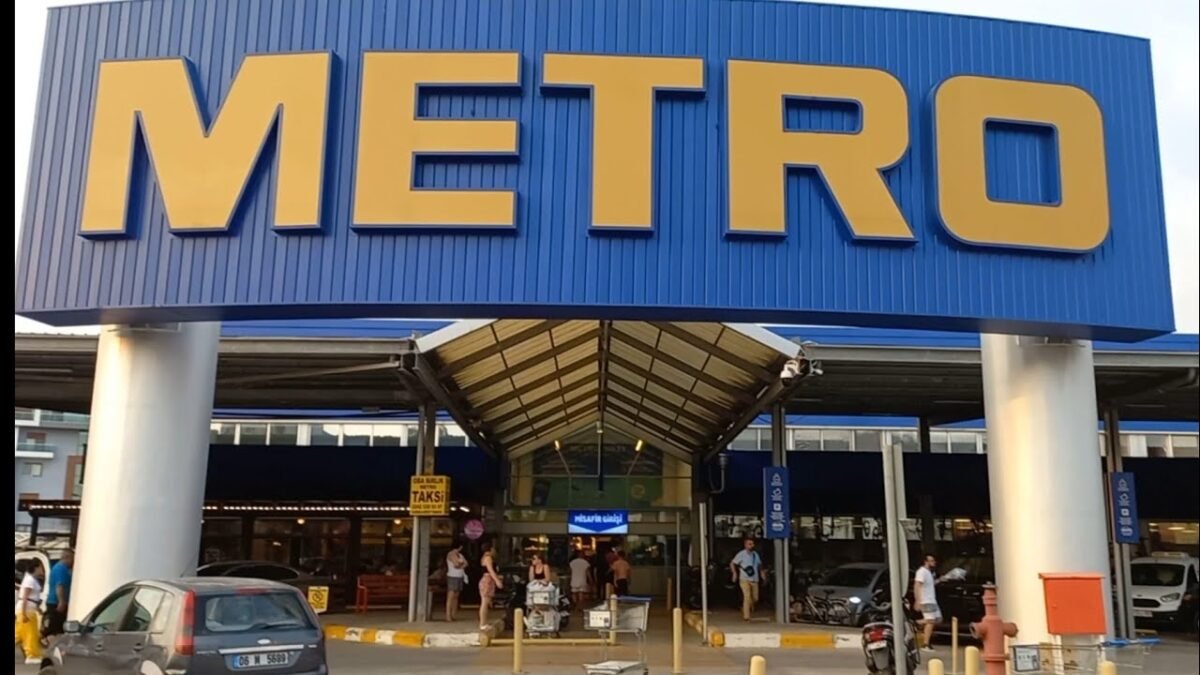
That original Milwaukee location set the tone for everything that followed. Each subsequent store kept the core identity fresh-forward departments, a strong prepared foods selection, and a layout that feels more boutique than bulk while adapting to the specific neighborhood it served. Today, the brand operates as one of several banners under the Roundy’s umbrella alongside Pick ‘n Save, and the chain continues to expand its footprint across Wisconsin while keeping that original urban-grocery philosophy intact. It’s worth noting that this slower, deliberate growth pattern is part of why the format has retained such a consistent identity; rather than scaling rapidly and diluting what made the original store distinctive, Roundy’s has tended to open new locations gradually and only in markets where the concept genuinely fits the surrounding demographic.
The Shopping Experience Explained
Step inside a typical location and the layout tells you a lot about the brand’s priorities. Fresh departments sit front and center: an expanded produce section, a full-service meat counter, seafood case, and a bakery that handles both packaged goods and made-to-order items. Many stores also feature in-house amenities like a Starbucks counter, a rotisserie chicken station, and an extended deli with hot prepared meals for shoppers who want dinner solved without cooking.
This isn’t just about aesthetics — it reflects a deliberate strategy. Roundy’s has positioned this format to compete on experience and freshness rather than purely on rock-bottom pricing, which is more the territory of warehouse-style chains. That means shoppers often pay a modest premium compared to discount grocers, but in exchange they get curated selections, specialty items like Murray’s Cheese, and a shopping environment that feels less transactional and more enjoyable. For many regular customers, that trade-off is the entire appeal, and it’s a big part of why families who could technically save a few dollars elsewhere keep coming back week after week. The atmosphere itself becomes part of the value proposition, almost like the difference between a casual diner and a sit-down bistro serving similar ingredients.
Metro Market Weekly Ad: How to Use It for Maximum Savings
If there’s one tool that smart shoppers rely on every single week, it’s the metro market weekly ad. This circular is published on a regular cycle and highlights discounted items across nearly every department — produce, meat, dairy, pantry staples, and seasonal specialty products. Checking the metro market weekly ad before you shop is one of the simplest ways to plan a grocery list around what’s actually on sale that week, rather than guessing and hoping the prices work in your favor at checkout.
The structure of the metro market weekly ad tends to follow predictable patterns that experienced shoppers learn to anticipate. Certain categories rotate through promotional cycles, meat and produce often anchor the front-page deals, and digital coupons frequently stack with in-ad pricing for shoppers who load offers onto their loyalty account ahead of checkout. Treating the metro market weekly ad as a weekly ritual — checking it on the day it refreshes rather than mid-week — gives you first access to the best stock before popular sale items run low. Some shoppers even build their entire meal plan for the week around two or three anchor deals from the circular, which keeps both the grocery bill and the dinner-planning stress noticeably lower.
Locations Across Wisconsin
This grocery banner operates a network of stores concentrated primarily in Wisconsin, with each location tailored somewhat to its surrounding community while maintaining the brand’s signature format. Two locations that consistently come up in shopper conversations are metro market stevens point and metro market mequon, and each represents a slightly different flavor of what the brand offers.
The metro market stevens point location serves the Central Wisconsin community with a full-service format that includes fresh departments, a pharmacy, and the convenience features the brand is known for, including online order pickup for shoppers who want to skip the in-store browsing on busy days. Meanwhile, metro market mequon sits in one of Milwaukee’s North Shore suburbs, an area known for a more upscale residential base, and the store’s offerings tend to reflect that — leaning into premium and specialty product selections alongside the everyday staples every household needs. Beyond these two, the broader store network spans both denser urban neighborhoods and quieter suburban communities, which is part of why the format has proven flexible enough to work in such different settings without losing its core identity.
Comparing This Banner to Other Grocery Options
Understanding where this brand fits requires a quick look at how it stacks up against its closest sibling brand, Pick ‘n Save, along with the broader Wisconsin grocery landscape. Both banners share a parent company in Roundy’s and ultimately Kroger, but they target shoppers differently — and recognizing that distinction helps explain why some neighborhoods get one format and not the other.
The table below breaks down the core differences shoppers typically notice between the two formats.
| Feature | Metro Market | Pick ‘n Save |
|---|---|---|
| Store format | Smaller, urban-style footprint | Larger, traditional supermarket layout |
| Positioning | Premium, experience-focused | Value and volume-focused |
| Typical departments | Expanded prepared foods, specialty cheese counters, Starbucks | Standard full-service grocery departments |
| Pricing approach | Slightly higher, reflects curated selection | Broader discount and bulk pricing |
| Best suited for | Shoppers prioritizing freshness and convenience | Shoppers prioritizing value and selection size |
| Typical neighborhoods | Urban and upscale suburban areas | Mixed urban, suburban, and rural communities |
This comparison isn’t about declaring one format objectively better — it’s about matching the right store to the right shopping priorities. A household doing a large weekly stock-up trip might lean toward the bigger-box experience, while someone grabbing fresh ingredients for dinner a few times a week often gravitates toward the smaller, curated feel that defines this banner.
Pricing, Value, and What Shoppers Should Expect
One of the most common questions from new shoppers is simple: is it worth paying a bit more here compared to discount competitors? The honest answer depends on shopping habits. If your grocery routine revolves around bulk staples and the lowest possible per-unit cost, a warehouse-format store will likely win on raw price comparisons every time, and there’s no point pretending otherwise.
But price per item only tells part of the story. Shoppers who frequently buy prepared meals, specialty cheeses, fresh seafood, or bakery items often find that the convenience and quality offsets the modest price difference, especially when factoring in time saved from not having to cook from scratch every night. Combine that with the loyalty program’s digital coupons and the weekly promotional cycle, and the effective price gap narrows considerably for shoppers who actively use available discounts rather than paying full shelf price on everything. A household that clips even five or six relevant digital coupons a week, paired with a couple of well-timed circular deals, can often bring their overall basket cost much closer to discount-store territory while still getting the freshness and service that drew them in to begin with.
Loyalty Programs and Digital Tools
Modern grocery shopping increasingly happens through an app, and the Kroger-owned digital ecosystem that powers this banner is no exception. Shoppers who create a loyalty account unlock personalized digital coupons, fuel points where applicable, and a streamlined way to build shopping lists that sync directly with what’s currently discounted in-store. Account creation takes only a few minutes, and the personalization improves the more the app learns about a household’s actual purchase patterns over time.

This digital layer also connects directly to pickup and delivery services, which have become standard expectations rather than nice-to-have extras. A shopper in Stevens Point can place an online order in the morning and have it ready for curbside pickup by lunch, while someone juggling a packed schedule in Mequon can schedule delivery without ever stepping foot in the building. The technology doesn’t replace the in-store experience — it simply gives shoppers more flexibility in how they choose to access it, and for many busy households, that flexibility ends up being the deciding factor in which grocery chain earns their long-term loyalty.
A Practical Scenario: Planning a Week of Groceries
Consider a hypothetical household trying to plan a full week of meals on a moderate budget. They start by pulling up the current promotional circular to see what proteins and produce are discounted that week — say, a sale on chicken thighs and a deal on seasonal vegetables. From there, they build their dinner menu around those discounted anchors rather than starting with recipes first and shopping second.
Next, they check their loyalty app for any digital coupons that stack with the printed promotions, clipping a handful relevant to pantry staples like pasta, canned goods, and coffee. By the time they actually walk into the store — or place their pickup order — most of the decision-making is already done, and the trip becomes execution rather than improvisation. This is the exact workflow that experienced shoppers use to consistently get more value out of every visit, regardless of which specific location they frequent.
Common Misconceptions About This Grocery Banner
A persistent misconception is that this brand is simply a renamed or rebranded version of its sister chain with no real differences beyond the sign out front. In reality, the store format, department emphasis, and target demographic were deliberately designed to be distinct from day one, dating back to that original 2004 Milwaukee launch.
Another misconception involves pricing — some shoppers assume “premium positioning” automatically means “expensive across the board.” In practice, staple grocery items are often priced comparably to other Kroger-owned banners, with the price difference concentrated mainly in specialty and prepared food categories. Recognizing this distinction helps shoppers build a more accurate mental model of where their grocery budget is actually going each week.
How Seasonal Shopping Patterns Affect Pricing
Grocery pricing isn’t static throughout the year, and Metro Market is no exception to the broader seasonal rhythms that shape the entire industry. Produce pricing shifts noticeably with harvest cycles, holiday weeks tend to bring deeper discounts on specific categories like baking ingredients or grilling staples, and the weeks immediately following major holidays often feature clearance-style pricing on seasonal inventory that needs to move quickly.
Recognizing these patterns helps shoppers time bigger purchases more strategically. Buying a large cut of meat the week before a major grilling holiday, for instance, often costs more than waiting until the week after, when demand cools but inventory is still fresh. Similarly, stocking up on baking staples in the weeks following the winter holidays frequently yields better pricing than buying the same items in the lead-up to those holidays, when demand spikes and discounts tend to shrink. Shoppers who pay attention to this rhythm, rather than treating every week as identical, consistently end up paying less over the course of a year.
Department-by-Department Highlights Worth Knowing
Not every department carries equal weight for every shopper, but a few stand out as genuine differentiators worth understanding in more depth. At Metro Market, the meat and seafood counters, staffed by butchers who can customize cuts on request, give shoppers a level of service that’s increasingly rare in grocery retail, and the bakery’s made-to-order capabilities extend well beyond standard birthday cakes into everyday bread and pastry items baked fresh throughout the day.
The prepared foods section deserves particular attention because it solves a real problem for busy households: what to eat on nights when cooking simply isn’t happening. Rotisserie chicken, hot deli entrees, and grab-and-go salads mean a full dinner can be assembled in the time it takes to walk from the entrance to the checkout line. Pair that with an in-store Starbucks at many locations, and a single trip can realistically cover breakfast, a coffee run, and dinner solutions all in one stop — a level of convenience that pure discount-format competitors generally don’t attempt to replicate.
How the Brand Has Evolved Over Two Decades
When the first store opened in 2004, the urban grocery concept was still a relatively novel idea in Wisconsin’s retail landscape. Most shoppers were accustomed to larger-format stores, and the smaller, amenity-rich layout represented a genuine departure from the norm. Over time, as Roundy’s was acquired by Kroger in 2015, the brand benefited from larger-scale investment in technology, private-label product development, and operational consistency across locations.
That evolution shows up most clearly in the digital experience available today — something that simply didn’t exist in the brand’s early years. Pickup, delivery, app-based coupons, and integrated loyalty rewards have transformed what was originally a purely physical retail concept into a hybrid shopping experience. The core in-store philosophy of fresh, curated, service-forward grocery shopping has remained remarkably consistent, even as the tools surrounding that experience have modernized considerably.
What Industry Observers Say About the Format
Grocery analysts have long noted that smaller-format, experience-driven stores occupy an important niche in an industry often dominated by scale and discount pricing. As one industry commentary on the broader Roundy’s network observed regarding the competitive pressures shaping pricing strategy across Wisconsin grocery banners, retailers must constantly weigh competition from retailers like Meijer and Walmart when deciding how aggressively to adjust pricing and promotions.
That competitive tension is exactly why the weekly promotional cycle matters so much to value-conscious shoppers. Even a store positioned around curated freshness and service still has to remain price-competitive on the staples shoppers buy every week, which is part of why checking current promotions remains one of the smartest habits any regular customer can build into their routine.
Tips for First-Time Shoppers
If you’re stepping into a Metro Market for the first time, a little orientation goes a long way. Start by walking the perimeter first — that’s where the fresh departments live, including produce, meat, seafood, and the bakery — before heading into the center aisles for pantry staples. This mirrors how the store is actually merchandised and helps you build a more efficient route through the building.
It’s also worth signing up for the loyalty program before your very first trip rather than after, since many of the best digital discounts only apply when an account is linked at checkout. Pair that with a quick glance at the current promotional circular on your phone while you’re still in the parking lot, and you’ll walk in already knowing which categories are worth stocking up on that particular week.
Conclusion
Metro Market has carved out a distinct identity within Wisconsin’s grocery landscape by committing to a smaller, fresher, more service-oriented format since its 2004 debut in Milwaukee. Under the ownership of Roundy’s and ultimately Kroger, the brand has grown its footprint to include communities across the state, with locations like metro market stevens point and metro market mequon each reflecting the needs of their specific neighborhoods while staying true to the core concept.
For shoppers, the real value lies in approaching each visit strategically — checking the metro market weekly ad before building a grocery list, leveraging digital coupons through the loyalty app, and understanding where this banner’s strengths genuinely lie compared to bigger-box alternatives. Done right, shopping here isn’t just about picking up groceries; it’s about getting fresher products, faster meal solutions, and a noticeably more pleasant trip through the store.
FAQs
What makes Metro Market different from Pick ‘n Save?
The two banners share the same parent company but target different shopping priorities. Metro Market uses a smaller, urban-style format emphasizing fresh and prepared foods, while Pick ‘n Save leans into a larger, traditional supermarket layout built around broader selection and value pricing.
How often does the metro market weekly ad update?
The metro market weekly ad refreshes on a regular weekly cycle, typically aligning with the start of a new promotional period. Checking it right when it updates gives shoppers first access to the best deals before popular discounted items sell out.
Is metro market stevens point a full-service grocery store?
Yes, metro market stevens point offers a complete shopping experience including fresh produce, a full meat and seafood counter, bakery, pharmacy, and online pickup options, consistent with the brand’s standard format found across other locations.
What’s unique about metro market mequon compared to other locations?
Located in one of Milwaukee’s North Shore suburbs, metro market mequon tends to emphasize premium and specialty product selections that reflect the surrounding community’s shopping preferences, while still carrying the full range of everyday grocery staples.
Do digital coupons stack with the printed weekly ad?
In most cases, yes. Digital coupons loaded through the loyalty app frequently stack with in-ad promotional pricing, which means shoppers who combine both tools typically see the lowest possible price at checkout compared to using just one discount method alone.
Does this grocery banner offer pickup and delivery?
Yes, both pickup and delivery are standard offerings across the chain’s locations, integrated through the same digital platform that powers the loyalty program and digital coupon system, giving shoppers flexibility beyond traditional in-store visits.