
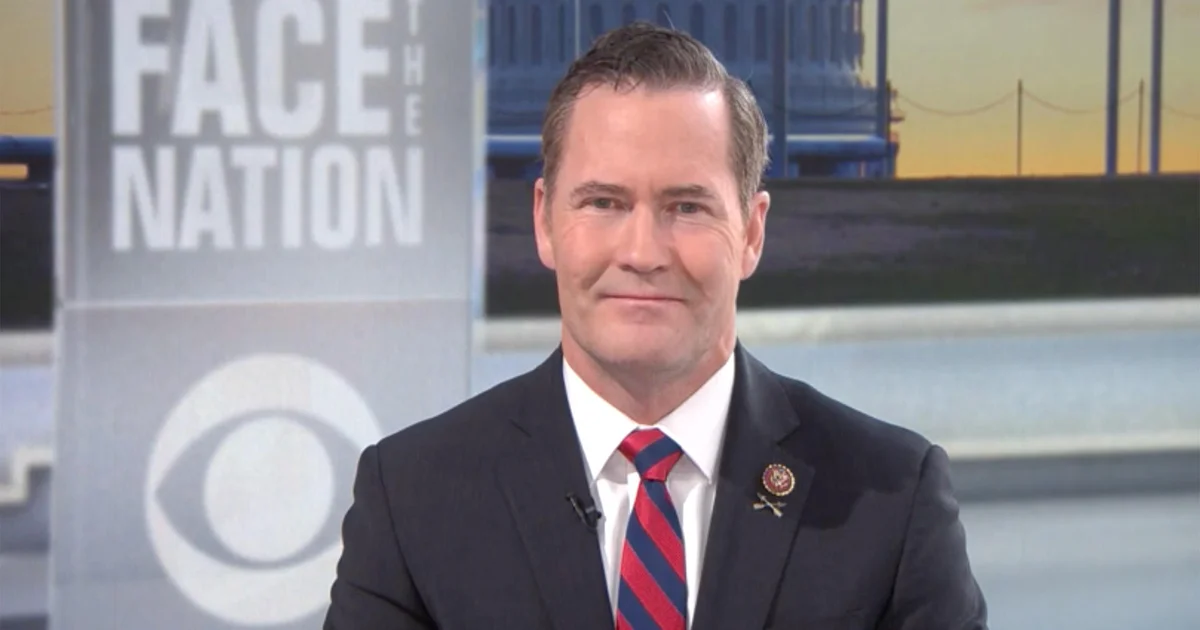
Mike Waltz Explained: Why He Was Fired, His UN Role, and His Cuba Showdown
Mike Waltz Explained: Few figures in the second Trump administration have had a more turbulent 18 months than Mike Waltz. He went from national security advisor to a very public dismissal, then rebounded into one of the most visible diplomatic posts in government. For anyone trying to understand who Mike Waltz actually is, why he was fired, and why his name keeps surfacing in headlines about Cuba, this guide lays out the full, accurate story.
This article traces Mike Waltz’s path from combat veteran and congressman to the center of one of Washington’s biggest scandals, and finally to his current role representing the United States at the United Nations. Along the way, we’ll look closely at the controversy that ended his first job in the administration, and the sharp rhetorical battles he’s since waged over U.S. policy toward Cuba.
Who Is Mike Waltz
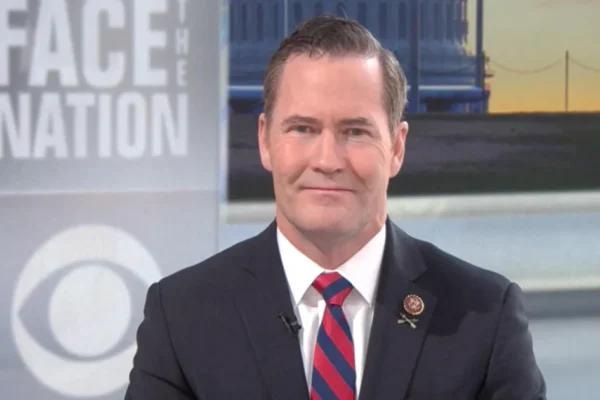
For readers asking who is Mike Waltz, the short answer is that he is a former Army Special Forces officer, decorated combat veteran, three-term Florida congressman, and current U.S. Ambassador to the United Nations. Born Michael George Glen Waltz on January 31, 1974, he built a career that blended military service with foreign policy expertise long before entering elected politics. His background includes multiple combat deployments and four Bronze Star commendations, giving him a reputation as one of the more militarily experienced members of Congress during his time representing Florida’s 6th congressional district.
Before his political career, Waltz served as a counterterrorism advisor to then-Vice President Dick Cheney during the George W. Bush administration, an early sign of the hawkish foreign policy orientation that would define much of his later career. When President Trump began building his second-term national security team in early 2025, Waltz was tapped to serve as national security advisor, a role that placed him at the center of the administration’s most sensitive military and diplomatic decisions. That appointment would prove to be both the height and the undoing of his early tenure in the administration.
Mike Waltz’s Rise as National Security Advisor
When Mike Waltz assumed the role of national security advisor in January 2025, he brought decades of military and legislative experience to one of the most influential positions in the federal government. His early months in the role focused heavily on counterterrorism strategy and a notably hawkish approach toward Iran, positions that aligned with his long-standing record in Congress. Colleagues frequently described him as intensely loyal to the president’s broader foreign policy vision, rarely acting independently of West Wing direction.
That loyalty, however, did not shield him from controversy once a major security lapse came to light in March 2025. Waltz found himself at the center of what became known as the Signal chat scandal, an episode that would ultimately define the public’s understanding of his short tenure and directly shape the answer to why so many people now search for mike waltz fired as a specific term. The fallout from that single incident moved quickly and decisively, setting the stage for one of the most closely watched personnel shakeups of Trump’s second term.
Why Was Mike Waltz Fired
The most searched question about Mike Waltz fired centers on the Signal messaging app controversy that erupted in March 2025. Waltz created a group chat on the unclassified app to coordinate sensitive discussions about planned military strikes against Yemen, and in doing so, mistakenly added The Atlantic’s editor-in-chief, Jeffrey Goldberg, to the conversation. Goldberg’s account of being included in real-time military planning discussions ignited a firestorm of criticism from lawmakers and security experts questioning how easily classified-adjacent conversations had leaked outside secure channels.
Waltz publicly took responsibility for the mistake, telling reporters he built the group chat himself and calling the episode “embarrassing.” Still, the incident combined with separate tensions, including reports that Waltz had privately aligned with Israeli Prime Minister Benjamin Netanyahu’s push for a stronger military stance against Iran, a position some White House officials felt conflicted with the administration’s broader diplomatic strategy. By May 2025, Trump made the final call to remove Waltz from the National Security Council, reassigning Secretary of State Marco Rubio to serve as interim national security advisor while nominating Waltz for an entirely different role.
The Reassignment That Followed Mike Waltz Fired Headlines
Rather than a full departure from the administration, Mike Waltz’s exit from the National Security Council came with an immediate soft landing: a nomination to serve as U.S. Ambassador to the United Nations. This reassignment followed the earlier withdrawal of Trump’s original UN pick, Representative Elise Stefanik, whose potential departure from the House had raised concerns about further narrowing an already slim Republican majority. Waltz’s nomination filled that vacancy instead, allowing the administration to keep his experience in the fold despite the controversy.
The path to confirmation, however, proved far from smooth. Waltz’s nomination faced months of delay in the Senate, driven partly by Democratic objections and procedural hurdles that sent his confirmation back to committee more than once. This extended limbo left the United States without a permanent UN representative for roughly nine months, a gap that drew its own share of criticism from foreign policy commentators concerned about diminished U.S. presence on the world stage during that stretch.
Mike Waltz’s Confirmation as UN Ambassador
After months of political wrangling, the Senate finally confirmed Mike Waltz as U.S. Ambassador to the United Nations in a 47-43 vote in September 2025, just in time for that year’s UN General Assembly session in New York. The vote broke largely along party lines, though three Senate Democrats, John Fetterman, Mark Kelly, and Jeanne Shaheen, crossed the aisle to support his confirmation. Notably, Senator Rand Paul was the only Republican to vote against him, reflecting some intra-party skepticism about his qualifications following the earlier scandal.
Supporters of the confirmation pointed to his record as a Green Beret, combat veteran, and three-term congressman as evidence of genuine foreign policy experience, even as critics questioned whether the Signal chat episode should have disqualified him from another high-profile national security post. Since taking office, Waltz has represented the United States at the UN Security Council and used his platform to push an assertive, America First diplomatic posture, a role that has placed him squarely at the center of several heated international disputes, most notably regarding Cuba.
Mike Waltz Cuba Policy and UN Confrontations
Few topics have generated as much attention around Mike Waltz’s UN tenure as his approach to Cuba. He has repeatedly and publicly labeled the Cuban government a “national security threat,” accusing both China and Russia of maintaining ongoing intelligence operations on the island as part of a broader argument for continued U.S. pressure on Havana. This mike waltz cuba stance has placed him at odds with the overwhelming international consensus reflected in annual UN votes condemning the decades-long American embargo against the country.
During an October 2025 General Assembly session, Waltz delivered a combative speech defending U.S. policy toward Cuba, arguing that the real embargo affecting Cubans was one imposed by their own government rather than by Washington. His remarks drew a sharp public rebuke from Cuba’s Foreign Minister, who interrupted proceedings to accuse Waltz of speaking inappropriately for the setting. Despite his forceful defense, the General Assembly ultimately voted 165-7 to condemn the U.S. embargo, marking the thirty-third consecutive year the international body has done so, illustrating just how isolated the American position remains on this particular issue.
The Ongoing Mike Waltz Cuba Debate in Washington
Tensions over Mike Waltz’s Cuba rhetoric have extended well beyond the United Nations and into direct clashes with members of Congress. During a July 2026 House Foreign Affairs Committee hearing, Waltz sparred publicly with Representative Mark Pocan over a recent congressional fact-finding trip to Cuba, at one point invoking Secretary of State Marco Rubio’s personal family history fleeing the country before the revolution. The exchange, which included Waltz calling certain characterizations “absolute propaganda,” reflected the broader partisan divide over how the United States should approach its decades-old Cuba policy.
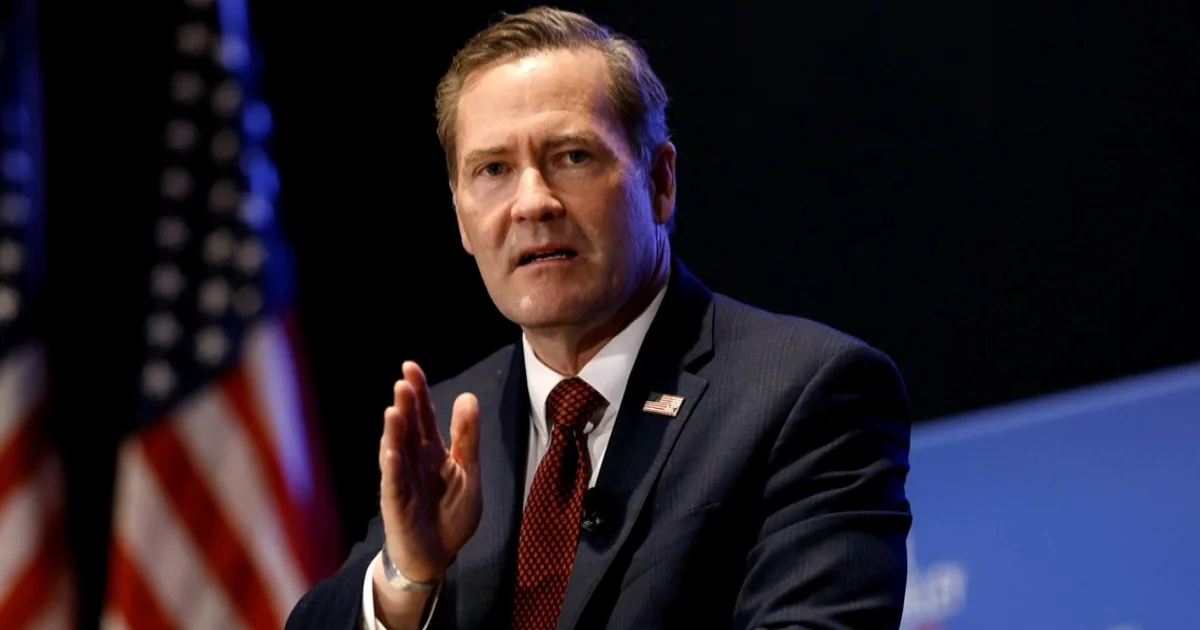
That statement, combined with his consistently combative UN remarks, has reinforced his image as one of the administration’s most vocal hardliners on Cuba specifically, and on broader adversarial state relationships more generally. Whether this approach yields tangible policy shifts or simply escalates existing tensions remains a subject of ongoing debate among foreign policy analysts.
Mike Waltz’s Career at a Glance
Understanding Mike Waltz’s full career trajectory requires looking at both his military and political chapters side by side, since each has directly shaped the other. His military background gave him the credibility that helped launch his congressional career, while his congressional record and hawkish reputation directly informed both his brief tenure as national security advisor and his current combative diplomatic style at the UN. This progression illustrates how quickly political fortunes can shift, even after a scandal as public as the Signal chat controversy.
The table below summarizes the key phases of his career for readers seeking a quick, structured overview.
| Career Phase | Role | Timeframe | Key Detail |
|---|---|---|---|
| Military service | U.S. Army Special Forces officer | Multiple deployments through 2000s | Earned four Bronze Star commendations |
| Early government role | Counterterrorism advisor to VP Cheney | George W. Bush administration | Built early foreign policy credentials |
| Congress | U.S. Representative, Florida’s 6th district | Three terms | Focused on defense and foreign policy issues |
| National Security Advisor | White House NSA | January–May 2025 | Removed following Signal chat scandal |
| UN Ambassador | U.S. Ambassador to the United Nations | Confirmed September 2025–present | Known for hardline Cuba rhetoric at the UN |
Common Misconceptions About Mike Waltz
One frequent misconception is that Mike Waltz was pushed entirely out of the Trump administration following the Signal chat scandal. In reality, his removal from the National Security Council was quickly followed by a nomination to an equally high-profile diplomatic post, illustrating that his departure functioned more as a reassignment than an outright dismissal from government service. This distinction is important for understanding why searches for mike waltz fired often lead directly into coverage of his subsequent UN confirmation rather than a story about a career-ending scandal.
Another common misunderstanding involves his current UN role and the scope of his authority. While Waltz represents the United States on the UN Security Council, a separate Senate procedural dispute initially limited his ability to formally serve as the general representative during certain General Assembly sessions. This nuance is often lost in casual coverage, leading some readers to assume his UN authority is broader or more straightforward than the actual confirmation process allowed.
Conclusion
Mike Waltz’s career reflects one of the more dramatic turnarounds in recent Washington history: a national security advisor forced out over a significant security lapse, only to reemerge months later as one of the administration’s most outspoken diplomatic voices. His current role as UN Ambassador, particularly his aggressive stance on Cuba, has kept him firmly in the headlines well beyond the initial scandal that defined his exit from the National Security Council. Whether readers are trying to understand who Mike Waltz is, why he was fired, or why his name keeps appearing alongside Cuba policy debates, his story illustrates just how quickly political fortunes can shift within a single administration.
FAQs
Who is Mike Waltz?
Mike Waltz is a former Army Special Forces officer, three-term Florida congressman, and current U.S. Ambassador to the United Nations who previously served as national security advisor in the Trump administration. His background combines decades of military service with a hawkish foreign policy record built during his time in Congress.
Why was Mike Waltz fired as national security advisor?
Mike Waltz was removed from his role after mistakenly adding a journalist to a Signal group chat where sensitive military strike plans were being discussed, an episode that became known as the Signal chat scandal. Additional tensions over his foreign policy positioning on Iran also contributed to the decision to reassign him.
What is Mike Waltz’s current job?
Following his departure from the National Security Council, Mike Waltz was nominated and eventually confirmed by the Senate as U.S. Ambassador to the United Nations in September 2025. He continues to serve in that role, representing the United States at the UN Security Council.
What has Mike Waltz said about Cuba?
Mike Waltz has repeatedly labeled the Cuban government a national security threat and has clashed publicly with both foreign diplomats and members of Congress over U.S. policy toward the island. His combative remarks at the United Nations have made his Cuba stance one of the most closely watched aspects of his diplomatic tenure.
Was Mike Waltz’s UN confirmation controversial?
Yes. Mike Waltz’s nomination faced months of delay in the Senate before being confirmed by a narrow 47-43 vote, with only one Republican voting against him and three Democrats crossing party lines in support. The lengthy process left the United States without a permanent UN representative for roughly nine months.