

John Thune in 2026: Age, Net Worth, and Inside His Toughest Year as Senate Leader
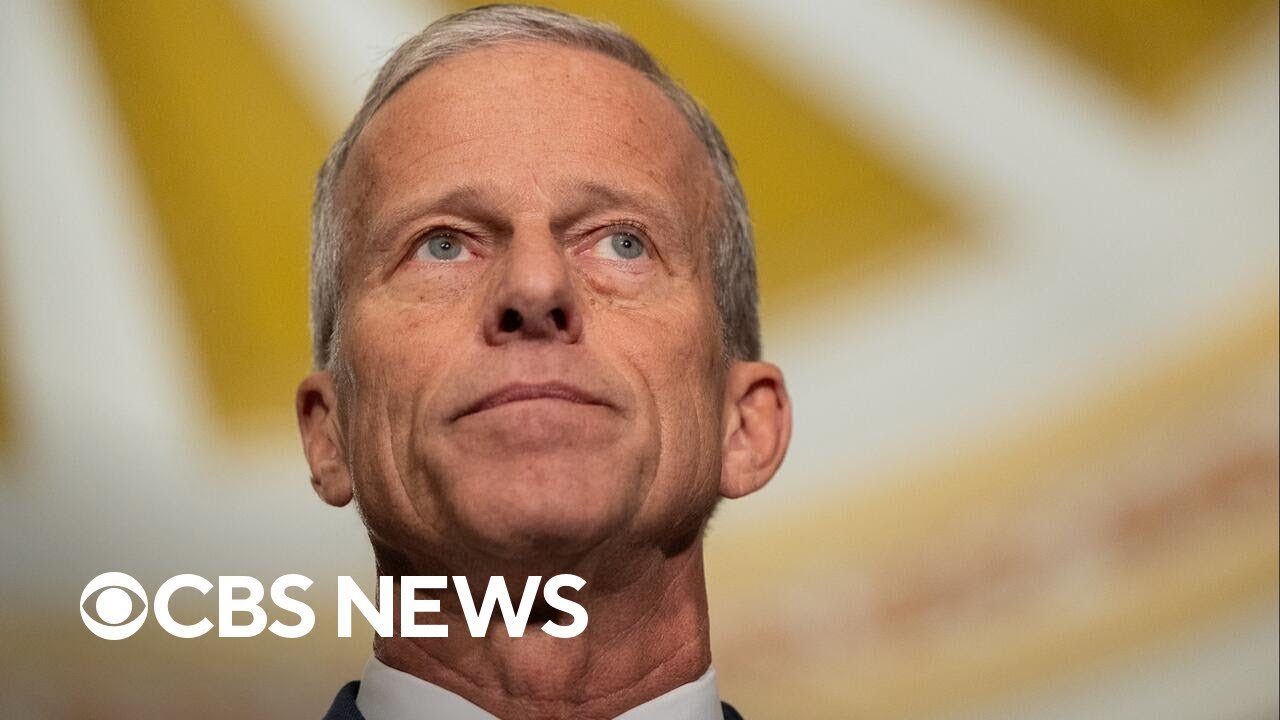
John Thune in 2026: John Thune has spent 2026 navigating one of the most difficult stretches of his political career, caught between a demanding legislative calendar and mounting public pressure from within his own party. As Senate Majority Leader, his decisions now shape the fate of major legislation, government funding deadlines, and the direction of an entire Congress. Yet for many readers, the basic facts, his age, his background, and his net worth, remain surprisingly hard to pin down amid the noise of daily political coverage.
This guide brings together everything worth knowing about John Thune in one place. From his small-town South Dakota roots to his current balancing act between Senate Republicans and the White House, this article separates verified biographical facts from the speculation that tends to swirl around any high-profile political figure.
Who Is John Thune
John Thune was born John Randolph Thune on January 7, 1961, in Pierre, South Dakota, making him 65 years old as of 2026. He grew up in a working-class Norwegian-American household; his grandfather’s original surname, Gjelsvik, was changed to Thune by immigration officials at Ellis Island decades earlier. After graduating from Jones County High School, Thune went on to earn a business degree from Biola University and later a master’s degree in administration from the University of South Dakota.
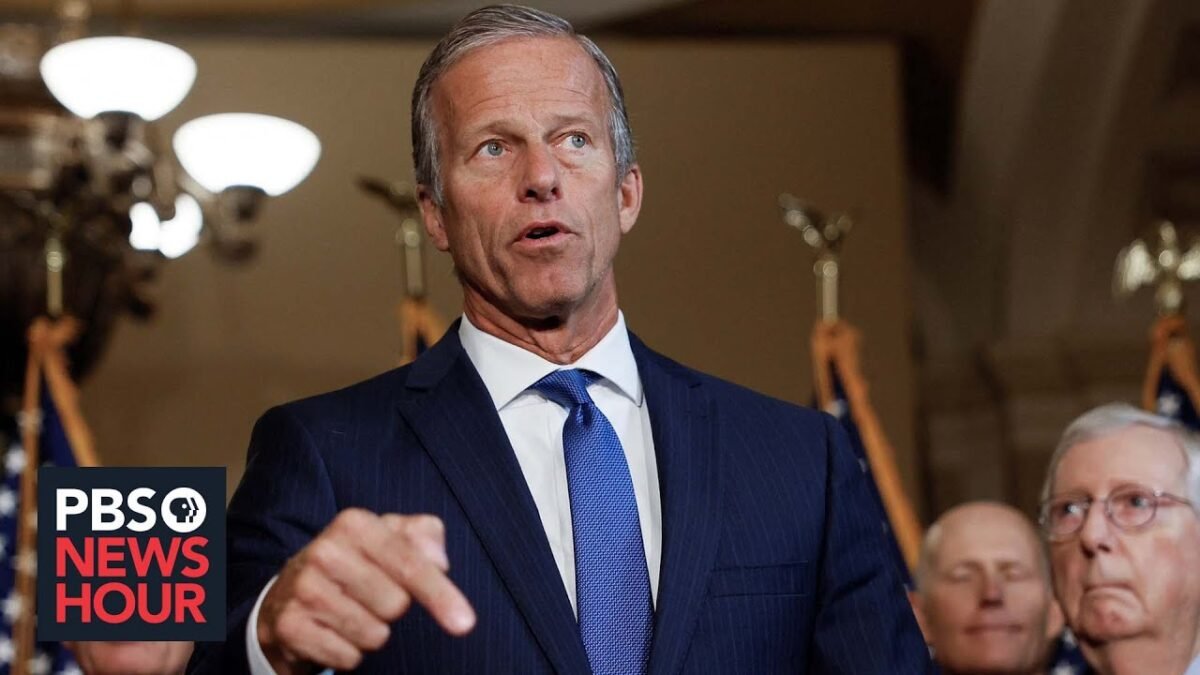
Before running for office, John Thune worked as a legislative aide for U.S. Senator James Abdnor and later moved into banking and financial services. That early blend of government experience and private-sector finance work shaped both his legislative priorities and his long-term approach to personal investing, a detail that becomes especially relevant later when examining discussions of John Thune’s net worth.
John Thune’s Road to the Senate
John Thune’s political career began in the U.S. House of Representatives, where he represented South Dakota’s at-large district starting in 1997. His most defining early moment came in 2004, when he defeated the sitting Senate Democratic Leader in a race that drew national attention and instantly elevated his profile within the Republican Party. That victory marked the true beginning of his rise toward national leadership.
Since then, John Thune has represented South Dakota continuously in the Senate, winning re-election multiple times in a state where his support has remained consistently strong. His steady, low-drama approach to legislating, built on committee work in areas like commerce, agriculture, and finance, positioned him well for the kind of internal party trust that leadership roles require, culminating in his election as Senate Majority Leader for the 119th Congress.
John Thune Senator Duties and Committee Work
As a longtime John Thune senator representing South Dakota, his responsibilities historically extended across some of the most consequential committees in Congress, including those overseeing commerce, transportation, and agricultural policy. These assignments gave him direct influence over issues with outsized importance to South Dakota’s farming and ranching economy, an influence that has remained a defining feature of his legislative identity throughout his career.
Today, being a John Thune senator means holding the Senate’s top leadership position, a role that comes with responsibilities far broader than any single committee assignment. As Majority Leader, he controls the legislative floor schedule, negotiates directly with House leadership and the White House, and manages a Republican conference that does not always agree internally on strategy or timing, a dynamic that has become especially visible in the summer of 2026.
John Thune’s Toughest Political Balancing Act
Recent coverage throughout July 2026 has highlighted growing friction between John Thune and President Trump over unfinished legislative priorities, particularly the SAVE America Act, a bill focused on voter identification and citizenship verification requirements. With the Senate approaching a monthlong recess and only a handful of legislative days remaining, Thune has faced public pressure from members of his own party to move faster on the president’s remaining agenda items.
Despite the tension, most Senate Republicans have publicly backed his leadership. One senator described the dynamic bluntly when discussing the pressure campaign against him:
“I think he’s got strong support. I read all the stories, but I think mostly that’s made up by reporters.”
This moment captures something important about how John Thune operates as a leader: methodical, resistant to rushing procedural decisions like eliminating the filibuster, and generally trusted by colleagues even when facing outside criticism. It’s a pattern consistent with his entire career, prioritizing institutional stability over short-term political theater.
John Thune Age and Career Longevity
John Thune’s age is a frequently searched detail, and the number tells an important story about his experience level. Having been born on January 7, 1961, John Thune is 65 years old as of 2026, placing him among the more seasoned members of Senate leadership rather than a newcomer navigating unfamiliar territory. His age reflects more than two decades of continuous Senate service layered on top of earlier years in the House of Representatives.
That longevity matters directly to his current role. Managing a fractious legislative calendar, competing pressure from the White House, and internal party dynamics requires exactly the kind of institutional memory that comes with age and tenure. Profiles of John Thune have also noted his reputation for physical fitness, including a 2012 magazine feature describing him as one of the most athletically active members of Congress, a detail often cited to illustrate that his age has not slowed his pace in a demanding job.
John Thune’s Family Background
John Thune has been married to Kimberley Thune, née Weems, since 1984. Kimberley is originally from Doland, South Dakota, and previously worked on Capitol Hill for Senator Larry Pressler, giving the couple a shared political background that predates Thune’s own Senate career. Together, they have raised two daughters, both of whom attended public schools in Sioux Falls, and the family now includes six grandchildren.
Compared to many high-profile political families, the Thunes have kept a relatively low personal media profile, focusing public attention on legislative work rather than family life. This consistency has meant that most publicly available details about his personal life come from occasional long-form biographical features rather than ongoing scrutiny, reinforcing his broader reputation as a steady, low-drama figure in an era of high-profile political conflict.
John Thune Net Worth: Separating Estimates From Facts
Estimates of John Thune’s net worth differ significantly depending on the methodology used, and readers should approach any single number with caution. Financial disclosure trackers such as OpenSecrets and Quiver Quantitative, which rely strictly on federally required disclosure filings, have placed his disclosed investment-based net worth in a range of roughly $700,000 to $750,000 as of early 2026. Broader biographical estimates that include real estate, pension value, and retirement accounts push the John Thune net worth figure considerably higher, with some analyses citing totals between $3 million and $8 million.
This wide gap exists because congressional financial disclosures capture only specific categories of assets rather than a person’s complete financial picture. Thune’s current salary as Senate Majority Leader is estimated at approximately $193,400 annually, notably higher than the standard senator salary due to his leadership position, and this steady public-sector income has been the primary driver of his wealth over multiple decades rather than any private business venture.
| Net Worth Estimate Source | Estimated Range | What It Measures |
|---|---|---|
| OpenSecrets financial disclosures | $310,000–$750,000 | Disclosed investment assets only |
| Quiver Quantitative live tracking | Approximately $742,000–$750,000 | Publicly traded investment holdings |
| Broader biography estimates | $3 million–$8 million | Includes real estate, pensions, retirement accounts |
| Forbes-cited analysis | Approximately $3 million | Combines salary history, property, and investments |
Common Misconceptions About John Thune
One persistent misconception involves treating John Thune’s disclosed investment holdings as his complete net worth. Congressional disclosure forms are useful for transparency, but they generally exclude details like full pension value or complete real estate equity, which is exactly why estimates for John Thune’s net worth can range from under a million dollars to several million, depending entirely on what is being counted.
Another common misunderstanding involves conflating his campaign funds with personal wealth. Reports have noted that Thune maintains a campaign account balance in the tens of millions of dollars, but these funds are legally restricted to political use and cannot be spent as personal assets. Anyone researching John Thune’s financial standing should keep these two categories, personal wealth and campaign finance, clearly separated to avoid an inflated or inaccurate picture.
Why John Thune Matters Heading Into the Midterms
With midterm elections approaching, John Thune’s leadership decisions carry unusually high stakes for his party’s legislative record. Outstanding priorities include government funding negotiations ahead of the September 30 fiscal deadline, a Russia sanctions bill, progress on a third reconciliation package, and a backlog of presidential nominees awaiting confirmation. How he manages these competing priorities in the limited legislative days remaining before recess will likely shape both his own political standing and his party’s messaging heading into the election cycle.
At the same time, Thune has shown a consistent willingness to resist pressure for faster, more aggressive procedural moves, particularly around changing Senate filibuster rules. That resistance has occasionally put him at odds with more combative voices within his own party, but it also reflects the same institutional caution that has defined his entire Senate career. Whether that approach proves to be a political strength or a liability may become clearer only after the midterms have played out.
Conclusion
John Thune‘s 2026 has been defined by a familiar tension: the demands of aggressive political allies pushing for speed, weighed against his own instinct for institutional caution and procedural discipline. At 65 years old, with more than two decades of Senate experience and a net worth shaped almost entirely by public-sector compensation rather than private wealth, Thune remains a study in steady, methodical political leadership. Whether readers are searching for his age, his net worth, or the details of his current role as Senate Majority Leader, the full picture reveals a leader whose influence has been built gradually, through patience rather than spectacle.
FAQs
How old is John Thune?
John Thune was born on January 7, 1961, making him 65 years old as of 2026. His age reflects more than two decades of continuous Senate service on top of earlier years in the House of Representatives.
What is John Thune’s net worth?
Estimates of John Thune’s net worth vary widely, ranging from roughly $700,000 in disclosed investment assets to as much as $8 million when real estate, pensions, and retirement accounts are included. There is no single confirmed figure, since official disclosure forms only capture certain categories of wealth.
What state does John Thune represent as senator?
John Thune serves as the senior U.S. senator from South Dakota, a seat he has held continuously since 2005. Before that, he represented the state in the House of Representatives beginning in 1997.
Is John Thune still Senate Majority Leader in 2026?
Yes. John Thune continues to serve as Senate Majority Leader throughout 2026, managing a demanding legislative calendar that includes government funding deadlines, a Russia sanctions bill, and ongoing reconciliation negotiations. His leadership has faced increased public pressure in recent months, though he retains strong support within his own conference.
Why has John Thune faced criticism from within his own party in 2026?
Some Republican senators have publicly urged John Thune to move faster on President Trump’s remaining legislative priorities, particularly the SAVE America Act, as the midterm elections approach. Despite this pressure, most GOP colleagues have continued to publicly back his leadership and cautious legislative approach.