



Miso Salmon: The Easy Restaurant-Quality Recipe You’ll Make on Repeat
Miso Salmon: There’s a reason miso salmon shows up on so many restaurant menus and keeps trending across food blogs year after year — it manages to feel indulgent and effortless at the same time. The glaze caramelizes into something deeply savory and faintly sweet, the salmon stays tender underneath, and the whole thing comes together in less time than it takes to preheat some ovens. If you’ve had it once at a restaurant, there’s a good chance you’ve already searched for a miso salmon recipe to try recreating it yourself.
This article is built to walk you through everything worth knowing about this dish, from the science behind why the glaze works so well, to ingredient substitutions, cooking methods, and even how a popular chain version stacks up against homemade. Whether you’re hunting for a reliable miso salmon recipe for a weeknight dinner or just trying to understand why this dish has become such a staple, you’ll find the full picture here.
What Is Miso Salmon, Exactly?
Miso salmon refers to a salmon fillet marinated or glazed in a mixture built around miso paste, a fermented soybean product that delivers deep umami flavor along with a subtle saltiness. Most versions combine miso with mirin, sake, soy sauce, and a touch of sugar, creating a glaze that caramelizes beautifully under heat, whether that’s an oven broiler, a grill, or a hot skillet.
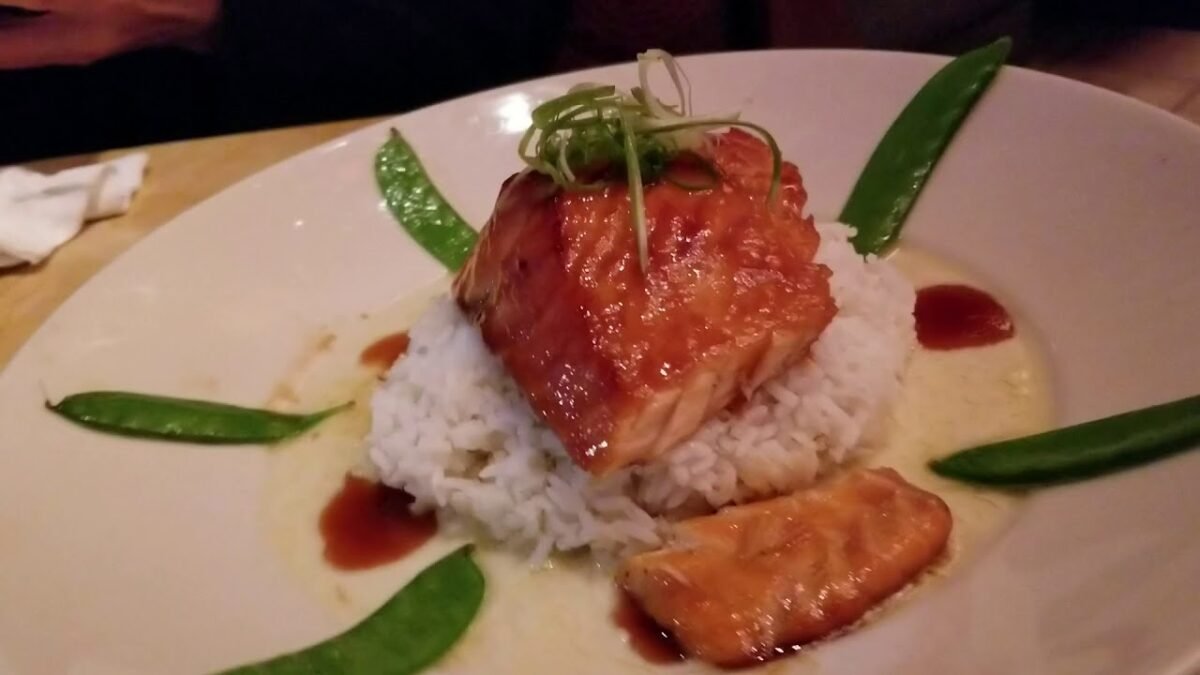
The dish draws heavily from Japanese culinary tradition, particularly techniques used for dishes like saikyo yaki, where fish is marinated in sweet white miso for an extended period before cooking. Western adaptations have simplified the process considerably, often turning what was traditionally a multi-day marinating technique into something achievable on a weeknight. That accessibility is exactly why miso salmon has become such a popular search term, since people want the depth of flavor without committing to a complicated process.
Why Miso Salmon Has Become So Popular
Part of the appeal comes down to how forgiving the dish is for home cooks who don’t consider themselves particularly skilled in the kitchen. Salmon itself cooks quickly and is hard to ruin completely, and the miso glaze adds enough complexity that even a relatively simple preparation tastes impressive. That combination of low effort and high reward has made miso salmon recipes some of the most searched and saved content across food blogs and recipe sites.
There’s also a nutritional angle driving sustained interest, since salmon is widely recognized for its omega-3 fatty acid content, and miso brings probiotic benefits from its fermentation process along with significant flavor without excessive added fat. People looking for healthier dinner options that still feel satisfying and restaurant-quality have gravitated toward miso salmon specifically because it checks both boxes simultaneously, unlike many other glazed or sauced proteins that lean heavily on butter or cream for richness.
The Core Ingredients Behind Every Great Miso Salmon Recipe
White miso, sometimes labeled shiro miso, is the most commonly used variety for this dish because of its milder, slightly sweeter flavor compared to red or yellow miso, which can taste considerably more intense and salty. Most miso salmon recipes pair this base with mirin for sweetness and a glossy finish, plus a small amount of soy sauce to deepen the savory notes and balance out the sweetness from both the mirin and any added sugar.
Sake or rice vinegar sometimes makes an appearance too, contributing a subtle acidity that keeps the glaze from tasting flat or overly heavy. Garlic and ginger are common additions in Western adaptations, even though they’re not always present in more traditional Japanese versions, since they add an aromatic dimension that many home cooks find appealing. Once you understand these core components, you can adjust almost any miso salmon recipe to your own taste without straying too far from what makes the dish work in the first place.
Choosing the Right Salmon Cut
Not every salmon cut performs equally well with a miso glaze, and this is a detail many recipes skip over entirely. Fillets with the skin on tend to hold together better during cooking, especially under high heat from a broiler or grill, and the skin itself can develop a satisfying crispness that contrasts nicely with the tender, glazed flesh underneath. Skin-on, center-cut fillets are generally considered the most reliable choice for consistent results.
Thickness matters just as much as cut, since a thin tail-end piece will cook drastically faster than a thicker center cut, which can lead to uneven results if you’re cooking multiple pieces together without adjusting timing. Wild-caught salmon, while often more expensive, brings a slightly firmer texture and more pronounced flavor that pairs well with the umami-heavy glaze, though farmed salmon remains a perfectly reasonable and more budget-friendly choice for anyone following a miso salmon recipe at home.
Marinating Time and Why It Matters
One of the most common questions people have when following a miso salmon recipe for the first time is how long to actually marinate the fish. Traditional Japanese preparations sometimes call for marinating salmon in miso for one to three days, which produces an intensely flavored, slightly firmer texture similar to a light cure. Most modern, simplified recipes shorten this considerably, often recommending anywhere from thirty minutes to a few hours.
Marinating too briefly can leave the glaze tasting more like a surface coating than something that’s actually penetrated the fish, while marinating too long, especially beyond a day or two, can start to break down the salmon’s texture in a way that makes it mushy rather than firm. For most home cooks following a quicker miso salmon recipe, somewhere between one and four hours strikes a solid balance, delivering noticeably better flavor than a quick brush-and-cook approach without requiring multi-day planning.
Cooking Methods Compared
There’s more than one way to cook this dish well, and each method brings slightly different results worth understanding before you commit to one. Broiling tends to be the fastest and most popular method, since the high, direct heat caramelizes the miso glaze quickly, creating that signature slightly charred, glossy top that so many recipes aim for. Grilling produces a similar effect with the added bonus of smoky char, though it requires slightly more attention to avoid the sugar in the glaze burning too quickly.
Pan-searing offers more control and works particularly well for achieving crispy skin, though it requires flipping the fillet carefully to avoid breaking it apart, especially once the glaze starts to caramelize and stick slightly to the pan. Baking, while gentler and more forgiving, doesn’t achieve quite the same caramelization without finishing under a broiler for the last few minutes. Most miso salmon recipes lean toward broiling or a sear-then-broil combination specifically because it delivers the best balance of convenience and that deeply caramelized, restaurant-style finish people are chasing.
A Quick Comparison Table for Cooking Methods
Since so many recipes recommend different techniques, it helps to see the major cooking methods laid out side by side. The table below breaks down what to expect from each approach.
| Method | Cook Time | Texture Result | Best For |
|---|---|---|---|
| Broiling | 8 to 10 minutes | Caramelized top, tender inside | Quick weeknight meals |
| Grilling | 6 to 8 minutes | Smoky char, slightly firmer | Outdoor cooking, summer meals |
| Pan-searing | 6 to 8 minutes | Crispy skin, glossy glaze | Crispy-skin lovers |
| Baking plus broil finish | 12 to 15 minutes | Evenly cooked, light caramelization | Larger batches, less hands-on attention |
Looking at this comparison makes it easier to choose the right approach depending on your kitchen setup and how much hands-on attention you want to give the dish. Whichever method you pick, the underlying miso salmon recipe stays largely the same — only the final texture and char level shift based on technique.
How Miso Salmon Compares to the Cheesecake Factory Version
Given how widely available the Cheesecake Factory’s menu is, it’s no surprise that miso salmon cheesecake factory has become its own common search term among people who’ve tried the dish there and want to recreate something similar at home. The restaurant’s version is generally well-regarded for its sweet, well-caramelized glaze and tender texture, served alongside vegetables and rice as part of a fuller plate rather than a standalone fillet.
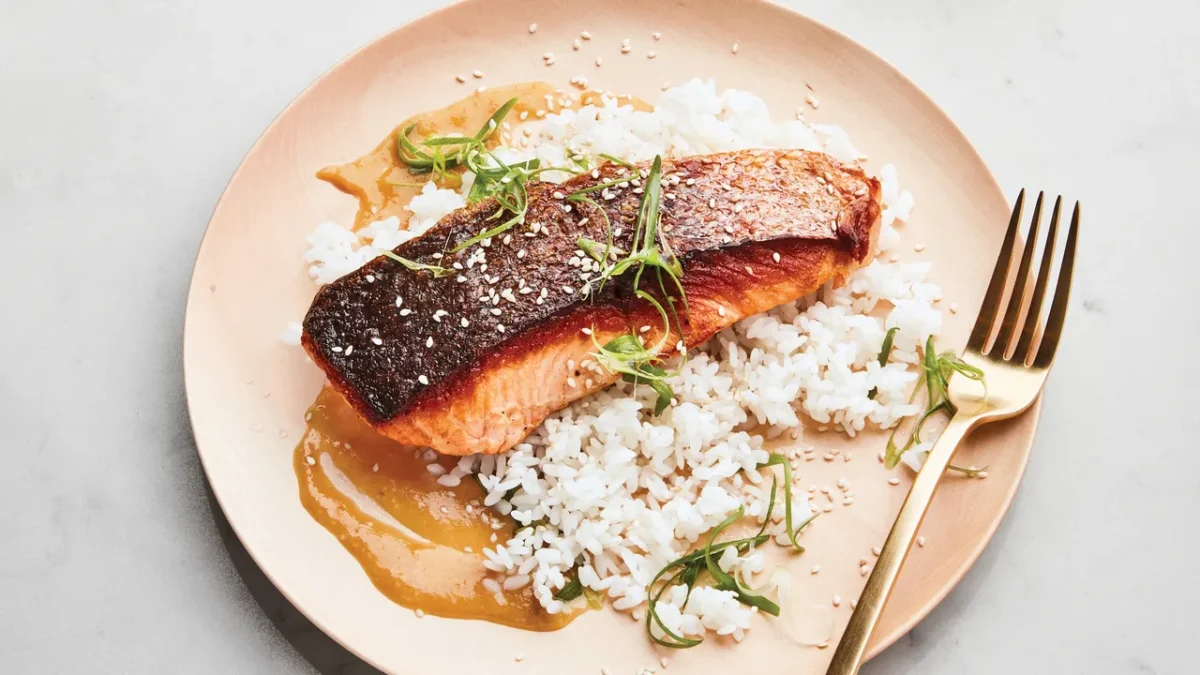
While the exact proportions of any restaurant’s proprietary recipe aren’t publicly shared, home cooks attempting to replicate a similar flavor profile to the miso salmon cheesecake factory dish typically focus on a sweeter glaze balance, leaning slightly more on mirin and sugar relative to soy sauce compared to more traditional, less-sweetened Japanese preparations. If you’ve had the restaurant version and loved it, adjusting your homemade miso salmon recipe toward a slightly sweeter glaze ratio is a reasonable starting point for getting closer to that familiar flavor without needing the exact original formula.
Common Mistakes That Ruin an Otherwise Good Recipe
Overcooking is by far the most common mistake people make, since salmon continues cooking slightly after being removed from heat, and a fillet that looks perfectly done under the broiler can easily end up dry by the time it reaches the table. Pulling the fish when it’s just slightly underdone in the center, then letting it rest for a few minutes, almost always produces a better final texture than waiting until it looks fully cooked while still under direct heat.
Another frequent issue is letting the glaze burn before the fish finishes cooking, which happens easily under a broiler given how quickly sugar caramelizes and then scorches. Keeping a close eye during the final few minutes, or tenting the fish loosely with foil if the top is browning too quickly, can prevent this without sacrificing the deep caramelization that makes a good miso salmon recipe so satisfying in the first place.
What Chefs Say About Why This Dish Works So Well
Professional chefs who frequently feature miso-based dishes often point to the ingredient’s natural compatibility with rich, fatty fish as the real secret behind the dish’s success. As one chef specializing in Japanese-influenced cooking explained when discussing why this particular pairing has become so enduringly popular:
“Miso does the heavy lifting here — it brings salt, sweetness, and umami all at once, so even a simple piece of salmon ends up tasting layered without needing a long list of ingredients.”
That insight explains a lot about why so many simplified miso salmon recipes still manage to taste impressively complex despite requiring relatively few ingredients. The fermentation process behind miso essentially front-loads a lot of flavor development that would otherwise require hours of cooking or a far longer ingredient list to achieve.
Pairing Miso Salmon With Sides and Beverages
Steamed rice is the most natural pairing, since its neutral flavor helps soak up any extra glaze that runs off the fillet during cooking, while also providing a textural contrast to the tender fish. Lightly sautéed or steamed vegetables, particularly bok choy, asparagus, or snap peas, complement the dish without competing against the glaze’s sweetness.
On the beverage side, a crisp, slightly dry white wine or a light Japanese beer tends to pair well, since both help cut through the richness of the salmon and the sweetness of the miso glaze without overwhelming the dish’s delicate balance. If you’re serving a full meal built around a miso salmon recipe, keeping the surrounding components relatively simple allows the glaze’s flavor complexity to remain the clear centerpiece of the plate.
Storing and Reheating Leftovers Properly
Leftover miso salmon holds up reasonably well in the refrigerator for up to three days when stored in an airtight container, though the texture will inevitably soften slightly compared to when it’s freshly cooked. Reheating gently, either in a low oven or a covered skillet over low heat, helps avoid drying the fish out further, which is a common risk with high-heat methods like microwaving.
If you’ve made a larger batch and want to extend its shelf life, miso salmon can be frozen for up to two months, though the texture upon thawing won’t be quite as tender as a fresh fillet. For best results, thawing slowly in the refrigerator overnight rather than using a quick-thaw method helps preserve as much of the original texture as possible, ensuring your reheated miso salmon recipe still tastes reasonably close to its freshly made version.
Adjusting the Recipe for Dietary Needs
This dish adapts fairly easily to different dietary requirements without losing its core appeal. For a gluten-free version, simply swap regular soy sauce for tamari, since most miso pastes are naturally gluten-free, though it’s always worth double-checking the specific brand to be certain. Reducing the sugar or mirin slightly can also make the dish more suitable for those watching their sugar intake, without dramatically altering the overall flavor balance.
For anyone avoiding sodium, using a low-sodium soy sauce and slightly reducing the miso quantity can soften the saltiness while still preserving much of the umami depth that makes the dish work. These small adjustments mean a miso salmon recipe can be tailored fairly easily to fit most common dietary preferences, which is part of why it remains such a popular, flexible choice for home cooks juggling different household needs.
Conclusion
Miso salmon earns its popularity honestly. it’s a dish that rewards minimal effort with genuinely complex, restaurant-quality flavor, whether you’re following a quick weeknight miso salmon recipe or trying to recreate something closer to the miso salmon cheesecake factory version you remember from a recent meal out. Once you understand the core glaze ratio, the right cooking method for your setup, and a few simple troubleshooting tips, this dish becomes one of the easiest, most reliable additions to a regular dinner rotation.
FAQs
What does miso salmon taste like?
Miso salmon delivers a rich, savory-sweet flavor profile, with the miso glaze contributing deep umami and a subtle saltiness that balances nicely against the natural richness of the fish. Most miso salmon recipes aim for a glaze that caramelizes slightly under heat, adding a faint smokiness that rounds out the overall flavor.
How long should I marinate salmon in miso?
Most modern miso salmon recipes recommend marinating anywhere from thirty minutes to a few hours, which strikes a good balance between flavor development and texture preservation. Traditional Japanese methods sometimes marinate for one to three days, producing a more intensely flavored, firmer result, though this isn’t necessary for a satisfying weeknight version.
Is the Cheesecake Factory’s miso salmon a good representation of the dish?
The miso salmon cheesecake factory version tends to lean noticeably sweet, which makes it a solid introduction to the dish for newcomers, even if it differs somewhat from more traditional, less-sweetened Japanese preparations. If you enjoyed that version and want to recreate something similar, adjusting your homemade glaze toward a sweeter mirin-to-soy ratio is a reasonable place to start.
Can I make miso salmon ahead of time?
You can marinate the salmon up to a day in advance, storing it covered in the refrigerator until you’re ready to cook, which actually deepens the flavor compared to a shorter marinating time. Cooking it fresh right before serving still produces the best texture, since reheating previously cooked miso salmon recipes tends to soften the fish slightly compared to a freshly prepared batch.
What type of miso works best for this dish?
White miso, also called shiro miso, is the most commonly recommended variety thanks to its milder, slightly sweet flavor that pairs well with salmon without overwhelming it. Red or yellow miso can work in a pinch, but they tend to produce a noticeably saltier, more intense result, so most miso salmon recipes default to white miso for a more balanced outcome.
Is miso salmon a healthy meal option?
Yes, salmon provides a strong source of omega-3 fatty acids and protein, while miso contributes probiotic benefits from fermentation along with significant flavor without requiring excessive added fat. This combination is part of why so many people search for a reliable miso salmon recipe specifically when looking for meals that feel indulgent but still fit into a balanced diet.