


Best Ramen Broth Recipe: The Secret to Rich, Restaurant-Quality Flavor at Home
Best Ramen Broth Recipe: There is a moment every home cook chases when making ramen: the first spoonful of broth that tastes like it came from a tiny shop in Tokyo rather than a pot on your stove. That moment is not luck. It is the result of understanding what actually makes the best ramen broth recipe work, from the bones you choose to the patience you bring to the simmer.
This guide breaks down everything you need to build deep, layered, restaurant-quality broth at home. You will learn the science behind flavor extraction, the ingredients that matter most, the mistakes that quietly ruin good broth, and the techniques professional ramen chefs rely on. Whether you are making your first pot or refining a recipe you have used for years, this is the resource that ties it all together.
Many home cooks assume that great broth requires rare ingredients or professional equipment, but that is largely a misconception. What actually separates a forgettable bowl from an unforgettable one is understanding how heat, time, and ingredient sequencing interact with one another. Once you see broth-making as a series of small, deliberate decisions rather than a single fixed formula, the entire process becomes far less intimidating and far more rewarding to repeat.
What Makes the Best Ramen Broth Recipe Truly Exceptional
Great ramen broth is not defined by a single ingredient but by balance. The best ramen broth recipe brings together collagen-rich bones, aromatic vegetables, and a seasoning base that rounds out the richness without overwhelming it. When these elements work in harmony, the broth becomes silky, deeply savory, and almost addictive in the way it lingers on the palate.
What separates an exceptional broth from an average one is technique as much as ingredients. Skimming impurities, controlling simmer temperature, and layering aromatics at the right moments all contribute to clarity, body, and depth. A recipe that ignores these details may still taste decent, but it will never reach the complexity that defines a truly memorable bowl.
Understanding the Core Ramen Broth Styles
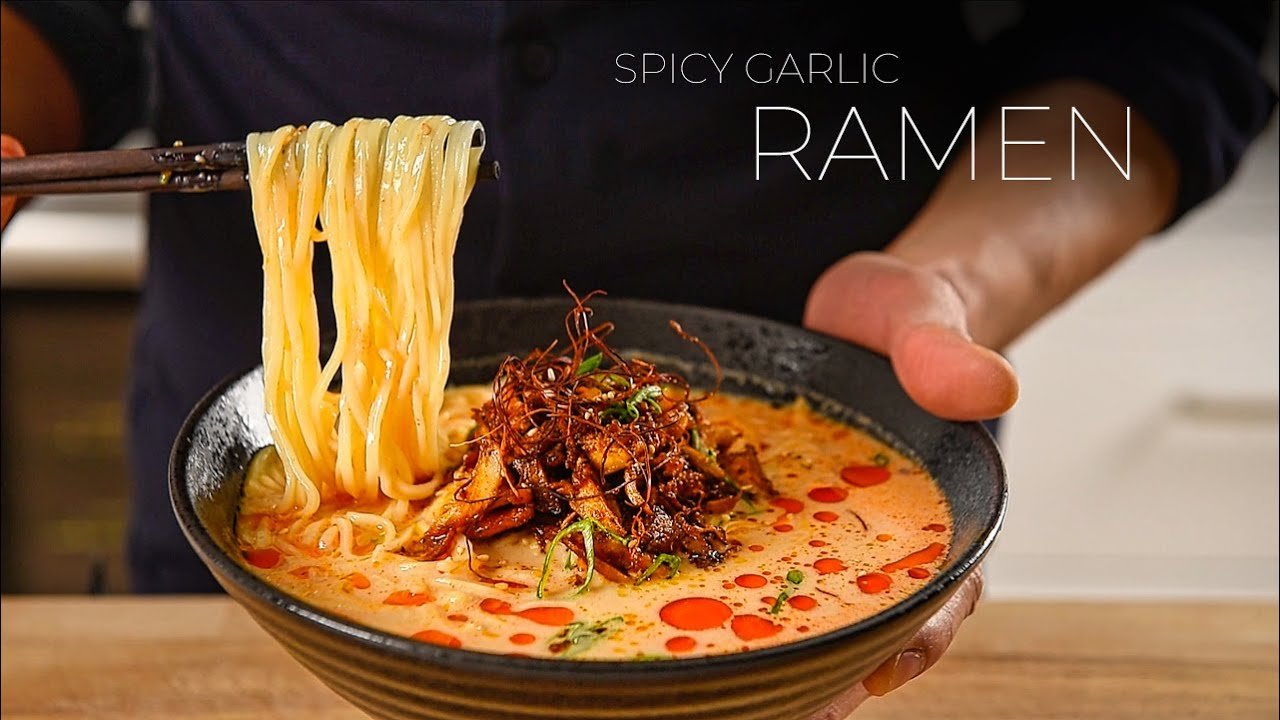
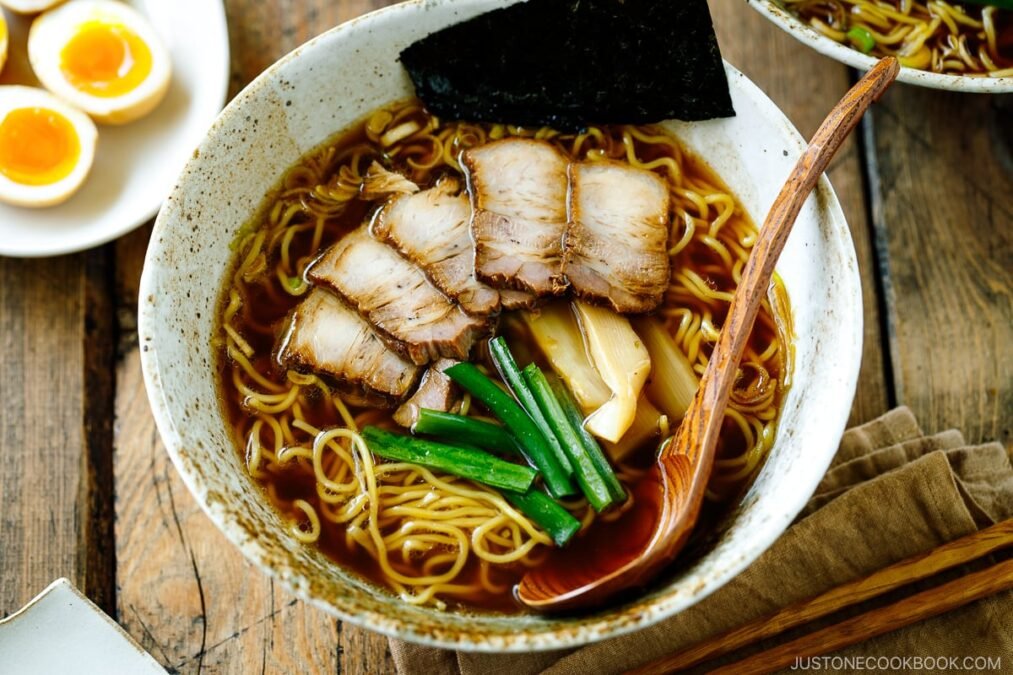
Before you commit to a single approach, it helps to understand the major broth families, since each one changes how the best ramen broth recipe is built from the ground up. Tonkotsu relies on pork bones simmered for hours until the liquid turns creamy and opaque. Shoyu uses a soy-based seasoning over a lighter chicken or vegetable stock, while shio leans on salt for a clean, delicate finish. Miso broth, popular in colder regions of Japan, adds fermented depth and a slightly sweet undertone.
Each style demands different cooking times, bone ratios, and aromatic choices. Tonkotsu broths often simmer for eight to eighteen hours to fully emulsify collagen and fat, while shio broths are intentionally lighter and cook for a shorter window to preserve clarity. Knowing which style you are aiming for before you start prevents wasted time and helps you select the right bones, seasonings, and finishing oils for that specific flavor profile.
Essential Ingredients for an Authentic Ramen Broth Recipe
Bones are the foundation of any authentic ramen broth recipe, and the right combination matters more than most home cooks realize. Pork trotters, chicken carcasses, and beef knuckle bones each release different amounts of collagen, fat, and marrow, which directly affects mouthfeel. Many professional kitchens blend two or three bone types to achieve a broth that is rich without tipping into heaviness.
Aromatics and seasoning bases are equally important. Garlic, ginger, scallions, and dried kombu add subtle sweetness and umami, while soy sauce, miso, or salt blends provide the seasoning backbone that gives each bowl its character. Dried shiitake mushrooms and bonito flakes are common secret-weapon ingredients, contributing a smoky, oceanic depth that elevates the broth from simple stock to something genuinely craveable.
Step-by-Step Process for Building Deep Flavor
The process behind the best ramen broth recipe always starts with proper bone preparation. Blanching bones in boiling water for several minutes, then rinsing away the scum, removes impurities that would otherwise cloud the broth and introduce bitterness. This single step is often skipped by beginners, yet it has an outsized impact on the final clarity and taste of the soup.
Once the bones are clean, they go into fresh water with aromatics, and the real transformation begins over low, steady heat. A gentle simmer, rather than a rolling boil, allows collagen to break down gradually without emulsifying excess fat too aggressively. Skimming periodically and adjusting water levels keeps the concentration consistent, and adding aromatics like ginger and scallions only in the final hours preserves their brightness instead of letting them turn muddy.
Comparing Ramen Broth Types at a Glance
Different broth styles suit different occasions, skill levels, and flavor preferences, so seeing them side by side makes it easier to choose the right starting point.
| Broth Style | Main Base | Typical Simmer Time | Flavor Profile | Best For |
|---|---|---|---|---|
| Tonkotsu | Pork bones | 8–18 hours | Rich, creamy, deep umami | Weekend project cooks |
| Shoyu | Chicken or vegetable stock with soy | 3–6 hours | Savory, slightly sweet, balanced | Weeknight cooking |
| Shio | Light stock with salt seasoning | 2–4 hours | Clean, delicate, mineral-forward | First-time broth makers |
| Miso | Pork or chicken stock with fermented miso | 4–8 hours | Hearty, nutty, slightly spicy | Cold-weather meals |
This comparison highlights why no single approach works for every cook. A beginner attempting an eighteen-hour tonkotsu without preparation may end up discouraged, while an experienced cook seeking maximum depth might find a quick shio broth underwhelming. Matching your time, equipment, and flavor goals to the right style is one of the most overlooked steps in mastering any ramen broth recipe.
Common Mistakes That Ruin a Ramen Broth Recipe
One of the most frequent errors is boiling the broth too aggressively instead of maintaining a gentle simmer. High heat emulsifies fat and impurities into the liquid, creating a greasy, cloudy result rather than the clean, glossy broth associated with the best ramen broth recipe. Patience at low heat is not optional; it is the mechanism that produces clarity and depth simultaneously.
Another common mistake is underseasoning the base or adding salt too early. Salt added at the start can toughen proteins and mute the natural sweetness that develops during a long simmer. Many cooks also forget to taste and adjust seasoning incrementally near the end, which is when the broth’s true character finally emerges and small corrections make the biggest difference.
Pro Tips From Ramen Chefs
Professional ramen chefs often emphasize that broth is less about a fixed formula and more about reading the pot as it cooks. As one veteran ramen shop owner put it, “The broth tells you what it needs if you taste it often enough; the recipe is just a starting map, not the destination.” This mindset shifts the cook’s role from someone blindly following steps to someone actively shaping flavor in real time.
Chefs also recommend building a flavor base separately from the bone broth itself, then combining the two just before serving. This technique, often called “tare,” allows precise control over saltiness and umami without disturbing the delicate clarity of the simmering stock. Keeping these elements separate until the final assembly is one of the simplest upgrades a home cook can make to any ramen broth recipe.
How to Customize Your Ramen Broth Recipe for Dietary Needs
Not everyone wants or can eat a pork-heavy tonkotsu, and the best ramen broth recipe should be adaptable rather than rigid. Chicken-based versions offer a lighter alternative with similar collagen benefits, while combining chicken feet with a modest amount of pork bone creates a hybrid richness without excessive heaviness. These swaps maintain body and depth while fitting different dietary preferences or budgets.
Vegetarian and vegan versions are equally achievable with the right approach. Kombu, dried shiitake, roasted vegetables, and a touch of miso can replicate much of the umami complexity typically associated with animal bones. The key is layering multiple umami sources rather than relying on one, since plant-based ingredients need that compounding effect to reach a similarly satisfying depth.
Storing, Reheating, and Repurposing Your Broth
A well-made batch of broth is valuable enough to treat with care after cooking, not just while it simmers. Cooling it quickly in shallow containers before refrigerating prevents bacterial growth and preserves flavor integrity, and most broths keep well in the refrigerator for up to four days or in the freezer for several months without significant quality loss.
Reheating gently rather than boiling helps protect the delicate balance built over hours of cooking. Leftover broth also has a second life beyond ramen bowls; it works beautifully as a base for fried rice, braised vegetables, or quick noodle soups when time is short. Thinking of broth as a versatile pantry asset, rather than a single-use component, makes the effort behind any ramen broth recipe feel even more worthwhile, especially when a single weekend batch can quietly support several quick weeknight meals.
Tools and Equipment That Make a Difference
You do not need a professional kitchen to produce excellent results, but a few pieces of equipment genuinely change the outcome of a ramen broth recipe. A heavy stockpot with a thick base distributes heat evenly and prevents scorching during long simmers, which matters enormously once you move past the two-hour mark. A fine mesh strainer and a dedicated skimming spoon also make a noticeable difference, since they let you remove impurities without disturbing the bones or losing precious liquid in the process.
Pressure cookers and multi-cookers have also changed how home cooks approach broth. A device that can hold steady, low pressure for several hours can compress an eighteen-hour tonkotsu simmer into a fraction of the time while still extracting a comparable amount of collagen and marrow. This does not replace traditional methods for every cook, but it does make the best ramen broth recipe far more achievable on a realistic weeknight schedule, especially for people balancing work and family commitments.
The Role of Fat and Emulsification in Broth Texture
Texture is often the most underrated variable in ramen broth, yet it is just as important as flavor when judging the quality of a finished bowl. Fat that sits on top of the liquid in a thin, separate layer produces a broth that feels light and clean, which works well for shio or shoyu styles. Fat that is broken down and blended into the liquid through vigorous simmering, however, creates the thick, almost velvety texture associated with tonkotsu, where richness and body are the entire point of the dish.
Achieving the right level of emulsification requires intentional control rather than chance. A rolling boil for an extended stretch will force fat and collagen to bind together quickly, while a gentle, patient simmer allows that process to happen more gradually and predictably. Understanding this relationship gives you the ability to dial texture up or down depending on the specific ramen broth recipe you are following, rather than ending up with whatever texture happens by accident.
How Regional Japanese Traditions Shaped Ramen Broth
Ramen broth did not develop in a single kitchen; it evolved across decades and regions, with each area adapting recipes to local ingredients and climate. Hakata, in southern Japan, became famous for its intensely rich tonkotsu, largely because the region had easy access to pork and a culture that valued bold, hearty flavors after long workdays. Sapporo, in the colder north, leaned toward miso-based broths, since the added fat and fermented depth helped warm people through harsh winters.
These regional differences are a useful reminder that there is no single, universally correct version of the best ramen broth recipe, only versions suited to different climates, ingredients, and preferences. Tokyo-style shoyu broths reflect an urban culture that valued balance and refinement over heaviness, while coastal towns often incorporated more seafood-based dashi for added complexity. Recognizing this history helps explain why so many broth styles exist today, and it gives home cooks permission to adapt recipes thoughtfully rather than treating any single approach as the only correct one.
Pairing Your Broth With the Right Noodles and Toppings
Even a flawless broth can feel unfinished if it is paired with the wrong noodles or toppings, since texture and proportion matter as much as the soup itself. Thin, curly noodles tend to suit lighter shio or shoyu broths, where they soak up seasoning quickly without overwhelming the delicate base. Thicker, chewier noodles hold up better against rich tonkotsu or miso broths, since they need enough structural presence to stand up to a heavier, more viscous liquid.
Toppings play a similarly strategic role in rounding out a bowl built from a great ramen broth recipe. Soft-boiled eggs, chashu pork, bamboo shoots, and scallions are common choices because they add contrasting textures and small bursts of flavor without competing with the broth itself. Thoughtful topping selection turns a well-made broth into a complete, balanced meal rather than simply a flavorful liquid with noodles dropped into it, and experimenting with seasonal vegetables or pickled garnishes can give even a familiar broth a refreshed, personal touch.
Troubleshooting Flat or Thin-Tasting Broth
Even careful cooks occasionally end up with a broth that tastes flat despite hours of simmering, and this is usually a sign that one layer of flavor is missing rather than evidence that the whole batch failed. A broth that tastes thin often lacks sufficient bone-to-water ratio, meaning there simply was not enough collagen and marrow released relative to the volume of liquid. Reducing the broth slightly through extended uncovered simmering, or adding a small amount of concentrated tare near the end, can often rescue a batch that initially seems underwhelming.
Flat-tasting broth, as opposed to thin broth, usually points to a missing umami layer rather than a volume problem. Adding a small amount of dried shiitake, kombu, or even a splash of soy sauce near the final stages can introduce the depth that was missing without requiring you to start over. Treating troubleshooting as a normal part of the process, rather than a sign of failure, is one of the quiet skills that separates cooks who eventually master the best ramen broth recipe from those who give up after one disappointing batch.
Conclusion
Mastering the best ramen broth recipe is less about chasing perfection on the first attempt and more about understanding the principles that guide every great bowl: clean bones, controlled heat, layered aromatics, and seasoning that develops gradually rather than all at once. Once these fundamentals click, you gain the flexibility to adapt broth styles, swap proteins, and troubleshoot issues with confidence instead of guesswork.
The reward for this effort is a bowl of ramen that tastes intentional, balanced, and genuinely satisfying, whether you are cooking for yourself on a quiet evening or feeding a table of guests who expect something memorable. With the techniques and comparisons outlined here, you now have a clear, practical path toward consistently excellent broth at home. Treat your first few attempts as data rather than a final verdict on your ability, since each batch teaches you something about timing, ratios, and seasoning that no written guide can fully replicate, and that hands-on experience is ultimately what turns a good cook into someone who can produce excellent broth on demand.
FQAs
What bones make the best ramen broth recipe?
A blend of pork trotters, chicken carcasses, and beef knuckle bones generally produces the richest results, since each contributes different amounts of collagen and fat. Combining two or three types is a common strategy in the best ramen broth recipe approaches used by professional kitchens, and many cooks find that experimenting with ratios over a few attempts helps them discover the exact balance of richness and clarity they personally prefer.
How long should ramen broth simmer for maximum flavor?
Simmer time depends on the style, with tonkotsu often requiring eight to eighteen hours, while shio or shoyu broths can be ready in two to six hours. Longer simmering generally deepens flavor, but only if heat stays low and steady throughout the process.
Can I make a good ramen broth recipe without meat?
Yes, vegetarian and vegan broths can reach impressive depth by layering kombu, dried shiitake, roasted vegetables, and miso together. The combination of multiple umami sources is what allows a meat-free version to rival a traditional ramen broth recipe in satisfaction.
Why does my homemade broth taste cloudy or greasy?
Cloudy or greasy broth usually results from boiling too aggressively instead of maintaining a gentle simmer, which emulsifies fat and impurities into the liquid. Skimming regularly and keeping heat low are the most effective fixes for this common issue, and switching to a wider, shallower pot can also help excess fat rise to the surface where it is easier to remove before it blends back in.
How do I store leftover ramen broth properly?
Cool the broth quickly in shallow containers, then refrigerate for up to four days or freeze for several months for longer storage. Reheating gently, rather than boiling, helps preserve the flavor balance you worked to build in your ramen broth recipe.
What is the difference between tonkotsu and shoyu broth?
Tonkotsu is built primarily from pork bones simmered for many hours until rich and creamy, while shoyu relies on a lighter stock seasoned with soy sauce for a more balanced, savory profile. Choosing between them often comes down to how much richness and cooking time you are willing to commit to.