


Where to Buy Sushi Grade Fish: The Trusted Sourcing Guide for Home Cooks
Where to Buy Sushi Grade Fish: Standing in front of a seafood counter, wondering whether the salmon in front of you is actually safe to eat raw, is a moment almost every home sushi enthusiast has experienced. The label might say “fresh,” but freshness and safety for raw consumption are not the same thing, and that gap is exactly where confusion about where to buy sushi grade fish tends to begin.
This guide exists to close that gap. You will learn what the term actually means, which sourcing channels are most reliable, how to evaluate quality on sight, and which mistakes quietly put people at risk. By the end, you will not just know which retailers to trust, you will understand how to judge quality yourself, anywhere you shop, and you will be able to explain confidently to friends or family why one piece of fish is appropriate for raw preparation while another simply is not.
Why Knowing Where to Buy Sushi Grade Fish Matters More Than You Think
Raw fish carries risks that cooking eliminates, which is exactly why sourcing matters so much more for sushi than for almost any other style of cooking. Parasites, bacteria, and improper handling temperatures can all turn an otherwise beautiful piece of tuna or salmon into a genuine health hazard. Understanding where to buy sushi grade fish is not a matter of snobbery or culinary perfectionism; it is the single decision that determines whether your homemade sushi night ends in delight or in a trip to urgent care.
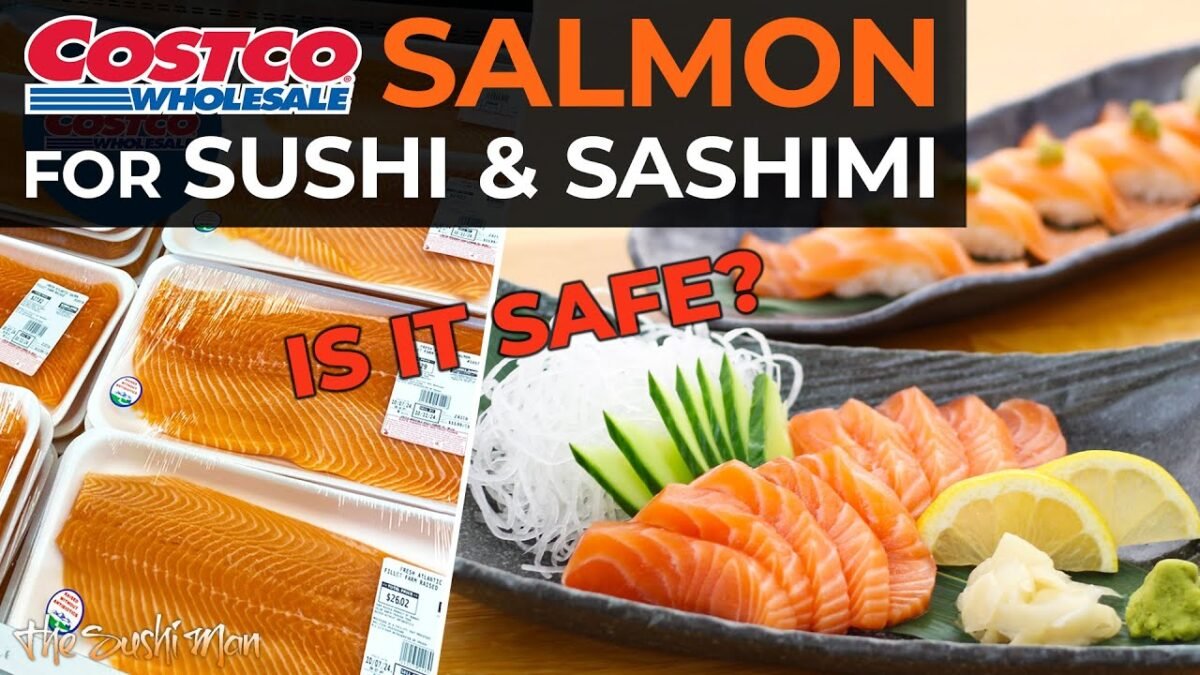
The stakes also explain why this topic generates so much confusion online. Many retailers use “sushi grade” as a marketing term rather than a regulated standard, which means shoppers are often left guessing based on appearance, price, and vague reassurances from store staff. Learning to identify trustworthy sourcing channels removes that guesswork and puts the decision back in your hands, rather than leaving it entirely to a label printed on plastic wrap.
What “Sushi Grade” Actually Means (and Why Labels Can Mislead You)
There is no official government certification in the United States that defines the term “sushi grade,” which surprises most people the first time they hear it. The FDA does set guidelines around freezing fish to kill parasites, a process generally referred to as the parasite destruction guarantee, but the phrase “sushi grade” itself is not legally regulated. This means two stores can both label fish as sushi grade while applying completely different internal standards to that claim.
Because of this gap, figuring out which sources are actually trustworthy often comes down to understanding who is accountable for that label in the first place. Reputable fishmongers, specialty seafood markets, and established online retailers typically have internal sourcing standards, freezing protocols, and supplier relationships that justify the label, even without government oversight. Generic supermarkets without a dedicated seafood program are far more likely to use the term loosely, which is precisely why knowing your source matters as much as reading the label itself.
Local Fish Markets vs Grocery Stores: Where to Buy Sushi Grade Fish Near You
Dedicated fish markets remain one of the most reliable answers to where to buy sushi grade fish, largely because their entire business model depends on freshness and trust. Staff at these markets typically know exactly where each fish came from, how it was handled, and how recently it arrived, and they are usually willing to share that information if you ask directly. This transparency is rare in a typical big-box grocery store, where seafood often passes through several more hands before reaching the display case.
That does not mean grocery stores are automatically unsafe, but it does mean the burden of verification shifts more heavily onto the shopper. Premium grocery chains with dedicated seafood counters, especially those that advertise specific sourcing partnerships, can be excellent options if you ask pointed questions about handling and origin. The key difference is intentionality: a fish market is built around sushi-quality sourcing by design, while a grocery store seafood counter may or may not prioritize that standard depending on the specific location and staff.
Online Sushi-Grade Seafood Retailers Worth Knowing
Online seafood retailers have transformed where to buy sushi grade fish for people who do not live near a coastal city or a specialty Japanese market. Companies that specialize in flash-frozen, vacuum-sealed fish shipped directly from boat to doorstep have made genuinely high-quality sourcing accessible to home cooks in landlocked states and small towns alike. Many of these retailers publish detailed information about catch dates, freezing methods, and origin waters, which gives shoppers a level of transparency that is often missing from in-person retail.
The trade-off with online ordering is that you lose the ability to visually inspect the fish before committing to a purchase, so reputation and reviews become your primary filter. Established retailers with consistent positive feedback, clear cold-chain shipping practices, and responsive customer service tend to be far more reliable than newer or unverified sellers. When evaluating an online source, treat published sourcing documentation and third-party reviews as the digital equivalent of asking a fishmonger detailed questions in person.
Comparing Your Sushi-Grade Sourcing Options at a Glance
Different sourcing channels offer different combinations of convenience, transparency, and reliability, so it helps to see them side by side before deciding where to shop.
| Sourcing Option | Transparency Level | Convenience | Typical Price Range | Best For |
|---|---|---|---|---|
| Local fish markets | High | Moderate | Mid to high | Frequent home sushi makers |
| Japanese or Asian specialty grocers | High | Moderate | Mid | Authentic species selection |
| Premium grocery seafood counters | Moderate | High | Mid | Occasional, convenient purchases |
| Online sushi-grade retailers | High (with research) | High | Mid to high | Non-coastal or rural shoppers |
| Standard supermarket seafood aisle | Low | High | Low to mid | Cooked seafood only, not raw use |
This comparison makes one pattern clear: convenience and transparency do not always move together, and that tension is exactly why so many people struggle to identify a trustworthy seafood source with confidence. A standard supermarket aisle might be the easiest stop on your errand list, but it is rarely the right choice for raw preparation. Matching your priorities, whether that is convenience, authenticity, or price, to the right channel is the real decision behind every successful sushi night.
Questions to Ask Before You Buy
Knowing the right questions to ask transforms an uncertain shopping trip into a confident one, regardless of where you end up purchasing your fish. Asking whether the fish has been previously frozen, and at what temperature, is one of the most important questions you can pose, since proper freezing is what actually neutralizes parasite risk. Asking about the catch date and how the fish has been stored since arrival gives you additional insight into freshness that a visual inspection alone cannot fully reveal.
A good fishmonger or knowledgeable staff member will answer these questions readily and without hesitation, while vague or defensive responses are themselves a useful warning sign. If a retailer cannot speak to their own sourcing practices with any specificity, that uncertainty should factor directly into your purchasing decision. Treat these conversations not as an inconvenience, but as a normal and expected part of buying fish intended for raw consumption.
Signs of Truly Fresh, Sushi-Grade Fish
Visual and sensory cues remain some of the most reliable tools you have, regardless of how reputable your chosen source appears to be. Fresh fish intended for raw preparation should have a clean, ocean-like smell rather than anything sour, ammonia-like, or overly fishy, and the flesh should appear firm, glossy, and vibrant rather than dull or discolored. Pressing gently on the flesh should result in it springing back quickly, rather than leaving a visible indentation, which is a strong indicator of textural freshness.
Color consistency matters as well, since uneven discoloration or browning at the edges often signals oxidation or extended time on display. Packaging also offers useful clues when shopping at retailers that pre-package their sushi-grade selections, since clear labeling of freezing dates and origin tends to correlate with more rigorous internal standards. Combining these sensory checks with direct questions to staff gives you a far more complete picture than relying on a single sign alone.
Pro Tips From Seafood Experts
Experienced seafood buyers consistently emphasize that relationship and reputation matter more than any single label on a package. As one veteran seafood market owner explained, “Customers ask me where to buy sushi grade fish like it’s a place on a map, but really it’s a relationship you build with people who handle fish carefully every single day.” This perspective reframes the search from a one-time decision into an ongoing practice of building trust with specific suppliers over time.
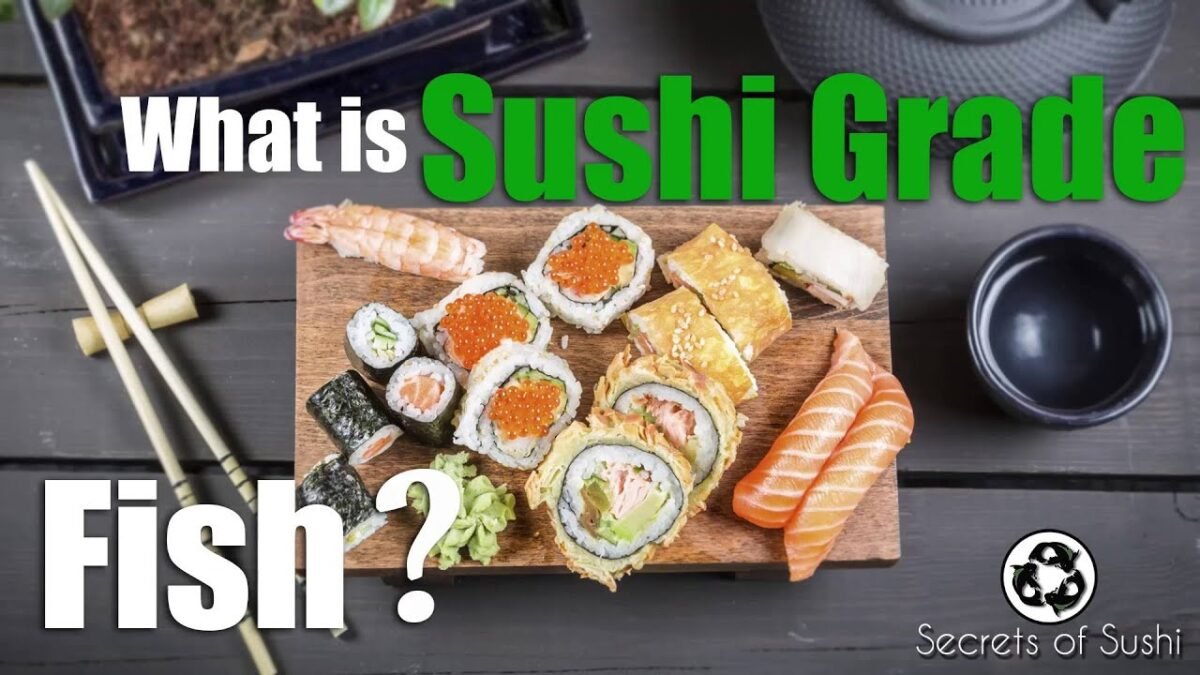
Many experts also recommend starting with smaller, more familiar species before branching into more delicate or expensive options. Building confidence with something approachable, like farmed salmon labeled specifically for raw use, helps you calibrate your expectations for freshness and texture before moving on to options like bluefin tuna or yellowtail. This gradual approach reduces both financial risk and the likelihood of disappointment during your first few attempts at sourcing fish for raw preparation.
Best Fish Species for Home Sushi Making
Not all fish are equally forgiving for first-time home sushi makers, and choosing the right species can make the entire experience significantly smoother. Salmon and yellowfin tuna are often recommended as beginner-friendly options because they are widely available, relatively affordable, and forgiving in terms of texture if your knife skills are still developing. Their flavor profiles are also familiar to most palates, which makes the first attempt feel rewarding rather than intimidating.
More advanced or delicate species, such as bluefin tuna, fluke, or uni, often require more specialized sourcing and a sharper understanding of seasonal availability. These options also tend to come with a steeper price tag, which makes it especially important to know exactly where to buy sushi grade fish before investing in a premium cut. Starting with accessible species and gradually expanding your range as your confidence grows is a far more sustainable strategy than attempting an ambitious species selection on your very first try.
Storage and Handling After Purchase
The moment you leave the store or receive a shipment, the responsibility for maintaining safety shifts almost entirely onto you, regardless of how carefully the fish was sourced. Fish intended for raw consumption should be kept as cold as possible during transport, ideally surrounded by ice packs, and refrigerated immediately upon arrival at home. Even a short delay in proper cooling can meaningfully shorten the safe window for raw consumption, so efficiency between purchase and refrigeration matters more than many people realize.
Once home, fish should generally be used within a day for the best quality and safety, even when properly refrigerated, since raw preparation leaves far less margin for error than cooking does. If you are not preparing the fish immediately, freezing it promptly preserves both safety and texture far better than letting it sit in the refrigerator for an extended period. Treating storage with the same seriousness as sourcing is what ultimately protects both the quality and the safety of your homemade sushi.
Common Mistakes When Buying Fish for Sushi
One of the most frequent mistakes shoppers make is assuming that any fish labeled “fresh” is automatically appropriate for raw preparation, when freshness and parasite safety are entirely separate concerns. Fish can be perfectly fresh and still carry parasites if it has never been properly frozen according to FDA guidelines, which is why understanding the distinction is essential before you ever step up to a seafood counter. Relying solely on a “fresh” label without asking further questions is a gap that catches even experienced home cooks off guard.
Another common mistake is purchasing fish too far in advance of when it will actually be eaten, often out of convenience or a desire to consolidate errands into a single trip. Raw fish has a much shorter usable window than cooked seafood, and pushing that timeline simply to fit a shopping schedule introduces unnecessary risk. Planning your sushi night around your shopping trip, rather than the reverse, is a small adjustment that meaningfully reduces the chances of using fish past its ideal window.
Budget Considerations and Pricing Trends
Price is often the first filter shoppers apply when deciding where to buy sushi grade fish, but the cheapest option is rarely the safest or most satisfying one in this particular category. High-quality sushi-grade fish typically commands a premium because of the additional handling, faster shipping, and stricter quality controls involved in getting it to you in a condition safe for raw consumption. Understanding this pricing logic helps reframe a higher price tag as a reflection of safety infrastructure rather than simply a markup.
That said, premium pricing does not have to mean an unmanageable grocery bill every time you want sushi at home. Buying slightly larger portions during sales at trusted retailers and freezing extra fish properly can stretch your budget while still maintaining quality standards. Seasonal availability also plays a role, since certain species become more affordable during peak harvest periods, making timing itself a useful budget-conscious strategy, and worth tracking if you make homemade sushi a regular occasion rather than a rare treat.
Sustainability and Sourcing Transparency
Sourcing decisions increasingly intersect with broader questions about ocean health and supply chain transparency, and many shoppers now weigh sustainability alongside safety when choosing a seafood retailer. Retailers that publish information about fishing methods, regional quotas, and certification programs tend to align more closely with sustainable practices, since that level of disclosure usually reflects a broader commitment to responsible sourcing. Overfished or poorly managed species, even when technically safe to eat raw, raise longer-term concerns that thoughtful consumers increasingly want to factor into their purchasing decisions.
This trend has also reshaped how retailers compete for customer trust, with many specialty markets and online sellers now actively marketing their sustainability credentials alongside their safety standards. Choosing sources that are transparent about both food safety and environmental impact allows you to make decisions that feel responsible on multiple fronts, rather than treating freshness and sustainability as separate, unrelated concerns. As consumer awareness grows, expect sourcing transparency to become an even larger factor in how seafood retailers differentiate themselves going forward.
Conclusion
Figuring out where to buy sushi grade fish ultimately comes down to understanding that the term itself is more about trust and process than a single guaranteed label. Reliable fish markets, specialty grocers, and reputable online retailers each offer different combinations of convenience and transparency, and the right choice depends on your location, your budget, and how much verification you are willing to do yourself. Asking the right questions, recognizing the sensory signs of true freshness, and respecting proper storage practices all matter just as much as the initial purchase decision.
With the framework outlined in this guide, you now have a clear, practical path toward sourcing fish you can trust for raw preparation, rather than relying on guesswork or a single word printed on packaging. Start with familiar, forgiving species, build a relationship with a trusted source over time, and let that confidence grow naturally as your home sushi skills develop alongside it.
FAQs
Is sushi grade fish actually safer than regular fish?
Sushi grade fish is generally safer for raw consumption specifically because it has typically undergone proper freezing protocols designed to eliminate parasites, unlike standard fish intended for cooking. Knowing where to buy sushi grade fish from a source that follows these protocols is essential, since the term itself is not officially regulated and depends heavily on the retailer’s own standards.
Can I use grocery store salmon for sushi?
Some premium grocery stores sell salmon specifically labeled and handled for raw consumption, but standard grocery salmon intended for cooking is generally not appropriate for sushi. If you are unsure, asking staff directly whether their seafood counter offers options suitable for raw preparation is the best way to clarify where to buy sushi grade fish within that particular store.
How long does sushi grade fish last after purchase?
Most sushi grade fish should be used within a single day of purchase if kept properly refrigerated, since raw preparation leaves much less margin for error than cooked seafood. If you cannot use it within that window, freezing it promptly preserves both safety and quality far better than extended refrigeration.
Is it cheaper to buy sushi grade fish online or in person?
Pricing varies significantly depending on species, shipping costs, and regional availability, so neither option is universally cheaper across the board. Comparing a few trusted local and online sources side by side is often the most effective way to find sushi-grade options at a price that fits your budget.
What questions should I ask before buying fish for sushi?
Asking about freezing temperature and duration, catch date, and storage practices since arrival gives you the clearest picture of safety and freshness. A retailer that answers these questions specifically and confidently is usually a strong indicator that you have found a reliable place to buy sushi grade fish.
Are frozen fish fillets ever better than fresh ones for sushi?
In many cases, properly frozen fish is actually the safer choice for raw preparation, since freezing at the correct temperature for the required duration is what eliminates parasite risk. This is one of the more common misconceptions people encounter when researching where to buy sushi grade fish, since many assume “fresh” automatically outperforms “frozen” for this specific use case.