


Best Tarta de Acelga Near Me – Find Authentic Argentine Chard Pie Today
Best Tarta de Acelga Near Me: If you have ever typed “best tarta de acelga near me” into a search bar late on a weekday afternoon, you already know the feeling. It is somewhere between a craving and a calling that pull toward something warm, savory, and deeply satisfying that only a well-made chard pie can deliver. This is not fast food. It is not trendy. It is one of the most quietly beloved staples in Argentine and Uruguayan culinary tradition, and once you have had a proper slice, nothing else quite fills that space.
This article is your definitive guide to understanding, locating, and evaluating the best tarta de acelga near me wherever “near me” happens to be for you. We will walk through the dish’s roots, what separates an excellent version from a forgettable one, how to find the right bakeries and restaurants, what to expect when you order, and much more. Whether you are a lifelong fan or a curious newcomer, by the end of this guide you will know exactly what to look for and where to start looking.
What Is Tarta de Acelga and Why Is It So Special
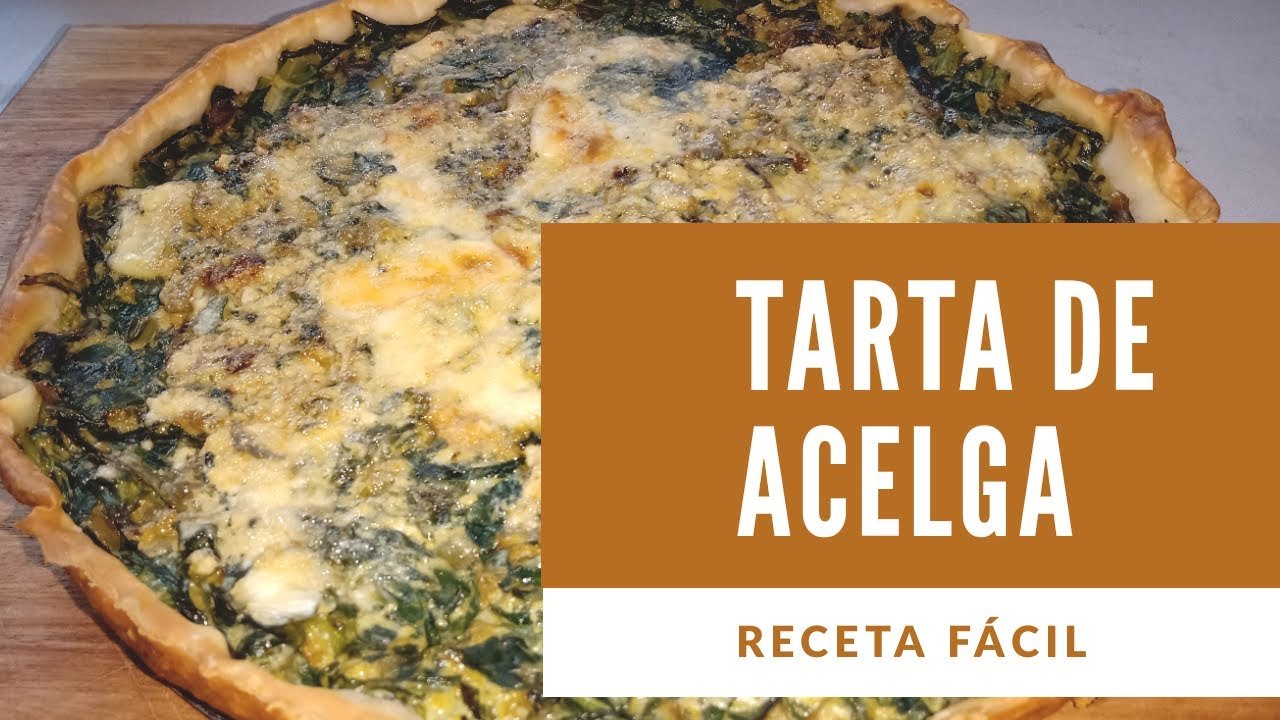
Tarta de acelga is a savory pie made primarily with Swiss chard (acelga), eggs, cheese, and a buttery or olive-oil pastry crust. It is a fixture in South American home kitchens, neighborhood bakeries, and family-run restaurants across Argentina, Uruguay, and increasingly, the broader Latin American diaspora. The dish belongs to a broader family of Argentine tartas savory open-faced or double-crusted pies — but chard-based versions hold a uniquely beloved place in the tradition.
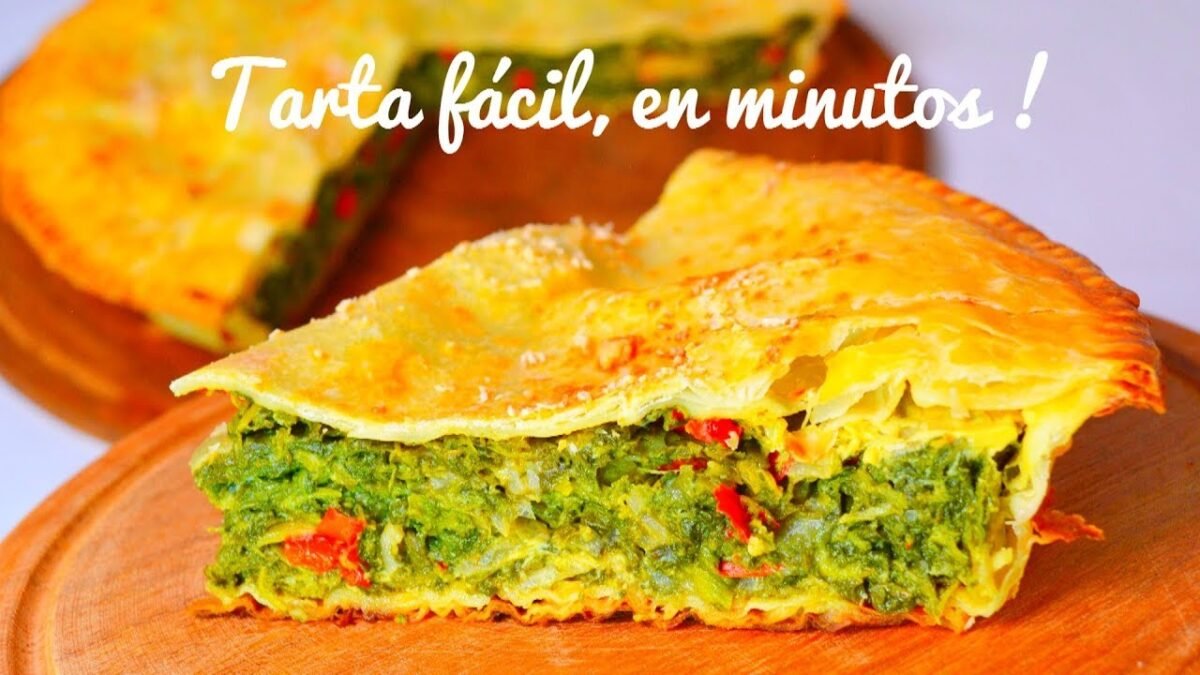
What makes this dish stand out from a generic vegetable pie is best tarta de acelga near me balance. The chard brings an earthy, slightly bitter depth. The eggs bind the filling into something custardy and rich. The cheese — often a mild fresh variety or a sharp semi-firm one adds salt and body. And the crust, when done correctly, provides a crumbly, tender frame that holds everything together without overwhelming it. It is humble in ingredients but surprisingly complex in the eating.
The Cultural History Behind This Beloved Dish
The story of tarta de acelga is inseparable from the story of immigration. In the late 19th and early 20th centuries, millions of Italians, Spanish, and Eastern Europeans arrived in Argentina and Uruguay, bringing their food traditions with them. Swiss chard was already widely grown in the Río de la Plata region — it thrived in the climate and was affordable — and immigrant communities adapted their home recipes to what was available and local.
Over generations, tarta de acelga became naturalized. It stopped being “immigrant food” and became simply Argentine food — something grandmothers made on Sundays, something you picked up at the panadería on the way home from work, something served at room temperature at family gatherings. Today, when people search for the best tarta de acelga near me, they are often looking not just for sustenance but for a connection to that culinary memory, whether it is personal or inherited through culture.
The Key Ingredients That Define an Authentic Recipe
Understanding what goes into an authentic tarta de acelga helps you evaluate what you are buying. The chard itself should be fresh, not frozen, and best tarta de acelga near me should be well-drained before it enters the filling. Excess moisture is the enemy of a good tarta — a soggy interior means either the chard was not cooked down properly or the recipe was rushed.
The cheese matters more than most people realize. Traditional recipes often use a combination of a mild fresh cheese (like ricotta or cottage cheese) with a firmer variety such as Mar del Plata, Pategras, or even a decent mozzarella. Eggs provide the custardy structure. Some cooks add onion, garlic, or nutmeg for depth. The crust should be made with lard or butter for flakiness, though olive oil versions exist and can be equally delicious when executed well.
How to Search Effectively for the Best Tarta de Acelga Near Me
Finding a genuinely good version of this dish requires more strategy than a simple map search. The most obvious starting point is Google Maps — searching “tarta de acelga” or “Argentine bakery” near your location. But the results will vary wildly in quality, and not every listing that appears will actually carry this specific item. Many Argentine and South American restaurants rotate their tarta offerings by day of the week, so calling ahead is always wise.
A smarter approach combines digital tools with community knowledge. Facebook groups and forums focused on Latin American expat communities in your city are goldmines. Yelp reviews that mention specific dishes — not just general praise — are more reliable than star ratings alone. Instagram geotags for local Argentine or Uruguayan restaurants can surface places that have not yet built a major web presence but are beloved locally. The best tarta de acelga near me is often hiding in plain sight, at a small counter-service spot that does not invest heavily in SEO but has been feeding the neighborhood for fifteen years.
What to Expect at an Argentine Bakery (Panadería)
Walking into an Argentine panadería for the first time can feel slightly overwhelming if you do not know what you are looking at. These shops are organized around speed and abundance — there will be trays of medialunas, shelves of bread, a glass display case of tartas and empanadas, and usually a warm, slightly floury smell that hits you immediately. The staff move fast and expect you to know what you want.
Tarta de acelga will typically be displayed in a rectangular baking pan, sliced into portions. It is almost always sold at room temperature or slightly warm, and that is perfectly traditional — you do not need to eat it piping hot for best tarta de acelga near me to be excellent. Portion sizes vary by shop, but a standard slice is usually enough for a satisfying lunch with a small salad or piece of bread. Ask if you can see the underside of the crust before buying if you have the opportunity — a pale, underbaked bottom crust is a sign the oven was not hot enough or the baking time was cut short.
A Comparison of Venues Where You Might Find Tarta de Acelga
Different types of establishments carry this dish in different contexts, and each comes with its own trade-offs. Understanding the landscape helps you set the right expectations before you walk in the door.
| Venue Type | Likelihood of Finding It | Typical Quality | Price Range | Best For |
|---|---|---|---|---|
| Argentine Panadería / Bakery | Very High | High — made fresh daily | Low to Moderate | Authentic, traditional versions |
| South American Restaurant | High | Moderate to High — varies by chef | Moderate | Sit-down experience, paired with other dishes |
| Latin American Deli / Grocery | Moderate | Variable — sometimes house-made, sometimes pre-packaged | Low to Moderate | Convenience; good for a quick grab |
| Farmers Market Vendors | Low to Moderate | Often High — small-batch, artisan | Moderate to High | Unique twists; direct producer interaction |
| Home Cook / Private Order | Low (requires networking) | Very High — grandmother-level | Variable | The closest to homemade you will find outside a home |
| Argentine-Themed Food Truck | Low | Moderate — depends on cook | Moderate | Festival settings; exciting variations |
The panadería remains the gold standard for most people searching for the best tarta de acelga near me. These shops exist specifically to sell items like this, and their entire operation is built around producing them consistently and affordably.
Regional Variations and How They Affect Flavor
Not every tarta de acelga you encounter will taste the same, and that is a feature, not a bug. Regional and household variations have always been part of this dish’s identity. In some parts of Argentina, the filling is enriched with cream or crème fraîche. In others, hard-boiled eggs are folded into the chard mixture, adding a different texture. Uruguayan versions tend to be slightly denser and more egg-heavy than their Argentine counterparts.
In diaspora communities — particularly in cities like Miami, New York, Madrid, and Sydney, which have significant South American populations — cooks adapt the recipe further based on what is available locally. You might find a version made with Swiss chard mixed with spinach, or a crust made with olive oil rather than lard, or a cheese blend that reflects local availability rather than Argentine tradition. These are not inferior versions; they are living adaptations of a dish that has always evolved. When you are evaluating the best tarta de acelga near me in your specific city, regional variation is part of the experience.
How to Evaluate Quality Before You Buy
When you are standing in front of a display case, there are several things you can assess quickly even before tasting. The color of the crust should be golden — not pale yellow (underbaked) and not dark brown with charred edges (overbaked). The filling should look cohesive and slightly set, not runny or weeping liquid. If you can see steam rising from a freshly cut edge, that is a good sign of a well-made interior.
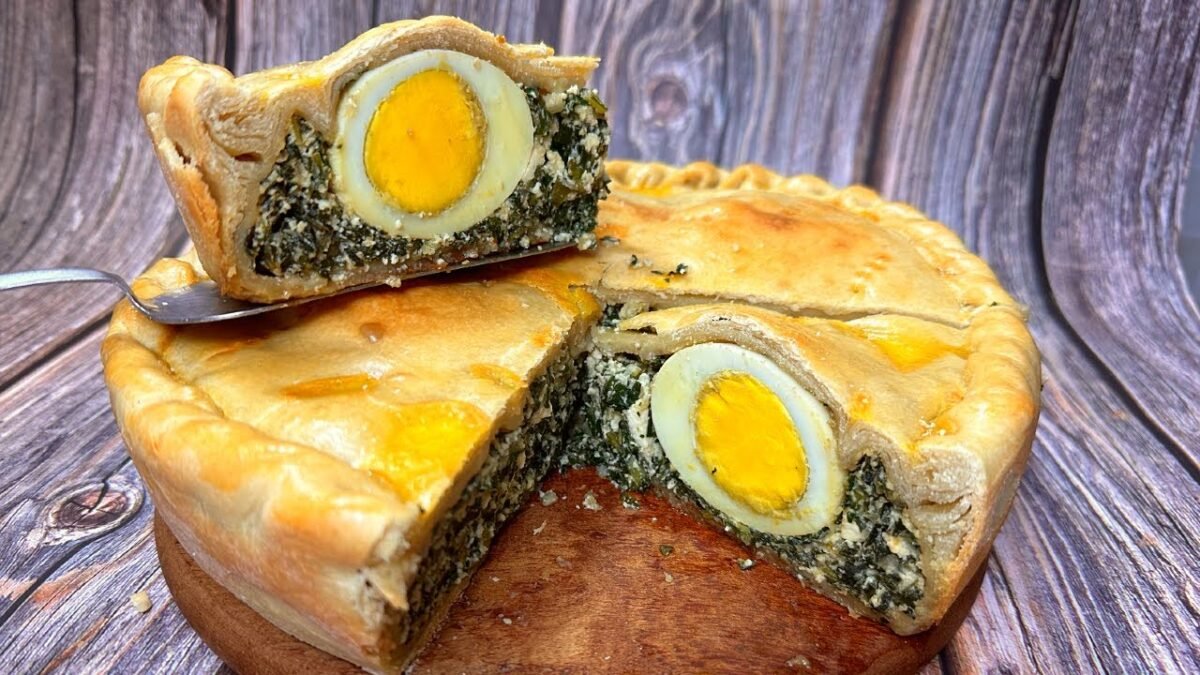
Ask the staff when best tarta de acelga near me was made. A tarta de acelga baked that morning and served by midday is ideal. One that has been sitting since the day before will be noticeably drier and the crust will have lost its texture. If the shop is busy and turns over product quickly, freshness is rarely a problem. If you are in a quiet shop mid-afternoon and the tarta looks like it has been there a while, trust your instincts. The best tarta de acelga near me is one that was made with care and has not been sitting around waiting for someone to rescue it.
Pairing Tarta de Acelga With Other Foods and Drinks
One of the quiet pleasures of this dish is how well it fits into different eating contexts. As a standalone lunch, a generous slice needs nothing more than a glass of sparkling water or a simple green salad dressed with lemon and olive oil. The richness of the filling and the butter in the crust means it is already a complete meal in terms of fat, protein, and carbohydrate.
For a more elaborate spread — a family lunch, a picnic, or an afternoon gathering — tarta de acelga pairs beautifully with chimichurri-dressed grilled vegetables, cold cuts, or a light tomato salad. In terms of drinks, a dry sparkling wine like Argentine torrontés or a light Malbec complements the earthiness of the chard without overpowering best tarta de acelga near me. Mate, the traditional Argentine herbal drink, is the classic accompaniment in home settings — strong, bitter, and bracing in a way that cuts right through the richness of the pie.
What People Say About Their Favorite Spots
Community knowledge is one of the most reliable guides to finding genuinely good food. Across online forums and community boards, people who grew up with this dish are consistent in what they praise: freshness of ingredients, proper draining of the chard, a crust that holds its structure without being too thick or cracker-dry, and a filling that is seasoned with confidence rather than timidity.
“The best tarta I ever had outside of Buenos Aires was from a tiny panadería run by a family from Córdoba. No menu, no website, no Instagram. Just a handwritten sign in the window and a display case that changed every day depending on what they felt like making. That is where you find the real thing.” — Shared in an Argentine expat food forum
This sentiment is echoed widely by food writers and community members alike. The best tarta de acelga near me is rarely the most visible or the most promoted option. best tarta de acelga near me tends to live at the intersection of tradition, effort, and genuine pride in the craft.
Using Google and Social Media to Find the Right Place
A strategic approach to online search will save you time and disappointment. On Google Maps, filter your results by rating and look specifically at reviews that mention tarta de acelga by name — not just general praise for Argentine food. A review that says “the chard pie is incredible” is infinitely more useful than one that says “great empanadas” if you are specifically hunting tarta.
On Instagram, search location-tagged posts with hashtags like #tartadeacelga, #panadería, #comidaargentina, or the name of your city combined with “argentina.” You will find photos of real dishes from real local vendors that may not appear prominently in Google search results. TikTok has also become an increasingly useful discovery tool — short food videos of local spots often surface places that have loyal communities but no formal web presence. When you combine these tools and cross-reference results, your chances of finding the best tarta de acelga near me in your specific location improve dramatically.
How Freshness and Seasonality Impact the Dish
Swiss chard is a cool-season vegetable, which means best tarta de acelga near me tends to be at its best during spring and autumn in most climates. When chard is in season and locally sourced, the difference in flavor is noticeable — the leaves are more tender, the stems less fibrous, and the overall taste is cleaner and less bitter. Bakeries and restaurants that pay attention to seasonality will often adjust their recipes slightly to accommodate the specific character of the chard they are working with.
In winter months, some vendors switch to stored or frozen chard, which results in a wetter filling if not handled carefully. This is where the skill of the cook becomes most visible. A talented baker can work with out-of-season chard and still produce a beautiful result through proper technique — thorough cooking, excellent draining, and confident seasoning. A less careful kitchen will let the moisture do damage and serve you a filling that slides rather than holds. Freshness awareness is part of what separates a genuinely great tarta de acelga from one that is merely competent.
The Difference Between Homemade and Commercial Versions
There is a particular quality to a homemade tarta de acelga that is almost impossible to replicate at commercial scale. When someone makes this dish in their own kitchen, they are working in small batches, tasting as they go, adjusting seasoning to their own palate, and using whatever cheese they love most. The crust gets the attention best tarta de acelga near me deserves because there is no production pressure. The result often has a handmade irregularity — slightly uneven edges, a crust that is thicker in one corner than another — that signals genuine human involvement.
Commercial versions made in large quantities for supermarket distribution sacrifice most of this. Pre-packaged tartas are fine in an emergency, but they are not the experience you are looking for when you search for the best tarta de acelga near me. The best commercial versions come from small-scale bakeries that operate with a “homemade at scale” philosophy — where the recipes are personal, the batches are modest, and the quality control comes from genuine care rather than automated systems.
Tips for Ordering at a South American Restaurant
If you are exploring tarta de acelga at a sit-down South American restaurant rather than a bakery, the experience is slightly different. In a restaurant context, the dish is more likely to be served warm or heated to order, which can be lovely — the crust regains some of its crispness when warmed properly. best tarta de acelga near me may come plated with a small salad, some pickled vegetables, or a side of bread.
When ordering, it is worth asking whether the tarta is made in-house or sourced from a supplier. This is not an insult to the restaurant — it is a fair question that tells you something important about what you are about to eat. An honest answer, either way, is a good sign. If the server cannot tell you, that itself is informative. The best South American restaurants that serve tarta de acelga will know exactly where best tarta de acelga near me comes from and will be proud to tell you, because a well-made chard pie is genuinely something to be proud of.
Making Tarta de Acelga at Home if You Cannot Find It Nearby
Sometimes the best version near you is the one you make yourself. If you are in a city without a strong South American food presence, making tarta de acelga at home is entirely achievable, even for cooks who are not particularly experienced with pastry. The dough is forgiving — a simple mix of flour, fat, salt, and cold water — and the filling comes together in under twenty minutes on the stovetop before it goes into the oven.
The most important technique to master is draining the chard. After cooking it down in a pan with onion and garlic, let it sit in a colander for at least ten minutes and then squeeze it firmly with your hands or a clean kitchen towel. This step alone separates a good homemade tarta from a mediocre one. Everything else — the cheese blend, the seasoning, the egg ratio — can be adjusted to your taste. Once you understand the structure of the dish, it becomes genuinely fun to personalize.
Why Tarta de Acelga Is Having a Cultural Moment
There has been a noticeable rise in interest in traditional South American home cooking over the past several years, driven in part by diaspora communities reconnecting with food heritage, in part by a broader cultural appetite for dishes that are comforting, affordable, and made with whole ingredients. Tarta de acelga fits neatly into this moment. It is not glamorous in the way that trend-driven food can be, but it has the kind of depth that comes from decades of refinement in home kitchens.
Food writers and chefs who focus on South American cuisine have been increasingly vocal about bringing these unsung classics to wider attention. This is part of why searches for the best tarta de acelga near me have been climbing — more people are hearing about the dish for the first time and immediately wanting to try it. That is always how the best food traditions spread: through enthusiasm, through sharing, through one person telling another that something is genuinely worth seeking out.
Understanding Price Points and What to Expect
Price is one of the reasons tarta de acelga has enduring appeal. In Argentine bakeries, a generous slice typically costs between two and five dollars in most US cities, and comparable prices exist in Europe and other regions with significant Argentine communities. It is one of those dishes that manages to be both economical and genuinely satisfying — filling enough for a full meal at a price that barely registers.
At a sit-down restaurant, you will pay more — perhaps eight to fifteen dollars for a plated portion with accompaniments — but that is still modest by the standards of a complete restaurant meal. When you are evaluating whether a place represents good value for the best tarta de acelga near me, price is actually a useful quality signal. Dramatically underpriced tarta in a restaurant context may mean corners were cut on ingredients. A bakery charging reasonable market prices for something clearly made with fresh chard and quality cheese is generally the better bet.
Common Mistakes People Make When Ordering or Buying
The most common mistake is ordering tarta de acelga at a place that does not specialize in it. A general Latin American restaurant that offers it as one of twenty menu items is unlikely to give it the same attention as a panadería that makes it as a daily staple. Breadth of menu does not equal depth of craft, and this dish specifically rewards the kitchen that makes it regularly and knows its rhythms.
Another common error is not asking when it was made. Tarta de acelga is at its best the day it is baked. By the following day it is still acceptable but noticeably less vibrant. By day three, even a well-made version has lost most of its appeal. Always ask. A good shop will tell you honestly, and if they cannot, treat that as a reason to be cautious. The search for the best tarta de acelga near me is ultimately a search for freshness, care, and craft — and those qualities are worth asking about directly.
The Role of Community and Word of Mouth in Finding Great Food
There is a reason the best neighborhood food spots are often known only by locals. They do not need to advertise because their reputation spreads through the community organically — through family recommendations, through coworkers bringing slices to the office, through the simple fact that eating something excellent makes you want to tell other people about it immediately.
This is especially true in diaspora communities, where food plays a powerful role in cultural connection and identity. An Argentine family that finds a panadería making tarta de acelga the way their grandmother made it will become fiercely loyal customers and enthusiastic ambassadors. They will post about it, tell their friends, and bring newcomers to try it. This word-of-mouth network is your best resource when you are looking for the best tarta de acelga near me — more reliable than any algorithm, more specific than any review aggregator, and more passionate than any food critic.
Dietary Considerations and Modifications
Traditional tarta de acelga is not vegan — it contains eggs, dairy, and typically a lard or butter crust. But the dish adapts surprisingly well to dietary modifications without losing its essential character. Vegan versions using plant-based cheeses and a flax or chia egg substitute have become increasingly common, particularly in cities with active vegan communities. The key is ensuring the filling still has enough binding structure and seasoning to compensate for the absence of eggs.
Gluten-free crusts present more of a challenge, as the flakiness of a traditional pastry depends on gluten development. However, blends of rice flour and almond flour can produce a crust that is pleasingly crumbly even if it lacks the precise texture of the original. If you have specific dietary needs and are searching for the it that accommodates them, it is worth calling ahead to specialty bakeries or checking their social media for information about ingredient alternatives. Many modern panadería-style operations are increasingly aware of dietary diversity and willing to work with customers who ask.
How to Store and Reheat Tarta de Acelga Properly
If you buy more than you can eat in a sitting — and it is very easy to do — tarta de acelga stores well in the refrigerator for up to three days. Wrap it tightly in cling film or store it in an airtight container to prevent it from drying out. The crust will soften slightly in the fridge, which is unavoidable, but it can be largely restored with proper reheating.
The best reheating method is a regular oven at around 350°F (175°C) for ten to twelve minutes. This restores crispness to the crust and brings the filling back to a pleasant warmth without drying it out. Avoid the microwave if you can — it will heat the filling quickly but leave the crust soggy and unpleasant. A toaster oven works well for single slices. If you have a slice that you want to eat cold, that is also entirely traditional and perfectly delicious — especially in summer, when room-temperature savory food has its own appeal.
What Food Critics and Culinary Experts Say About Tarta de Acelga
Within the world of South American culinary scholarship, tarta de acelga is increasingly being recognized not just as comfort food but as a culturally significant dish that encapsulates a particular kind of practical, ingredient-led cooking. Food historians who study the Río de la Plata region cite it as an example of how immigrant food traditions become naturalized through accessibility and adaptability.
Contemporary chefs working with South American cuisines — both within Argentina and abroad — have begun incorporating elevated versions of the dish into tasting menus and specialty food offerings, using heirloom chard varieties, artisan cheeses, and laminated pastry in place of the traditional simple crust. These interpretations are interesting but not necessarily superior to the original. The genius of tarta de acelga has always been its humility, its willingness to be exactly what it is without pretension. The best tarta de acelga near me, in the estimation of most people who love it deeply, is the one that tastes like it was made with care and without any agenda other than feeding people well.
Building a Routine Around Finding and Enjoying This Dish
For many people, the search for the best tarta de acelga near me becomes less of a one-time quest and more of an ongoing relationship with a specific place. You find your bakery. You learn which day of the week they make the freshest batch. You become a regular. The staff starts recognizing you and setting aside a slice when you call ahead. This is one of the great pleasures of neighborhood eating — the way a simple recurring purchase can become a genuine connection to a place and the people who run it.
If you are new to this dish, give yourself permission to try several versions before settling on a favorite. Each bakery, each cook, each recipe tells a slightly different story. Some will be richer, some lighter. Some will have a crust with more character, others will let the filling be the star. The exploration itself is part of the pleasure, and every taste — even the ones that do not quite hit the mark — teaches you something about what you are looking for. The best tarta de acelga near me is ultimately a personal definition, shaped by your own palate, your own memories, and your own sense of what makes food feel like home.
Conclusion
Tarta de acelga is one of those dishes that rewards patience, curiosity, and a willingness to look beyond the obvious. It does not announce itself with flashy marketing or photogenic garnishes. It sits quietly in a bakery display case, made fresh that morning, waiting for someone who knows what they are looking for.
The best tarta de acelga near me is out there — in a small panadería run by people who have been making it for decades, or in a community kitchen that honors the recipe passed down through generations, or perhaps in your own oven if you are ready to roll up your sleeves. What makes it worth finding is not just the taste, though the taste is genuinely wonderful when everything comes together. It is the connection to something larger: a culinary tradition born from migration and adaptation, refined through love and repetition, and still capable — on any given afternoon — of making the world feel a little warmer and more sustaining.
FAQs
What exactly is tarta de acelga and what does it taste like?
Tarta de acelga is a traditional South American savory pie made with Swiss chard, eggs, cheese, and a short-crust pastry. The flavor is earthy and mildly rich, with the slight bitterness of cooked chard balanced by the creaminess of the cheese and the buttery texture of the crust. When done well, the best tarta de acelga near me delivers a deeply satisfying, home-cooked quality that is simultaneously simple and complex.
How do I find the best tarta de acelga near me in a city with few Argentine restaurants?
Start with Google Maps and search for Argentine or South American bakeries, then cross-reference with community forums, Latin American Facebook groups, and Instagram location tags. Even cities with small South American communities often have at least one panadería or home cook producing this dish. Searching the best tarta de acelga near me on social media with local hashtags often uncovers hidden gems that do not appear in mainstream restaurant guides.
Is tarta de acelga served hot or cold?
Traditionally, tarta de acelga is served at room temperature, which is how it is displayed in most panaderías. It can also be served warm, and reheating it in an oven for ten minutes restores a pleasant crispness to the crust. The best tarta de acelga near me can be enjoyed at any temperature — even cold from the refrigerator — and still delivers its core flavors and satisfying texture.
Can I freeze tarta de acelga for later?
Yes, tarta de acelga freezes reasonably well. Wrap individual slices tightly in cling film and then in foil, and freeze for up to one month. Thaw overnight in the refrigerator and reheat in an oven at 350°F for fifteen minutes. The crust will not be quite as flaky as when it was fresh, but the flavor holds well. If you have found the best tarta de acelga near me and want to stock up, freezing is a practical option.
What is the difference between tarta de acelga and tarta de espinaca?
Both are classic South American savory pies, but the key difference is the primary green used in the filling. Tarta de acelga uses Swiss chard, which has a more robust, slightly earthy flavor and a firmer texture than spinach. Tarta de espinaca uses spinach, which produces a softer, milder filling. Both are delicious, but fans of the best tarta de acelga near me generally prefer the more assertive character that chard brings to the dish — it has more presence and a more distinctive flavor profile than its spinach counterpart.
How can I tell if a tarta de acelga is freshly made or day-old?
A fresh tarta will have a golden, slightly glossy crust and a filling that looks cohesive and set rather than dried around the edges. The crust of a day-old tarta will often appear slightly dull and may feel softer or flaccid rather than firm. When in doubt, simply ask the bakery when it was made — any shop worth visiting will answer honestly. Freshness is the single biggest factor separating an excellent version from a merely acceptable one, and it is always worth asking when you are searching for the best tarta de acelga near me.
Are there vegan or gluten-free versions of tarta de acelga available?
Increasingly, yes. Modern South American bakeries and specialty food vendors in diverse urban areas are adapting traditional recipes to accommodate vegan and gluten-free diets. Vegan versions replace the eggs with plant-based binders and use dairy-free cheese alternatives. Gluten-free versions use alternative flour blends for the crust. If you have specific dietary needs and are looking for the best tarta de acelga near me that works for you, it is worth calling ahead or checking social media for bakeries that specifically advertise these variations.Share