


Best Wireless Earbuds Under $200 in 2024: Top Picks for Every Listener
Best Wireless Earbuds Under $200 in 2024: Finding a great pair of wireless earbuds used to mean spending a small fortune. That’s no longer the case. The $200 price ceiling has quietly become one of the most exciting brackets in personal audio, packed with options that rival flagship models in ways that genuinely matter — sound quality, active noise cancellation, comfort, and battery endurance. Whether you’re commuting, working out, or just trying to carve out a few minutes of peace in a noisy world, there’s a pair in this range built for exactly that.
This guide breaks down the best wireless earbuds under $200 in 2024 available right now, tested and evaluated across real-world conditions. You’ll find honest comparisons, a detailed spec breakdown, answers to the most common questions buyers have, and clear guidance on which pair is right for your specific lifestyle. No filler, no vague superlatives — just the information you need to make a confident purchase.
Why the Under-$200 Category Has Become the Sweet Spot for Audio Value
A few years ago, spending under $200 on wireless earbuds meant accepting meaningful compromises — muddy bass, unreliable Bluetooth, or ANC that barely made a dent in background noise. That era is over. The engineering advances originally developed for premium $350+ earbuds have trickled down, and today’s mid-range lineup is genuinely impressive.
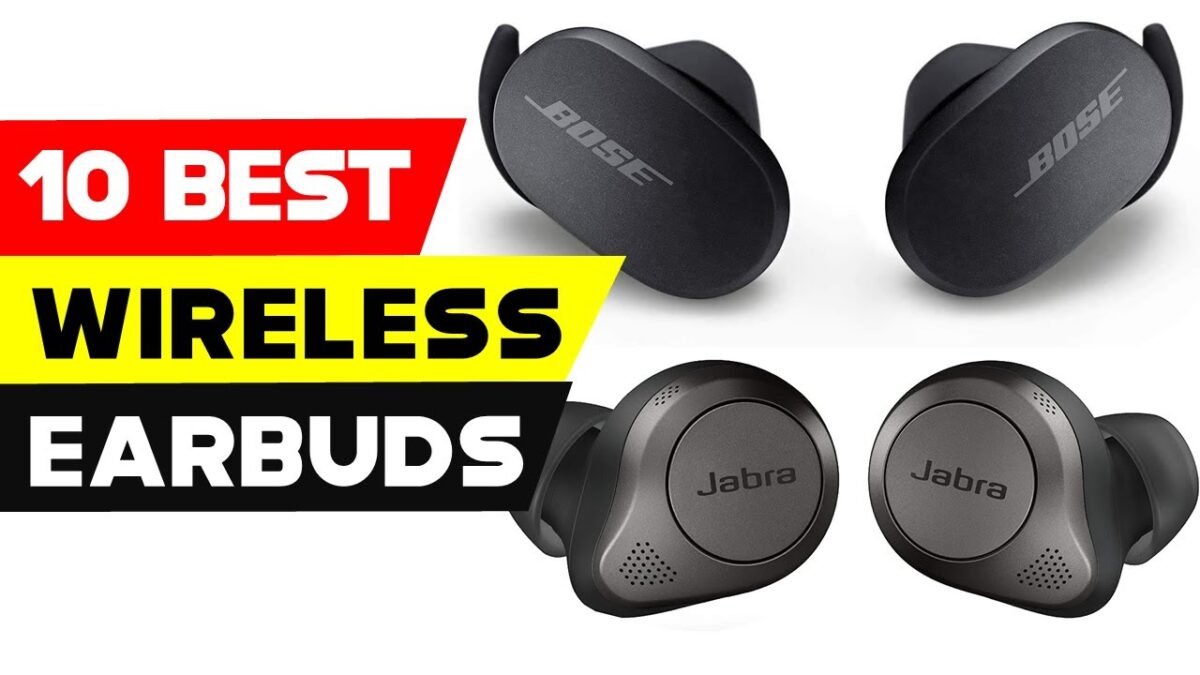
Brands like Sony, Jabra, Anker’s Soundcore, Samsung, and Even JLab have raised the bar dramatically. You’re now getting multipoint Bluetooth connectivity, adaptive transparency modes, wireless charging cases, and tuning profiles that were unthinkable at this price tier just two years ago. For most listeners — including serious audio enthusiasts — the best wireless earbuds under $200 in 2024 represent a smart ceiling rather than a reluctant compromise.
How We Evaluated These Earbuds
Every pair in this guide was assessed against the same set of criteria that matter most to real-world buyers. Sound quality came first: balance across frequencies, clarity at moderate and high volumes, and how well each pair handles complex tracks with layered instrumentation. Active noise cancellation was tested in urban environments, on public transit, and in open-plan office settings.
Comfort and fit were evaluated across extended wear sessions of two hours or more, since even exceptional audio becomes irrelevant if the earbuds cause discomfort or fatigue. Battery life figures were cross-checked against manufacturer claims with real usage. Call quality, app ecosystem depth, codec support (aptX, AAC, LDAC), and physical durability rounded out the evaluation criteria. The goal was a picture of real-world value, not spec-sheet theater.
The Best Wireless Earbuds Under $200 in 2024 at a Glance
Before diving into individual reviews, here’s a consolidated comparison of the top-performing models across key categories:
| Model | ANC | Battery Life (Buds + Case) | Codec Support | IP Rating | Best For |
|---|---|---|---|---|---|
| Sony WF-C700N | Yes | 7.5 hrs + 15 hrs | AAC, SBC | IPX4 | Compact everyday use |
| Jabra Evolve2 Buds Lite | Yes | 8 hrs + 16 hrs | AAC, SBC | IP55 | Work calls and focus |
| Anker Soundcore Liberty 4 | Yes | 9 hrs + 28 hrs | LDAC, AAC | IPX4 | Value audiophiles |
| Samsung Galaxy Buds FE | Yes | 6 hrs + 15 hrs | AAC, SBC | IPX2 | Samsung ecosystem users |
| Nothing Ear (2) | Yes | 6.3 hrs + 22.5 hrs | LHDC, AAC | IP54 | Design-forward listeners |
| JLab Epic Air Sport ANC | Yes | 15 hrs + 55 hrs | AAC, SBC | IP66 | Athletes and heavy users |
| Beats Fit Pro | Yes | 6 hrs + 18 hrs | AAC, SBC | IPX4 | Apple ecosystem, workouts |
| EarFun Air Pro 3 | Yes | 9 hrs + 36 hrs | aptX Adaptive | IPX4 | Budget audiophiles |
Sony WF-C700N: The Compact Powerhouse That Punches Above Its Weight
Sony has long been considered the gold standard in consumer noise cancellation, and the WF-C700N brings that DNA into a surprisingly small, lightweight form factor. These earbuds sit comfortably in the ear without the bulk typical of ANC-equipped models, making them ideal for all-day wear. The noise cancellation itself won’t match the flagship WF-1000XM5, but it’s genuinely effective at softening steady-state noise — office HVAC systems, coffee shop chatter, and light traffic disappear to a satisfying degree.
Sound quality leans slightly warm, with well-extended bass that never feels overdone and clear, present midranges that serve vocals and acoustic instruments well. The companion Sony app provides access to EQ adjustments and lets you switch between ANC and ambient modes. At a street price well under $150 in many markets, the WF-C700N delivers a level of polish that makes it one of the most recommendable entries in the best wireless earbuds under $200 in 2024 conversation for casual listeners and daily commuters alike.
Jabra Evolve2 Buds Lite: Built Specifically for the Modern Hybrid Worker
Jabra doesn’t try to be everything to everyone, and the Evolve2 Buds Lite are a masterclass in focused design. These earbuds are engineered for professionals who spend significant portions of their day on calls — video conferences, phone calls, and voice-heavy communication where microphone clarity is just as important as listening quality. The six-microphone array does an outstanding job isolating your voice in moderately noisy environments, and the ANC is tuned to reduce distracting ambient sound during focus sessions without completely cutting you off from your surroundings.
They’re comfortable for extended sessions, with an ergonomic design that distributes pressure well over multi-hour wear. Jabra’s Sound+ app is among the best companion applications in the category, offering hearing-specific customization and usage tracking features. They’re not the most exciting earbuds for recreational listening — the sound signature is slightly analytical rather than musical — but for a hybrid worker who needs reliable all-day performance, the Evolve2 Buds Lite represent a uniquely purposeful choice within the best wireless earbuds under $200 in 2024 segment.
Anker Soundcore Liberty 4: The LDAC-Enabled Overachiever
Anker has quietly built one of the most compelling value propositions in personal audio, and the Soundcore Liberty 4 makes that case emphatically. The headline feature is LDAC support — a high-resolution Bluetooth codec that transmits significantly more audio data than standard SBC or AAC, resulting in noticeably better detail retrieval and soundstage width when paired with an Android device and a compatible audio source. Most earbuds at this price skip LDAC entirely, making the Liberty 4 a genuine outlier.
Battery life is exceptional, with nine hours of continuous playback and a case that extends total listening to 37 hours — figures that place it ahead of most competitors in the category. The ANC is effective without being class-leading, and Anker’s companion app provides granular control including a hearing-test-based personalized EQ feature. For listeners who prioritize audio fidelity and don’t want to pay premium prices to get it, the Soundcore Liberty 4 may be the single best value among all the best wireless earbuds under $200 in 2024 currently available.
Samsung Galaxy Buds FE: The Seamless Choice for the Android Ecosystem
Samsung’s Galaxy Buds FE — where “FE” stands for Fan Edition — represents an interesting strategic play: flagship-inspired design and ecosystem integration at a more accessible price point. For Samsung Galaxy smartphone users, these earbuds integrate with a fluency that third-party alternatives simply can’t match. Auto-switching between Samsung devices, deep integration with Bixby, and seamless pairing via the Galaxy Wearable app are all part of the package.
Sound quality is punchy and energetic, with an emphasis on bass that will suit pop, hip-hop, and electronic listeners particularly well. The wing-tip design locks the earbuds securely in place, which makes them a solid companion for light exercise as well as daily commutes. ANC performance is competent for steady environments but struggles slightly with more dynamic noise sources. For anyone already invested in Samsung’s ecosystem, the Galaxy Buds FE earn their place on any list of best wireless earbuds under $200 in 2024 simply on account of how well they play with the devices already in your pocket.
Nothing Ear (2): When Industrial Design Meets Genuine Audio Credibility
Nothing has made transparency — literal, physical transparency — the centerpiece of its product identity, and the Ear (2) earbuds are visually arresting in a way no competitor quite matches. But aesthetic differentiation alone doesn’t earn a place on a best-of list. What does is the fact that the Ear (2) delivers genuine audio performance to back up the looks. The dual dynamic drivers produce an impressively layered sound that handles both bass-heavy tracks and detailed acoustic recordings without obvious weakness.
Active noise cancellation reaches up to 45dB of reduction according to Nothing’s own measurements, and real-world performance is competitive with the Sony and Jabra entries in this guide. The companion app supports personalized ANC levels, EQ presets, and high-res codec switching. The IP54 rating provides solid protection against sweat and rain. What makes the Nothing Ear (2) particularly interesting is that it delivers all of this while maintaining a street price that keeps it firmly within reach for buyers evaluating the best wireless earbuds under $200 in 2024 making it as practical as it is distinctive.
JLab Epic Air Sport ANC: The Endurance Champion for Active Lifestyles
If battery life is your primary concern, nothing else in this guide comes close to the JLab Epic Air Sport ANC. Fifteen hours of playback from the earbuds alone — and a total of 55 hours when you factor in the charging case — puts virtually every competitor to shame. For frequent travelers, road warriors, or anyone who simply doesn’t want to babysit a charging case every other day, this matters enormously. JLab has built a product for people who use their earbuds hard and often.
The IP66 rating means these earbuds can handle sweat, rain, and splash exposure that would damage less robustly built competitors. Sound quality is solid for workout contexts — energetic and punchy — though it won’t satisfy critical listeners who prize neutrality and detail. The ANC is effective at reducing wind noise and gym background sound, making it purpose-fit for athletic use. As one of the best wireless earbuds under $200 in 2024 for endurance athletes, outdoor adventurers, or heavy commuters, the Epic Air Sport ANC fills a niche that very few competitors address with equal conviction.
Beats Fit Pro: Apple’s Workout-First Answer to AirPods Pro
The Beats Fit Pro occupy a fascinating position: they offer the Apple H1 chip and deep iOS ecosystem integration — including iCloud pairing and Siri hands-free access — at a price point below the AirPods Pro. The wingtip design provides a secure, stable fit that holds during intense exercise, and three listening modes (ANC, Transparency, and Off) are available via a physical button on each earbud. For Apple users who exercise regularly and want a more sport-oriented alternative to AirPods, these earbuds address that gap directly.
Sound quality skews toward the classic Beats signature: energetic low end, forward midrange presence, and a lively high frequency that suits high-tempo playlists well. Call quality is strong, benefiting from Apple’s processing advantage. The one limitation relative to AirPods Pro is the absence of Spatial Audio support for music — though Spatial Audio works for video content. For iPhone users who want ANC, workout stability, and ecosystem cohesion from the best wireless earbuds under $200 in 2024, the Beats Fit Pro is a compelling and mature option.
EarFun Air Pro 3: The Budget Audiophile’s Secret Weapon
EarFun isn’t a household name, which is precisely why the Air Pro 3 surprises so many people who encounter it. This model supports aptX Adaptive — a codec that adjusts bitrate dynamically and supports both high-resolution audio and low-latency gaming — a feature you typically see on earbuds costing significantly more. Combined with a four-driver configuration (two per earbud), the Air Pro 3 produces an exceptionally detailed and wide soundstage that competes seriously with options at higher price points.
ANC performance is strong, battery life extends to nine hours on a charge with 36 hours total from the case, and the IPX4 rating handles sweat and light rain reliably. The companion app provides multipoint connectivity settings and EQ control. EarFun may not carry the brand recognition of Sony or Jabra, but for audiophile-leaning buyers who are willing to look past the label and toward the actual performance, the Air Pro 3 is arguably the most technically impressive entry in the best wireless earbuds under $200 in 2024 category at its street price.
What to Look for When Buying Wireless Earbuds Under $200
Sound signature preference is the first thing worth understanding before purchasing. A “warm” sound — emphasized bass and smooth highs — suits casual listeners and genre-specific tastes like hip-hop and pop. A “neutral” or “analytical” sound — flatter frequency response — better serves classical, jazz, and critical listening. Some earbuds offer EQ customization through a companion app, which helps bridge the gap, but knowing your baseline preference saves time.
Active noise cancellation quality varies enormously even within this price bracket. Look for earbuds with adaptive ANC — models that automatically adjust cancellation intensity based on your environment — rather than fixed-level implementations. Transparency mode quality matters too: a good transparency mode lets you hear your surroundings naturally and safely without removing the earbuds, which is essential for urban pedestrians. Codec support (LDAC, aptX Adaptive, AAC) determines the maximum achievable audio quality wirelessly; if you stream hi-res audio or use an Android device, prioritizing LDAC or aptX Adaptive support will yield a noticeable improvement.
Active Noise Cancellation: What the Numbers Actually Mean
ANC specifications are among the most frequently misrepresented figures in consumer audio marketing. A claim of “40dB noise reduction” sounds impressive but tells you relatively little without context — the frequency range being attenuated, the measurement conditions, and the comparison baseline are all absent. In practice, ANC performance breaks down into low-frequency reduction (engine rumble, HVAC hum, traffic noise) and mid-to-high-frequency reduction (voices, keyboard clicks, office chatter).
Most earbuds in the best wireless earbuds under $200 in 2024 tier handle low-frequency noise well because passive physical isolation from the ear tip seal handles much of the work. The more meaningful differentiator is how well the ANC algorithm performs on broadband noise sources — the kind of unpredictable, mixed-frequency ambient sound you encounter in busy public spaces. Sony’s processing has historically led the field in this regard, followed closely by Jabra and Nothing. For the best real-world ANC performance under $200, prioritize those three brands over alternatives with more aggressive but less honest spec claims.
Battery Life: Matching Endurance to Your Actual Usage Patterns
Battery claims made by manufacturers are measured under optimal — and often unrealistic — conditions: low volume levels, ANC disabled, and stable Bluetooth connections. Real-world figures typically run 15 to 20 percent shorter. That said, the gap between the best and worst performers in this category is significant enough to matter for many users. Earbuds like the JLab Epic Air Sport ANC and the EarFun Air Pro 3 offer substantially more endurance than competitors, which translates to fewer interruptions in longer sessions.
Beyond raw playback time, consider fast-charge capability. Several models in this guide support ten-minute charges that provide an hour or more of additional playback — a genuinely useful feature for forgetful charging habits. Wireless charging case support, while not universal at this price point, appears in the Nothing Ear (2) and Soundcore Liberty 4 and adds meaningful daily convenience. For most users, six to eight hours of earbud battery life is sufficient for a full workday; if your sessions regularly run longer, prioritize models with extended endurance rather than assuming you’ll always have a charging moment available.
Fit, Comfort, and Long-Wear Considerations
Fit is the most subjective and most consequential factor in the entire purchase decision, and it’s one that specs and reviews can only partially address. Ear canals vary in size and shape, and an earbud that fits perfectly for one person may be uncomfortable or insecure for another. Most quality earbuds in this range include small, medium, and large silicone ear tips, and some (like JLab) include foam options that conform more closely to individual anatomy.
Wing tips and ear fins — the small stabilizers that grip the inner ridge of the outer ear — significantly improve exercise stability but can cause fatigue in longer casual listening sessions. The Sony WF-C700N and Nothing Ear (2) take a purely tip-seal approach, relying on the ear tip fit alone for stability, which many users find more comfortable for extended wear. If you’ve historically found earbuds uncomfortable, look for models with multiple tip sizes, consider aftermarket memory foam tips as an upgrade, and weight comfort-focused design approaches more heavily than you might weight other specifications when choosing from the best wireless earbuds under $200 in 2024.
Call Quality and Microphone Performance in 2024
Microphone performance has improved significantly across the mid-range tier, driven partly by the normalization of remote work and the expectation that earbuds serve double duty as professional communication tools. The Jabra Evolve2 Buds Lite leads the category here with its six-microphone array and voice isolation algorithms — though this comes at the cost of a somewhat utilitarian listening experience. Sony and Beats also perform well on calls, benefiting from mature beamforming technology.
Wind noise rejection is the most obvious differentiator in call quality tests. Cheap microphone implementations pick up significant wind noise outdoors, making calls difficult in any outdoor setting. The better-performing models in this guide use directional microphone arrays that actively reject ambient and wind noise. If you take frequent outdoor calls or commute in areas with significant wind, microphone wind rejection should be a named criterion in your decision rather than an afterthought. The Jabra, Sony, and Beats models all handle this well; budget-tier entries in the category are more inconsistent.
Connectivity Features: Multipoint, Codec Support, and App Ecosystems
Multipoint Bluetooth connectivity — the ability to connect to two devices simultaneously and switch between them seamlessly — has become a near-essential feature in 2024 for anyone who uses both a laptop and a smartphone. Most models in this guide support multipoint, but implementation quality varies. Some handle automatic switching gracefully; others require manual intervention that disrupts your workflow. The Jabra, Soundcore Liberty 4, and EarFun Air Pro 3 handle multipoint particularly well.
Companion app ecosystems range from excellent to negligible. Sony’s Headphones Connect app, Jabra’s Sound+ app, and Soundcore’s app are all mature, feature-rich, and regularly updated. Samsung’s Galaxy Wearable app is exceptional — but only if you own a Samsung Galaxy device. Nothing’s app is functional but thinner on features than its competitors. A good app extends the usefulness of your earbuds substantially over time: EQ adjustments, firmware updates, ANC calibration, and usage statistics all contribute to a better long-term ownership experience. Don’t underestimate the app ecosystem when evaluating the best wireless earbuds under $200 in 2024.
A Note on Sound Quality Philosophy
“The best headphones are the ones that make you forget you’re wearing headphones — and make you remember why you love the music.” — Steve Guttenberg, CNET senior editor and longtime audio critic
This idea cuts to the heart of what distinguishes genuinely good earbuds from technically impressive ones. A perfectly flat frequency response, by itself, doesn’t guarantee an emotionally engaging listening experience. The best earbuds in this guide succeed because they translate that technical performance into musical enjoyment — a harder thing to quantify but ultimately the point.
Sound quality at the under-$200 level has reached a point where the limiting factor is more often the recording and streaming quality of the source material than the earbuds themselves. At 320kbps Spotify or Apple Music Lossless quality, earbuds like the Anker Soundcore Liberty 4 and EarFun Air Pro 3 will reveal detail and texture in familiar tracks that cheaper earbuds obscure. That perceptual shift — hearing something new in music you’ve listened to hundreds of times — is what separates a satisfying audio purchase from a merely adequate one.
Durability, Weather Resistance, and Long-Term Reliability
IP ratings — Ingress Protection classifications — define how well a device resists dust and water. For wireless earbuds, the relevant number is the water resistance level. IPX4 (the most common rating in this category) means the earbuds can handle splashing water from any direction, which covers sweat and light rain comfortably. IPX5 and above handle more sustained water exposure. IP66, like the JLab Epic Air Sport ANC carries, provides comprehensive protection against both dust and high-pressure water jets.
Long-term reliability is harder to assess from short-term reviews but can be inferred from brand history and warranty policies. Jabra and Sony both offer two-year warranties with strong customer support infrastructure. Anker/Soundcore has built a reputation for responsive after-sale service. Newer entrants like Nothing and EarFun have shorter track records but have handled the hardware revision process well in recent product generations. Buying from brands with clear warranty commitments reduces the risk of a costly early failure in what should be a multi-year investment.
Best Wireless Earbuds Under $200 in 2024 by Use Case
Not every listener has the same priorities, and the best earbuds for a gym rat differ meaningfully from the best choice for someone who spends eight hours a day in video calls. Here’s how the top picks align with specific use cases:
For pure audio quality and hi-res streaming, the Anker Soundcore Liberty 4 (LDAC) and EarFun Air Pro 3 (aptX Adaptive) stand above the competition. For professional call performance and focus work, the Jabra Evolve2 Buds Lite has no real peer at this price point. For Apple ecosystem users who exercise regularly, the Beats Fit Pro is the natural choice. Samsung ecosystem users will get the most seamless experience from the Galaxy Buds FE. Travelers and commuters who prioritize ANC effectiveness will be best served by the Sony WF-C700N or Nothing Ear (2). Athletes and outdoor enthusiasts with demanding durability requirements should look at the JLab Epic Air Sport ANC first.
How Wireless Earbuds Have Evolved: Context for 2024 Buyers
The first generation of truly wireless earbuds — earbuds with no wire connecting the two units at all — launched in 2016 with the original AirPods. Early adopters paid premium prices for technology that, by today’s standards, was quite limited: no ANC, modest battery life, and Bluetooth connectivity that dropped frequently. The subsequent eight years have seen extraordinary acceleration in every relevant dimension of earbud technology.
By 2024, the trajectory of improvement has compressed the gap between price tiers to a remarkable degree. ANC that once required $300+ earbuds now appears in models under $100. LDAC codec support, the highest-quality mainstream wireless audio transmission standard, appears in earbuds well under $150. Multipoint connectivity, adaptive transparency modes, and onboard EQ customization — once premium features — are now table stakes across the best wireless earbuds under $200 in 2024. Buyers entering this market today are beneficiaries of years of fierce competition that has driven quality up and prices down simultaneously.
Bluetooth Codecs and Why They Matter
Bluetooth audio codecs determine how much data is transmitted between your device and your earbuds, which directly affects audio quality potential. SBC (Subband Coding) is the universal baseline — every Bluetooth device supports it, but it compresses audio aggressively. AAC (Advanced Audio Coding) is the standard codec for Apple devices and provides a meaningful step up in quality on iOS. aptX and aptX HD are Qualcomm’s codecs, offering better quality on Android devices from manufacturers who license the technology.
LDAC, developed by Sony, is the current peak of mainstream Bluetooth audio quality — it transmits up to three times more data than SBC at its highest setting, enabling genuine hi-res audio quality wirelessly. aptX Adaptive, Qualcomm’s most recent codec, competes directly with LDAC while also supporting low-latency gaming modes. For listeners using audio streaming services that support hi-res formats (Apple Music Lossless, Tidal HiFi, Amazon Music HD), codec support becomes a meaningful differentiator among the best wireless earbuds under $200 in 2024 particularly the Soundcore Liberty 4 (LDAC) and EarFun Air Pro 3 (aptX Adaptive).
The Role of Ear Tips in Overall Performance
The silicone or foam tip that creates a seal between the earbud and your ear canal plays a disproportionate role in the sound quality and ANC effectiveness you actually experience. A poor seal — one that’s too loose or the wrong size — causes bass frequencies to leak out, dramatically thinning the sound signature and allowing ambient noise through that would otherwise be blocked passively. Many disappointing reviews of objectively good earbuds are actually reviews of a poor tip fit.
Most earbuds in this guide include three sizes of silicone tips. Spending five minutes finding the right size — the one that seats securely with gentle insertion and creates a slight vacuum feeling when you tug the earbud — repays itself many times over in sound quality. For users with smaller or irregularly shaped ear canals, aftermarket tips (particularly Comply foam tips or SpinFit’s double-flange tips) can dramatically improve both fit and isolation beyond what stock tips provide. This is a five-dollar upgrade that frequently outperforms a hundred-dollar earbud upgrade in terms of perceived improvement.
What’s Coming Next: Trends Shaping Wireless Earbuds in 2025 and Beyond
The pace of development in wireless audio shows no signs of slowing. Several capabilities currently appearing in premium earbuds are on a clear trajectory toward the sub-$200 segment within the next product generation cycle. Lossless Bluetooth audio — genuine lossless transmission rather than the near-lossless of LDAC — is a near-term target, with Apple’s work on Bluetooth LE Audio (LC3 codec) pointing toward eventual consumer availability. Spatial audio with head tracking, currently a feature of AirPods Pro and a handful of premium Sony models, will likely appear in more earbuds at accessible price points.
On-device AI processing is another emerging frontier. Earbuds that can dynamically optimize EQ based on ambient noise, identify and suppress specific types of sound (keyboard clicks, air conditioning), or adapt microphone pickup patterns for different call environments will arrive in this price bracket sooner than most consumers expect. Health monitoring features — heart rate, body temperature, posture feedback — have appeared in premium earbuds and are trickling down. The best wireless earbuds under $200 in 2024 in 2025 will likely offer capabilities that today’s $350 flagship earbuds are just beginning to introduce.
Conclusion
The case for spending more than $200 on wireless earbuds has genuinely weakened in 2024. The models surveyed in this guide cover every meaningful listener profile — the audiophile seeking hi-res codec support, the remote worker who lives on video calls, the athlete who needs indestructible battery life and a secure fit, and the daily commuter who wants reliable ANC in a compact, comfortable form. Each of the earbuds reviewed here represents a mature, well-engineered product that delivers on its promises.
If you’re starting from scratch with no brand ecosystem commitments, the Anker Soundcore Liberty 4 and EarFun Air Pro 3 offer the most impressive technical specifications relative to price. If ecosystem integration matters — Apple or Samsung — the Beats Fit Pro and Galaxy Buds FE are the natural choices. For professional use, nothing beats the Jabra Evolve2 Buds Lite. And if you want the best combination of premium brand polish, ANC effectiveness, and everyday versatility, the Sony WF-C700N and Nothing Ear (2) both earn strong recommendations.
Frequently Asked Questions
Are wireless earbuds under $200 good enough for audiophiles?
Increasingly, yes. Models like the Anker Soundcore Liberty 4 with LDAC support and the EarFun Air Pro 3 with aptX Adaptive deliver audio resolution that genuinely challenges earbuds at significantly higher prices. The best wireless earbuds under $200 in 2024 are no longer a compromise for listeners who care about audio quality — they’re a serious option.
How does ANC quality compare between sub-$200 earbuds and premium models?
The gap has narrowed substantially. Sony’s WF-C700N delivers ANC performance derived directly from the company’s flagship lineage, and Nothing’s Ear (2) achieves up to 45dB of noise reduction that competes with anything under $300. For most listening environments, the best wireless earbuds under $200 with ANC will satisfy the vast majority of users who don’t require the absolute ceiling of noise cancellation performance.
Which wireless earbuds under $200 are best for iPhone users?
The Beats Fit Pro offers the deepest Apple ecosystem integration — H1 chip, iCloud pairing, hands-free Siri, and spatial audio for video — at a price that sits comfortably within the best wireless earbuds under $200 category. The Nothing Ear (2) and Sony WF-C700N also work excellently with iPhone through standard AAC Bluetooth connectivity, though without Apple-specific features.
What is the best battery life available in wireless earbuds under $200?
The JLab Epic Air Sport ANC stands out with 15 hours of earbud battery life and 55 total hours including the case — figures that are unmatched across the best wireless earbuds under $200 currently available. For users who need to go extended periods without access to charging, the Epic Air Sport ANC and the EarFun Air Pro 3 (9 hours earbud, 36 total) are the top performers.
Do wireless earbuds under $200 work well for video calls and remote work?
Some do, significantly better than others. The Jabra Evolve2 Buds Lite was specifically engineered for professional call use and leads the category in microphone clarity, voice isolation, and call-focused features. The Sony WF-C700N and Beats Fit Pro also perform well on calls. Buyers who work remotely or take frequent video calls should weight microphone performance heavily when selecting from the best wireless earbuds under $200 — it varies more than most other specifications in the category.
Is there a noticeable difference between $100 and $200 wireless earbuds?
Yes, in several meaningful ways. At $100, you typically get baseline ANC, good but not exceptional sound, and limited codec support. At $200, you gain better ANC algorithms, higher-quality drivers and tuning, wider codec support (including LDAC and aptX Adaptive), more sophisticated companion apps, and better microphone performance. The step from $100 to $200 in the best wireless earbuds under $200 bracket delivers more proportional improvement than the jump from $200 to $300, which is part of why this tier has become so compelling.
How long should wireless earbuds under $200 last?
Quality wireless earbuds in this price range should realistically last two to three years with regular use, though the limiting factor is typically battery health rather than hardware failure. Lithium-ion batteries in earbuds degrade over charge cycles, and most earbuds will show noticeable battery life reduction after 300 to 500 full cycles — roughly one to two years of daily charging. Some manufacturers (including Sony and Jabra) offer battery replacement services; others do not. Extending the longevity of any earbud battery involves avoiding full discharge cycles and not leaving earbuds on the charger indefinitely.