

Intellectual Property Lawyer: Costs, Process & How to Choose One (2026 Guide)
Intellectual Property Lawyer: If you have ever built something original — a product, a brand name, a piece of software, a song, or an invention — you already understand how much work goes into creating it. What many people underestimate is how much work goes into protecting it. That is where an intellectual property lawyer becomes essential rather than optional.
An experienced IP attorney helps individuals, startups, and large companies secure legal ownership over the things they create. This includes trademarks, copyrights, patents, and trade secrets. Without proper legal guidance, even a brilliant idea can be copied, diluted, or lost in a courtroom dispute simply because the right paperwork was never filed or the right protections were never put in place.
This guide breaks down exactly what an intellectual property lawyer does, when you need one, how much it costs, and how to choose the right legal partner for your specific situation. Whether you are a solo inventor, a growing business, or a creative professional, understanding this field will help you make smarter decisions about protecting your work.
What Does an IP Lawyer Actually Do
This kind of legal specialist focuses on the laws that protect creative and inventive work. Their job is to help clients register, defend, and enforce rights over trademarks, patents, copyrights, and trade secrets. This often starts long before any legal dispute arises, since much of the work involves preventing problems rather than reacting to them. Day-to-day responsibilities can include filing patent applications, registering trademarks with government offices, drafting licensing agreements, and reviewing contracts that involve intellectual property.
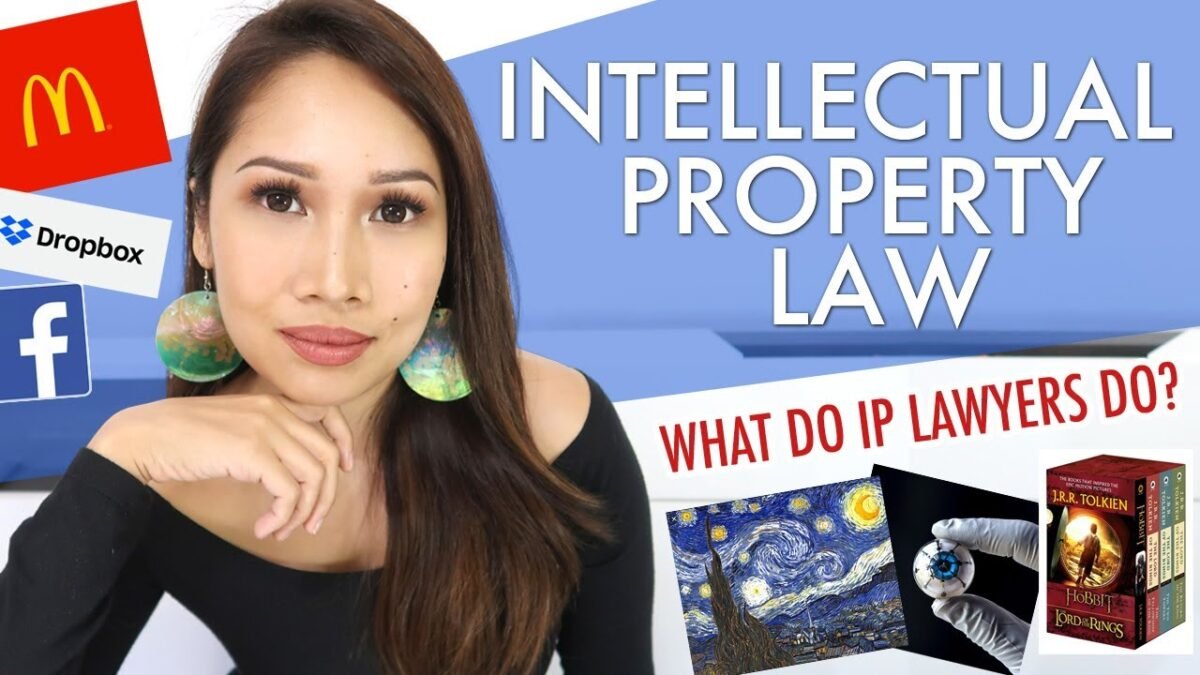
An experienced intellectual property attorney also conducts clearance searches to confirm that a new brand name or invention does not infringe on existing rights. This proactive work is often what separates a successful product launch from a costly legal battle down the road, and it is one of the main reasons growing companies keep this kind of legal counsel on retainer rather than calling only when something has already gone wrong. Beyond filings and searches, this type of legal professional also spends considerable time educating clients on what can and cannot be protected in the first place. Not every idea qualifies for formal protection, and a good attorney will explain those limits honestly rather than billing for paperwork that has little chance of being approved, which is exactly the kind of candid guidance that builds trust and keeps long-term client relationships intact.
Why Businesses and Creators Need Legal Protection Early
Many entrepreneurs wait until there is already a problem before reaching out to a qualified IP attorney. This is usually the most expensive way to handle things. Legal protection works best when it is built into the foundation of a business, not bolted on after a competitor copies a product or a trademark gets challenged.
Early legal guidance helps avoid situations where a company spends years building a brand only to discover that someone else already owns the rights to a similar name. It also protects founders during fundraising, since investors frequently ask whether intellectual property has been properly secured before committing capital. Bringing in legal expertise early is not a luxury reserved for big corporations; it is a practical safeguard for anyone serious about long-term growth, and there is also a competitive dimension that often gets overlooked. Once a product or brand gains traction, competitors are far more likely to test the boundaries of existing protections, whether through similar packaging, near-identical naming, or copied functionality, and a business that has already secured solid legal footing is in a much stronger position to respond quickly, while one that delayed protection often spends valuable time and money simply trying to prove ownership before it can even address the actual infringement.
The Different Types of Intellectual Property Explained
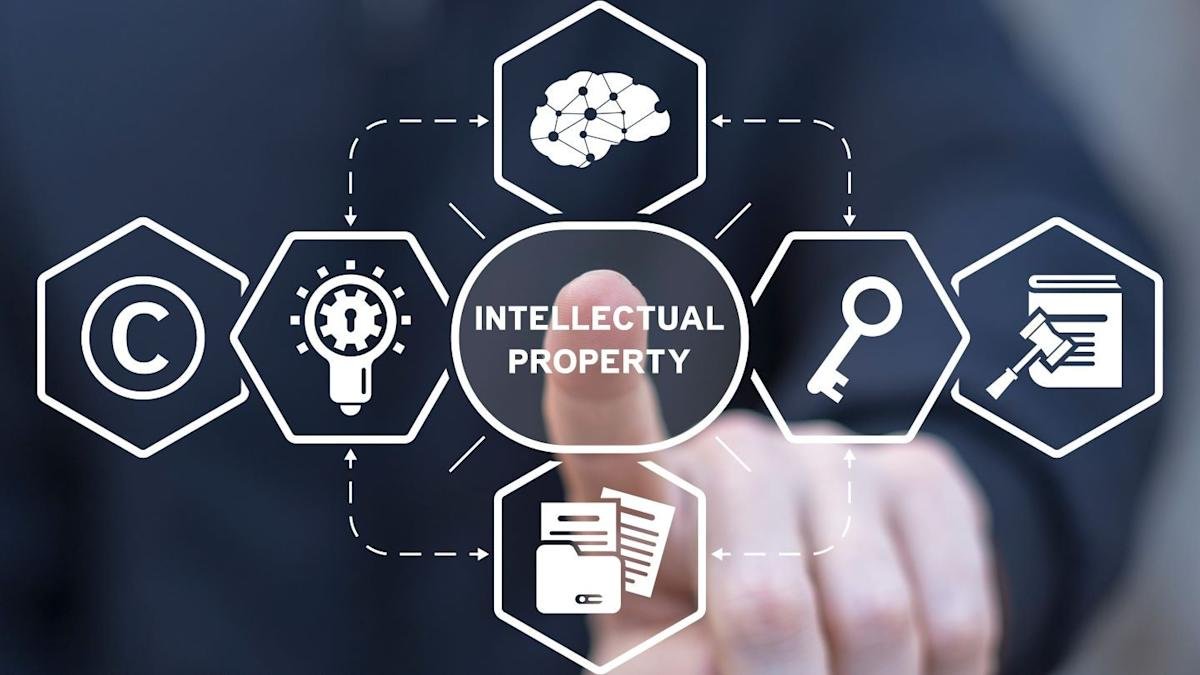
Intellectual property is a broad umbrella term that covers several distinct legal categories, and each one is handled differently. Patents protect inventions and new processes, copyrights protect original creative works like writing, music, and software code, and trademarks protect brand names, logos, and slogans. Trade secrets cover confidential business information, such as formulas or internal processes, that give a company a competitive edge.
Understanding these categories matters because the right legal strategy depends entirely on which type of intellectual property is involved. A tech startup might need help with both patents and trademarks, while a fashion brand may focus heavily on trademark and design protection. A skilled legal advisor in this field will assess your specific assets and recommend a protection strategy tailored to what you have actually created, rather than applying a one-size-fits-all approach, and it is also common for a single business to hold several types of protection simultaneously. A software company, for instance, might copyright its underlying code, trademark its product name and logo, patent a genuinely novel technical process, and treat its internal algorithms as trade secrets, since recognizing that these categories can overlap, rather than function as a single choice, often leads to a far more comprehensive and resilient protection strategy.
How to Choose the Right IP Lawyer for Your Needs
Not every legal professional in this field specializes in every area, and this is one of the most overlooked factors when people search for legal help. Some attorneys focus almost entirely on patent law, which often requires a technical or scientific background, while others specialize in trademarks, copyrights, or entertainment-related intellectual property. Choosing someone whose experience matches your specific need will save time and money, and many business owners find it useful to interview two or three legal professionals before committing, comparing not just their credentials but how clearly each one explains complex concepts in plain language.
It also helps to consider industry experience and personal rapport in equal measure. A lawyer who has worked extensively with software companies will understand nuances that a general practice attorney might miss, such as how open-source licensing interacts with proprietary code, while asking direct questions about past case experience, communication style, and fee structure during an initial consultation can reveal a lot about whether a particular intellectual property attorney is the right fit. Legal matters involving your brand or invention can stretch on for months or even years, so working with someone whose communication style matches your expectations, and whose working relationship feels right from the start, makes the entire process far less stressful.
Understanding the Cost of Hiring an IP Lawyer
Cost is often the first question people ask, and the honest answer is that it varies significantly based on the type of work involved. A straightforward trademark registration might cost a few hundred to a couple thousand dollars in legal fees, while a complex patent application with international filings can run into tens of thousands of dollars. Hourly rates for an experienced intellectual property lawyer typically range widely depending on location, firm size, and specialization, and some firms offer flat-fee packages for routine work like trademark filings, which can make budgeting easier for small businesses.
For more complex matters, such as litigation or patent prosecution, hourly billing is more common because the scope of work is harder to predict in advance. It is worth asking any prospective intellectual property attorney for a clear written estimate before signing an engagement letter, so there are no surprises once the work begins. Budgeting should also account for ongoing maintenance, not just the initial filing, since trademarks typically require renewal fees and proof of continued use at set intervals, while patents often carry maintenance fees that increase over time; treating these as one-time expenses rather than recurring obligations is a common mistake that can lead to accidentally losing protection years after the original filing was completed.
Patents Versus Trademarks Versus Copyrights at a Glance
People often confuse these three categories, so a side-by-side comparison can clarify which protection applies to which type of work. The table below breaks down the core differences in plain language, and this kind of comparison is exactly the type of question an intellectual property lawyer fields constantly from new clients, since most business owners only learn the differences once they actually need protection.
| Protection Type | What It Covers | Typical Duration | Filing Authority |
|---|---|---|---|
| Patent | Inventions, processes, and new technical methods | Generally 20 years from filing | National patent office (e.g., USPTO) |
| Trademark | Brand names, logos, slogans, and product packaging | Indefinite, with periodic renewal | National trademark office |
| Copyright | Original creative works like writing, art, music, and software | Life of author plus several decades | Automatic upon creation, registration optional |
| Trade Secret | Confidential formulas, processes, or business methods | Indefinite, as long as secrecy is maintained | No formal registration required |
Knowing which category your asset falls into before you contact an attorney can speed up your first consultation considerably, though it is worth noting that some assets do not fit neatly into a single row of this table. A mobile app, for example, might involve copyright protection for its source code, trademark protection for its name and icon, and potentially a patent if it relies on a genuinely new technical method. Treating the table as a starting point rather than a rigid checklist tends to produce a more complete and realistic protection strategy.
Common Legal Disputes an Intellectual Property Lawyer Handles
Disputes in this field can range from a simple cease-and-desist letter to a multi-year federal lawsuit. A common scenario involves trademark infringement, where one business believes another is using a confusingly similar name or logo. Another frequent issue is patent infringement, where a competitor allegedly copies a patented invention without permission or licensing.
Copyright disputes are also increasingly common in the digital age, particularly around content theft, unauthorized use of images, and software code being copied without proper licensing. An experienced intellectual property attorney will typically attempt resolution through negotiation or licensing agreements before escalating to litigation, since court battles are expensive and outcomes are never guaranteed. Knowing this distinction helps clients set realistic expectations from the very first meeting.
Why Staying Informed on Intellectual Property News Matters
Laws and regulations in this field shift more frequently than most people realize, particularly as new technology like artificial intelligence raises fresh legal questions around ownership and originality. Following intellectual property news helps business owners and creators stay ahead of changes that could directly affect their existing protections or future filings. Court rulings on AI-generated content, for example, have already reshaped how some copyright offices evaluate registration applications.
Staying current also matters for international business. Trade agreements and cross-border enforcement rules change periodically, and a company expanding overseas needs an intellectual property lawyer who tracks these shifts closely. Subscribing to legal industry updates or working with a firm that actively monitors intellectual property news can mean the difference between catching a relevant change early and missing a filing deadline because of outdated assumptions.
The Role of Licensing Agreements in Protecting Your Work
Licensing is one of the most practical tools available for monetizing intellectual property without giving up full ownership. A well-drafted licensing agreement allows one party to use a patent, trademark, or copyrighted work in exchange for payment, while the original owner retains underlying rights. This structure is common in everything from software distribution to merchandise deals.
Drafting these agreements requires careful attention to scope, exclusivity, territory, and duration, since vague language can lead to disputes years later. An intellectual property lawyer plays a critical role here, ensuring that licensing terms protect the client’s long-term interests rather than just satisfying a short-term business need. Poorly written licensing agreements are one of the most common sources of litigation in this entire legal field.
International Considerations for Global Brands and Inventions
Protection in one country does not automatically extend to another, which surprises many business owners expanding internationally. A trademark registered in the United States, for example, offers no legal protection in Europe or Asia unless separate filings are made in those regions. This is where international treaties and filing systems become relevant to day-to-day legal strategy.
Working with an intellectual property attorney who understands international filing systems, such as the Madrid Protocol for trademarks or the Patent Cooperation Treaty for patents, can streamline what would otherwise be a fragmented and expensive process. Companies planning global expansion should build international filing costs into their early-stage legal budget rather than treating it as an afterthought once growth has already happened. Skipping this step rarely saves money in the long run; it usually just delays the expense while increasing the risk of losing market territory to a faster-moving competitor.
What to Expect During Your First Legal Consultation
Walking into a first meeting with an IP attorney can feel intimidating if you are unfamiliar with legal terminology. Most reputable attorneys will start by asking detailed questions about your business, your creative work, and what specifically you are trying to protect. This initial conversation helps them determine which type of filing or strategy applies to your situation.
Expect to discuss timelines, budget, and realistic outcomes during this first meeting. A trustworthy intellectual property attorney will be upfront about both the strengths and weaknesses of your case, rather than promising guaranteed results. As one experienced practitioner put it during an industry panel discussion, “The biggest mistake clients make is assuming protection is automatic; in reality, most of intellectual property law exists because people didn’t take action early enough.”
How Technology Has Changed Access to Legal Counsel
Video consultations and digital document filing have made it far easier to connect with a qualified legal professional regardless of geography. A startup founder in a small town can now consult with a top patent specialist based in a major city without ever leaving their office. This shift has been particularly valuable for niche industries where highly specialized legal experience might only exist in a handful of firms nationwide.
Digital tools have also sped up routine processes like trademark monitoring, where software can flag potentially conflicting applications almost as soon as they are filed. This does not replace the judgment of an experienced intellectual property lawyer, but it does mean attorneys can spend less time on manual searches and more time on strategy and client communication. The combination of better technology and accessible remote consultations has made high-quality legal protection realistic for far more businesses than it was even a decade ago.
Red Flags to Watch for When Vetting a Law Firm
Not every firm that advertises intellectual property services has deep expertise in the area you actually need. One warning sign is vague language about experience, such as general claims of “handling all types of IP cases” without specific examples or named outcomes. Another is reluctance to provide a clear fee structure upfront, which can signal disorganized billing practices down the line.
It is also worth paying attention to responsiveness during the initial inquiry stage. A firm that takes weeks to respond to a simple consultation request may behave the same way once you are an active client with a pressing deadline. Checking references, reading independent reviews, and confirming bar association standing are simple steps that can prevent a frustrating and expensive mismatch later in the relationship.
Conclusion
Building something original, whether it is a product, a brand, or a piece of creative work, takes real effort and resources. Protecting that work legally is not a step to skip or delay. Working with a qualified intellectual property lawyer early in the process can prevent costly disputes, strengthen your position during business negotiations, and give you peace of mind that your work is legally secured.
The right intellectual property attorney will not just file paperwork; they will act as a long-term partner who helps you navigate an evolving legal landscape, stay informed on intellectual property news that affects your industry, and respond strategically when conflicts arise. Taking the time to choose the right legal partner today can save significant time, money, and stress in the years ahead.
FAQs
How do I know if I need an intellectual property lawyer?
If you have created a brand name, invention, piece of content, or proprietary process and want to legally protect it from being copied, it is worth consulting an intellectual property lawyer. Even a brief consultation can clarify whether formal registration or other legal steps are necessary for your specific situation.
What is the difference between an intellectual property lawyer and an intellectual property attorney?
These terms are generally used interchangeably in the United States, since both refer to a licensed legal professional who handles patents, trademarks, copyrights, and trade secrets. Some people use “attorney” in formal writing and “lawyer” in everyday conversation, but the qualifications and services offered are typically the same.
How long does it take to register a trademark or patent?
Timelines vary widely depending on the type of filing and the relevant government office’s current backlog. A trademark registration might take several months to over a year, while patent applications often take significantly longer due to technical examination requirements, which is why many people work with an intellectual property lawyer to manage expectations and timelines properly.
Can I handle intellectual property protection without hiring a lawyer?
It is technically possible to file basic trademark or copyright applications without legal help, but mistakes in these filings can be costly and difficult to fix later. Anything involving patents, licensing agreements, or potential disputes generally benefits significantly from professional legal guidance.
How do I stay updated on changes that might affect my intellectual property?
Following reliable sources of intellectual property news, including legal industry publications and updates from national patent and trademark offices, is one of the easiest ways to stay informed. Many law firms also send client newsletters highlighting changes that could directly impact existing protections or pending applications.
What happens if someone infringes on my intellectual property?
The first step usually involves your intellectual property lawyer sending a formal cease-and-desist letter, which often resolves the issue without further legal action. If the infringement continues, the next steps may include negotiation, licensing discussions, or in more serious cases, formal litigation to enforce your rights.