



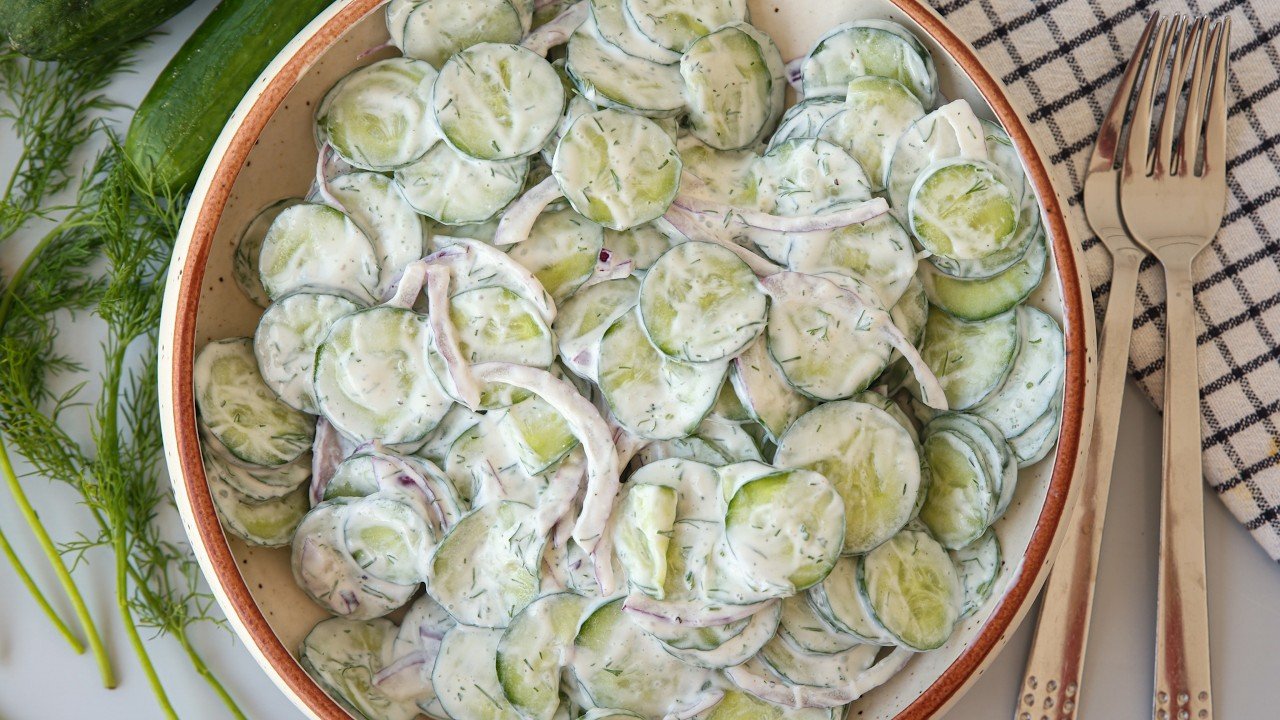
Creamy Cucumber Salad Recipe: Easy, Crunchy & Ready in 10 Minutes
Creamy Cucumber Salad Recipe: There’s something almost magical about the first bite of a really good creamy cucumber salad. The cucumbers snap, the dressing clings just right, and every forkful tastes like the easiest five minutes you’ve ever spent in the kitchen. It’s the kind of side dish that quietly steals the show at backyard barbecues, weeknight dinners, and potlucks where everyone is secretly hoping someone brings something light and refreshing.
This isn’t a fussy recipe with a long ingredient list or a dozen steps. A creamy cucumber salad is built on a handful of pantry staples, a sharp knife, and a little patience while the cucumbers chill and soften into the dressing. Once you understand the basic formula, you can riff on it endlessly, swapping in herbs, dairy bases, or a splash of vinegar to make it your own. It’s the kind of recipe that travels well between cuisines too, since cucumbers show up in some form on nearly every continent, which is part of why so many cooks eventually start comparing notes between regional styles.
Below, you’ll find everything you need to make this dish with confidence: the science behind why it works, a full recipe, smart variations, a comparison of how it stacks up against other cucumber salad styles, and answers to the questions people ask most. Whether you’re craving something close to an asian cucumber salad recipe, curious about how it compares to a japanese cucumber salad, or just want the most reliable version of classic cucumber salad, this guide has you covered.
What Makes This Dish So Irresistible
There’s a reason this dish shows up at nearly every summer cookout and family dinner table. A creamy cucumber salad hits a flavor and texture combination that’s hard to replicate with other vegetables. The cucumber itself is mild and watery, which means it acts like a sponge for whatever dressing you pour over it, while still keeping a satisfying crunch that holds up for hours in the fridge.
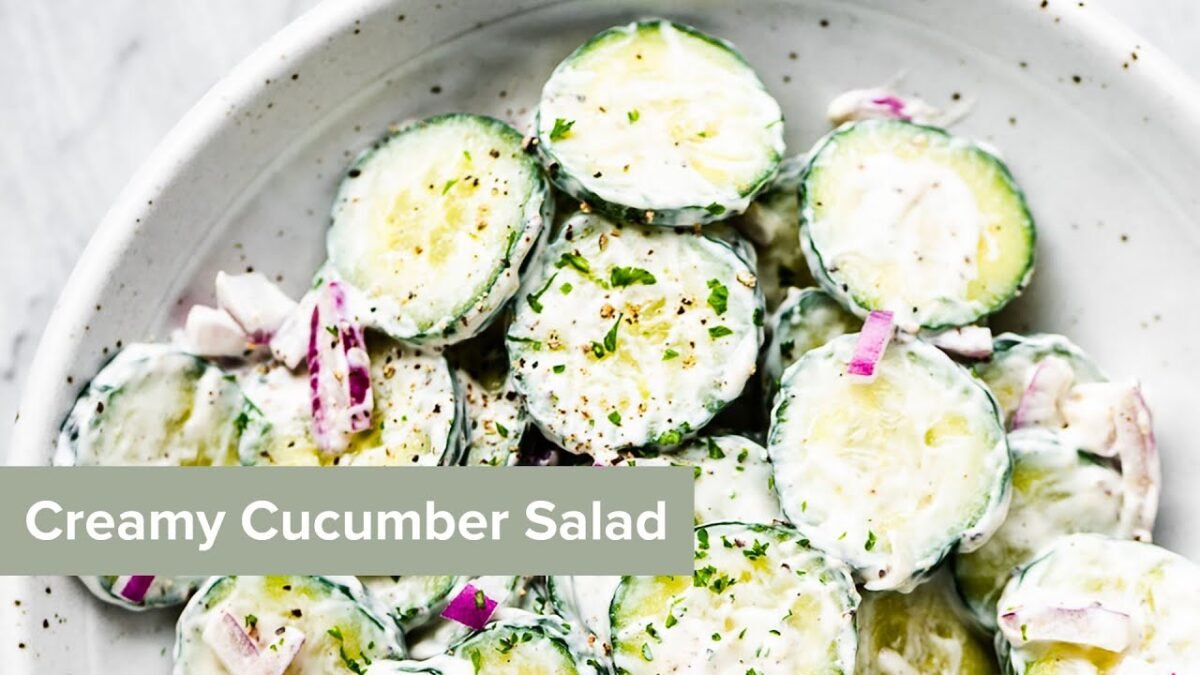
The creaminess usually comes from sour cream, mayonnaise, or a yogurt base, often brightened with vinegar or lemon juice to cut through the richness. That contrast between cool, tangy dressing and crisp vegetable is what makes the dish so addictive. It’s also incredibly forgiving: even if you’re new to cooking, it’s nearly impossible to mess up this basic recipe, which is part of why it has earned a permanent spot in so many recipe boxes.
The Best Cucumbers to Use for This Recipe
Not all cucumbers behave the same way once they hit a creamy dressing, and choosing the right variety can make or break your final dish. English cucumbers (sometimes labeled hothouse cucumbers) are a favorite for creamy cucumber salad because they have thin skin, few seeds, and a lower water content than standard slicing cucumbers, which means less dilution of your dressing. Persian cucumbers are another excellent choice, prized for their crunch and mild, slightly sweet flavor.
If you only have regular American slicing cucumbers on hand, that’s perfectly fine too, but you’ll want to peel them and scoop out the seedy center, since the skin can be tough and the seeds tend to release excess water. Salting the cucumbers and letting them sit for ten to fifteen minutes before draining is a simple trick that pulls out extra moisture, ensuring your salad stays creamy rather than watery. This small step is one of the most overlooked techniques in home cooking, yet it has an outsized impact on the final texture of the dish. Even seasoned cooks sometimes skip it when they’re in a hurry, only to end up disappointed by a pool of liquid at the bottom of the bowl an hour later, which is a fate that’s entirely avoidable with a little advance planning.
The Essential Ingredients for the Perfect Batch
A great salad like this doesn’t need anything exotic, but the ratios matter more than people realize. At its core, you need cucumbers, a creamy base (sour cream, mayo, or Greek yogurt), an acid (white vinegar, apple cider vinegar, or lemon juice), a touch of sweetness (sugar or honey), salt, and black pepper. From there, fresh dill is the classic herb pairing, though chives, parsley, or even mint can work depending on the flavor direction you’re going for.
Thinly sliced red onion or shallot adds a sharp, slightly sweet bite that balances the richness of the dressing, while a pinch of garlic powder or a small clove of fresh garlic deepens the savory notes. Some cooks like to add a spoonful of Dijon mustard for tang, or a sprinkle of paprika for color and warmth. The beauty of this dish is that the base formula is flexible enough to absorb almost any addition without losing its identity as a comforting, creamy cucumber salad.
Step-by-Step: How to Make It at Home
Start by washing and thinly slicing your cucumbers, aiming for pieces about an eighth of an inch thick so they soak up the dressing evenly without becoming mushy. If you’re using a thicker-skinned cucumber, peel it first, and if you want extra crunch insurance, lay the slices on a paper towel, sprinkle with salt, and let them rest for ten minutes before patting them dry. This step removes excess water and concentrates the cucumber’s natural flavor, setting you up for a much more flavorful final dish.
In a separate bowl, whisk together your sour cream or mayonnaise, vinegar, a little sugar, salt, and pepper until smooth, then fold in your sliced onion and chopped dill. Add the drained cucumbers to the bowl and toss gently until every slice is coated. For the best texture and flavor, cover the bowl and refrigerate for at least thirty minutes, though many people find the salad even better after a few hours, once the flavors have had time to meld together. Serve cold, give it one more gentle toss before plating, and taste for seasoning since chilled dressings sometimes need a touch more salt or acid right before serving. If the bowl looks like it’s collected a bit of liquid at the bottom after chilling, simply tilt it and spoon off the excess before bringing it to the table, which keeps every bite tasting bright rather than diluted.
Creamy Cucumber Salad vs Other Cucumber Salad Styles
Cucumber salads exist in nearly every culinary tradition, and it helps to see how the creamy American-style version compares to other popular preparations. Some lean vinegar-forward and bright, others bring in chili heat or sesame richness, and understanding these differences can help you decide which direction to take your own bowl. The table below breaks down four common styles side by side so you can see exactly where this dish fits into the broader cucumber salad landscape.
| Style | Base Flavor | Texture | Typical Add-Ins | Best Paired With |
|---|---|---|---|---|
| Creamy Cucumber Salad | Tangy, rich, mildly sweet | Crisp with a thick coating | Dill, red onion, sour cream | Grilled meats, BBQ sides |
| Asian Cucumber Salad Recipe | Savory, umami-forward | Crunchy, lightly slicked | Sesame oil, soy sauce, garlic | Noodle dishes, grilled fish |
| Japanese Cucumber Salad (Sunomono) | Light, sweet-tart | Delicate, watery-crisp | Rice vinegar, sugar, sesame seeds | Sushi, light proteins |
| Spicy Korean-Style Cucumber Salad | Bold, spicy, garlicky | Firm, slightly pickled | Gochugaru, sesame, scallion | Korean BBQ, rice bowls |
As the table shows, what sets creamy cucumber salad apart is its richness. Where an asian cucumber salad recipe typically relies on soy sauce, rice vinegar, and sesame oil for a savory-umami punch, the creamy American version leans into dairy for body and a cooling effect that pairs beautifully with smoky, grilled foods. Meanwhile, a traditional japanese cucumber salad, often called sunomono, stays light and watery-crisp, designed to refresh the palate between richer bites rather than carry a heavy dressing of its own.
How Creamy Cucumber Salad Compares to an Asian Cucumber Salad Recipe
If you’ve ever ordered cucumber salad at an Asian restaurant, you’ve likely noticed it tastes nothing like the creamy version you might bring to a potluck, and that’s entirely by design. A typical asian cucumber salad recipe skips dairy altogether, relying instead on a combination of rice vinegar, soy sauce, sesame oil, and sometimes a touch of chili oil or crushed red pepper for heat. The cucumbers are often smashed rather than sliced, which creates more surface area for the dressing to cling to and gives the salad a slightly different mouthfeel than the neat, uniform slices used in creamy preparations.
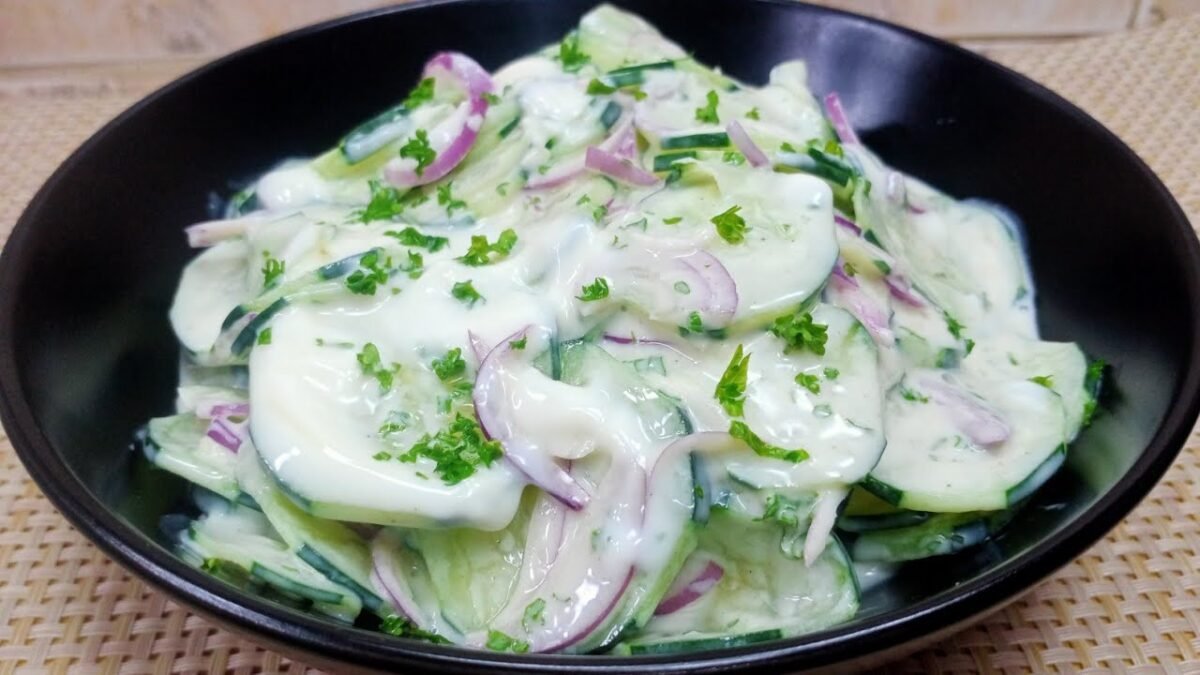
That said, the two styles share more in common than you might expect. Both rely on properly salting or draining the cucumbers first to prevent a watery final dish, and both benefit from a resting period in the fridge so the flavors can fully develop. If you love the cool, tangy concept behind this dish but want to experiment with bolder, more savory flavors, borrowing techniques from an asian cucumber salad recipe, like a quick smash-and-salt method, can actually improve your creamy version too, giving you better texture and faster flavor absorption.
Understanding Japanese Cucumber Salad and Its Lighter Profile
A classic japanese cucumber salad, known as sunomono, takes a fundamentally different approach than the creamy style most American kitchens are familiar with. Instead of a dairy-based dressing, sunomono uses a simple mixture of rice vinegar, sugar, and a small amount of soy sauce or salt, creating a light, refreshing flavor that’s meant to cleanse the palate rather than satisfy as a standalone dish. The cucumbers are typically very thinly sliced, sometimes with a mandoline, and occasionally combined with wakame seaweed or sesame seeds for added texture and umami depth.
What’s interesting is that many of the prep techniques used in japanese cucumber salad translate directly to the creamy version. Thin, even slicing and a brief salting period are just as important here as they are in any other cucumber salad style, because cucumbers release water no matter what dressing you eventually use. If you want to lighten up your usual dish for a hot summer day, borrowing the rice vinegar brightness from sunomono, even just a small splash added to your creamy dressing, can give it a fresher, more balanced finish without losing the richness people love.
Flavor Variations to Try With This Recipe
Once you’ve nailed the base recipe, there’s a lot of room to play with flavor. A classic ranch-style version swaps in ranch seasoning or fresh herbs like chives and parsley for a tangy, herby twist that pairs especially well with burgers and grilled chicken. For something with a little more bite, adding crumbled feta and fresh dill brings a Mediterranean flair, while a touch of crushed red pepper flakes can turn the same base into something with real heat.
Dairy-free eaters don’t have to miss out either, since coconut yogurt or a cashew-based cream can stand in for sour cream while still delivering that signature creamy texture. Some home cooks like to fold in thinly sliced radishes for extra crunch and color, or add halved cherry tomatoes for a juicier, more colorful presentation. A handful of toasted sesame seeds or chopped roasted peanuts can also add unexpected crunch, borrowing a page from the broader cucumber salad family without straying too far from the comforting, creamy base. No matter which direction you take it, the underlying technique of salting the cucumbers and balancing acid with richness remains the same, which is what makes this dish so endlessly adaptable.
Common Mistakes to Avoid When Making This Dish
The single biggest mistake people make is skipping the salting step entirely, which almost always results in a watery, diluted dressing within an hour of mixing. Cucumbers are roughly ninety-six percent water, and without drawing some of that moisture out first, your beautifully balanced dressing will turn thin and bland by the time you’re ready to serve. It’s a small extra step, but it’s the difference between a salad that tastes fresh on day one and day two, versus one that becomes soupy almost immediately.
Another common error is over-dressing the cucumbers before they’ve had time to chill, which can make the dish taste muted rather than vibrant. Letting the dressed cucumbers rest in the fridge allows the flavors to penetrate properly, so resist the urge to serve immediately if you have the time to spare. Finally, many people forget to taste and re-season right before serving, since chilling can mellow out salt and acid levels, and a quick adjustment at the end often makes the difference between a good batch and a truly great one.
Storing and Make-Ahead Tips for This Dish
This dish is genuinely one of the easiest make-ahead sides you can bring to a gathering, since it actually improves with a little time in the fridge. Most batches will keep well for up to two days when stored in an airtight container, though the cucumbers will continue to soften and release a bit of liquid the longer they sit. If you’re prepping a day in advance, it helps to drain off any excess liquid that pools at the bottom before serving and give everything a fresh toss.
If you know you’ll be making it further ahead of time, consider keeping the dressing and cucumbers separate until a few hours before serving, then combining them once you’re ready. This keeps the cucumbers from over-softening and ensures the texture stays closer to fresh. Freezing is not recommended for this dish, since the high water content in cucumbers causes them to turn mushy and unappetizing once thawed, losing the crisp bite that makes a well-made batch so satisfying in the first place.
What to Serve Alongside This Dish
This salad earns its reputation as a cookout staple because it pairs so naturally with rich, smoky, or heavy main dishes. Grilled burgers, barbecue ribs, and smoked brisket all benefit from the cool, tangy contrast that a well-made batch provides, cutting through fattiness in a way that feels almost essential rather than optional. It also works beautifully alongside fried chicken or fish, where the acidity in the dressing helps balance out the richness of the fried coating.
Beyond backyard cookouts, this salad fits comfortably into lighter spring and summer meals too, served alongside a simple roast chicken, a grain bowl, or even as a topping for a loaded baked potato. Because the flavor profile is mild and creamy rather than sharp or spicy, it rarely clashes with other dishes on the table, making it one of the most versatile sides you can keep in regular rotation throughout warmer months.
Final Thoughts on Mastering This Recipe
At its heart, getting this right comes down to respecting a few simple principles: choose the right cucumber, remove excess moisture before dressing, balance richness with acid, and give the flavors time to come together in the fridge. Once those basics click, you’ll find yourself making this dish on instinct rather than from a written recipe, adjusting herbs and add-ins based on what’s in season or what you’re serving alongside it.
Whether you stick to the classic dill and sour cream version or borrow techniques from an asian cucumber salad recipe or a traditional japanese cucumber salad, the fundamentals stay the same. This is a dish built for confidence in the kitchen, forgiving enough for beginners yet flexible enough to satisfy even the most particular home cooks, and that combination is exactly why this version remains a permanent fixture on tables everywhere.
FAQs
How long does it last in the fridge?
Most batches stay fresh for about two days when stored in an airtight container in the refrigerator. After that point, the cucumbers tend to release more water and soften beyond an enjoyable texture, so it’s best enjoyed within the first 24 to 48 hours for optimal crunch and flavor.
Can I make creamy cucumber salad ahead of time?
Yes, and in many cases it actually tastes better after resting for a few hours, since the flavors have more time to meld together. For the best texture, you can slice the cucumbers and prepare the dressing separately, then combine them just a few hours before serving so the dish stays crisp rather than watery.
Why is my salad watery?
This almost always happens when the cucumbers aren’t salted and drained before being mixed into the dressing, since cucumbers are mostly water and release it naturally over time. Salting the slices for ten to fifteen minutes and patting them dry beforehand solves this issue and keeps the finished dish thick and flavorful.
What is the difference between creamy cucumber salad and a Japanese cucumber salad?
Creamy cucumber salad relies on a dairy-based dressing like sour cream or mayonnaise for richness, while a traditional japanese cucumber salad, or sunomono, uses a light rice vinegar and sugar mixture for a much lighter, more refreshing result. Both styles benefit from the same prep technique of salting cucumbers first, but the final flavor profiles are quite different.
Can I use Greek yogurt instead of sour cream in creamy cucumber salad?
Absolutely, Greek yogurt is a popular substitute that adds a similar tangy creaminess while boosting the protein content of the dish. Many people find that Greek yogurt also produces a slightly lighter version of this recipe without sacrificing the rich, cooling texture the dish is known for.
Is creamy cucumber salad similar to an asian cucumber salad recipe?
They share the same core cucumber preparation, including salting and slicing techniques, but the flavor direction is quite different. An asian cucumber salad recipe typically uses soy sauce, rice vinegar, and sesame oil for a savory, umami-rich profile, whereas creamy cucumber salad leans into dairy for a rich, tangy finish that pairs especially well with grilled foods.