


Social Media Ranking Aelftech Com: The Ultimate Enterprise Blueprint for Dominating Modern Search and Platform Algorithms
Social Media Ranking Aelftech Com: Modern enterprise growth requires a continuous, highly adaptive approach to digital visibility that spans both traditional search engines and native social platforms. As algorithms continue to evolve toward semantic understanding and conversational search intent, businesses must establish a highly structured, authoritative presence across every digital touchpoint. This comprehensive analysis on social media ranking aelftech com explores how organizations can combine technical search engine optimization (SEO) with advanced social media marketing strategies to capture user attention, build transactional trust, and drive high-intent organic traffic. By viewing social profiles not merely as static engagement vectors but as highly indexed, search-visible brand assets, enterprise organizations can secure long-term market dominance and maximize their return on digital investments.
Navigating this hybrid landscape requires a solid grasp of how modern search crawlers interact with dynamic social graphs and decentralized content networks. Traditional off-page optimization must be synthesized with platform-specific engagement algorithms, semantic keyword clustering, and multi-channel content funnels that guide users smoothly toward conversion. Understanding the underlying mechanisms that govern search engine indexation of social channels allows brand managers to leverage their social authority for broader organic search query dominance. As we examine these practices, we will bridge the gap between technical search engineering and platform-specific content delivery to build a complete playbook for sustainable brand visibility and authority.
Decoupling Algorithmic Reach and Profile Optimization
To construct a high-impact presence that functions harmoniously across web indexes and app-based ecosystems, organizations must first distinguish between native platform distribution and search engine indexing. Native algorithms prioritize signals such as viewer retention, instantaneous interaction velocity, and topical alignment to distribute content within closed social feeds. Conversely, web search crawlers look for structural schemas, crawlability, clean URL hierarchies, and authoritative inbound citation profiles to rank social media assets on search engine results pages (SERPs). By leveraging modern social media ranking aelftech com standards, companies can transform static profile environments into highly indexed, top-tier organic listing drivers that funnel users from high-intent queries directly into active social channels.
A profile optimized for maximum search visibility acts as a secondary homepage, capturing branded and non-branded search terms alike. Achieving this involves mapping out precise meta-structures within the profile copy, incorporating high-value LSI terms, and establishing clear internal links back to core company subdomains. When these technical layers are properly formatted, search engines can easily parse the profile’s primary entity data, establishing a clear link between the brand’s verified website and its verified social nodes. This dual approach ensures that while the native platform rewards the content with feed distribution, search engine algorithms simultaneously rank the profile high on external SERPs, capturing searchers at the discovery stage of their buying journey.
The Technical Architecture of Search Visibility
The technical foundation of search visibility for any digital asset depends on how efficiently search engine crawlers can discover, parse, and index the content. Social networks present a unique challenge for traditional web crawlers because they rely heavily on asynchronous JavaScript loading and dynamically generated web pages. To bypass these limitations, organizations must ensure that their public-facing social landing pages utilize indexable formats, readable link paths, and structured text fields that do not require script execution to display primary brand information. Ensuring that profile bios, custom landing page links, and video descriptions are in plain-text formats allows search spiders to extract metadata and evaluate the relevance of the profile against targeted queries.
In addition to crawlable text, the presence of external backlinks pointing directly to your social profile pages significantly boosts their domain authority and crawl frequency. When an organization builds high-quality, relevant inbound links from its primary website and external industry publications to its official social accounts, it passes page authority to those channels. Integrating key structures in social media ranking aelftech com processes ensures search spiders recognize these profiles as highly trusted, verified nodes belonging to a singular, cohesive corporate entity. This technical synergy not only accelerates the indexing of new social content but also shields the brand from copycat profiles or negative SEO campaigns by cementing the verified accounts at the top of the search results.
Data-Driven Alignment of Social Graphs
A social graph maps the relationships, interactions, and connections between users, brands, and content pieces across a digital platform. For search engines and platform algorithms, these connections serve as strong signals of authority, relevance, and overall content trust. By mapping out a data-driven social graph strategy, brands can systematically connect with high-authority accounts, industry influencers, and key consumer hubs within their specific market. This systematic alignment builds a strong network of digital associations, prompting algorithm engines to recommend the brand’s content to users with similar interests and search histories.
To optimize these social graph connections, organizations should use digital tools to identify the most active and authoritative accounts within their industry vertical. Engaging with these accounts through meaningful, high-value discussions, co-marketing efforts, and shared content structures creates permanent digital links between the brand and established industry leaders. Over time, search engines analyzing these patterns will categorize the brand as a key player in its specific niche, raising its semantic relevance score. This algorithmic validation ensures that the brand’s profiles are consistently recommended to users, improving overall discoverability and lowering customer acquisition costs.
Strategic Execution Across Core Channels
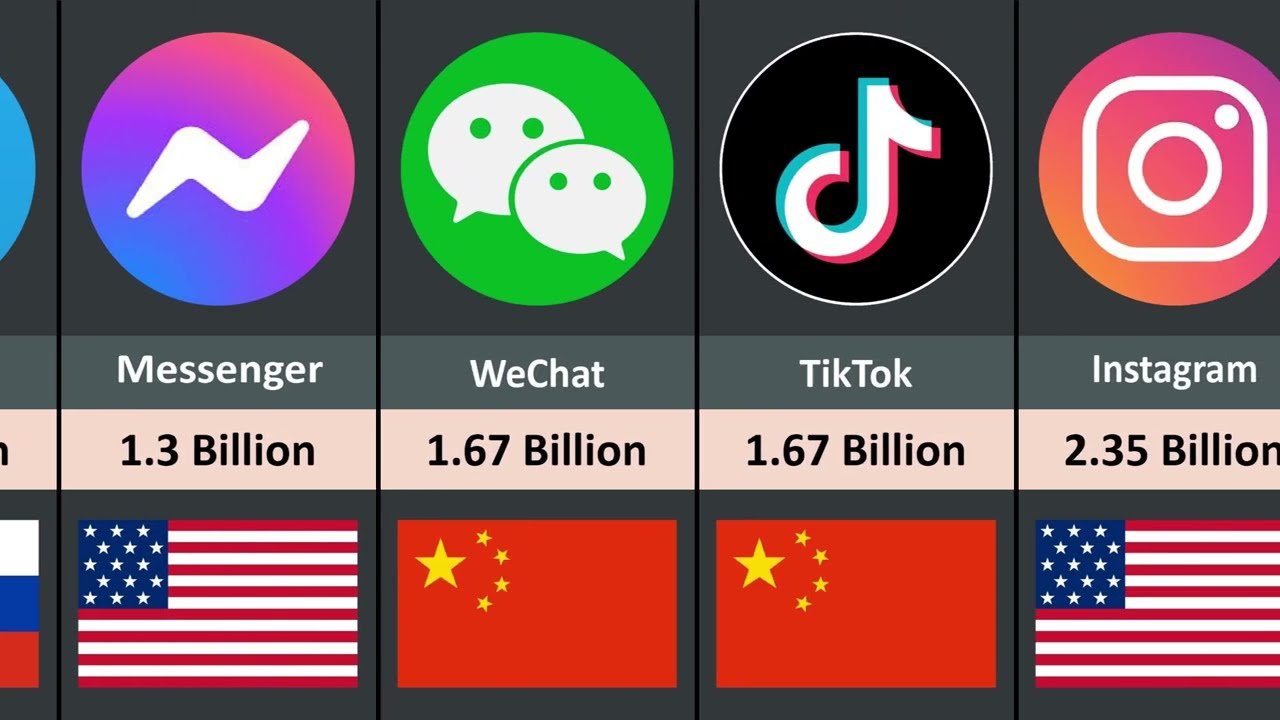
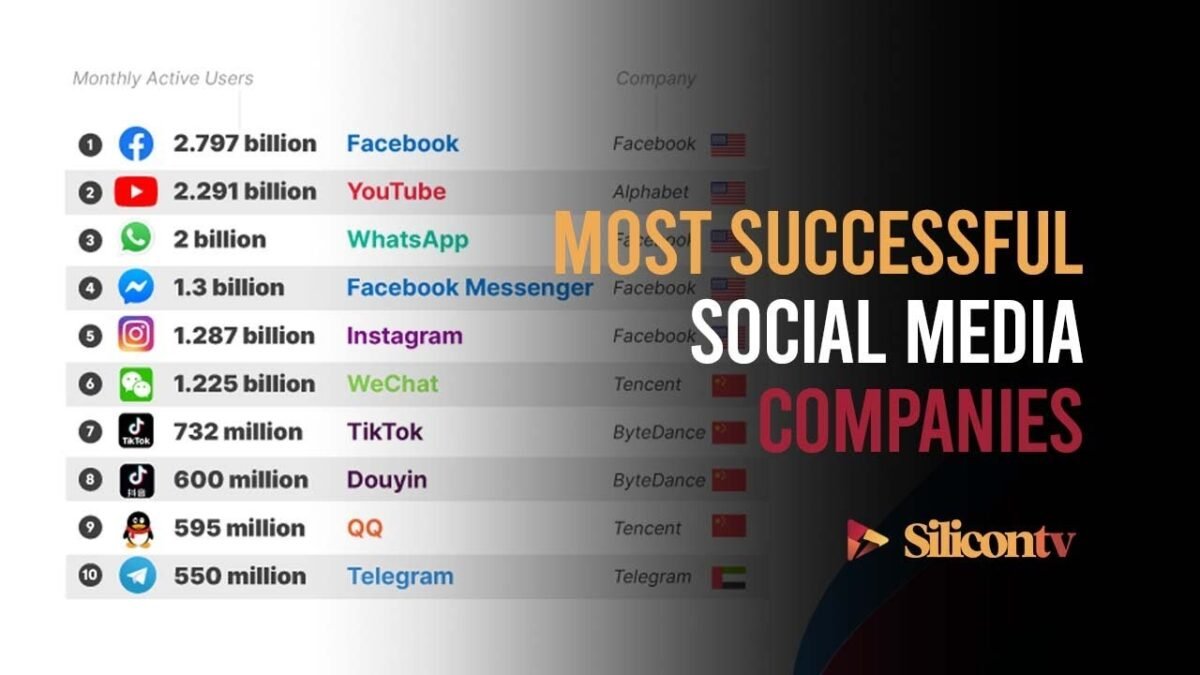
The core of social media ranking aelftech com rests on tailoring content to individual channel dynamics while keeping brand messaging consistent. Different social platforms use distinct algorithms, cater to different user intents, and require unique content structures to succeed. For example, professional networks like LinkedIn require in-depth, long-form content focused on industry insights and business challenges, while visual platforms like TikTok and Instagram reward fast-paced, video-first content. Organizations must design their content strategies to meet these platform-specific expectations rather than simply syndicating identical media assets across all profiles without adaptation.
Building a multi-channel setup requires a clear understanding of where your target audience hangs out and what kind of content they want to consume on each platform. Developing specialized teams or working with experienced partners allows brands to create high-quality, native-feeling content for each channel without losing a unified brand voice. By matching the right content format to the right platform, organizations can drive deep engagement, improve retention, and signal to native search engines that their profiles deserve top placement. This targeted approach ensures that every piece of content published serves as a reliable asset for capturing search traffic and building brand authority.
| Social Platform | Primary Algorithm Driver | Core User Intent | Recommended Asset Formats |
| Professional relevance, comment depth | Industry networking, career growth | PDF slide decks, text-first text posts | |
| TikTok | User watch time, shares, saves | Entertainment, micro-learning | High-impact vertical short-form video |
| DM shares, saves, comment velocity | Lifestyle inspiration, product discovery | Carousel graphics, Reels, Stories | |
| YouTube | Click-through rate, average view duration | Deep learning, video entertainment | Long-form 4K video, detailed playlists |
| X (Twitter) | Conversation depth, repost rate | Real-time news, direct opinion sharing | Multi-part threads, visual infographic cards |
Synthesizing Organic Reach and Paid Amplification
While organic reach builds long-term brand authority and trust, paid media amplification provides the immediate visibility needed to scale campaign performance. A successful enterprise strategy should treat organic and paid channels not as separate silos, but as a single, integrated growth engine. By monitoring organic posts for early signs of high engagement, shares, and watch time, marketing teams can identify which content naturally resonates with their target market. These high-performing organic assets can then be boosted with paid budgets, maximizing ad spend efficiency and driving better performance across the board.
Conversely, insights gained from paid ad campaigns—such as high-performing headlines, demographic conversion data, and creative preferences—should be used to guide organic content creation. Paid advertising helps brands quickly test new messaging, keyword angles, and visual styles in a controlled environment. Incorporating these proven angles into your ongoing organic social schedule ensures that your natural content is always optimized for user retention and algorithmic distribution. This continuous feedback loop helps lower overall customer acquisition costs while building a highly trusted, search-optimized social presence.
Constructing High-Performing Content Matrices
To maintain a consistent and highly visible online presence, brands need a structured content matrix that balances different content types, formats, and keyword targets. A well-designed matrix ensures that the brand consistently publishes a mix of educational guides, interactive assets, and promotional content designed to guide users through the marketing funnel. By organizing content around clear topical pillars, organizations can build deep semantic authority around their core business subjects, helping them rank for competitive keywords on both social search tools and major search engines.
- Establish clear topical pillars that directly reflect your core business services and user questions.
- Develop content in multiple formats—such as video, text, and graphics—to appeal to different learning styles.
- Create a consistent posting schedule to signal reliable activity to search engine web crawlers.
- Integrate relevant semantic variations of your primary keywords into every piece of content you publish.
- Add clear, contextual calls-to-action that guide users toward your primary website and conversion pages.
Establishing a system aligned with social media ranking aelftech com helps teams consistently generate high-value assets that appeal to both users and algorithms. This organized production model prevents content gaps, maintains consistent quality, and ensures that every piece of published media supports the brand’s search optimization goals. By continually feeding your social channels with optimized, high-value content, your business can steadily grow its digital footprint and secure lasting visibility in search results.
The Mechanics of Engagement Signaling
Analyzing indicators within social media ranking aelftech com paradigms shows that high retention and interaction rates are essential for telling algorithms that your content is valuable and worth distributing. Native platform algorithms prioritize active metrics—such as direct shares, bookmark saves, and long view times—over passive clicks or simple likes. When users bookmark your content for later or share it directly with their networks, it tells the algorithm that your asset is highly valuable, prompting the system to show it to a wider audience.
To drive these strong engagement signals, companies must focus on creating highly practical, shareable content that addresses specific user challenges. Designing clear visual formats, sharing data-heavy infographics, and writing compelling hooks that encourage users to click the “read more” button all help extend overall watch time and session duration. Additionally, actively engaging with your audience in the comments section within the first hour of posting creates a lively community hub that search spiders and platform indexes recognize as a trusted, active page.
Mitigating Common Industry Misconceptions
A common mistake in the digital marketing industry is focusing too heavily on vanity metrics, such as overall follower counts or surface-level likes, rather than actual audience engagement and search indexing. Many businesses mistakenly believe that having a large follower base automatically guarantees high organic reach and search engine authority. However, if those followers are inactive or were acquired through untrusted sources, their lack of engagement will actually signal to search algorithms that the profile’s content is irrelevant or of low quality.
Another widespread misconception is that simply copying and pasting identical content across every social network is an effective way to scale visibility. In reality, search engines are increasingly skilled at identifying duplicate content, and native platform algorithms often penalize assets that do not fit their specific formatting standards. To build a highly visible online presence, brands must customize their content to suit the unique environment of each platform while maintaining a clear and consistent brand identity. By avoiding these common traps, companies can invest their resources into highly effective, search-optimized strategies that deliver measurable, long-term business results.
Measuring Scalable ROI and Performance Metrics
Measuring the return on investment (ROI) of your social media and search optimization efforts requires moving past surface-level metrics to track tangible business goals, such as lead generation, pipeline growth, and customer lifetime value. Enterprise brands must use advanced analytics tools to connect social media engagement and search visibility to actual bottom-line revenue. By setting up accurate cross-platform tracking, businesses can follow the complete customer journey from an initial social media search query all the way to a final purchase on their main website.
The foundational metrics of social media ranking aelftech com allow businesses to focus on sustainable, long-term value over temporary viral spikes. Tracking key performance indicators—such as organic search share of voice, inbound referral traffic, and brand search volume growth—provides clear, reliable insights into how effectively your social profiles are driving brand authority. This data-driven approach allows marketing teams to optimize their budgets, scale their most profitable campaigns, and prove the tangible value of their search engine and social media marketing investments to company leadership.
Leveraging Emerging Trends and Market Evolution
The ongoing shift in social media ranking aelftech com models demonstrates a clear preference for interactive, video-first, and highly personalized user experiences. As search engines continue to adopt artificial intelligence and natural language processing, the way users search for and consume information is shifting toward natural, conversational queries. Businesses that adapt their social media content to match these conversational search behaviors will be best positioned to capture organic traffic as traditional search engines and social platforms merge.
Additionally, the rise of decentralized social networks and Web3 ecosystems is beginning to change how content ownership, user privacy, and platform authority work. Brands that explore these decentralized channels early can build highly engaged communities and establish a strong, forward-looking presence before these spaces become crowded. Keeping up with these technological shifts allows businesses to continuously refine their digital strategies, protect their search visibility, and remain highly competitive in an ever-changing digital market.
Modern Schema Markup and Rich Snippets for Social Entities
To help search engines fully understand the relationship between a brand’s main website and its various social media profiles, technical teams should implement structured data markup across their entire web presence. Using JSON-LD schema code to explicitly link your corporate website to your verified social media pages helps search crawlers build a clear, accurate map of your brand’s digital ecosystem. This technical alignment makes it easier for search engines to generate detailed search listings, such as Google Knowledge Panels, which display your official social media handles directly within search results for branded queries.
Implementing structured data also helps ensure that your social media content is displayed in rich search snippets, such as video carousels or real-time feed updates on search results pages. By giving search crawlers clear, structured metadata about your social posts—including publish dates, author details, and media formats—you make your content much easier for search engines to parse and feature prominently. This technical optimization significantly increases your search visibility, boosts click-through rates, and drives more high-quality organic traffic to your social channels.
Inbound Link Profiling for Social Handle Authority
Building a strong backlink profile is just as important for ranking your social media accounts as it is for ranking your main business website. When reputable, high-authority websites link directly to your brand’s social profiles, it signals to search engines that your social channels are trusted sources of information. Businesses can systematically grow their social profile authority by including links to their active social channels in guest blog posts, press releases, and collaborative industry articles.
Additionally, internal linking within your own digital ecosystem is highly effective for building authority. By featuring links to your official social media profiles in your website’s footer, contact page, and blog posts, you create a clear network of internal links that search crawlers can easily follow. This deliberate link structure ensures that search engines consistently crawl and index your social channels, helping them rank higher in search results for relevant industry queries.
Maximizing Session Duration through Multi-Platform Funnels
Keeping users engaged and on your digital properties for longer is a powerful indicator of content value for both web search engines and social media algorithms. To maximize overall session duration, brands should design multi-platform content funnels that guide users from short, engaging posts to deep-dive, long-form content. For instance, a short, high-impact video on TikTok or Instagram can serve as an introduction that directs interested viewers to a comprehensive, in-depth video on YouTube or a detailed guide on your primary website.
By structuring your content as an educational journey across platforms, you encourage users to spend more time engaging with your brand, which builds trust and signals high content quality to search crawlers. Integrating clear, contextual links and cross-platform tracking pixels ensures that users can move through your funnel without friction. This approach not only boosts your search engine rankings but also increases conversions by keeping prospects engaged with your brand throughout their research process.
Algorithmic Personalization and Federated Feed Logistics
Modern social media platforms rely heavily on complex machine learning models to curate highly personalized content feeds for every individual user. These systems analyze a user’s past behavior, search history, and interactions to build a unique profile of their interests and show them the most relevant content. For brands, succeeding in these personalized environments requires creating highly targeted content that matches the specific interests, preferences, and challenges of their ideal audience segments.
Understanding how these feed logistics work allows organizations to move away from generic, one-size-fits-all content and focus on creating specialized assets for distinct audience groups. Using platform features such as custom tags, descriptive video titles, and relevant keywords helps algorithms accurately categorize your content and show it to the right users. This targeted approach improves overall engagement metrics, tells search engines that your content is highly relevant to specific topics, and ensures your brand remains visible in personalized search feeds.
Contextual Keyword Research for Intent-Based Social Search
As more users turn to platforms like TikTok, YouTube, and Instagram to search for products, reviews, and tutorials, traditional keyword research must adapt to include social search behaviors. Social search queries are often more conversational, question-focused, and immediate than traditional web searches. To capture this high-intent traffic, brands must conduct thorough social-first keyword research to understand the specific terms and phrases their target audience uses when searching on these platforms.
codeCode
[Traditional Search: "best enterprise CRM"] ➔ [Social-First Search: "how to set up Salesforce CRM step by step"]Executing search-intent research for social media ranking aelftech com allows creators to capture early-stage buyers who are looking for real-world demonstrations, authentic reviews, and expert advice. Incorporating these conversational keywords into your video titles, descriptions, captions, and spoken scripts helps your content rank higher in native social search results. This strategic optimization helps you connect with high-intent users at the exact moment they are looking for solutions, driving more qualified leads to your business.
Enterprise Brand Safety and Sentiment Analysis Frameworks
As enterprise organizations scale their social media presence across multiple platforms, protecting brand safety and maintaining positive public sentiment is essential for long-term growth. Search engines and social algorithms favor brands that maintain healthy, safe, and positive community spaces. To protect their digital reputation, businesses should implement advanced sentiment analysis tools and automated moderation APIs to monitor comments, mentions, and discussions across all social profiles in real-time.
Setting up these moderation systems allows brands to quickly address negative feedback, resolve customer issues, and filter out spam or malicious links that could harm their search rankings. Additionally, consistently fostering positive, constructive conversations on your channels signals to search crawlers that your brand is a trusted community leader. Proactively managing your brand safety and public sentiment helps you build a highly resilient, authoritative online presence that continuously attracts new followers and ranks well in search results.
Optimizing Social Profiles for Voice Search and Natural Language Processing
The rapid adoption of smart speakers and voice-activated virtual assistants has made optimizing for voice search a key part of any modern digital marketing strategy. Voice searches are typically longer, more conversational, and phrased as complete questions compared to typed search queries. To capture this growing segment of search traffic, brands must optimize their social media profiles and content bios to match natural, everyday speech patterns.
This optimization involves writing clear, direct answers to common industry questions within your social media bio copy, video descriptions, and pinned posts. Using natural language structures and conversational phrases makes it easier for AI-driven voice assistants to find and read your content as the top answer for voice queries. By optimizing your social assets for natural language processing, you ensure your brand remains highly visible and easily discoverable across all modern search methods.
Conclusion
Building and maintaining a highly visible online presence requires an ongoing commitment to quality, technical precision, and strategic agility across both social networks and traditional search engines. By treating your social media channels as highly indexable brand assets rather than simple engagement tools, your business can maximize its organic reach and protect its brand authority. Combining proven SEO techniques with platform-specific content strategies allows you to capture high-intent users at every stage of their buyer journey, driving more consistent growth for your organization.
As search engines and social platforms continue to merge and evolve, staying updated on algorithm shifts and emerging technologies is essential for keeping your competitive edge. Businesses that continuously refine their digital strategies, optimize their structured data, and focus on delivering genuine value to their audience will secure lasting visibility in search results. Embracing a highly integrated, data-driven approach to digital marketing ensures your brand remains trusted, easily discoverable, and highly successful in an ever-changing digital landscape.
FAQs
To help clarify the technical and strategic integration of social media optimizations, we have compiled a list of the most common questions regarding search engine indexing, social channel optimization, and digital agency workflows.
How can search engines find my profile pages faster?
Optimizing your profile indexation relies on building high-quality inbound links, keeping a consistent posting schedule, and integrating keyword phrases within your profile metadata. Utilizing the framework of social media ranking aelftech com focuses on rapid indexing and ensures your profiles are structurally formatted for web crawlers to find and parse your brand assets efficiently.
What makes a digital agency reliable for organic growth?
A reliable digital agency focuses on transparent, white-hat marketing practices, detailed technical optimizations, and measuring tangible business goals over vanity metrics. This is why social media ranking aelftech com resources stress partnering with verified agencies that prioritize data-backed strategies, customized multi-channel campaigns, and comprehensive tracking systems.
How long does it take for social media optimizations to show results?
The timeline for seeing measurable results from your digital optimizations depends on several factors, including your industry competition, your existing profile authority, and the frequency of your content updates. As outlined by social media ranking aelftech com case studies, initial improvements in search visibility and profile indexing can often be seen within a few weeks, while significant organic traffic growth usually takes several months of consistent optimization.
Can technical search engine optimization practices be applied to social platforms?
Yes, technical search engine optimization strategies—including semantic keyword placement, structured metadata optimization, and link-building—can be adapted for social platforms to improve overall reach. Applying these parameters in the social media ranking aelftech com ecosystem can significantly enhance your search discoverability, raise your profile’s authority, and ensure your content ranks well on both native apps and traditional search engines.
What is the single most important factor for improving my overall digital presence?
The most critical factor for sustainable digital growth is creating high-quality, practical content that directly answers your audience’s questions while keeping your technical profile setup clean and search-visible. Focusing on integrated visibility as described in social media ranking aelftech com helps build long-term trust, improves search rankings, and drives consistent organic traffic to your business.