


Brunch Near Me: The Definitive 2026 Guide to Finding the Best Tables in Town
Brunch Near Me: There’s a particular kind of joy that comes from typing a search into your phone on a Saturday morning and discovering that a table is actually available nearby. It’s the meal that asks nothing of you except a little patience and an appetite. Unlike dinner, which demands planning, or breakfast, which often feels rushed before work, brunch occupies a generous middle ground where mimosas meet pancakes and nobody’s checking the clock. It is, in many ways, the most forgiving meal of the week, built for lingering rather than rushing, and that quality alone explains why so many people now plan entire weekends around it.
This guide exists because finding genuinely good brunch shouldn’t require scrolling through forty tabs, cross-referencing three apps, and still ending up at a chain restaurant with a forty-minute wait. Whether you’re hunting for a quiet corner table for two, planning a holiday gathering, or simply trying to figure out where the locals actually eat on a lazy Sunday, this resource breaks down everything that matters. We’ll cover how to search smarter, what separates an unforgettable brunch spot from a forgettable one, how seasonal events like Easter and Mother’s Day change the landscape, and what questions you should be asking before you commit to a reservation. By the end, you’ll know exactly how to find a spot that actually delivers, every single time, instead of returning the same overcrowded, overhyped option that everyone else already knows about.
Why “Brunch Near Me” Has Become One of the Most Searched Food Terms
Search behavior tells a story, and the story behind this kind of search is one of shifting priorities. A decade ago, brunch was a niche urban phenomenon, mostly confined to coastal cities and college towns, treated almost as a novelty rather than a genuine dining category. Today, it’s a cultural institution that spans suburbs, small towns, and major metros alike. People search for it constantly because brunch has evolved from a once-a-month indulgence into a weekly ritual, a business meeting format, a first-date low-pressure zone, and a celebration anchor all rolled into one single, flexible meal.
The mobile-first nature of this search also matters enormously, and it shapes how restaurants present themselves online. Unlike planning a dinner days in advance, brunch decisions are frequently made same-day, often within an hour of actually wanting to eat, which means the entire decision-making window is compressed into a fast, instinctive scroll through nearby options. This means location-based searches spike dramatically between 9 AM and 11 AM on weekends, with a secondary surge around major holidays like Easter and Mother’s Day. Restaurants and search platforms alike have noticed this pattern, which is why so many local listings now prioritize real-time availability, current wait times, and proximity over almost anything else. Understanding this shift helps explain why the smartest diners treat their search as not as a single static lookup but as an ongoing skill they refine over time, learning which filters matter and which signals to ignore.
What Actually Makes a Brunch Spot Worth the Trip
Not all brunch is created equal, and frankly, a lot of what gets labeled “brunch” is just breakfast food served a little later with a cocktail menu bolted on as an afterthought. The genuinely great spots understand something deeper: brunch is as much about pacing and atmosphere as it is about the food itself. A kitchen that rushes you through eggs benedict in fifteen minutes flat has missed the entire point of the meal, because brunch exists precisely to slow things down rather than speed them up.
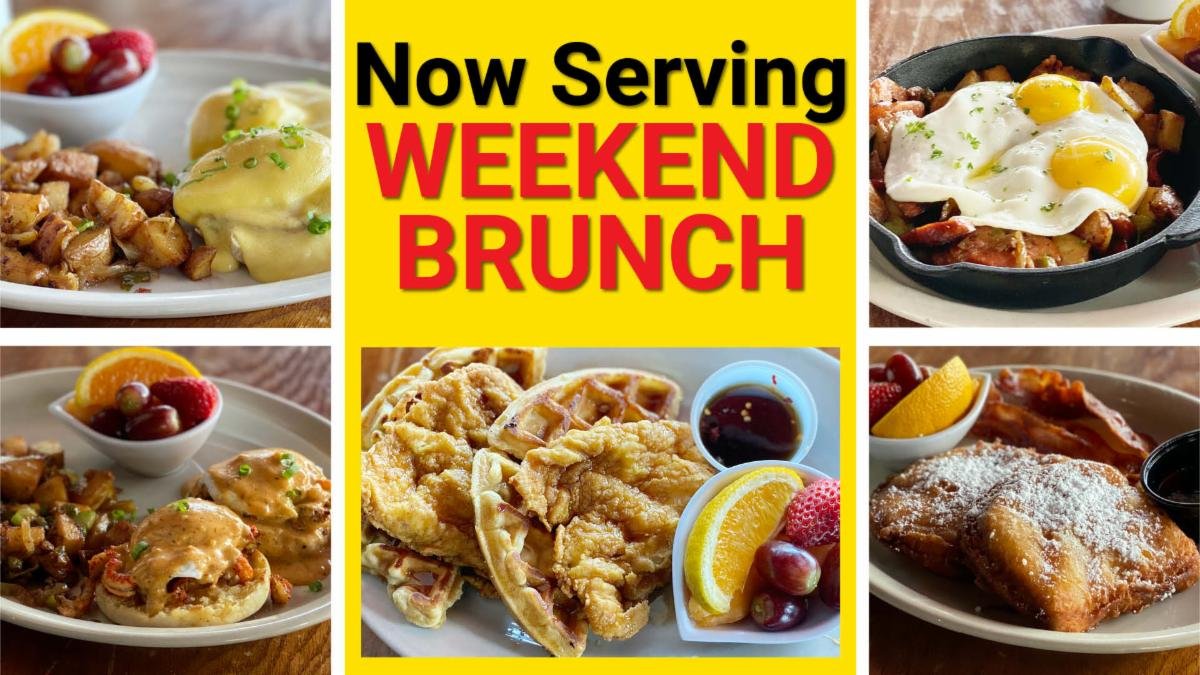
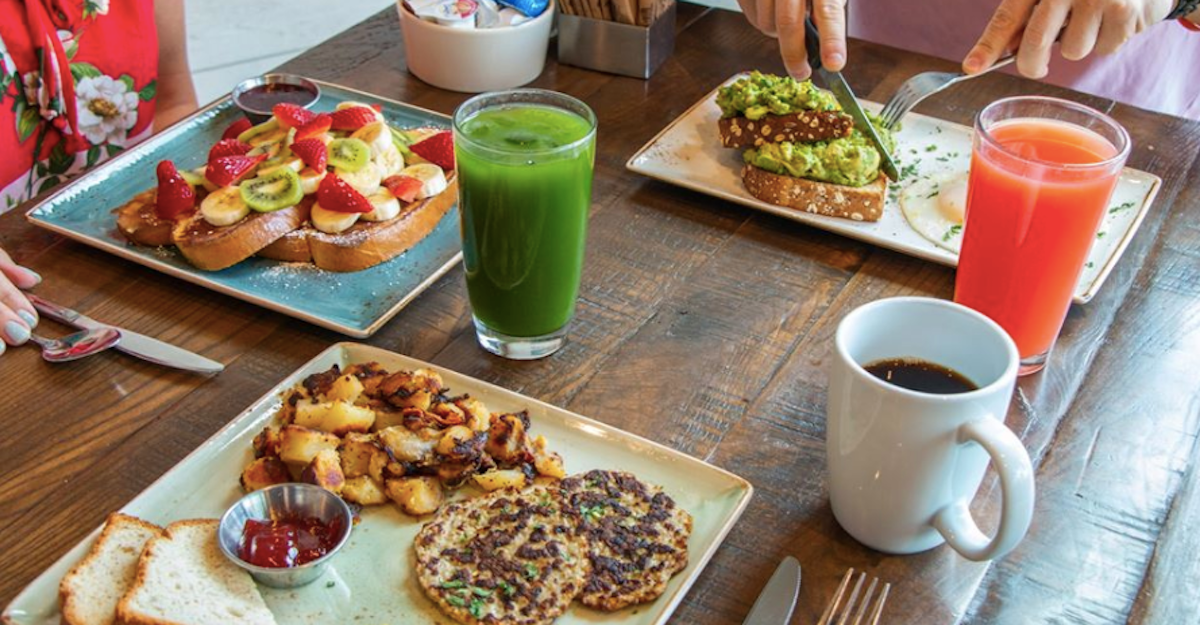
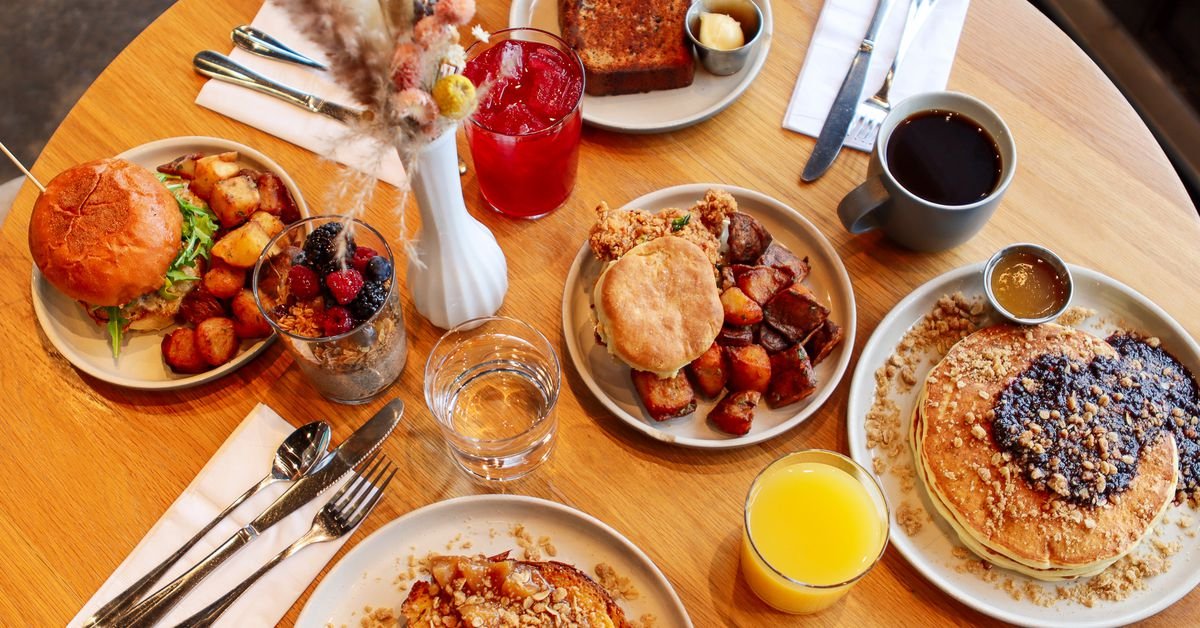
The best places tend to share a few traits that are easy to spot once you know what you’re looking for, and these traits rarely show up explicitly in a search result snippet. They offer a menu that bridges sweet and savory without feeling scattered, meaning you can order a stack of pancakes at the same table where someone else orders a steak and eggs, and both dishes feel intentional rather than like afterthoughts bolted onto an unrelated dinner menu. They also tend to have a drink program that goes beyond a basic mimosa, incorporating things like spiced bloody marys, fresh juice blends, or even savory coffee cocktails that fit the slower rhythm of the meal rather than rushing diners toward a single predictable option. When you’re evaluating any top-rated result, these are the markers that separate a memorable outing from a forgettable one, and they’re worth scanning for in photos and reviews before you ever set foot inside.
How to Search Smarter When Looking for Brunch Near Me
Most people type a search and accept whatever the top three results give them, but a slightly more strategic approach yields dramatically better outcomes over time. The algorithms behind local search results weigh a combination of proximity, review recency, photo activity, and keyword relevance, which means the “best” result isn’t always actually the best fit for what you want that particular day, even if it ranks highest overall.
One practical trick is adjusting your search radius mentally before you even open the map application. If you’re willing to drive fifteen minutes instead of five, your options often triple, and you frequently uncover hidden gems that don’t have the marketing budget to dominate the first page of results despite serving genuinely excellent food. Another smart move is filtering by “open now” combined with sorting by rating rather than distance, since proximity alone can lead you to a mediocre diner two blocks away while an exceptional spot sits a ten-minute drive further out and goes overlooked simply because of map placement. When you search, pairing these filters with a glance at recent photos, not just the curated ones from the business itself, gives you a far more honest preview of portion sizes, plating, and overall vibe than a polished marketing photo ever could.
The Anatomy of a Standout Brunch Menu
A truly well-constructed brunch menu reads almost like a short story with a clear arc from beginning to end. It opens with something light, like a seasonal fruit plate or a simple pastry basket, moves into hearty centerpiece dishes built to anchor the meal, and closes with options that feel indulgent enough to justify the lazy afternoon stretching out ahead. Restaurants that nail this structure understand that diners aren’t just hungry when they arrive, they’re looking for an experience that unfolds gradually rather than landing all at once on a single plate.
Specific dishes have become almost a litmus test for kitchen quality, and learning to recognize them gives you a shortcut for evaluating any new spot. Eggs benedict, for instance, is deceptively simple but punishing to execute well, since the hollandaise has to be silky without separating, and the poached egg needs a yolk that runs slowly rather than gushes across the plate the moment it’s cut. Similarly, a shakshuka or a breakfast burrito tells you how much attention a kitchen pays to spice balance and freshness, since both dishes expose sloppy seasoning almost immediately. When you’re comparing options for the best brunch near me, glance at the menu’s range before you even walk in, because a place offering twenty mediocre items is usually weaker than one offering eight exceptional ones executed with real care.
Easter Brunch Near Me: What Changes During the Holiday
Easter brunch occupies a special category because it blends the relaxed format of a normal weekend brunch with the formality of a holiday gathering that often involves extended family. Families that might not otherwise eat out together often choose Easter brunch as their compromise meal, since it avoids the heaviness of a full holiday dinner while still feeling celebratory enough to mark the occasion properly. This means restaurants tend to elevate their offerings significantly during this window, often introducing limited-time dishes that don’t appear on the regular menu at any other point in the year.
Searching for easter brunch near me requires a slightly different strategy than your average Saturday search, mostly because timing windows compress and demand spikes sharply. Reservations fill up weeks in advance at popular spots, and many restaurants implement a fixed-price menu specifically for the holiday rather than their usual à la carte format that diners might be used to. It’s worth calling ahead even if a listing shows availability online, since holiday staffing and special menus sometimes create discrepancies between what’s bookable through an app and what a host can actually confirm over the phone in real time. Additionally, many family-oriented restaurants add kid-specific stations, egg hunts, or small activities during Easter brunch, which is worth asking about directly if you’re bringing children, since this detail rarely makes it into online listings or photo galleries.
Mother’s Day Brunch Near Me: Planning the Most In-Demand Meal of the Year
If there’s one day that single-handedly proves how powerful the brunch format has become, it’s Mother’s Day, which routinely surprises even seasoned restaurant operators with its sheer volume. Restaurants routinely report this as one of their highest-revenue days of the entire year, frequently outpacing even New Year’s Eve in terms of covers served across a single morning and early afternoon. The demand is so intense that many establishments require reservations a month or more in advance, and walk-ins on the day itself are often turned away entirely, regardless of how early in the morning someone arrives.
This level of demand means anyone searching mother’s day brunch near me needs to act with more urgency than a typical weekend search would require. The smartest approach is locking in a reservation at least two to three weeks ahead, particularly for anywhere with outdoor seating, a view, or a reputation for elevated brunch fare that tends to book out fastest. It also helps to consider timing strategically; the 9 AM slot is dramatically easier to book than the coveted 11 AM to 1 PM window, and many restaurants offer a quieter, more relaxed experience during these earlier hours anyway, since the kitchen hasn’t yet hit its peak volume stress point for the day. Some families have started embracing a slight contrarian move here, choosing Saturday brunch instead of Sunday to honor mom without competing for the single busiest reservation slot of the entire calendar year.
Weekday Versus Weekend Brunch: An Underrated Distinction
Most people assume brunch is strictly a weekend phenomenon, but a growing number of restaurants now offer it on weekdays too, and the experience differs in ways that genuinely matter for anyone willing to notice. Weekday brunch tends to attract a different crowd entirely, including remote workers looking for a change of scenery, retirees who prefer quieter dining rooms, and small groups celebrating something low-key on a Tuesday rather than fighting weekend crowds for a table.
The practical advantage here is significant for anyone flexible enough to take advantage of it, and it’s an angle most casual diners never even consider. Wait times shrink dramatically, kitchens tend to operate with more bandwidth to handle special requests or substitutions without slowing down the entire dining room, and pricing occasionally dips slightly compared to weekend premiums at certain establishments that run midweek specials. If your search keeps returning fully-booked results on a Saturday, shifting your plans to a Wednesday or Thursday morning often unlocks the exact same menu with none of the frustration, and you get the added bonus of a host staff that has more time to chat about recommendations rather than rushing through a packed dining room at full capacity.
Comparing Common Brunch Formats: A Structured Breakdown
Understanding the different formats restaurants use for brunch helps you set the right expectations before you even arrive at the door. Some places run a strict prix-fixe model with a set number of courses, others offer an open buffet where pacing is entirely self-directed, and many simply extend their regular breakfast and lunch menus into a combined offering without changing the underlying structure at all. Each format comes with distinct tradeoffs in price, variety, and overall pacing that are worth understanding before you book.
The table below breaks down the most common brunch formats you’ll encounter when searching locally, along with what each one tends to mean for your wallet and your schedule on any given visit.
| Brunch Format | Typical Price Range | Best For | Pacing | Reservation Difficulty |
|---|---|---|---|---|
| À la carte menu | $12–$28 per dish | Solo diners, couples, flexible groups | Moderate, dish-dependent | Low to moderate |
| Buffet-style brunch | $25–$55 per person | Large families, holiday gatherings | Self-paced, grazing style | Moderate to high on holidays |
| Prix-fixe holiday menu | $35–$75 per person | Easter, Mother’s Day, special occasions | Structured, course-by-course | High, often weeks ahead |
| Bottomless brunch | $30–$50 per person | Celebrations, group outings | Extended, social pacing | Moderate, time-limited slots |
| Counter-service brunch | $8–$18 per item | Quick solo meals, takeout | Fast, minimal wait | Low, walk-in friendly |
This kind of structural awareness changes how you search and what you filter for once you start looking. If you know you want a leisurely three-hour experience with unlimited drinks, you’re filtering for bottomless brunch specifically rather than just searching broadly and hoping the right format happens to surface near the top.
The Role of Atmosphere in Choosing Where to Eat
Food quality gets most of the attention in reviews, but atmosphere is often the deciding factor in whether people return to a brunch spot or treat it as a one-time visit they never repeat. Lighting matters more than people realize; a dining room flooded with natural sunlight creates an entirely different emotional register than one lit with dim, moody fixtures more suited to dinner service later in the day. Brunch, by its nature, photographs and feels best in bright, airy spaces that match the energy of a slow weekend morning.
Noise level deserves equal consideration, particularly for anyone searching with a specific occasion in mind rather than a generic outing. A space packed with communal tables and an open kitchen generates energy that’s perfect for a group celebration but can feel overwhelming for an intimate conversation between two people catching up after months apart. As one longtime restaurant consultant put it during an industry panel discussion on hospitality trends, people don’t just remember what they ate at brunch, they remember how the room made them feel while they ate it. That insight captures something search engines can’t easily quantify but that absolutely shapes repeat visits and word-of-mouth recommendations far more than any single dish ever could.
Reading Reviews Like a Professional, Not a Casual Browser
Star ratings alone tell you almost nothing useful, despite how heavily most people rely on them when scanning a results page. A 4.3-star average could mean a wildly inconsistent kitchen with passionate fans and harsh critics evenly split, or it could mean a reliably good experience that simply never wows anyone enough to leave five stars in either direction. The real information lives in the written reviews themselves, and learning to read them efficiently saves enormous time over the long run.
Look specifically for reviews mentioning wait times during peak hours, since this detail predicts your actual experience far better than the overall star average ever will. Also pay attention to how recently reviews were posted; a restaurant that earned glowing feedback two years ago may have changed ownership, chefs, or quality entirely since then without anyone updating the listing. When narrowing down your options, prioritize reviews from the last three to six months over older ones, and specifically search within reviews for mentions of the dish you’re most excited about trying, since generic five-star reviews rarely tell you whether the specific thing you want is actually done well at that particular kitchen.
Common Misconceptions About Finding Good Brunch
A surprising number of people assume that higher prices automatically signal a better brunch experience, but this correlation is far weaker than most assume when you actually compare plates side by side. Plenty of overpriced spots coast on location and aesthetics while serving forgettable food, while modest neighborhood diners sometimes produce the most memorable dishes in town using technique and care rather than expensive ingredients or trendy presentation. Price tells you almost nothing about whether a kitchen actually understands how to balance a plate or season a dish properly.
Another widespread misconception involves the assumption that the most popular result in a search is automatically the most appropriate choice for your specific needs that day. Popularity often reflects marketing budget, social media presence, or sheer luck in algorithmic visibility just as much as it reflects genuine food quality or service consistency. A restaurant ranking on page one for a typical search might be excellent, or it might simply have invested heavily in search optimization while a quieter, better spot sits on page two without anyone noticing. Treating search rankings as a starting point rather than a verdict leads to dramatically better outcomes for anyone willing to dig a little deeper before committing.
Seasonal Trends Shaping the Modern Brunch Landscape
Brunch menus have shifted noticeably over the past several years, reflecting broader changes in how people eat and what they expect from a weekend meal. There’s been a clear movement toward globally inspired dishes appearing alongside traditional American staples, meaning you’re now just as likely to see shakshuka, congee, or chilaquiles on a brunch menu as you are to see classic pancakes and bacon sitting right next to them. This diversification has made the category richer and far less predictable than it was a decade ago, when most menus looked nearly identical from one restaurant to the next.
Sustainability concerns have also reshaped sourcing practices at many forward-thinking establishments, with more restaurants highlighting local farm partnerships directly on their menus rather than burying that information in a separate sustainability page online that nobody reads. This matters for search behavior too, since diners increasingly filter their searches not just by location but by more specific qualifiers like farm-to-table options or vegan availability, signaling that the category continues to fragment into specialized niches that traditional search engines are only beginning to fully index and surface accurately. As this fragmentation continues, restaurants that clearly communicate their sourcing and dietary range online will likely capture a growing share of increasingly specific, intent-driven searches.
Group Brunch Logistics: Solving the Coordination Problem
Organizing brunch for a large group introduces logistical challenges that a solo diner or couple never has to think about when making a quick reservation. Splitting checks, accommodating varied dietary restrictions, and simply getting everyone to agree on a location all become exponentially harder as the group size grows past four or five people. A restaurant that handles solo diners beautifully might completely buckle under the pressure of a twelve-person reservation if their kitchen and service model weren’t designed for groups in the first place.
The most reliable solution involves calling ahead directly rather than relying solely on an online reservation system, since many platforms cap online bookings at six or eight people even when a restaurant can technically accommodate larger parties through direct staff coordination behind the scenes. It’s also worth asking specifically whether the restaurant offers a shared appetizer format or family-style serving option for larger groups, since this single detail can transform an awkward, slow-moving meal into a genuinely communal experience that feels intentional rather than chaotic. For anyone planning a milestone celebration, sending the host a message ahead of time about dietary restrictions within the group prevents the frustrating scramble that often happens when a server discovers a severe allergy only after orders have already been placed and the kitchen has started cooking.
Pricing Psychology and What You’re Actually Paying For
Brunch pricing confuses a lot of diners because it doesn’t map cleanly onto either breakfast or lunch pricing models that people are more familiar with from everyday meals. A twenty-dollar plate of eggs might feel outrageous compared to a diner breakfast, but that price often reflects labor costs during a notoriously difficult shift to staff, premium ingredient sourcing, and the simple economics of a meal that historically generates lower margins than dinner service despite higher footfall throughout the morning.
Understanding this pricing logic helps you make smarter choices rather than simply chasing the cheapest option you happen to find first. A restaurant charging slightly more for brunch but including bottomless coffee, a complimentary side, or generous portion sizes often delivers better overall value than a cheaper competitor that nickel-and-dimes every single add-on down to the last refill. When evaluating results from a typical search, look past the headline price on the menu and consider what’s actually included in that price, since the true cost per person frequently differs significantly from what the menu price alone might suggest at first glance.
Dietary Accommodations: A Growing Priority in Brunch Culture
The brunch category has become notably more accommodating of dietary restrictions over recent years, partly because the meal’s flexible structure makes substitutions easier than they would be for a tightly plated dinner course built around a single protein. Gluten-free bread options, dairy-free milk alternatives for coffee, and clearly labeled vegan dishes have moved from rare specialty items to near-standard expectations at most reputable establishments across nearly every price point.
This shift matters enormously for anyone searching with specific dietary needs in mind, since a restaurant’s willingness to accommodate often correlates directly with how seriously they take the overall dining experience as a whole. A kitchen that proactively offers a gluten-free pancake alternative without requiring an awkward negotiation at the table signals genuine hospitality rather than mere compliance with a trend. When checking options for a dietary-friendly spot, scanning the menu in advance for dietary labeling, or simply calling to ask about cross-contamination practices for severe allergies, prevents an uncomfortable situation that no amount of search optimization can fix once you’re already seated and the order has gone in.
The Hidden Value of Off-Peak Reservation Times
Most people gravitate toward the same narrow reservation window, typically between 10:30 AM and noon, which creates a bottleneck that drives up wait times and stresses kitchens beyond their comfortable capacity on any given weekend. Shifting your reservation even thirty minutes earlier or ninety minutes later often results in a dramatically smoother experience without sacrificing menu access or quality in any meaningful way.
Restaurants frequently reserve their best service energy for these less crowded windows simply because servers and kitchen staff aren’t yet stretched thin by the rush. A 9 AM reservation often means your server has time to genuinely recommend dishes rather than rushing through a scripted greeting between four other tables, and a 1:30 PM seating frequently catches the tail end of brunch when the kitchen has more bandwidth for special requests and substitutions. This single strategic shift, more than almost any other tactic, consistently improves the experience for anyone willing to adjust their search slightly outside the most obvious peak hours that everyone else is competing for.
What Locals Know That Tourists and Newcomers Don’t
Every city has an unspoken brunch hierarchy that rarely surfaces clearly in online search results, no matter how thorough the search happens to be. Locals often avoid the most Instagram-famous spots entirely, not because the food is bad, but because the wait times and crowds make the experience more stressful than enjoyable for a meal that’s supposed to be relaxing. Instead, they gravitate toward quieter neighborhood establishments that consistently deliver without ever going viral or attracting an influx of out-of-town visitors.
Tapping into this local knowledge requires looking slightly beyond the obvious top search results that dominate the first page. Neighborhood Facebook groups, local subreddits, and even asking a barista or bartender at a nearby coffee shop for their honest recommendation often surfaces options that never crack the first page of a typical search despite serving genuinely excellent food. These hidden gems frequently offer better value, shorter waits, and a more authentic sense of place than the heavily marketed spots dominating paid search results and influencer feeds that prioritize aesthetics over substance.
How Photos and Visual Content Shape Brunch Decisions
Brunch is arguably the most photographed meal of the week, and that visual culture has fundamentally changed how restaurants design their menus and plate their dishes for the camera as much as for the palate. A stack of pancakes drizzled artfully with syrup, a perfectly poached egg cut open to reveal a runny center, or a vibrant acai bowl arranged with precision all serve a dual purpose now, satisfying hunger while also generating the kind of shareable content that drives organic visibility on social platforms and, indirectly, search rankings as well.
This visual emphasis can work both for and against diners trying to make a genuine decision. On one hand, photo-heavy listings give you a far more honest preview of portion size, plating quality, and overall presentation than a text description ever could on its own. On the other hand, the most photogenic dish on a menu isn’t always the most delicious one, and restaurants sometimes invest disproportionate effort into a single Instagram-worthy item while neglecting the rest of their offerings. Learning to look past the single hero photo on a listing, and instead browsing a wider gallery of diner-submitted images, gives a far more balanced sense of what an entire meal there actually looks and tastes like before you commit to a reservation.
The Economics Behind Why Brunch Prices Keep Rising
Anyone who has eaten brunch regularly over the past several years has likely noticed prices creeping upward, and understanding why helps put that trend into context rather than simply feeling frustrated by it every time the check arrives. Ingredient costs for brunch staples like eggs, dairy, and quality coffee have experienced real volatility, and because brunch menus rely so heavily on these specific items, even modest price increases at the supplier level ripple through quickly into what a kitchen has to charge to stay profitable.
Labor economics play an equally significant role in this upward trend, often more so than ingredient costs alone. Brunch shifts are notoriously difficult to staff because they require early arrival, a compressed service window, and the kind of sustained intensity that few other shifts demand in such a short span of time. Restaurants increasingly pay premium wages to retain experienced brunch staff, and that cost inevitably shows up on the menu in the form of higher prices across nearly every dish. Recognizing this dynamic helps reframe rising prices not as price gouging but as a reasonably predictable response to genuine cost pressures within an industry operating on historically thin margins.
Solo Brunch: An Increasingly Popular and Underrated Choice
Eating brunch alone carries a stigma that simply doesn’t hold up under scrutiny, and a growing number of restaurants have started actively designing their spaces to welcome solo diners rather than treating them as an afterthought squeezed into a leftover two-top near the kitchen. Counter seating, communal tables, and bar-adjacent brunch service have all expanded specifically to accommodate the rising number of people who want a quiet, unhurried meal without needing to coordinate schedules with anyone else.
The appeal of solo brunch extends well beyond convenience, even though convenience alone would justify it for many people. There’s a particular kind of mental reset that comes from sitting alone with a good meal, a newspaper or book, and absolutely no obligation to make conversation unless you feel like it that morning. Restaurants that understand this appeal often design their solo-friendly seating with this exact experience in mind, positioning counter seats near natural light or interesting kitchen activity rather than tucking them away in a forgotten corner. For anyone hesitant to eat out alone, brunch remains one of the lowest-pressure entry points into solo dining precisely because the format already assumes a relaxed, unhurried pace that removes much of the social anxiety associated with dining solo at dinner.
Brunch as a Business and Networking Format
The traditional power breakfast has increasingly given way to a more relaxed brunch meeting, particularly among professionals who value the extra flexibility that a longer time window provides over a rushed seven o’clock coffee meeting. A nine o’clock breakfast meeting carries an inherent rigidity that a ten-thirty brunch simply doesn’t, since brunch naturally accommodates a slightly later start and a more generous pace that doesn’t feel like it’s eating into the actual workday.
This shift has practical implications for how professionals approach their searches when scouting a location for a meeting rather than a purely social outing. Noise level becomes a far more important filter for a business conversation than it would be for a casual catch-up with friends, since a loud, bustling dining room makes it difficult to discuss anything substantive without raising your voice repeatedly. Restaurants that offer quieter sections, private booths, or a calmer overall atmosphere during the early part of brunch service have become increasingly popular among professionals specifically because they bridge the gap between informal hospitality and the kind of focused conversation that a real business discussion requires.
Family-Friendly Brunch: What Parents Should Actually Look For
Bringing children to brunch introduces a distinct set of priorities that differ meaningfully from what a couple or solo diner might care about most when searching for a spot. Beyond simply checking whether a restaurant has a kids’ menu, parents benefit from looking specifically for details like high chair availability, changing table access, and whether the dining room’s noise level naturally absorbs the inevitable disruptions that come with younger children at the table.
Timing also plays a much larger role for families than it does for other diners, since young children often eat on a schedule that doesn’t always align neatly with the busiest brunch hours. Many family-friendly establishments have started offering earlier seating specifically to accommodate this reality, opening their doors as early as eight in the morning to capture families who want to beat both the crowds and their children’s inevitable mid-morning meltdown. When evaluating options with kids in mind, it’s worth checking not just the menu but also recent reviews specifically mentioning family visits, since these reviews tend to surface practical details about wait times, seating comfort, and staff patience that a general review might never mention at all.
Building a Personal Brunch Rotation Instead of Searching Every Time
The most efficient long-term solution to the endless cycle of searching isn’t actually about finding one perfect answer; it’s about building a small rotation of reliable go-to spots suited to different moods and occasions throughout the year. Having three or four dependable options, each suited to a different scenario, eliminates the decision fatigue that comes from starting from scratch every single weekend without any prior reference point to fall back on.
A practical approach involves categorizing your favorites by purpose rather than simply by overall quality ranking on a single list. One spot might become your default for a quick solo brunch before errands, another might be reserved specifically for celebratory group occasions that call for a livelier atmosphere, and a third might be your go-to for holiday brunches when reservations book out weeks in advance and familiarity with the booking process becomes genuinely valuable. This kind of personal categorization transforms the entire search experience from a recurring small problem into a settled, almost effortless part of your routine, freeing up mental energy for actually enjoying the meal rather than endlessly evaluating options before you’ve even left the house.
Final Thoughts on Finding Your Ideal Brunch Spot
Finding consistently great brunch isn’t really about luck or even about having access to the fanciest restaurants in town. It’s about understanding the small details that separate an average meal from a genuinely memorable one, and applying a bit of strategic thinking to how and when you search for it. From recognizing the difference between a rushed Sunday rush hour and a relaxed Tuesday seating, to knowing exactly when to book ahead for high-demand days like Easter or Mother’s Day, the diners who consistently enjoy excellent brunch are simply the ones who’ve learned to search a little smarter than everyone else around them.
This guide has walked through the full landscape, from menu anatomy and pricing psychology to the hidden value of off-peak hours and the quiet wisdom locals carry that rarely surfaces in a typical search result. Armed with this knowledge, your next search won’t just return a list of nearby options; it’ll return a list you actually know how to evaluate, compare, and confidently choose from without second-guessing yourself. That shift, more than any single restaurant recommendation, is what transforms brunch from a recurring small frustration into one of the most reliably enjoyable parts of your entire week.
FAQs
How do I find the best brunch near me without relying on outdated reviews?
Filter your search results by review recency rather than overall star rating alone, and prioritize listings updated within the last few months rather than years-old feedback. Cross-referencing a quick local search with recent photos posted by actual diners gives a far more honest sense of current quality than relying solely on an aggregate score that might include outdated information.
How far in advance should I book easter brunch near me?
Popular restaurants typically fill their Easter brunch reservations two to four weeks before the holiday, especially for the most desirable late-morning time slots that book up fastest. Booking as early as possible, even before menus are finalized, secures your spot while leaving flexibility to adjust your order once the holiday menu is officially published.
What makes mother’s day brunch near me so much harder to book than a typical weekend?
Demand for Mother’s Day brunch consistently ranks among the highest of any single dining day throughout the year, often surpassing other major holidays in terms of reservations and walk-in volume combined. This surge means restaurants frequently require advance bookings of three to four weeks, particularly for prime late-morning seating, making early planning genuinely essential rather than optional.
Is bottomless brunch worth the extra cost compared to à la carte options?
Bottomless brunch tends to offer better value specifically for groups planning an extended, leisurely meal that includes multiple drinks over a few hours of sitting together. For solo diners or anyone planning a quick meal, however, the time-limited format and higher base price usually make standard à la carte ordering the more economical and practical choice overall.
How do I know if a brunch spot accommodates dietary restrictions before I arrive?
Most reputable restaurants now clearly label vegan, vegetarian, and gluten-free options directly on their published menu, which you can typically review online before booking anything. For severe allergies or cross-contamination concerns, calling ahead directly remains the most reliable way to confirm specifics that a printed menu alone simply can’t address in full detail.
Does searching brunch near me on a weekday actually return different results than a weekend search?
Yes, results can shift noticeably based on the day and time, since many restaurants adjust their hours, menu availability, and even staffing between weekday and weekend service in ways that aren’t always obvious. Checking real-time hours directly on a restaurant’s profile, rather than assuming weekend availability applies every day, prevents the disappointment of arriving somewhere that’s quietly closed for brunch that particular day.