


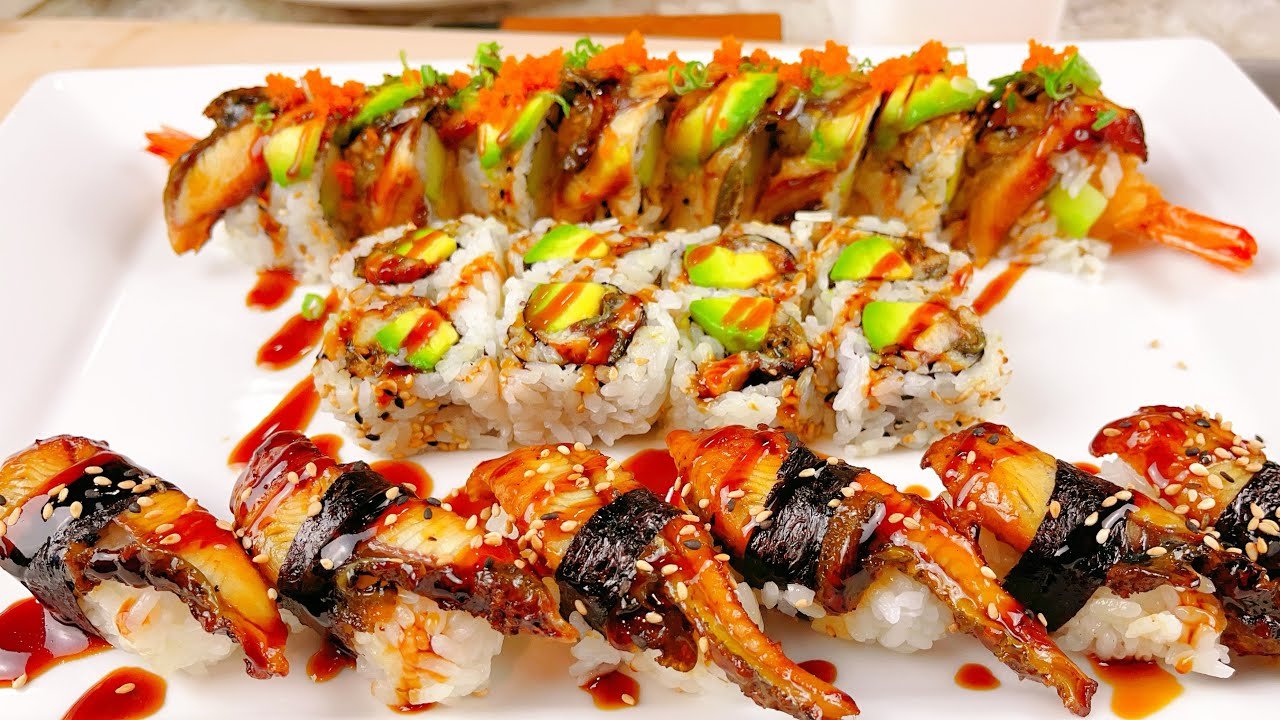
Sushi Nigiri Eel Near Me: How to Find the Best Unagi in Your City
Sushi Nigiri Eel Near Me: If you’ve ever caught yourself searching “sushi nigiri eel near me” late at night with a craving you can’t quite shake, you’re far from alone. There’s something about that warm, glazed slice of eel resting on a small mound of vinegared rice that pulls people back again and again. It’s sweet, savory, slightly smoky, and unlike almost anything else on a sushi menu, since it’s typically served warm rather than cold like most other nigiri options.
This guide is built to help you actually find the best version near you, not just the closest one. We’ll walk through what eel nigiri really is, how to tell a great piece from a mediocre one, what ingredients and preparation methods signal quality, what to expect price-wise, and how to navigate menus so you order with confidence. By the end, your next search for sushi nigiri eel near me will feel a lot less like guesswork and a lot more like a strategy.
What Exactly Is Eel Nigiri and Why Is It So Popular
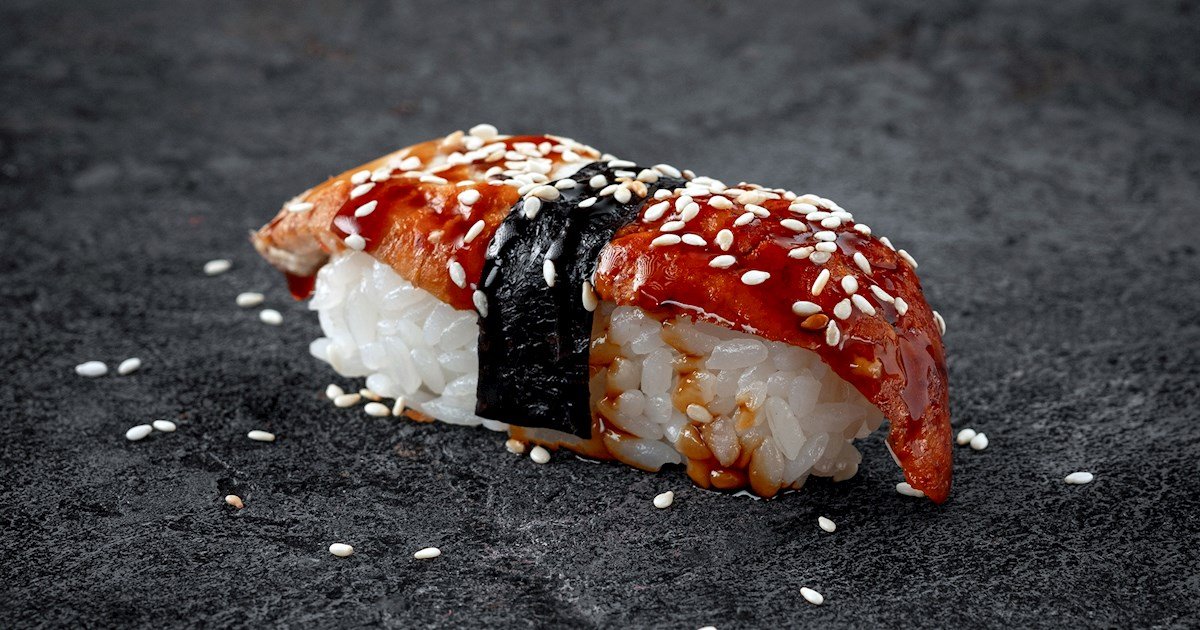
Eel nigiri, often labeled as unagi nigiri on Japanese menus, features a fillet of grilled freshwater eel brushed with a sweet soy-based glaze called nitsume or unagi sauce, served atop a small hand-pressed mound of seasoned sushi rice. Unlike raw fish nigiri, eel is always cooked, which makes it an approachable entry point for people who are still warming up to the idea of sushi. The texture is soft and almost custard-like, while the glaze adds a caramelized sweetness that balances beautifully against the slight tang of the rice.
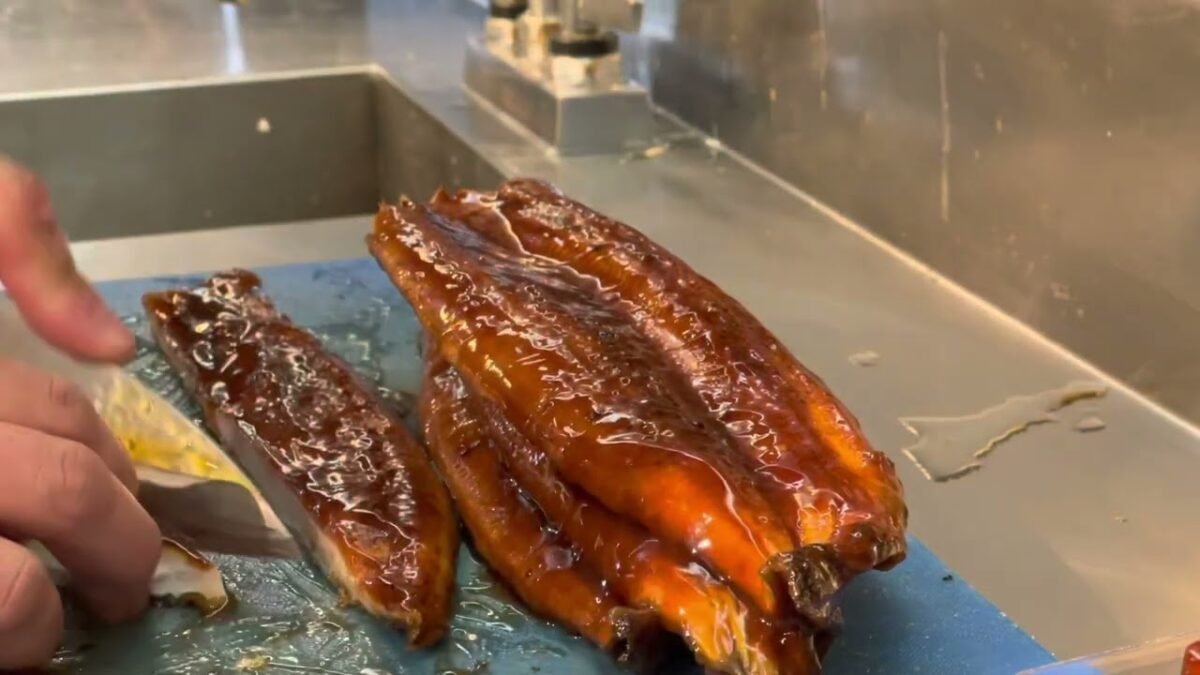
Part of why eel nigiri has become such a popular search term is its universal appeal. Even people who claim they “don’t like sushi” often make an exception for eel because it tastes more familiar, closer to a barbecue glaze than anything fishy or briny. That crossover appeal is exactly why so many people end up typing sushi nigiri eel near me into their phones, whether they’re sushi regulars or curious newcomers looking for a low-risk way to explore Japanese cuisine.
The Difference Between Unagi and Anago
One detail that trips up a lot of diners is the distinction between unagi and anago, two types of eel that frequently appear on sushi menus. Unagi refers to freshwater eel, which is richer, fattier, and typically the version most people picture when they think of eel nigiri. Anago, on the other hand, is saltwater conger eel, which has a leaner texture and a slightly more delicate flavor compared to its freshwater counterpart.
Most restaurants you’ll find when searching for sushi nigiri eel near me are serving unagi, since it’s more widely available and has become the standard in Western sushi culture. However, more authentic or higher-end Japanese restaurants sometimes offer anago as a specialty item, often prepared simply with salt rather than a heavy glaze to let its natural flavor shine through. Knowing this difference can help you ask more informed questions when you’re scanning a menu or chatting with sushi chefs about what’s fresh that day.
How to Search Smarter for Sushi Nigiri Eel Near Me
Typing a generic search like “sushi near me” tends to return a flood of results, many of which may not even serve eel or might serve a frozen, lower-quality version. To get sharper results, it helps to be specific in your search, combining terms like “unagi nigiri,” “eel sushi,” or even “omakase” with your city or neighborhood name. This signals to search engines exactly what you’re after, rather than leaving them to guess based on a broad sushi query.
Review platforms like Google Maps and Yelp are useful, but filtering through photos tends to be even more revealing than star ratings alone. Searching through user-uploaded images lets you visually inspect how glossy and well-glazed the eel looks, whether the rice appears properly formed, and how generous the portion sizes are before you ever step foot in the restaurant. This visual research step is one of the most underrated ways to refine your search for sushi nigiri eel near me and avoid restaurants that might look better on paper than on the plate. <br>
| Search Method | What It Reveals | Reliability Level |
|---|---|---|
| Google Maps photo search | Visual quality of eel and rice | High |
| Yelp written reviews | Service quality, freshness mentions | Medium to High |
| Instagram location tags | Real-time customer experiences | High |
| Restaurant website menus | Pricing and eel sourcing details | Medium |
| Food delivery apps | Convenience, but inconsistent freshness | Low to Medium |
| Local Japanese community forums | Insider recommendations | Very High |
This table highlights why combining multiple search strategies tends to produce better results than relying on just one platform. The most authentic spots aren’t always the ones with the flashiest online presence, so a little extra digging often pays off.
Signs of High-Quality Eel Nigiri
Spotting quality eel nigiri comes down to a few visual and textural cues that are fairly easy to learn once you know what to look for. The eel itself should have a glossy, slightly caramelized sheen from the glaze, without looking overly wet or soggy. A well-prepared piece should hold its shape when picked up, with the glaze coating the surface evenly rather than pooling unevenly or sliding off entirely.
Texture is just as telling as appearance when it comes to evaluating quality. Great eel nigiri should feel tender and almost melt-in-your-mouth, never rubbery or tough, which is often a sign that the eel has been overcooked or reheated improperly. If you’re trying multiple spots in your search for sushi nigiri eel near me, paying attention to these small details will help you quickly identify which restaurants are taking the extra care needed to prepare this dish properly.
What Affects the Price of Eel Nigiri
Pricing for eel nigiri can vary quite a bit depending on the restaurant’s overall positioning, the quality and sourcing of the eel, and whether it’s served as part of a set menu or ordered individually. Casual sushi spots and conveyor-belt restaurants tend to offer eel nigiri at a more accessible price point, often because they’re using farmed eel sourced in larger quantities. Higher-end omakase restaurants, by contrast, may charge significantly more, reflecting both the quality of the eel and the skill involved in its preparation.
Portion size also plays a role in perceived value, since some restaurants serve generous, thick cuts of eel while others offer thinner slices that can feel less satisfying for the price. When comparing options during your search for sushi nigiri eel near me, it’s worth checking whether nigiri is sold individually or in pairs, as pricing structures can vary significantly between restaurants and make direct comparisons tricky without that context.
Conveyor Belt Sushi vs Traditional Sushi Counters
Choosing between a conveyor belt sushi restaurant and a traditional sushi counter often comes down to the kind of experience you’re looking for. Conveyor belt spots, sometimes called kaiten-zushi, offer convenience, lower prices, and a fun, casual atmosphere where you can grab eel nigiri as it passes by without committing to a large order. This format works well for casual outings or when you want to sample a variety of items quickly.
Traditional sushi counters, on the other hand, typically offer a more elevated experience, with eel nigiri prepared fresh to order rather than sitting on a belt for an extended period. While the price point is usually higher, many sushi enthusiasts argue that the freshness and craftsmanship justify the cost, especially for a dish like eel nigiri where texture and glaze application matter so much. Both formats can satisfy a craving when you’re searching for sushi nigiri eel near me, but they cater to fairly different priorities and budgets.
The Role of the Glaze in Eel Nigiri Quality
The unagi glaze, often called nitsume, plays a far bigger role in the overall experience than many diners realize. This sweet soy-based sauce is traditionally made by simmering eel bones, soy sauce, sugar, and mirin together for an extended period, resulting in a deep, complex flavor that complements the richness of the eel itself. Restaurants that take shortcuts by using a generic, store-bought teriyaki-style sauce often produce a noticeably flatter, less nuanced final product.
A well-balanced glaze should enhance the eel without overwhelming it, leaving a lingering sweetness that doesn’t taste artificial or overly sugary. As one veteran sushi chef explained during a culinary demonstration, “The sauce is not just a topping; it’s the bridge between the eel and the rice, and if that bridge is weak, the whole bite falls apart.” This kind of attention to the glaze is often what separates a forgettable plate from a memorable one, and it’s worth paying attention to the next time you’re evaluating sushi nigiri eel near me options.
Ordering Tips for First-Time Eel Nigiri Eaters
If you’re new to eel nigiri, a few simple ordering tips can make your first experience far more enjoyable. Starting with a single piece rather than a full set allows you to gauge whether you enjoy the texture and sweetness before committing to a larger order. Asking your server or sushi chef whether the restaurant uses unagi or anago can also help set accurate expectations, since the two have noticeably different flavor profiles and price points.
It’s also worth asking how the eel is sourced and prepared, since some restaurants grill to order while others reheat pre-cooked eel using a steamer or microwave, which can significantly affect texture. Don’t hesitate to ask these questions, especially if you’re trying a new restaurant for the first time during your search for sushi nigiri eel near me; most knowledgeable staff will appreciate the curiosity and give you an honest answer.
Pairing Eel Nigiri With the Right Accompaniments
Eel nigiri pairs particularly well with lighter, more neutral flavors that won’t compete with its rich, sweet profile. Pickled ginger, known as gari, is commonly served alongside sushi specifically to cleanse the palate between different types of nigiri, making it especially useful after a piece of eel given its more intense flavor compared to lighter fish options. A light, slightly chilled sake or green tea also complements the dish nicely, helping to balance the sweetness of the glaze.
Soy sauce is typically unnecessary with eel nigiri, since the glaze already provides plenty of seasoning, and adding more can actually overwhelm the delicate balance the chef intended. Many sushi purists recommend trying eel nigiri exactly as it’s served, without additional condiments, at least on the first bite, before deciding whether any small adjustments suit your personal taste. This approach lets you fully experience why so many people specifically search for sushi nigiri eel near me rather than settling for a generic sushi roll containing eel as a minor ingredient.
Common Mistakes to Avoid When Searching Locally
One common mistake is assuming that any restaurant with “sushi” in its name will automatically serve high-quality eel nigiri, when in reality, many casual or fusion-style restaurants focus primarily on rolls and may treat nigiri as an afterthought. Reading reviews specifically mentioning nigiri, rather than general sushi quality, gives a much clearer picture of whether a restaurant excels at this particular dish. Skipping this step often leads to disappointment, especially if a restaurant is excellent at rolls but mediocre when it comes to traditional nigiri preparation.
Another mistake is ordering eel nigiri during off-peak hours at restaurants that grill to order, since the eel may have been sitting prepared for a while if there’s been low customer traffic. Asking when a fresh batch is typically prepared, or simply visiting during busier meal times, can improve your chances of getting a freshly grilled piece rather than one that’s been reheated multiple times. Avoiding these small pitfalls can make a real difference the next time you search for sushi nigiri eel near me and want to maximize your chances of a satisfying meal.
Conclusion
Finding truly excellent eel nigiri doesn’t have to be a frustrating game of trial and error. By understanding the difference between unagi and anago, learning to spot quality through texture and glaze application, and refining your search strategy beyond generic sushi listings, you put yourself in a much stronger position to enjoy this dish the way it’s meant to be experienced. Whether you end up at a casual conveyor belt restaurant or a more refined traditional sushi counter, the effort behind a thoughtful search for sushi nigiri eel near me almost always pays off.
Take the time to read reviews that specifically mention nigiri, don’t hesitate to ask staff about sourcing and preparation methods, and consider visiting during busier hours for the freshest possible eel. This rich, glazed, slightly smoky bite has earned its devoted following for good reason, and a little extra research is all it takes to find a version near you that truly lives up to the hype.
FAQs
What is the difference between unagi and anago eel nigiri?
Unagi refers to freshwater eel, which is richer and fattier, while anago is saltwater conger eel with a leaner, more delicate flavor, and most results for sushi nigiri eel near me will typically point you toward unagi rather than anago.
How can I tell if eel nigiri is freshly prepared?
Freshly prepared eel nigiri should look glossy and slightly caramelized without appearing soggy, and asking staff directly about preparation timing is one of the most reliable ways to confirm freshness when evaluating sushi nigiri eel near me options.
Is eel nigiri served raw or cooked?
Eel nigiri is always served cooked, typically grilled and glazed with a sweet soy-based sauce, which makes it a great starting point for people new to sushi who are searching for sushi nigiri eel near me but feel hesitant about raw fish.
Why does eel nigiri taste sweet compared to other sushi?
The sweetness comes from the traditional glaze called nitsume, made from simmered soy sauce, sugar, and mirin, and this distinct flavor profile is a big reason people specifically search for sushi nigiri eel near me rather than ordering a general sushi platter.
Should I add soy sauce to eel nigiri?
Most sushi experts recommend skipping additional soy sauce on eel nigiri, since the glaze already provides ample seasoning, and trying it without extra condiments first allows you to fully appreciate why sushi nigiri eel near me searches are so consistently popular among sushi lovers.