


Sushi Nigiri Eel Near Me: Where to Find the Best Unagi in 2026
Sushi Nigiri Eel Near Me: There’s a moment that happens the first time someone tries properly made eel nigiri — that rich, slightly smoky sweetness from the glaze, the way the warm eel melts against cool rice, the soft texture that’s nothing like any other fish on the conveyor belt. Once you’ve had a great piece, mediocre versions stand out immediately, and that’s usually the point where people start typing “sushi nigiri eel near me” into their phone on a regular basis.
This guide exists to make that search actually productive. We’ll cover what makes eel nigiri good in the first place, how to tell a serious sushi restaurant from one just going through the motions, what questions to ask before you order, and how to read reviews in a way that actually predicts whether your trip is worth it. Whether you’re a longtime fan of unagi or someone who just discovered it last week, this should help you find a version worth going back for.
What Is Eel Nigiri, Exactly?
Eel nigiri, often labeled unagi on menus, is a hand-pressed sushi piece made from a small mound of seasoned rice topped with a slice of grilled freshwater eel that’s been brushed with a sweet soy-based glaze. The eel itself is typically prepared using a method called kabayaki, where it’s filleted, butterflied, grilled, and basted repeatedly until the glaze caramelizes slightly and the flesh turns tender and almost custardy in texture.
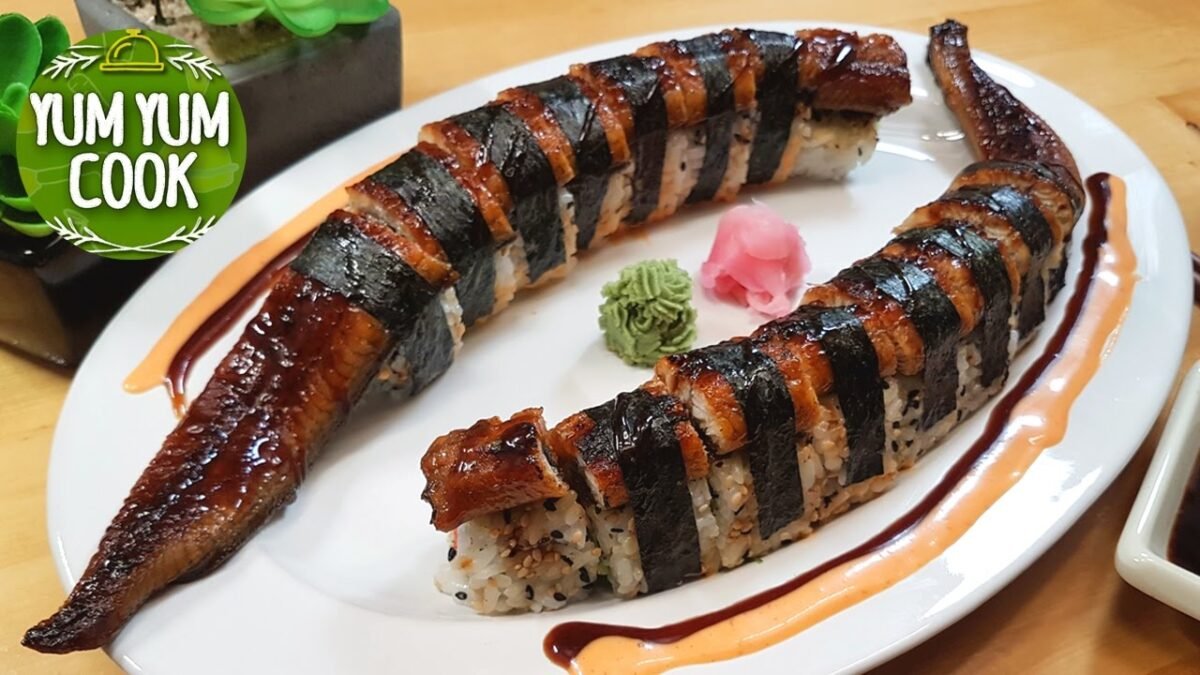
What separates eel nigiri from most other nigiri styles is that it’s served warm rather than cold, and it’s almost always pre-sauced rather than dipped separately in soy sauce at the table. That warmth and built-in glaze are part of why the texture and flavor feel so distinct from something like tuna or salmon nigiri. When you’re out looking for sushi nigiri eel near me, this is the baseline experience you’re chasing — tender, warm, glazed eel over well-seasoned rice, not a cold, rubbery slice that’s been sitting in a display case too long.
Why People Keep Searching for Sushi Nigiri Eel Near Me
Eel nigiri occupies an interesting spot in the sushi world because it’s popular enough to appear on almost every sushi menu, yet genuinely well-made versions are surprisingly inconsistent from restaurant to restaurant. Unlike raw fish nigiri, where quality mostly comes down to freshness and sourcing, eel nigiri depends heavily on preparation technique, glaze quality, and how the kitchen handles reheating eel that’s often pre-cooked and frozen before it ever reaches the restaurant.
That inconsistency is exactly why so many people end up running the same search repeatedly instead of just defaulting to whichever sushi spot is closest. A restaurant might have excellent sashimi but surprisingly bland or overly sweet eel nigiri, while a more casual, unassuming spot down the street might nail the glaze-to-rice ratio perfectly. Searching for sushi nigiri eel near me isn’t really about finding sushi in general — it’s about finding the specific kitchens that have clearly put thought into how they handle this one dish.
How to Evaluate a Sushi Restaurant Before You Go
Start by looking at how the menu describes its eel nigiri, since the level of detail often signals how much the kitchen actually cares about the dish. Menus that specify the type of eel, mention house-made glaze, or note that the eel is grilled to order rather than simply reheated tend to belong to restaurants that take the dish seriously rather than treating it as filler between more popular rolls.
Reviews are your next layer of research, and specificity matters more than star ratings here. Generic five-star reviews praising “amazing sushi” tell you very little, but reviews that mention the eel nigiri by name, comment on the glaze’s sweetness, or compare it favorably to other local spots tend to be far more reliable. If you’re scanning results for the best sushi nigiri eel near me, prioritize restaurants where multiple reviewers independently call out the unagi specifically, since that kind of repeated, specific praise is much harder to fake than a generic rating.
What Separates Great Eel Nigiri From Mediocre Eel Nigiri
The glaze is usually where quality reveals itself fastest, since it’s the first thing your palate registers. A well-made glaze, often called nitsume or unagi sauce, should taste rich and slightly smoky with a balanced sweetness, never cloying or one-dimensionally sugary. Kitchens that make their own glaze in-house, rather than relying on a bottled, mass-produced sauce, tend to produce noticeably more complex and less syrupy results.
Texture matters just as much as flavor, and this is where a lot of restaurants fall short. Properly prepared eel should feel tender and almost silky, never chewy, rubbery, or dry around the edges. Poor handling — usually from inconsistent reheating or using lower-quality frozen eel — produces a tougher bite that feels closer to jerky than the delicate, melt-in-your-mouth texture that defines a great piece of nigiri. If a restaurant nails both the glaze and the texture consistently, that’s usually a strong sign it’s worth returning to the next time you’re craving sushi nigiri eel near me.
Freshwater Eel Versus Saltwater Eel on Sushi Menus
Most sushi restaurants serve unagi, which refers specifically to freshwater eel, though some menus also offer anago, a saltwater eel variety with a milder, slightly more delicate flavor. Unagi tends to have a richer, fattier profile that pairs especially well with the sweet glaze, which is part of why it’s the more commonly available option at the vast majority of sushi counters.
Anago, when available, is typically served with a lighter glaze or sometimes just a touch of salt, allowing its more subtle flavor to come through without competition from heavy sauce. Knowing this distinction matters because some restaurants use the terms interchangeably on English-language menus, even though the preparation and flavor profile differ meaningfully between the two. If you’re specifically chasing the rich, glazed experience most people associate with sushi nigiri eel near me, unagi is almost always the version you’re picturing, while anago offers a worthwhile but noticeably different alternative if a restaurant happens to carry it.
A Quick Comparison Table for Judging Local Options
Comparing several restaurants side by side can be more useful than relying purely on instinct, especially in cities with dozens of sushi options competing for your attention. The table below outlines the factors that matter most when judging where to find the best eel nigiri nearby.
| Factor | What to Look For | Red Flag |
|---|---|---|
| Glaze quality | Rich, balanced sweetness with a slightly smoky note | Overly sugary, one-note, bottled-tasting sauce |
| Eel texture | Tender, almost silky, melts easily | Chewy, rubbery, or dry at the edges |
| Preparation method | Grilled to order or freshly reheated | Sitting pre-made in a display case for hours |
| Menu detail | Specifies eel type, house-made glaze, or sourcing | Vague listing with no preparation detail |
| Review specificity | Multiple reviews naming the eel nigiri directly | Generic praise with no dish-specific mention |
| Rice quality | Warm, seasoned, holds shape without being sticky | Cold, clumpy, or under-seasoned rice |
| Consistency | Same quality across multiple visits | Noticeably different quality visit to visit |
This kind of structured comparison helps you avoid wasting a trip on a restaurant that might be excellent at rolls but mediocre at this particular dish. It also gives you a useful checklist to mentally run through the moment your plate arrives, so you can judge quickly whether the spot deserves a repeat visit.
How to Search Smarter for Sushi Nigiri Eel Near Me
A broad search for sushi restaurants will often surface the most heavily marketed or highest-volume spots, which aren’t necessarily the ones doing the best job with eel nigiri specifically. Instead of stopping at a generic search, try pairing your query with more targeted terms like “unagi nigiri,” “omakase,” or “Edomae-style sushi,” since restaurants that emphasize traditional technique are statistically more likely to handle eel preparation with real care.
It’s also worth checking platforms where food enthusiasts post detailed, dish-specific content rather than just star ratings. Searching local food forums, sushi-focused social accounts, or even asking in community groups dedicated to your city’s food scene can surface smaller, less-marketed sushi counters that don’t always rank at the top of a basic search engine query. These under-the-radar spots often produce some of the most satisfying sushi nigiri eel near me results precisely because their reputation is built entirely on word of mouth rather than advertising budget.
What Sushi Chefs and Regulars Say About Great Eel Nigiri
People who eat sushi regularly tend to describe truly great eel nigiri in remarkably consistent terms, usually focusing on texture and balance rather than flavor alone. As one longtime sushi chef explained when discussing what separates an exceptional piece from an average one:
“Anyone can glaze eel and call it unagi, but the difference shows up in the texture — if it’s tender enough that you barely need to chew, the kitchen actually knows what they’re doing.”
That distinction captures something important about evaluating this dish. Flavor can be masked or boosted with a heavier glaze, but texture is much harder to fake, which makes it one of the most reliable indicators of genuine skill and care in the kitchen.
Ordering Eel Nigiri the Right Way
Ordering eel nigiri is straightforward, but a few small details can meaningfully improve your experience. Since the dish is typically served pre-glazed, it’s generally best enjoyed without additional soy sauce, as the existing sauce already provides plenty of seasoning, and dipping it again can overwhelm the more delicate flavors underneath. Asking your server whether the kitchen grills the eel fresh or reheats it from a pre-cooked batch is also a reasonable question, and most knowledgeable staff will answer honestly.
Pacing matters too, especially if you’re working through an omakase-style meal or a larger spread of nigiri. Eel nigiri tends to be richer and slightly heavier than most raw fish options, so many sushi chefs intentionally place it toward the middle or end of a tasting sequence rather than the beginning. If you’re specifically there for sushi nigiri eel near me and want to fully appreciate it, consider asking to have it served earlier in your meal, while your palate is still fresh and before heavier or more strongly flavored pieces arrive.
Common Mistakes People Make When Searching or Ordering
One common mistake is assuming that any high-end sushi restaurant will automatically have excellent eel nigiri, when in reality some upscale spots focus their attention almost entirely on raw fish and treat eel as an afterthought. Price point and overall reputation don’t always correlate with how much care goes into this specific dish, so it’s worth checking dish-specific reviews even at restaurants with strong general reputations.
Another frequent error is ordering eel nigiri at the very end of a meal, after your palate has already been worn down by stronger flavors like spicy tuna or heavily sauced rolls. Because eel nigiri’s flavor profile is more subtle and texture-dependent than people expect, ordering it too late in a meal can make it taste flatter than it actually is. Asking for it earlier, or even ordering it as a starting point before diving into rolls, tends to give you a much more accurate impression of how good the kitchen’s version really is.
Why Freshness and Sourcing Still Matter for Eel Nigiri
Even though eel nigiri involves cooked rather than raw fish, freshness still plays a meaningful role in the final result. Restaurants that source higher-quality eel, whether fresh or properly frozen and thawed, tend to produce a noticeably better texture than those relying on lower-grade, mass-imported eel that’s been frozen for extended periods. The difference often shows up most clearly in how the eel holds together on the rice and how cleanly it pulls apart with chopsticks.
Sourcing transparency can be a useful indicator here, since restaurants confident in their ingredients are often willing to share where their eel comes from if asked directly. This is especially relevant given that eel sustainability has become an increasingly discussed topic within the seafood industry, leading some kitchens to source more responsibly farmed eel as both an ethical and quality-driven choice. When you’re trying to find the best sushi nigiri eel near me, a restaurant willing to talk openly about sourcing is often the same kind of restaurant that takes preparation seriously too.
Pairing Eel Nigiri With the Rest of Your Meal
Eel nigiri’s rich, slightly sweet profile pairs particularly well with lighter, more acidic dishes that can cut through its richness. Many sushi enthusiasts recommend pairing it with something like cucumber sunomono or a citrus-forward starter, since the contrast helps reset your palate and keeps the eel’s flavor from feeling heavy or one-note by the end of the meal.
On the beverage side, lighter, slightly dry sakes or even a crisp beer tend to complement the dish better than heavier, sweeter pairings, which can clash with the glaze’s existing sweetness. If you’re building an entire meal around finding great sushi nigiri eel near me, thinking about these complementary flavors ahead of time can elevate the overall experience well beyond just the single piece of nigiri itself.
Conclusion
Great eel nigiri isn’t something you stumble into by accident — it takes a kitchen that genuinely cares about glaze balance, texture, and sourcing to get it consistently right. Use the comparison criteria, regional knowledge, and ordering strategies covered here to separate the restaurants going through the motions from the ones actually putting in the work. The next time your search for sushi nigiri eel near me turns up a new option, you’ll have a much clearer sense of what to look for before you even sit down.
FAQs
What does eel nigiri taste like?
Eel nigiri has a rich, slightly smoky sweetness from its glaze, paired with tender, almost silky flesh that contrasts nicely against warm, seasoned rice. The overall flavor leans savory-sweet rather than fishy, which is part of why so many people specifically search for sushi nigiri eel near me even if they’re hesitant about other raw sushi options.
Is eel nigiri served raw or cooked?
Eel nigiri is always served cooked, typically grilled and glazed using a technique called kabayaki, unlike most other nigiri styles that feature raw fish. This is one of the key reasons eel nigiri appeals to people who are new to sushi, since its warm, fully cooked preparation feels more approachable than raw options.
Why does eel nigiri taste different at every restaurant?
The dish’s flavor and texture depend heavily on glaze recipe, eel sourcing, and reheating technique, all of which vary significantly between kitchens. That variability is exactly why searching for sushi nigiri eel near me often requires checking dish-specific reviews rather than assuming every sushi restaurant handles it the same way.
Is unagi the same as anago?
Unagi refers to freshwater eel, which is the more common variety used in eel nigiri and typically has a richer, fattier flavor that pairs well with sweet glaze. Anago is a saltwater eel with a milder taste, and while less commonly available, it offers a noticeably different experience worth trying if a restaurant happens to serve it.
How do I know if a sushi restaurant’s eel nigiri is high quality?
Look for tender, silky texture rather than chewiness, a balanced glaze that isn’t overly sugary, and menu or staff transparency about sourcing and preparation method. Restaurants with multiple reviews specifically praising their unagi, rather than generic sushi compliments, tend to be the most reliable choice when you’re searching for the best sushi nigiri eel near me.
Can people with shellfish allergies safely eat eel nigiri?
Eel itself is not shellfish, so eel nigiri is generally safe for people with shellfish allergies, though cross-contamination is always a valid concern in any shared kitchen environment. It’s still wise to inform staff of any allergies directly, since some restaurants prepare multiple seafood items in close proximity, especially in busy sushi counters.