


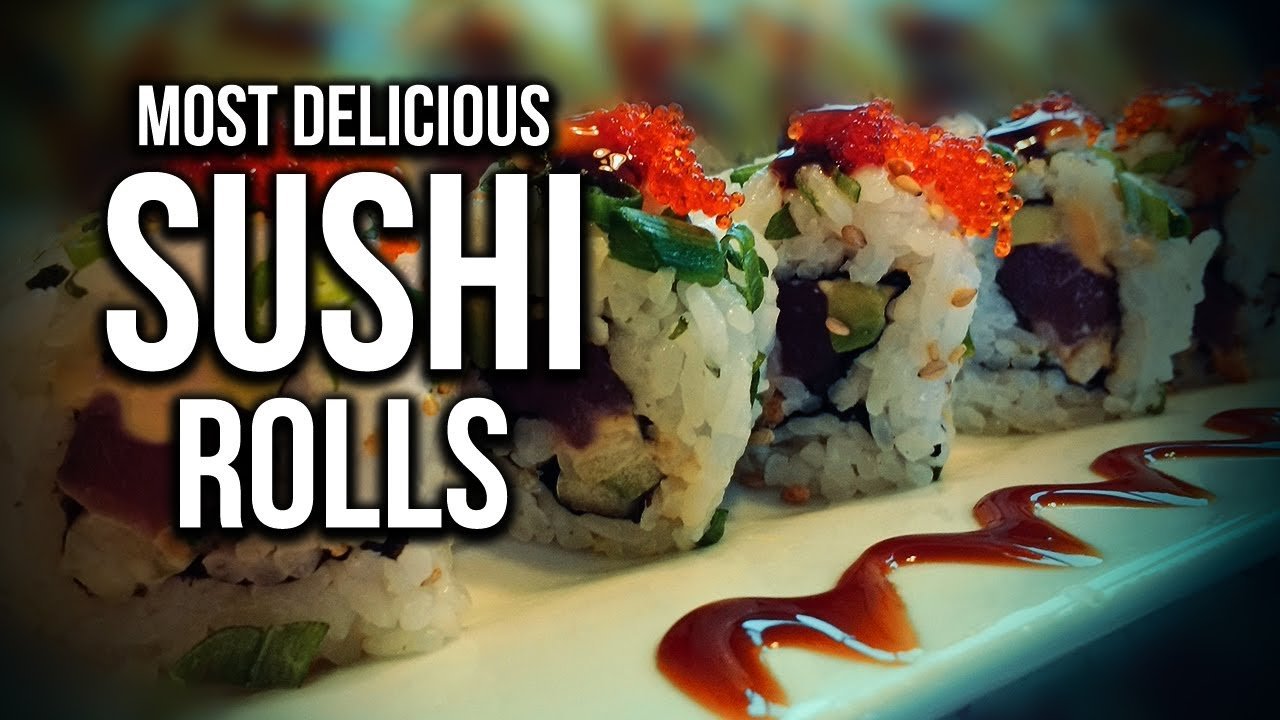
Types of Sushi Rolls: 12 Different Types of Sushi Explained (With Pictures)
Types of sushi rolls: Walk into almost any sushi restaurant and the menu can feel like its own language, full of names that sound similar but describe wildly different experiences on the plate.Understanding the various types of sushi rolls isn’t just useful for ordering with confidence, it genuinely changes how much you enjoy the meal, because each roll is built around a specific balance of texture, temperature, and flavor that rewards knowing what you’re actually getting into. A roll wrapped in crispy nori behaves completely differently in your mouth than one wrapped in soft soy paper, and neither resembles the rice-out style that’s become so popular in the last decade, especially among diners newer to the cuisine.
This guide breaks down everything worth knowing, moving well beyond the handful of rolls most casual diners default to ordering every single time. We’ll cover the foundational categories that define sushi as a whole, walk through the most popular individual rolls by name, explain how regional and modern interpretations have reshaped the category, and answer the most common questions people have when they’re standing at a counter trying to decide. Whether you’re a longtime fan looking to deepen your knowledge or someone who’s only ever ordered a basic California roll, this resource is designed to make you genuinely fluent in the wide and wonderful world of sushi rolls. By the time you reach the end, you’ll be equipped not just with names and definitions, but with the kind of practical, real-world context that actually changes how confidently you order the next time you sit down at a sushi counter anywhere in the world.
Understanding the Core Categories of Sushi Before the Rolls
Before diving into specific rolls, it helps enormously to understand that sushi itself is a broader category than most people realize, and rolls are just one expression of it. Sushi technically refers to any dish built around vinegared rice, which means nigiri, sashimi-adjacent preparations, and even pressed sushi all fall under the same umbrella term even though they look nothing alike on a plate. Recognizing this distinction matters because types of sushi rolls explains why menus are organized the way they are, and why rolls specifically occupy their own dedicated section rather than blending into everything else.
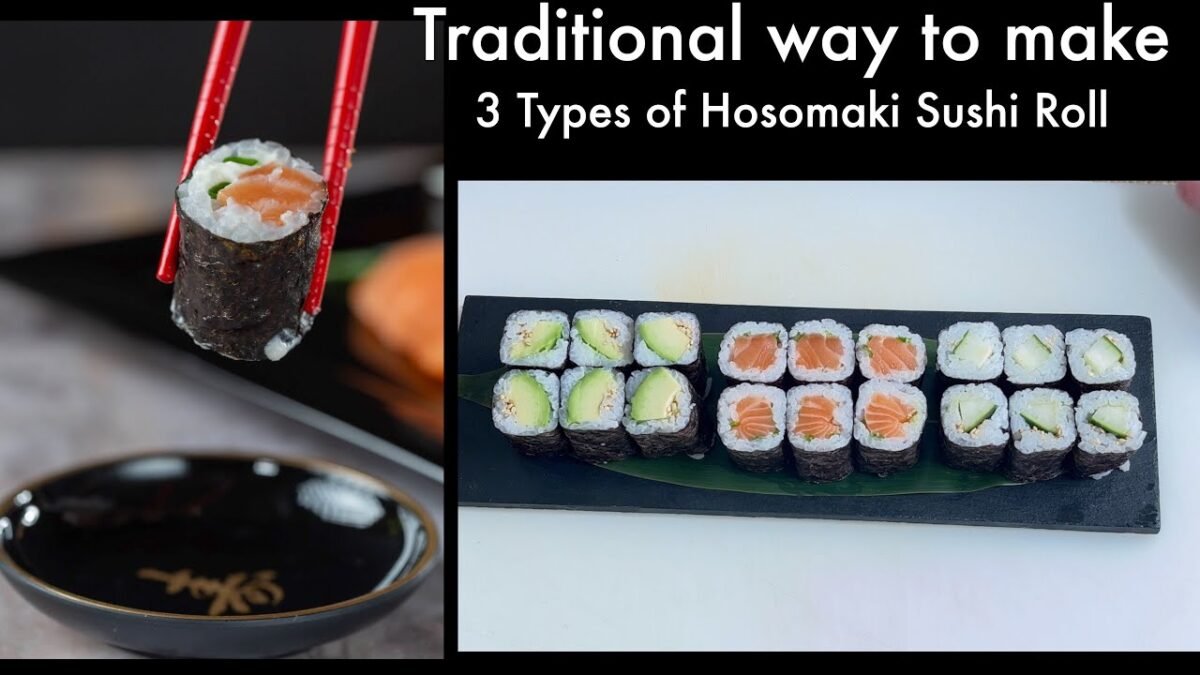
Within that broader category, the rolled formats themselves split into a few foundational structures that every other variation builds from. Maki refers to the classic cylindrical roll with nori on the outside, while uramaki flips that structure so the rice sits on the exterior and the nori hides inside, a format most Western diners actually encounter more often than traditional maki without realizing the distinction exists. Temaki, meanwhile, abandons the cylinder entirely in favor of a hand-rolled cone, and futomaki simply refers to an oversized maki roll packed with multiple fillings. Understanding these four foundational structures gives you a mental framework that makes every individual roll on this list immediately easier to place, recognize, and understand once you actually start paying closer attention.
Types of Sushi: Why Knowing the Basics Changes How You Order
Anyone who has stood at a sushi counter feeling slightly overwhelmed knows that the sheer variety of types of sushi available can make ordering feel more stressful than types of sushi rolls should be. The truth is that most menus, no matter how extensive they look, are built from a relatively small set of repeating techniques and ingredient combinations, which means once you recognize the patterns, the entire menu becomes far less intimidating and far more navigable.
This pattern recognition extends beyond just roll names into understanding flavor profiles as well. A roll built around raw tuna will taste fundamentally different from one built around cooked eel or fried shrimp, not just because of the protein itself but because of how that protein interacts with the rice, the seaweed, and whatever sauce gets drizzled across the top. Once you understand the underlying logic connecting these elements, ordering becomes less about memorizing names and more about predicting flavor, which is a far more useful and transferable skill across different restaurants, regions, and even countries where sushi culture has evolved its own distinct local character.
The California Roll: Where Most Western Sushi Journeys Begin
The California roll holds a uniquely important place in sushi history because types of sushi rolls served as the literal entry point for millions of diners who had never tried raw fish and weren’t sure they ever would. Built from crab, avocado, and cucumber, then rolled rice-side-out and often coated in sesame seeds or tobiko, the California roll was specifically engineered decades ago to feel familiar and approachable to American palates that hadn’t yet developed a taste for raw seafood.
What makes this roll worth understanding beyond its historical significance is how perfectly types of sushi rolls demonstrates the uramaki structure in action. The exterior rice provides a soft, slightly sweet base, the avocado adds richness and creaminess, and the cucumber introduces a clean, crunchy contrast that keeps the whole roll from feeling heavy. Even sushi purists who prefer more traditional preparations tend to acknowledge that the California roll accomplished something genuinely important by lowering the barrier to entry for an entire cuisine, and it remains one of the most reliable starting points for anyone still building their palate toward more adventurous options.
The Spicy Tuna Roll: A Flavor-Forward Favorite
If the California roll represents sushi’s gentle introduction, the spicy tuna roll represents the natural next step for diners ready to embrace bolder, more assertive flavors. Built around minced or chopped raw tuna mixed with a spicy mayonnaise-based sauce, often incorporating sriracha or a similar chili paste, this roll delivers immediate impact in a way that more delicate preparations simply don’t attempt to replicate.
The texture here matters just as much as the heat itself, since the tuna is typically chopped rather than sliced, creating a slightly looser, creamier filling that binds beautifully with the spicy sauce rather than sitting as a separate component. Restaurants vary significantly in how they balance the heat level, with some leaning heavily into the spice and others using just enough to add warmth without overwhelming the tuna’s natural flavor. This roll has become such a universal menu staple that comparing how different restaurants execute types of sushi rolls has become an unofficial way many regular sushi eaters benchmark a new restaurant’s overall quality before ordering anything more adventurous.
The Dragon Roll: A Visual and Textural Showpiece
Few rolls demonstrate the artistry possible within sushi presentation quite like the dragon roll, which typically features shrimp tempura and cucumber rolled inside, then topped dramatically with thin slices of avocado arranged to resemble dragon scales running along the top. The visual presentation alone has made this roll a favorite for diners who want their meal to feel like an occasion rather than just a quick bite, and types of sushi rolls photographs exceptionally well for anyone documenting their meal.
Beyond the presentation, the dragon roll succeeds because it layers contrasting textures in a genuinely thoughtful way rather than simply piling ingredients together for visual effect. The crispy tempura shrimp inside provides crunch, the avocado on top adds a cool, buttery counterpoint, and a drizzle of eel sauce or spicy mayo ties the components together with a sweet or creamy finish depending on the restaurant’s specific preparation. Many menus also offer variations using eel instead of shrimp tempura, which shifts the flavor profile noticeably while keeping the same dramatic scaled presentation that gives the roll types of sushi rolls name.
The Rainbow Roll: A Showcase of Multiple Fish Varieties
The rainbow roll exists primarily as a celebration of variety, typically built around a California roll base and then topped with an assortment of different raw fish slices arranged across the top in alternating colors and textures. Tuna, salmon, yellowtail, and sometimes shrimp or avocado all make common appearances, creating a roll that essentially functions as a sampler platter compressed into a single, cohesive bite.
This structure makes the rainbow roll an excellent choice for anyone trying to sample multiple types of fish without committing to several separate orders, since each piece offers a slightly different flavor and texture experience layered over the same consistent base. The visual appeal also can’t be overstated, since the alternating colors create one of the most recognizable and frequently photographed presentations in the entire category. For diners trying to figure out which proteins they personally prefer before diving deeper into a menu, ordering a rainbow roll often functions as a surprisingly efficient form of self-guided taste testing.
12 Different Types of Sushi: A Structured Breakdown for Quick Reference
Given how many roll varieties exist across different menus and regions, having a clear, organized reference makes the entire category significantly easier to navigate without needing to memorize everything from scratch. Breaking down 12 different types of sushi into a single structured overview gives you a practical cheat sheet you can mentally return to whenever you’re scanning an unfamiliar menu, regardless of which specific restaurant or region you happen to be ordering from.
The table below organizes the most essential rolls by their core ingredients, general flavor profile, and typical spice or richness level, making types of sushi rolls easy to scan quickly and identify exactly what you’re in the mood for before you even sit down.
| Roll Name | Core Ingredients | Flavor Profile | Typical Heat or Richness |
|---|---|---|---|
| California Roll | Crab, avocado, cucumber | Mild, creamy, approachable | Low |
| Spicy Tuna Roll | Raw tuna, spicy mayo | Bold, savory, slightly fiery | Medium to high |
| Dragon Roll | Shrimp tempura, avocado, eel sauce | Crunchy, sweet, rich | Low |
| Rainbow Roll | Multiple raw fish, avocado | Varied, fresh, layered | Low |
| Philadelphia Roll | Salmon, cream cheese, cucumber | Creamy, smooth, mild | Low |
| Tempura Roll | Fried shrimp or vegetables | Crunchy, savory, hearty | Low |
| Eel Roll | Grilled eel, eel sauce, cucumber | Sweet, smoky, rich | Low |
| Vegetable Roll | Avocado, cucumber, carrot, pickled radish | Fresh, light, crisp | None |
| Spider Roll | Soft shell crab, avocado, cucumber | Crunchy, savory, light | Low |
| Negihama Roll | Yellowtail, scallion | Clean, sharp, fresh | Low |
| Caterpillar Roll | Eel, avocado, cucumber | Sweet, rich, smoky | Low |
| Volcano Roll | Baked seafood mix, spicy mayo | Warm, creamy, intense | Medium to high |
This kind of structured comparison becomes especially useful for larger groups trying to order a variety of rolls that complement rather than duplicate each other, since you can quickly identify which options offer contrast in both flavor and texture across an entire shared table.
The Philadelphia Roll: An American Twist With Lasting Popularity
The Philadelphia roll occupies an interesting cultural position because, despite its name, types of sushi rolls has no real historical connection to Japan or to traditional sushi-making practices at all. Built around salmon, cream cheese, and cucumber, this roll emerged as a distinctly American innovation that leaned into the creamy, rich flavor profile that Western palates had already embraced through bagel culture, essentially translating that familiar pairing into a sushi format.
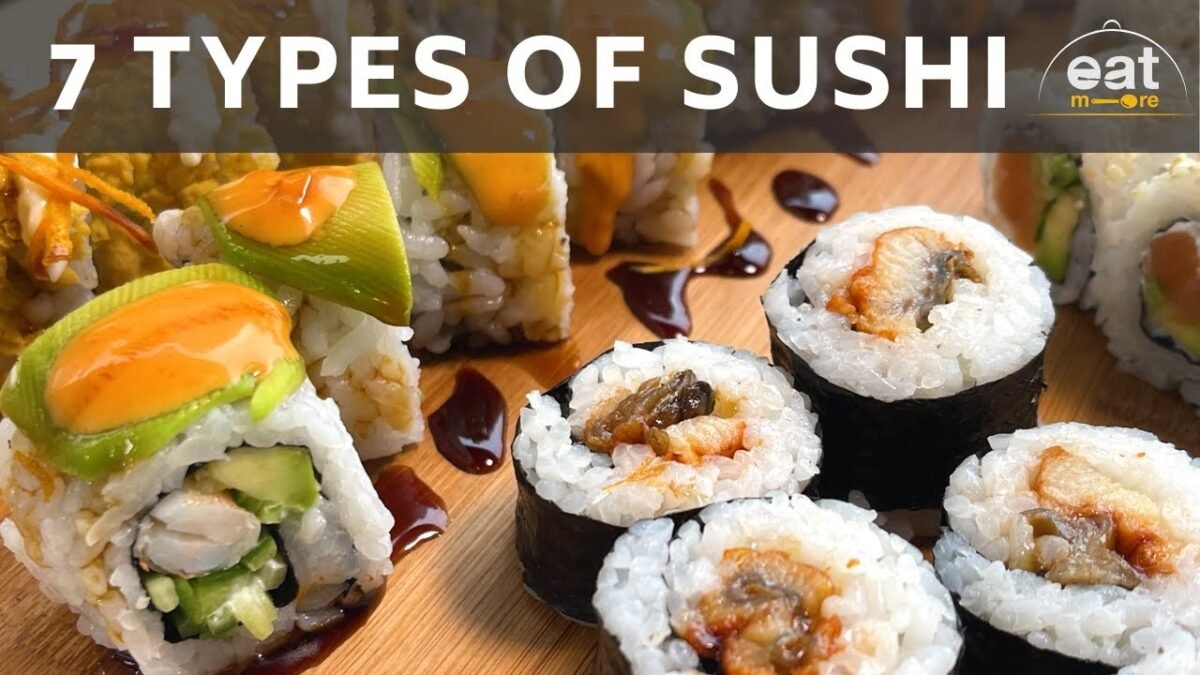
The smoothness of cream cheese against the clean, slightly fatty richness of raw or smoked salmon creates a texture that feels almost more like a spread than a typical sushi filling, which is precisely why this roll appeals so strongly to diners who haven’t yet developed a taste for more traditional, fish-forward preparations. Some variations swap raw salmon for a lightly smoked version, which shifts the flavor toward something even closer to a classic bagel and lox pairing while still maintaining the format and presentation of a standard maki roll wrapped in nori and rice.
The Tempura Roll: Crunch as the Defining Feature
Tempura rolls prioritize texture above almost everything else, built around the principle that a satisfying crunch can elevate even relatively simple ingredients into something genuinely craveable. Shrimp tempura remains the most common filling, though vegetable tempura versions using sweet potato, asparagus, or other vegetables have become increasingly popular among diners looking for a vegetarian option that still delivers that same satisfying textural contrast.
The preparation itself requires real technical skill from the kitchen, since the batter needs to fry quickly enough to stay crisp without overcooking the delicate filling inside, and then the roll needs to be assembled fast enough that the tempura doesn’t go soggy before types of sushi rolls reaches the table. This urgency explains why tempura rolls are often considered a strong indicator of kitchen quality and timing precision, since a restaurant that nails this balance consistently is clearly paying close attention to execution details that less careful kitchens tend to overlook entirely.
The Eel Roll and the Caterpillar Roll: Understanding Unagi’s Role
Eel, known as unagi on most menus, occupies a special place within sushi culture because types of sushi rolls almost always served cooked and glazed rather than raw, which sets it apart from the vast majority of other fish used throughout the category. The eel itself is typically grilled and brushed with a sweet, thick sauce that caramelizes slightly, creating a flavor profile that leans noticeably sweeter and richer than almost anything else on a typical menu.
The caterpillar roll builds directly on this foundation, wrapping eel and cucumber inside, then topping the exterior with thin avocado slices arranged to mimic a caterpillar’s segmented body, similar in spirit to the dragon roll’s scale presentation. Both rolls demonstrate how thoroughly cooked preparations have become integrated into a cuisine that many newcomers still mistakenly assume is built exclusively around raw fish, when in reality cooked options like these represent some of the most popular and approachable choices on nearly every modern menu.
The Vegetable Roll: Proof That Sushi Doesn’t Require Fish
Vegetable rolls deserve far more credit than they typically receive, since a well-constructed version can rival any seafood-based roll in terms of genuine satisfaction and flavor complexity. Built from combinations like avocado, cucumber, carrot, pickled radish, and sometimes asparagus or sweet potato, these rolls rely entirely on contrasting textures and complementary flavors to create interest without any animal protein at all.
The challenge for kitchens lies precisely in this absence of a single dominant protein, since vegetable rolls have nothing to fall back on if the vegetable combination itself isn’t thoughtfully balanced. A great vegetable roll typically combines something creamy like avocado, something crisp like cucumber or carrot, and something tangy like pickled radish, creating the same kind of textural and flavor layering that seafood-based rolls achieve through entirely different means. This category has expanded significantly in recent years as more restaurants recognize genuine demand from vegetarian, vegan, and flexitarian diners who want options that feel intentional rather than like an afterthought tacked onto the end of a menu.
The Spider Roll: Soft Shell Crab’s Unique Contribution
The spider roll earns types of sushi rolls slightly unusual name from the soft shell crab used as its primary filling, typically deep-fried whole with legs extending dramatically beyond the edges of the roll itself, creating a visually striking presentation that immediately distinguishes it from neater, more contained rolls. This presentation alone makes the spider roll a frequent conversation starter at the table, since the protruding crab legs create an unmistakable silhouette unlike almost anything else on a typical menu.
Beyond the visual novelty, the soft shell crab itself offers a genuinely distinct textural experience, since the entire crab, shell included, becomes edible and crisp once fried, creating a crunch that extends throughout the bite rather than concentrating in just one component. Combined with avocado and cucumber for freshness and cooling contrast, the spider roll manages to feel indulgent without becoming heavy, which explains why types of sushi rolls has maintained consistent popularity across decades even as sushi trends have shifted considerably around it.
Regional and Cultural Variations Worth Understanding
Sushi rolls have evolved differently across different regions and countries, and understanding these regional distinctions adds genuine depth to how you think about the category as a whole. American-style rolls, particularly those developed on the West Coast, tend to favor uramaki structures with creative, often fusion-inspired fillings, while traditional Japanese preparations frequently emphasize simplicity, restraint, and a smaller number of high-quality ingredients allowed to speak for themselves without excessive sauce or garnish.
Beyond the American and Japanese distinction, other regions have developed their own distinct interpretations that reflect local ingredients and palates. Brazilian sushi culture, for instance, frequently incorporates mango, cream cheese, and other unexpectedly sweet elements that wouldn’t typically appear on a traditional Japanese menu, while certain Southeast Asian interpretations lean into bolder spice profiles that reflect local culinary traditions far more than they reflect classical Japanese technique. Recognizing these regional fingerprints helps explain why the exact same roll name can sometimes taste meaningfully different depending on where in the world, or even which specific neighborhood, you happen to be ordering types of sushi rolls from.
Sashimi, Nigiri, and How They Relate to Rolls
While this guide focuses primarily on rolled formats, understanding how rolls relate to sashimi and nigiri rounds out a genuinely complete picture of the broader category. Sashimi refers to thinly sliced raw fish served entirely without rice, meaning it technically falls outside the strict definition of sushi altogether despite almost always appearing on the same menu and frequently being ordered alongside rolls in the same meal.
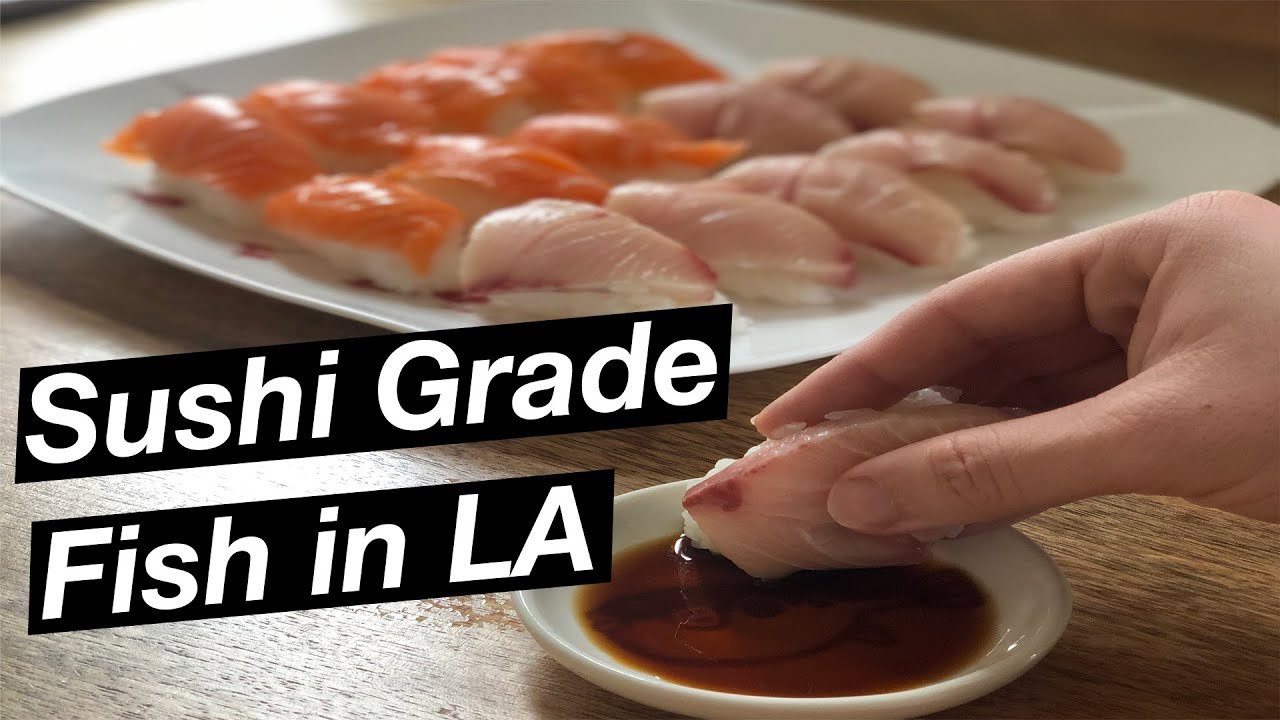
Nigiri, meanwhile, consists of a small mound of vinegared rice topped with a single slice of fish or other ingredient, often with a thin strip of nori wrapped around to hold everything together when needed. Comparing nigiri to rolls reveals an important distinction in how each format showcases its ingredients; nigiri puts the fish front and center with minimal distraction, while rolls layer multiple components together to create a more complex, multidimensional bite. Many experienced diners actually use nigiri specifically to evaluate a restaurant’s fish quality before committing to more elaborate rolls, since the simplicity of nigiri leaves nowhere for mediocre ingredients to hide behind sauce or other competing flavors.
Types of Sushi Rolls With Pictures: Why Visual Reference Matters So Much
For anyone trying to learn this category seriously, searching specifically for types of sushi rolls with pictures rather than relying on text descriptions alone makes an enormous practical difference in how quickly the information actually sticks. Sushi is an inherently visual cuisine, and many rolls that sound similar in a written description look dramatically different once you actually see them side by side, particularly when types of sushi rolls comes to distinguishing between rolls that share core ingredients but differ in presentation style or exterior coating.
This visual learning approach becomes especially valuable when trying to distinguish between rolls that share a similar profile on paper but diverge sharply in actual appearance and execution. A dragon roll and a caterpillar roll, for instance, sound conceptually similar in written description since both layer thin avocado slices across the top, yet they look distinctly different once viewed directly, since the dragon roll’s scale pattern and the caterpillar roll’s segmented body create immediately recognizable visual signatures. Building this kind of visual fluency, ideally through actual photo comparisons rather than text alone, transforms ordering from a guessing game into a genuinely confident, informed decision every single time you sit down at a new restaurant.
The Volcano Roll: Sushi’s Answer to Comfort Food
The volcano roll represents one of the more recent additions to mainstream sushi menus, typically built around a base roll that gets topped with a warm, baked mixture of seafood, mayonnaise, and spicy sauce, then finished under a broiler until the topping develops a slightly bubbling, golden appearance that gives the roll types of sushi rolls dramatic name. This warm, baked element sets it apart from almost every other roll on this list, since most sushi by definition remains cold or room temperature throughout the entire experience.
The appeal here lies specifically in how the roll bridges the gap between traditional sushi and more familiar comfort food textures that many diners already associate with indulgence and satisfaction. The warmth softens the rice slightly while the creamy, spicy topping adds richness that contrasts sharply with the cooler, crisper rolls typically found elsewhere on the same menu. For diners who find traditional cold sushi slightly intimidating or unfamiliar, the volcano roll often serves as a genuinely comfortable bridge that eases them toward broader acceptance of the category as a whole, without requiring them to abandon the warm, rich flavors they already gravitate toward in other cuisines.
Common Misconceptions About Sushi Rolls Worth Clearing Up
A persistent misconception holds that all sushi rolls contain raw fish, when in reality a significant portion of the most popular options on nearly every menu rely entirely on cooked ingredients like tempura shrimp, grilled eel, or even fully vegetarian fillings with no seafood at all. This misunderstanding alone keeps countless potential diners away from a cuisine that actually offers far more accessible entry points than types of sushi rolls raw-fish reputation suggests, particularly for anyone hesitant about trying raw seafood for the first time.
Another common misconception assumes that more expensive rolls are automatically higher quality, when price differences frequently reflect ingredient rarity or labor intensity rather than overall taste or satisfaction. A simple, well-executed vegetable roll made with genuinely fresh ingredients can easily outperform an overpriced, poorly balanced specialty roll loaded with unnecessary sauce and filler ingredients designed to justify a higher price point. As one veteran sushi chef noted during an interview about evolving American dining habits, the best roll on any given menu is rarely the most expensive one, types of sushi rolls simply the one made with the most attention and the freshest ingredients available that particular day, regardless of how elaborate the final presentation looks on the plate.
How Sushi Rolls Have Evolved Alongside Changing Consumer Tastes
The sushi roll category has undergone significant transformation over the past several decades, shifting dramatically from a niche, intimidating cuisine into one of the most mainstream, widely accessible dining categories across the entire world. Early adoption in Western markets relied heavily on rolls like the California roll specifically because they disguised raw fish concerns behind familiar, approachable ingredients, easing skeptical diners into a cuisine they might otherwise have avoided entirely.
As palates matured and familiarity grew over time, menus expanded dramatically to include bolder, more adventurous options that wouldn’t have found an audience just a generation earlier. This evolution shows no signs of slowing down either, with fusion concepts increasingly blending sushi techniques with completely unrelated culinary traditions, from Mexican-inspired rolls incorporating jalapeño and lime to Korean-influenced versions built around gochujang-based sauces that add an entirely different dimension of heat and umami. This continuous evolution means that staying genuinely informed about types of sushi rolls now requires ongoing curiosity rather than a single static reference point, since the category keeps expanding in directions that even dedicated enthusiasts find genuinely surprising from one year to the next.
Pairing Sushi Rolls With Sauces, Condiments, and Sides
The right condiment pairing can transform an already excellent roll into something even more memorable, yet many diners default to drowning every single roll in soy sauce without considering whether that particular pairing actually complements what they’re eating. Delicate, fish-forward rolls like negihama generally benefit from a much lighter touch, since heavy soy sauce can easily overwhelm the clean, subtle flavor that the roll is specifically designed to showcase in the first place.
Richer, more heavily sauced rolls like the dragon roll or volcano roll, by contrast, often need very little additional soy sauce at all, since they already arrive with enough built-in flavor complexity from their existing sauce components. Pickled ginger and wasabi serve complementary but distinct purposes worth understanding separately rather than treating as interchangeable garnishes; ginger primarily cleanses the palate between different rolls, allowing each new flavor to register clearly rather than blending into the previous bite, while wasabi adds a sharp, sinus-clearing heat that pairs particularly well with fattier, richer fish varieties that benefit from a contrasting cut of intensity.
Building a Balanced Sushi Order for Groups or Solo Dining
Ordering sushi well, whether for yourself or for a larger group, benefits enormously from thinking strategically about variety rather than simply picking favorites without considering how the different rolls will actually interact across an entire meal. A well-balanced order typically includes at least one mild, approachable roll, one bolder or spicier option, one cooked roll for anyone hesitant about raw fish, and ideally one vegetable-based roll to round out the textural and flavor range available across the table.
This kind of strategic ordering becomes especially valuable in group settings, where dietary preferences and spice tolerance can vary dramatically from person to person within the same gathering. Rather than everyone ordering their own separate rolls and missing out on variety, sharing a thoughtfully curated selection across the table allows everyone to sample multiple types of sushi without committing to a single choice, creating a more dynamic, communal dining experience that mirrors how sushi is traditionally meant to be enjoyed in many parts of the world rather than treated as an individually plated, single-serving meal.
What to Look for in a Quality Sushi Restaurant
Beyond simply knowing which rolls to order, recognizing the signs of a genuinely high-quality sushi restaurant helps ensure that whatever you choose actually arrives executed with the care types of sushi rolls deserves. Fish should smell clean and faintly oceanic rather than overly fishy or sour, and a reputable restaurant typically displays visible attention to rice temperature and texture, since properly prepared sushi rice should feel slightly warm, never cold or refrigerator-stiff, with individual grains that hold together without becoming mushy or compressed.
Watching how a kitchen handles cleanliness and ingredient turnover also offers valuable insight that extends well beyond what any online review can reliably convey. Restaurants that rotate their fish selection frequently based on seasonal availability, rather than offering an identical, unchanging menu year-round regardless of what’s actually fresh, generally demonstrate a deeper commitment to quality and authenticity. This kind of attentiveness frequently correlates directly with how well even the most familiar rolls, like a classic California or spicy tuna roll, ultimately taste once they reach your table, since even simple preparations rely heavily on genuinely fresh, well-sourced ingredients to reach their full potential.
The Role of Rice and Nori Quality in Every Roll
It’s easy to focus entirely on the protein or filling when evaluating a roll, but the rice and nori arguably matter just as much, if not more, in determining whether a roll succeeds or falls flat. Properly seasoned sushi rice should carry a subtle balance of vinegar, sugar, and salt, seasoned while still warm so the grains absorb the flavor evenly rather than sitting as a bland, starchy base that exists purely to hold everything else together. Restaurants that rush this step, or skip proper seasoning altogether, produce rolls that taste noticeably flat no matter how fresh or expensive the fish inside happens to be.
Nori quality follows a similar logic, since the seaweed used in maki-style rolls can range from crisp and aromatic to stale and chewy depending entirely on storage and freshness. High-quality nori should snap cleanly when bitten rather than feeling rubbery or tough, and types of sushi rolls should carry a faint, toasted ocean aroma rather than tasting flavorless or slightly damp. These details rarely get mentioned in casual conversation about sushi, yet they consistently separate forgettable rolls from genuinely memorable ones, which is precisely why experienced diners often judge an unfamiliar restaurant’s overall competence by paying close attention to these foundational elements before forming an opinion about anything more elaborate on the menu.
How Seasonality Influences Which Rolls Taste Best
Seasonality plays a far larger role in sushi quality than most casual diners realize, since different fish reach their peak flavor and fat content at different points throughout the year, much like produce does in any other cuisine. Tuna, for instance, tends to taste richer and more flavorful during colder months when the fish naturally builds up additional fat reserves, while certain shellfish varieties peak during entirely different seasonal windows depending on regional water temperatures and breeding cycles specific to that species.
This seasonal variation explains why the exact same roll can taste noticeably different depending on when you order it, even at the same restaurant using the same supplier relationships. Restaurants genuinely committed to quality often adjust their offerings throughout the year to reflect what’s actually in peak season, sometimes removing certain rolls temporarily or substituting ingredients to maintain consistent quality rather than forcing an inferior product onto the menu simply because types of sushi rolls traditionally expected. Diners who pay attention to these seasonal shifts, asking staff directly about what’s currently freshest rather than defaulting to the same order every visit, often discover that their favorite types of sushi rolls taste noticeably better during certain months, turning sushi into a genuinely seasonal dining experience rather than a static, year-round constant.
Making Sushi Rolls at Home: What Actually Matters Most
A growing number of people have started experimenting with making sushi rolls at home, partly driven by curiosity and partly by a desire to control exactly which ingredients end up inside without relying entirely on restaurant pricing or availability. The good news is that replicating many popular types of sushi rolls at home is far more achievable than most beginners initially assume, provided a few key fundamentals are respected rather than skipped in the rush to assemble something that merely looks the part.
Investing in genuinely good sushi rice and learning to season it properly matters more than any other single factor, since even premium fish or creative fillings can’t compensate for poorly cooked or improperly seasoned rice sitting at the foundation of every roll. A bamboo rolling mat, a sharp knife for clean slicing, and patience during the rolling process itself round out the essential toolkit needed to produce something genuinely satisfying rather than a loose, falling-apart approximation. Home cooks who start with simpler vegetable or cooked-ingredient rolls before attempting anything involving raw fish tend to build confidence far more quickly, since these lower-stakes options allow plenty of room to practice technique without worrying about food safety concerns that come with handling raw seafood improperly outside a professional kitchen environment.
Sustainability and Sourcing: A Growing Consideration
Sustainability has become an increasingly important conversation within the broader sushi industry, particularly as overfishing concerns around certain popular species like bluefin tuna have drawn growing attention from both consumers and conservation organizations alike. Restaurants that genuinely care about long-term sustainability have started incorporating more responsibly sourced alternatives into their menus, sometimes substituting less commonly overfished species in rolls that traditionally relied on more vulnerable populations without sacrificing the overall flavor experience diners expect.
This shift matters for anyone who wants their enjoyment of various types of sushi rolls to align with broader environmental values rather than contributing unknowingly to unsustainable fishing practices. Many restaurants now display sourcing information directly on their menus or websites, indicating which suppliers they work with and whether those suppliers follow recognized sustainable fishing certifications recognized within the industry. Diners interested in supporting these practices can look specifically for this kind of transparency, treating it as another meaningful signal of overall restaurant quality alongside the more traditional markers like ingredient freshness, rice preparation, and presentation that this guide has already covered in detail throughout earlier sections.
Final Thoughts on Mastering the World of Sushi Rolls
Understanding the wide and varied world of sushi rolls transforms an experience that once felt intimidating or confusing into something genuinely enjoyable and approachable, regardless of your prior familiarity with the cuisine. From the gentle, beginner-friendly California roll to the bold, spice-forward volcano roll, each variation offers its own distinct combination of texture, flavor, and visual presentation worth appreciating on its own terms rather than simply defaulting to the same familiar order every single time you sit down.
This guide has walked through the foundational structures that define the category, highlighted the most essential individual rolls worth knowing by name, and addressed the misconceptions and regional variations that add genuine depth to how you think about sushi as a whole. Armed with this knowledge, your next visit to a sushi restaurant won’t feel like navigating an unfamiliar menu blindly; it’ll feel like ordering with the kind of confidence and curiosity that comes from genuinely understanding what makes each roll distinct. That shift in understanding, more than any single favorite roll, is what transforms sushi from an occasional novelty into a cuisine you can explore and enjoy for years to come, one thoughtfully chosen roll at a time, across countless restaurants, regions, and personal taste preferences yet to be discovered.
FAQs
What are the most popular types of sushi rolls for beginners?
Beginners typically gravitate toward milder, more approachable types of sushi rolls like the California roll, Philadelphia roll, or tempura roll, since these options rely on familiar, often cooked ingredients rather than raw fish. These rolls provide a comfortable entry point that still introduces newcomers to the format and flavor combinations that define the broader category.
What are 12 different types of sushi I should try at least once?
A well-rounded list of 12 different types of sushi to explore includes the California roll, spicy tuna roll, dragon roll, rainbow roll, Philadelphia roll, tempura roll, eel roll, vegetable roll, spider roll, negihama roll, caterpillar roll, and volcano roll. Trying each one provides a genuinely comprehensive overview of the flavor, texture, and presentation range available across the category.
Where can I find types of sushi rolls with pictures to help me learn?
Many sushi restaurant websites, food blogs, and dedicated culinary resources now offer types of sushi rolls with pictures specifically to help newer diners visually distinguish between similarly named options before ordering. Searching for visual guides alongside written descriptions makes it significantly easier to recognize specific rolls confidently once you’re actually sitting at a restaurant.
Are all types of sushi rolls made with raw fish?
No, many popular types of sushi rolls rely entirely on cooked ingredients like tempura shrimp, grilled eel, or crab, while others are completely vegetarian and contain no seafood whatsoever. This variety means there’s a genuinely accessible entry point for nearly every preference, regardless of comfort level with raw seafood.
What’s the difference between maki and uramaki rolls?
Maki refers to the traditional roll format with nori on the outside and rice inside, while uramaki reverses that structure so the rice sits on the exterior with the nori hidden within the roll itself. Most Western-style rolls, including many of the most popular types of sushi rolls served in the United States, actually follow the uramaki format rather than traditional maki.
How do I know if a sushi roll is high quality before ordering it?
Look for visual cues like vibrant, fresh-looking fish, rice that appears glossy rather than dry or compressed, and clean, well-balanced presentation without excessive sauce masking the core ingredients. Restaurants that clearly take care in their plating and ingredient sourcing typically deliver a noticeably better overall experience across nearly every roll on their menu.