


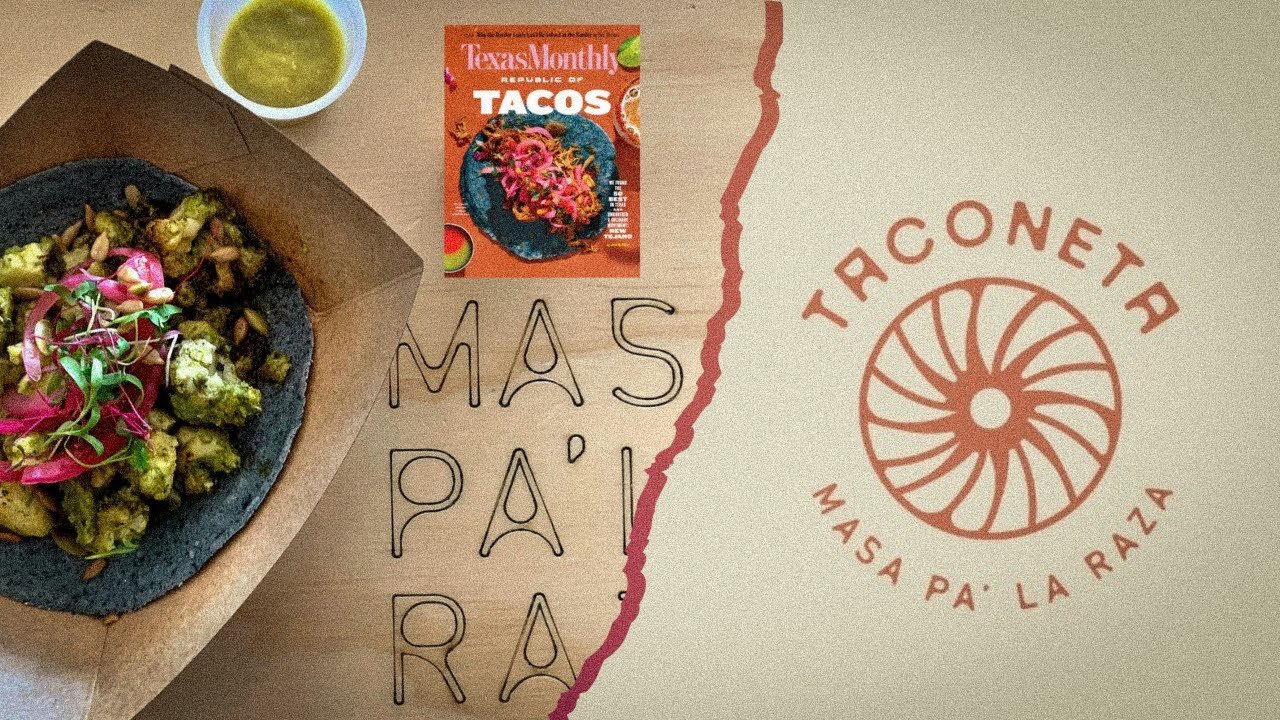
Taconeta: The Complete Guide to Menu, Photos, Reviews, and What Makes It Worth the Wait
Taconeta: Few restaurants in El Paso generate the kind of consistent buzz that follows Taconeta, and once you understand what’s actually happening in that kitchen, the reason becomes obvious almost immediately. This is a modern taqueria built around an idea that sounds simple but is genuinely difficult to execute well: take heirloom corn, mill it the traditional way, nixtamalize it properly, and let that foundation carry every single dish on the menu. The result is a restaurant that has earned national recognition while still feeling like a neighborhood spot where the line forms early and the wait, more often than not, turns out to be worth it.
This guide exists to give anyone curious about Taconeta a genuinely complete picture before they ever step up to the taco window. We’ll walk through its origin story, break down what actually makes the food distinct, explore the most talked-about dishes, and address the practical questions people search for most, from parking and ordering logistics to what the broader conversation around Taconeta reviews tends to focus on. Whether you’re planning a first visit, comparing it against other taquerias in the region, or simply trying to understand why this particular restaurant keeps showing up on best-of lists across Texas, this resource is built to be the most useful single page you’ll find on the subject.
The Origin Story Behind Taconeta
Taconeta opened its doors in July 2020, a moment that would have intimidated most new restaurant owners into delaying their plans indefinitely. Business partners Alejandro Borunda and Daniel Fox, both raised in the El Paso–Juárez borderland, had been developing the concept long before the pandemic forced an industry-wide reckoning, and they decided to move forward anyway rather than wait for ideal conditions that might never arrive. Their backgrounds gave the project real credibility from the start, since both had spent years working in some of Austin’s most respected kitchens, including stints at restaurants like La Condesa, Ramen Tatsu-Ya, Otoko, and Suerte, before eventually bringing that collective experience home to West Texas.

What makes this origin story particularly compelling is how directly it shaped the restaurant’s physical layout and daily operations. The partners had already installed an exterior taco window before the pandemic hit, a decision Borunda has described as an unplanned blessing once social distancing requirements arrived, since it allowed Taconeta to keep serving customers safely from day one. That same taco-window format remains central to the experience today, and it’s part of why first-time visitors are often surprised by how the ordering process actually works once they arrive expecting a more conventional sit-down setup.
What Makes Taconeta’s Tortillas Genuinely Different
At the heart of everything Taconeta serves is a commitment to nixtamalization, a centuries-old process that involves cooking dried corn in an alkaline solution before grinding it into masa. This single technical choice separates Taconeta from the vast majority of taquerias that rely on pre-packaged masa or commercially processed corn flour, since nixtamalization unlocks nutrients and flavor compounds that would otherwise stay locked inside the kernel. The restaurant sources heirloom blue and red corn directly through a network connected to farmers in central Mexico, which means the tortillas served at Taconeta carry a depth of flavor and color that’s genuinely difficult to replicate using standard commercial corn.
The milling process matters just as much as the sourcing, and this is where Taconeta’s commitment becomes even more apparent to anyone paying close attention. Rather than relying on industrial equipment, the kitchen uses a volcanic stone mill to grind the nixtamalized corn into fresh masa, a method that produces a coarser, more textured tortilla than the smooth, uniform versions found at most restaurants. This dedication to traditional technique isn’t just a marketing detail tucked into a menu description, it’s the actual structural foundation that every taco, side, and dish at Taconeta is built on top of, and it explains why even simple preparations taste noticeably more complex than expected.
Taconeta Menu: A Breakdown of the Core Categories
Anyone searching for the Taconeta menu before a visit will find a structure that rewards a bit of strategic thinking rather than simply pointing at the first familiar name. The menu generally organizes around a Botanas section for lighter starters, a core taco selection available both à la carte and as larger family-style packs, a rotating lineup of sides, and a Milpa Bowl option for diners who want a heartier, composed plate rather than individual tacos. Salsas occupy their own meaningful category too, ranging from a classic salsa verde to a notably fiery salsa macha, giving diners real control over how much heat they want layered onto each bite.
Understanding this structure changes how you approach ordering, especially on a first visit when the sheer number of options can feel overwhelming. Starting with a Botanas item like an avocado tostada or a coctel gives your table something to share immediately while the tacos are being prepared, and ordering two or three different tacos individually, rather than committing to a single family pack right away, lets first-timers sample a wider range of flavors before deciding what to order again on a return visit. This approach to the Taconeta menu has become something of an unofficial strategy among regulars, since the variety on offer genuinely rewards exploration rather than repetition.
Signature Tacos Worth Knowing By Name
The suadero taco stands out as one of Taconeta’s most consistently praised offerings, built around confit brisket that’s been slow-cooked until tender, then finished with guacamole and a dusting of cotija cheese. This particular combination has become something of a benchmark dish, the kind of order that regulars point newcomers toward almost reflexively, since it captures the kitchen’s overall philosophy of treating familiar ingredients with genuine technical care rather than rushing them onto a plate. The carnitas taco follows a similar logic, offering a cochinita pibil-inspired profile that gets balanced out by avocado and cotija rather than leaning entirely on richness alone.
The Baja fish taco represents an entirely different but equally important pillar of the menu, built on tempura-fried cod, blue corn tortillas, cabbage slaw, and a chile mayo that ties the whole bite together with a gentle, complementary heat. For diners seeking something beyond meat and seafood, the fried mushroom taco has earned a loyal following of its own, combining black bean puree, crispy kale, and avocado in a way that genuinely holds its own against the more traditional options rather than feeling like an afterthought. Together, these four tacos give any new visitor a genuinely representative tasting tour of what makes the kitchen’s approach distinct.
Sides, Bowls, and the Dishes Beyond Tacos
While tacos understandably dominate the conversation, Taconeta’s side dishes have developed their own dedicated fan base, and skipping them entirely would mean missing a meaningful part of the overall experience. The grilled elote consistently draws comparisons to the best street-corn preparations found anywhere in the region, finished with a smoky char and a balanced dusting of spice that keeps it from leaning too sweet or too savory in either direction. Tempura green beans and camote sweet potato wedges round out the side menu, both offering a satisfying crunch that contrasts nicely against the more tender textures found throughout the taco lineup.
The Milpa Bowl deserves particular attention for anyone looking for something more substantial than individual tacos, since it combines grilled sweet potatoes, spring greens, and a citrus-achiote vinaigrette into a composed dish that still carries the same flavor DNA running through the rest of the menu. This option has become especially popular among vegan and vegetarian diners who want a filling, satisfying meal without needing to assemble it themselves from smaller plates. Between the sides and the bowl format, Taconeta has built out a menu that genuinely accommodates a wider range of appetites and dietary preferences than its taco-focused reputation might initially suggest.
The Bar Program: An Unexpected Source of National Recognition
It would be easy to assume that a taqueria’s beverage program exists purely as an afterthought, but Taconeta’s bar earned a James Beard Foundation semifinalist nomination in the Outstanding Wine and Beverage Program category, a genuinely significant achievement that speaks directly to the seriousness behind every drink on the menu. The lineup includes a hibiscus margarita known for its striking purple hue, along with traditional aguas frescas in flavors like cucumber, watermelon, and jamaica, each available either on their own or mixed with tequila or mezcal for diners looking for something with more weight behind it. A curated wine list, including a Spanish tempranillo that pairs particularly well with the fried mushroom taco, rounds out an offering that clearly received as much thoughtful attention as the food itself.
This recognition matters beyond simple bragging rights, since it reflects a broader philosophy that runs through the entire restaurant rather than treating drinks as a separate, lower-priority category. According to coverage from regional food writers, just as many guests visit Taconeta specifically for its beverage program as for the tacos themselves, a detail that genuinely surprises people who assume a counter-order taqueria couldn’t possibly support a serious cocktail and wine program of this caliber. For anyone planning a visit, treating the bar menu as a genuine destination in its own right, rather than an afterthought ordered only to wash down the food, captures a meaningful part of what makes the overall experience distinct.
Taconeta Photos: What the Visuals Actually Reveal
Searching for Taconeta photos before a visit gives a genuinely useful preview of what to expect, both in terms of food presentation and the physical space itself. Photos consistently show a building with a relatively understated street-facing facade that gives little hint of what’s inside, which makes the interior reveal feel almost intentional once guests actually step through the door into a space filled with green plants hanging in macramé planters, tall ceilings, floor-to-ceiling windows, and hand-painted wooden animals imported from Mexico. This contrast between the modest exterior and the vibrant, detail-rich interior has become a recurring observation among first-time visitors browsing photos before they arrive.
On the food side, Taconeta photos tend to highlight the same handful of dishes that generate the most conversation online, particularly the grilled elote, the layered tacos with their visible fillings and garnishes, and the colorful margaritas that photograph exceptionally well thanks to their vivid hibiscus and citrus tones. This visual consistency across different photo sources, whether from the restaurant’s own social media or from guest-submitted images on review platforms, gives prospective diners an unusually reliable sense of portion size and presentation before they ever place an order. For anyone trying to decide what to order on a first visit, spending a few minutes browsing Taconeta photos genuinely pays off in terms of setting accurate expectations.
Taconeta Reviews: What the Broader Conversation Actually Reflects
Across multiple review platforms, Taconeta reviews consistently highlight a few recurring themes that paint a fairly clear and consistent picture of the overall experience. The suadero, carnitas, and mushroom tacos come up again and again as standout favorites, alongside near-universal praise for the grilled elote and the fried sweet potato sides. Wait times also appear frequently throughout Taconeta reviews, since the restaurant’s popularity means lines form quickly, especially during peak lunch and dinner hours, though most reviewers note that the line moves efficiently and that the food justifies the wait once it arrives at the table.
Not every review is uniformly glowing, and that nuance is worth acknowledging honestly rather than glossing over for the sake of a tidier narrative. Some Taconeta reviews mention inconsistency on specific dishes, like an occasionally underwhelming chicken taco or corn that didn’t quite hit the expected level of sweetness, alongside isolated complaints about service tone during especially busy periods. This kind of balanced feedback is actually a healthy sign rather than a red flag, since it suggests a restaurant operating at genuine capacity with real volume, rather than one inflating its reputation through a small handful of curated testimonials. Reading through a range of Taconeta reviews rather than just the five-star highlights gives a far more accurate, well-rounded sense of what to genuinely expect on any given visit, regardless of which dish or drink ultimately ends up on your table.
A Structured Comparison of Taconeta’s Most Talked-About Dishes
Given how many dishes generate genuine conversation across reviews, photos, and word-of-mouth recommendations, organizing the most essential options into a single reference table makes planning a visit significantly easier. The table below breaks down the dishes most frequently mentioned across coverage and reviews, along with what each one is generally known for and who it tends to appeal to most.
| Dish | Core Components | Most Known For | Best Suited For |
|---|---|---|---|
| Suadero Taco | Confit brisket, guacamole, cotija | Rich, tender, benchmark flavor | First-time visitors wanting a signature bite |
| Carnitas Taco | Slow-cooked pork, avocado, cotija | Cochinita pibil-inspired balance | Diners who enjoy classic, comforting flavors |
| Baja Fish Taco | Tempura cod, blue corn tortilla, slaw, chile mayo | Crisp texture, gentle heat | Seafood lovers and lighter-bite seekers |
| Fried Mushroom Taco | Mushroom, black bean puree, kale, avocado | Earthy, umami-forward vegetarian option | Vegetarian diners and curious omnivores |
| Grilled Elote | Corn, spices, char | Smoky, balanced street-corn flavor | Anyone wanting a classic side done well |
| Milpa Bowl | Sweet potato, greens, citrus-achiote vinaigrette | Composed, filling vegan option | Vegan diners or anyone wanting a full bowl |
| Hibiscus Margarita | Tequila or mezcal, hibiscus, citrus | Vivid color, balanced sweetness | Diners exploring the bar program |
This kind of structured overview becomes especially valuable for group visits, where different dietary preferences and spice tolerances can make ordering feel complicated without a clear starting framework to work from.
The Taco Window: Understanding How Ordering Actually Works
One detail that consistently surprises first-time visitors involves Taconeta’s ordering process, which differs meaningfully from a typical sit-down restaurant experience. Guests place their order directly at an exterior-accessed taco window, receive a number, and then seat themselves anywhere available on a first-come, first-served basis rather than waiting to be assigned a table by a host. This format keeps the line moving efficiently even during peak hours, though it does require a small mental adjustment for anyone expecting traditional table service from the moment they walk in.
Once seated, the experience shifts back toward something more familiar, since servers circulate throughout the dining areas and patio, ready to take additional orders or settle an open tab without requiring guests to return to the window themselves at any point during the meal. Starting a tab directly at the window when placing the initial order is generally recommended, since it allows for seamless additional ordering once seated, rather than needing to track down a server to open a new tab mid-meal. Understanding this system in advance removes nearly all the friction that otherwise catches first-time visitors off guard, especially during busy weekend service when the line outside can look more intimidating than the actual wait turns out to be.
Locations and Expansion: From El Paso to Fort Worth
Taconeta’s original and most established location sits at 311 Montana Avenue in El Paso, operating out of a space that also functions as a co-working environment during daytime hours, a detail that adds an unexpected layer of character to the overall atmosphere. This flagship location has become a genuine fixture within the city’s food scene, regularly appearing on regional best-of lists and drawing comparisons to other respected El Paso taquerias as part of an ongoing conversation about the city’s emerging “New Tejano” culinary movement. The restaurant’s growing reputation eventually supported expansion beyond its hometown roots, with a second location opening in Fort Worth that has introduced the same nixtamalized corn philosophy to a new and significantly larger metropolitan market.
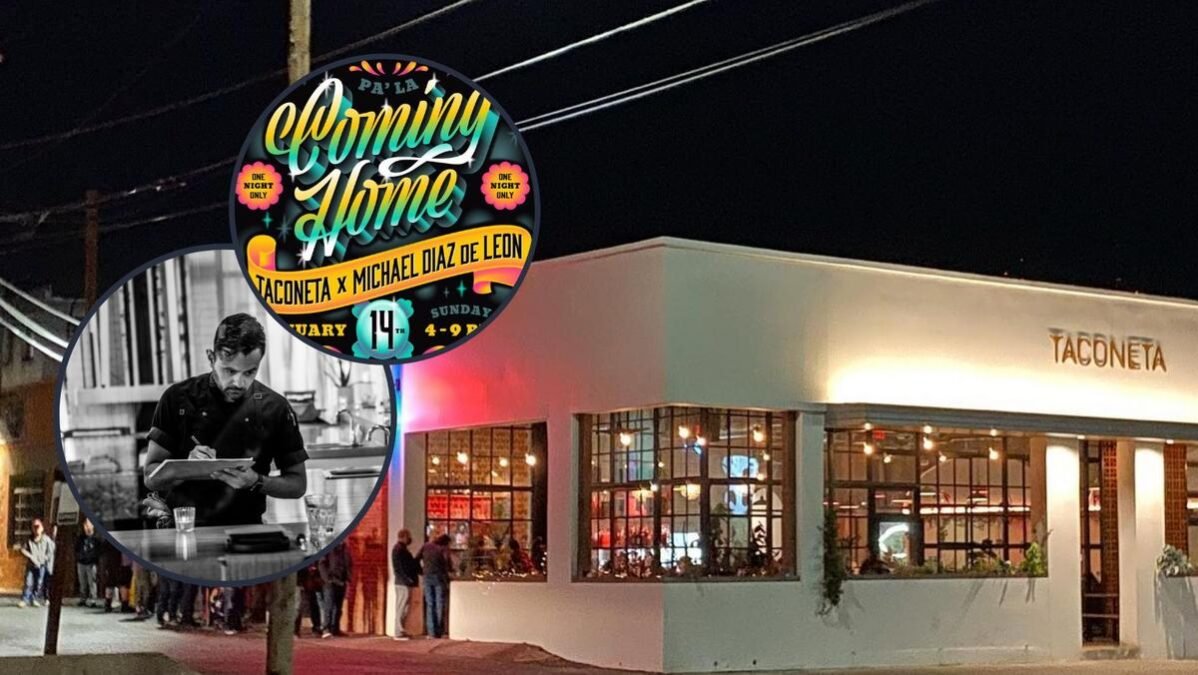
This expansion matters for anyone trying to understand Taconeta’s broader trajectory within the Texas dining landscape, since moving from a single borderland location to a presence in one of the state’s largest metro areas signals genuine confidence in the underlying concept’s appeal beyond its original community. Reviews from the Fort Worth location suggest the kitchen has successfully maintained the same core menu and quality standards established in El Paso, rather than diluting the concept to fit a different market. For travelers or new residents in either city, knowing that both locations share the same foundational approach to tortillas, sourcing, and menu philosophy makes it easier to know exactly what to expect regardless of which location you happen to visit.
How Taconeta Fits Into El Paso’s Broader Taco Scene
El Paso has quietly built a genuinely respected taco culture, one that often gets overlooked in broader conversations about Texas barbecue and Tex-Mex compared to cities like Austin or San Antonio. Within statewide rankings that have sampled well over a thousand tacos across Texas, Taconeta has been recognized among the state’s most notable options, specifically praised for representing what food writers have described as part of a broader “New Tejano” movement blending traditional technique with modern presentation and ingredient sourcing. This recognition places Taconeta in genuinely impressive company alongside other respected El Paso establishments that have similarly earned national attention for their craft.
Understanding this context helps explain why Taconeta resonates so strongly with both longtime El Paso residents and visitors passing through the borderland region. The restaurant doesn’t position itself as a replacement for the city’s older, more traditional taquerias, but rather as a complementary expression of the same culinary heritage, one that emphasizes heirloom ingredients and slower, more deliberate preparation methods without abandoning the casual, approachable spirit that defines good taco culture everywhere. This balance between innovation and respect for tradition is precisely what has allowed Taconeta to build a loyal following that spans multiple generations of diners with very different expectations walking through the door.
What a First-Time Visit Actually Feels Like
Stepping up to Taconeta for the first time often involves a brief moment of recalibration, since the modest street-facing exterior gives almost no indication of the lively, detail-rich space waiting inside once you actually step through the door. As one longtime regional food writer described the experience after visiting on a particularly busy evening, the line outside isn’t a result of any single award or feature, it’s simply how things have looked since the restaurant opened, a steady, consistent draw built entirely on repeat customers rather than fleeting hype. That kind of organic, sustained popularity tends to say more about a restaurant’s actual quality than any individual review or accolade ever could on its own.
Once inside, the noise level and energy can catch newcomers slightly off guard, since the combination of an open layout, high ceilings, and a consistently full dining room creates an atmosphere that leans lively rather than quiet or intimate. This isn’t necessarily a drawback, since the energy matches the food itself, but it’s worth knowing in advance if you’re planning a visit specifically for a quiet conversation rather than a louder, more communal dining experience. Arriving slightly earlier or later than peak lunch and dinner hours remains the most reliable way to enjoy a somewhat calmer version of the same excellent food without sacrificing anything in terms of quality or portion size.
Dietary Accommodations and Menu Flexibility
Taconeta has built genuine flexibility into its menu for diners navigating vegetarian, vegan, or gluten-conscious preferences, rather than treating these accommodations as a single token item buried at the bottom of the menu. The fried mushroom taco and the Milpa Bowl both stand out as fully realized vegetarian and vegan-friendly options respectively, built with the same level of care and flavor complexity applied to every meat-based dish on the menu. Because the core tortillas are made from nixtamalized corn rather than wheat-based alternatives, many of the taco options are also naturally accommodating for gluten-sensitive diners, though confirming specific preparation details directly with staff remains the safest approach for anyone managing a serious allergy or sensitivity.
This level of accommodation reflects a broader trend within modern taquerias generally, where dietary inclusivity has shifted from a niche request to a genuine expectation among diners across nearly every demographic. Taconeta’s approach demonstrates that building thoughtful vegetarian and vegan options doesn’t require sacrificing the kitchen’s core identity or watering down flavor in the process, since dishes like the fried mushroom taco have become genuine favorites in their own right rather than simply functioning as a fallback option for diners with dietary restrictions. This kind of intentional menu design ultimately benefits every guest, since it signals a kitchen thinking carefully about flavor and texture across the entire menu rather than focusing disproportionate attention on just the meat-based options.
Common Misconceptions About Taconeta Worth Clearing Up
A persistent misconception assumes that a counter-order, taco-window format automatically signals a lower-effort, fast-casual experience comparable to a typical quick-service taco shop down the street. In reality, the ordering format at Taconeta exists purely for operational efficiency rather than reflecting any compromise in food quality, ingredient sourcing, or culinary ambition, as evidenced by the restaurant’s James Beard Foundation recognition and its consistent placement on serious statewide best-of lists. Conflating the ordering style with the overall caliber of the food significantly understates what the kitchen is actually accomplishing on a daily basis.
Another common misconception assumes that Taconeta’s modern presentation and inventive dishes mean it sacrifices authenticity in favor of trend-chasing fusion cuisine. This characterization overlooks the genuinely traditional foundation underlying everything served, since the nixtamalization process, heirloom corn sourcing, and stone-milling technique all represent centuries-old methods rather than modern shortcuts dressed up with contemporary plating. Taconeta’s innovation lives primarily in flavor combinations and presentation choices layered on top of deeply traditional technique, rather than in abandoning tradition altogether, which is precisely the balance that has earned it such consistent praise from both casual diners and serious culinary critics alike.
Tips for Making the Most of Your Visit
Anyone planning a trip to Taconeta benefits from a few practical strategies that consistently improve the overall experience based on recurring patterns across reviews and firsthand accounts. Arriving slightly before or after the core lunch and dinner rush, generally the hour surrounding noon and the hour surrounding seven in the evening, significantly reduces wait times without requiring any sacrifice in food quality or freshness. Bringing a slightly flexible mindset toward the ordering process also helps, since the taco-window format moves quickly once you understand the system, even though it can look intimidating from outside if the line stretches toward the street on a particularly busy weekend.
Ordering a variety of tacos individually rather than committing immediately to a single family-style pack remains one of the most consistently recommended strategies among repeat visitors, since it allows newcomers to sample the kitchen’s range before settling into personal favorites on future visits. Pairing your meal with at least one item from the bar program, whether a hibiscus margarita or a simple agua fresca, captures a meaningful part of the overall experience that’s easy to overlook if you’re focused entirely on the food. These small adjustments, while simple individually, collectively transform a good meal into something closer to the full experience that has made Taconeta such a consistently recommended destination, regardless of whether it’s your first visit or your fiftieth.
Pricing and Value: What to Expect on the Bill
Taconeta sits comfortably in the moderate price bracket for a sit-down taco experience, generally categorized in the same tier as other respected modern taquerias rather than positioning itself as either a budget option or a high-end splurge. Individual tacos ordered à la carte allow for flexible spending depending on appetite and group size, while the family-style taco packs offer a more economical per-person cost for larger groups looking to share a wider variety without ordering everything individually. Some reviewers have noted that prices run slightly higher than a typical neighborhood taco stand, though the overwhelming sentiment is that the quality of ingredients, the labor-intensive tortilla-making process, and the overall experience justify the difference.
This pricing structure makes sense once you consider everything happening behind the scenes before a single taco reaches the table. Sourcing heirloom corn directly from farmers in central Mexico, maintaining a stone mill for fresh masa production, and running a bar program serious enough to earn James Beard recognition all carry real costs that a restaurant using shortcuts simply wouldn’t incur. Diners who understand this context tend to view the pricing as a fair reflection of genuine craft rather than an inflated markup, particularly when compared against other restaurants in the region attempting to replicate a similar farm-to-table, traditional-technique approach without the same level of commitment behind the scenes.
How Taconeta Compares to Typical Taqueria Experiences
Stacking Taconeta up against a more conventional taqueria reveals just how many small decisions separate a good taco from a genuinely memorable one. A typical quick-service taco stand might rely on pre-made tortillas, standardized fillings, and a narrow set of salsa options designed purely for speed and consistency across high volume. Taconeta inverts that priority structure almost entirely, treating speed as a secondary concern behind ingredient quality, technique, and a menu built to encourage genuine exploration rather than quick, repetitive ordering.
This distinction becomes especially clear once you consider the bar program, the rotating seasonal touches, and the sheer variety packed into categories like Botanas and sides that a standard taqueria typically wouldn’t bother developing at all. Where a conventional taco shop might offer two or three protein options and call it complete, Taconeta treats each dish, from the suadero taco to the Milpa Bowl, as its own opportunity to demonstrate technique and thoughtful flavor pairing. This doesn’t make Taconeta inherently superior to every traditional taqueria, since plenty of no-frills spots produce outstanding food through decades of practiced simplicity, but it does explain why Taconeta has carved out a distinct lane that appeals specifically to diners seeking variety, presentation, and a slightly more elevated overall experience.
The Role of Sustainability in Taconeta’s Kitchen Philosophy
Beyond ingredient quality, Taconeta has built sustainability into its daily operations in ways that extend well past the marketing language often slapped onto restaurant menus without much substance behind it. Co-owner Alejandro Borunda has spoken directly about the importance of minimizing food waste, treating it as an environmental, ethical, and social issue rather than a simple operational footnote to manage quietly behind the scenes. This commitment shows up in practical ways throughout the kitchen, from how trim and offcuts get repurposed into stocks and sauces to how portion planning is handled to avoid the kind of excess waste that plagues many high-volume restaurants operating at similar scale.
The sourcing relationships Taconeta has built with corn farmers in central Mexico reflect this same underlying philosophy, prioritizing a direct supply chain over the convenience of mass-produced, commercially processed alternatives. This approach supports smaller agricultural producers while simultaneously delivering a noticeably superior product, creating a rare situation where sustainability and quality reinforce each other rather than existing in tension. For diners who care about where their food comes from and how a restaurant operates beyond what’s visible on the plate, this kind of transparency adds a meaningful layer of context to an already compelling dining experience.
The Cultural Significance Behind Taconeta’s Approach
Understanding Taconeta requires looking beyond the menu itself toward the broader cultural conversation it participates in in along the US-Mexico border. El Paso and its sister city Ciudad Juárez share a history and culture so deeply intertwined that families frequently span both sides of the Rio Grande, visiting one another daily in a relationship that predates the modern border itself by generations. Taconeta’s emphasis on heirloom Mexican corn and traditional nixtamalization technique connects directly to this shared heritage, treating food as a genuine vehicle for preserving and celebrating regional history rather than simply as a commercial product.
This cultural framing matters because it explains why Taconeta resonates so strongly with longtime borderland residents who recognize the techniques and flavors as authentic expressions of a shared culinary lineage, rather than viewing them as a novel reinvention imported from elsewhere. At the same time, the restaurant’s modern presentation and inventive flavor combinations make that same heritage accessible and exciting to visitors and younger diners who might not have prior exposure to nixtamalized corn or traditional Mexican techniques. Balancing authenticity with approachability this successfully is genuinely difficult to achieve, and it represents one of the more understated reasons behind Taconeta’s sustained popularity across such a wide range of diners.
Planning a Group Visit or Special Occasion
Taconeta’s lively atmosphere and varied menu make it a genuinely strong choice for group celebrations, though a bit of advance planning goes a long way toward ensuring a smooth experience for larger parties. Because seating operates on a first-come, first-served basis once orders are placed at the window, larger groups benefit from arriving slightly earlier than their planned start time to secure enough table space together, particularly during peak weekend hours when the dining room fills quickly. Calling ahead to ask about accommodating a larger party, especially for celebrations involving eight or more guests, can help avoid any last-minute scrambling once everyone arrives.
The family-style taco packs become especially useful in group settings, since they allow everyone at the table to sample multiple proteins without each individual needing to order separately and risk missing out on a dish someone else loved. Pairing this approach with a round of drinks from the bar program, whether hibiscus margaritas for the table or a mix of aguas frescas for guests who prefer something non-alcoholic, creates the kind of shared, celebratory atmosphere that has made Taconeta a popular choice for birthdays, reunions, and casual get-togethers among both longtime locals and visitors passing through the region.
Seasonal Menu Rotation and What Tends to Change
Like many restaurants committed to genuinely fresh, sourced-with-intention ingredients, Taconeta’s menu shifts somewhat throughout the year to reflect what’s actually in season rather than locking every dish into a permanent, unchanging format. Produce-driven sides and the salsa lineup tend to see the most noticeable seasonal variation, since fresh chiles, tomatoes, and seasonal fruit used in aguas frescas naturally fluctuate in availability and peak flavor across different months. Diners who visit Taconeta regularly often notice these subtle shifts, discovering a slightly different version of a familiar favorite depending on the time of year they happen to visit.
This kind of seasonal responsiveness reinforces the same underlying philosophy that defines the restaurant’s approach to tortillas and core ingredients more broadly, prioritizing genuine quality over rigid consistency for its own sake. Rather than forcing an inferior, out-of-season ingredient onto the menu simply because a particular dish has always included it, the kitchen appears willing to adjust slightly to maintain its actual standards. For anyone planning multiple visits across different seasons, this means there’s genuine value in returning more than once, since the Taconeta menu rewards repeat exploration rather than staying static from one visit to the next.
Final Thoughts on Why Taconeta Has Earned Its Reputation
Taconeta’s success ultimately comes down to a combination of genuine technical craft and a clear, consistent vision that hasn’t wavered since the restaurant opened its doors in the middle of a global pandemic. From the heirloom corn and stone-milled tortillas to a bar program serious enough to earn James Beard recognition, every element of the restaurant reflects a level of intentionality that’s genuinely rare to find at a counter-order taqueria. The result is a dining experience that manages to feel both deeply rooted in tradition and refreshingly modern at the same time, without sacrificing the casual, welcoming spirit that good taco culture has always been built around.
This guide has walked through everything from the restaurant’s origin story and signature dishes to practical ordering logistics and the honest, balanced picture painted by genuine customer feedback. Whether you’re studying the Taconeta menu in advance, browsing Taconeta photos to set expectations, or reading through Taconeta reviews to decide if a visit is worth the trip, the consistent throughline across every source points toward the same conclusion: this is a restaurant built on substance rather than hype, and that distinction is exactly why it continues to draw lines out the door, year after year, in both El Paso and Fort Worth alike. For anyone still deciding whether to make the trip, the safest takeaway from everything covered here is simple: arrive with an appetite, a little patience for the line, and genuine curiosity about what traditional technique paired with modern creativity can actually accomplish on a single plate.
FAQs
What should I order on my first visit to Taconeta?
First-time visitors generally do best starting with the suadero taco, the carnitas taco, and the fried mushroom taco, since these three dishes represent the kitchen’s range across rich, comforting, and vegetarian flavor profiles. Pairing these with the grilled elote and a hibiscus margarita rounds out a first visit that genuinely reflects what makes Taconeta worth the wait.
Where can I find an updated Taconeta menu before visiting?
The most reliable way to check the current Taconeta menu is directly through the restaurant’s official website or its listed ordering platform, since menus and seasonal specials can shift over time. Several third-party restaurant directories also maintain Taconeta menu listings sourced from photos and public information, though calling ahead remains the safest way to confirm current pricing and availability.
Are Taconeta photos available before I decide to visit?
Yes, Taconeta photos are widely available across review platforms, social media, and the restaurant’s own online presence, offering a genuinely useful preview of both the food and the interior atmosphere. Browsing a range of Taconeta photos from different sources, rather than relying on a single curated gallery, gives the most accurate sense of portion sizes and presentation before ordering.
What do most Taconeta reviews say about wait times?
Most Taconeta reviews acknowledge that lines can form quickly during peak hours, but the overwhelming consensus across reviews is that the line moves efficiently and the food justifies the wait once it arrives. Visiting slightly outside traditional lunch and dinner peak hours remains the most effective way to minimize wait time based on recurring feedback found throughout Taconeta reviews.
Does Taconeta have locations outside of El Paso?
Yes, Taconeta expanded beyond its original El Paso location with a second restaurant in Fort Worth, bringing the same nixtamalized corn philosophy and core menu to a new market. Both locations maintain consistent quality standards, so visitors can expect a similar experience regardless of which city they happen to be in.
Is Taconeta a good option for vegetarian or vegan diners?
Yes, Taconeta offers genuinely satisfying vegetarian and vegan options, particularly the fried mushroom taco and the Milpa Bowl, both built with the same level of culinary care applied to every other dish on the menu. These options have developed their own dedicated following rather than functioning as an afterthought for diners with dietary restrictions.