



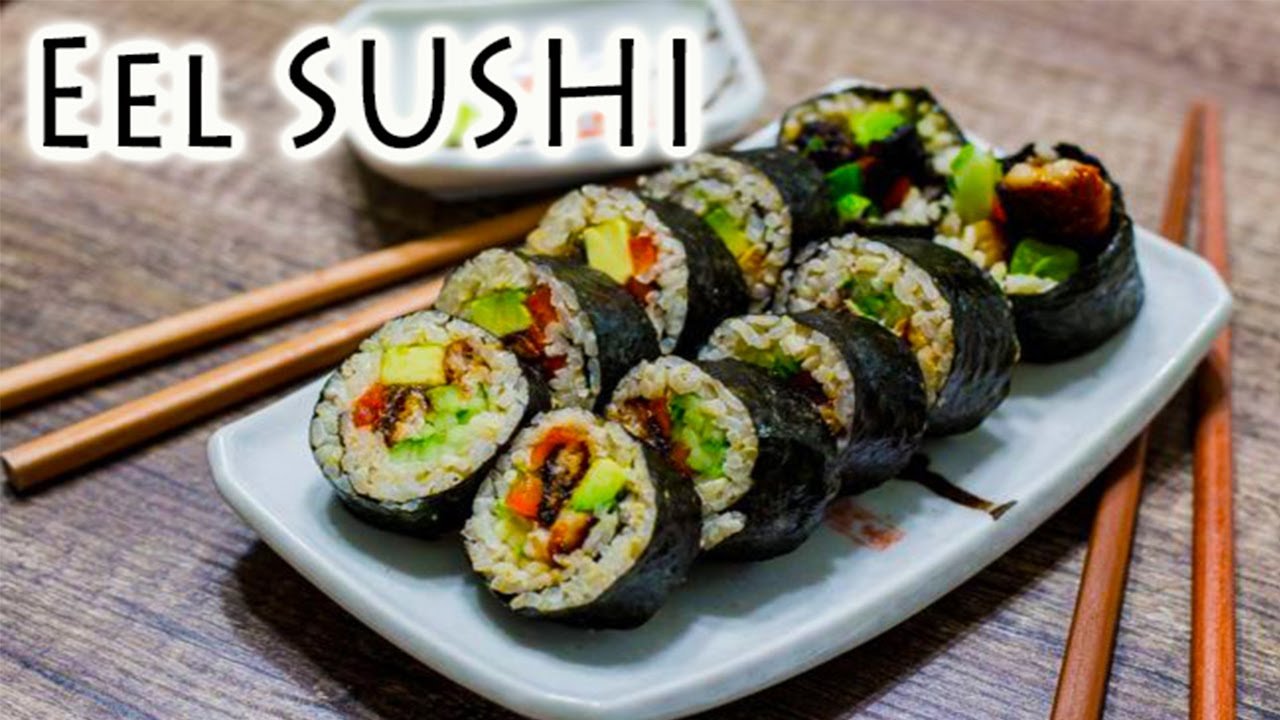
Eel Sushi Explained: The Ultimate Guide to Unagi, Anago, and Eel Sushi Rolls
Eel Sushi Explained: Few items on a sushi menu spark as much curiosity as eel sushi. eel sushi looks unassuming, often glazed in a glossy brown sauce, yet it carries one of the most distinctive flavor profiles in Japanese cuisine. For newcomers, the first bite is usually a surprise: tender, slightly sweet, smoky, and nothing like the raw fish most people expect from a sushi counter. That’s because, unlike most sushi, eel is almost always cooked before it ever touches the rice.
This guide breaks down everything worth knowing about this beloved dish, from eel sushi preparation methods and naming conventions to its nutrition, sustainability, and best uses on a menu. Whether you’re a curious first-timer or someone who already orders it regularly and wants to understand it on a deeper level, this article aims to be the most thorough resource available on the subject, covering the practical, historical, and cultural angles that most overviews skip entirely. We’ll also look at how regional traditions, restaurant practices, and even home-cooking shortcuts have shaped the way people experience this dish today, since context tends to make every bite noticeably more enjoyable.
By the end, you should be able to walk into virtually any sushi restaurant and order with genuine confidence, ask informed questions about sourcing and preparation, and even attempt a respectable version at home if you’re inclined to try cooking it yourself. Along the way, we’ll clear up persistent misconceptions, compare eel sushi against other popular sushi categories, and explain why a dish that looks so simple on a plate actually involves one of the more demanding preparation processes found anywhere in Japanese cuisine.
What Is Eel Sushi
This dish refers to a style of Japanese cuisine made using eel as the primary protein, typically served as nigiri, where the cooked fish is draped over pressed rice, or rolled into a maki-style preparation with vegetables tucked alongside it. Unlike tuna, salmon, or yellowtail, eel is virtually never served raw at a sushi counter. eel sushi is grilled, simmered, or steamed first, then brushed with a thick, slightly sweet glaze before it ever reaches your plate. This cooking step is what gives the finished dish its signature soft texture and caramelized aroma, setting it apart from nearly everything else on a typical menu.
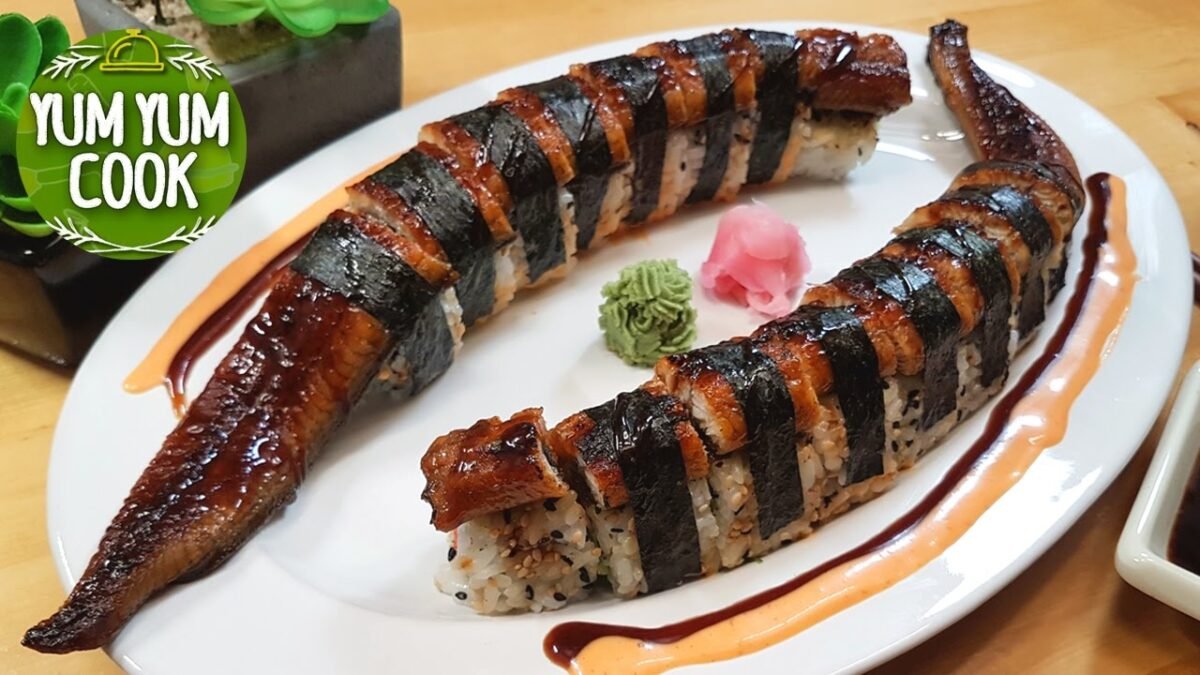
The dish has earned a loyal following because it offers something genuinely different from the raw-fish experience many people associate with sushi in general. The texture is closer to a tender, flaky piece of grilled fish than the firm bite of sashimi-grade tuna, and the flavor leans savory-sweet rather than oceanic or briny. For people who are hesitant about raw seafood, this particular preparation often becomes their gateway into the broader sushi world, since eel sushi delivers bold, satisfying flavor without requiring any comfort level with raw ingredients at all. It’s a dish built for confidence, not caution.
The Eel Sushi Name Explained
One of the most common points of confusion among diners involves the eel sushi name itself, because Japanese cuisine actually uses two different terms depending on which type of eel is being served. Unagi refers to freshwater eel, while anago refers to saltwater or conger eel, and both terms appear on menus around the world, though unagi is by far the more common option outside Japan. The reason comes down to flavor: unagi has a richer, fattier profile that pairs beautifully with the sweet glaze typically used in preparation, while anago tends to be leaner and more delicate.
Understanding this naming distinction matters if you want to order with real confidence at a sushi counter. Anago is lighter, milder, and slightly more refined in texture, while unagi is fattier, bolder, and more intensely flavored, almost dessert-like in eel sushi richness once glazed and grilled. Some traditional Japanese restaurants specialize almost exclusively in one variety or the other, and high-end unagi specialty shops even develop their own dedicated grilling techniques, passed down through generations of trained chefs. Knowing which term applies to which fish helps set accurate expectations before the plate ever arrives at your table.
Freshwater Eel Sushi vs Saltwater Eel
This version, made from unagi, is the one most people encounter at restaurants outside Japan, and eel sushi has become something of a default standard in Western sushi culture. These eels are raised primarily on aquaculture farms today, since wild freshwater eel populations have declined sharply over the past several decades due to habitat disruption and overfishing. The farming process typically takes one to two years from juvenile to harvest, with eels raised in controlled freshwater ponds before being processed and prepared for cooking.
Saltwater eel, or anago, is wild-caught more often than farmed and tends to carry a lighter, less oily profile overall. Because freshwater varieties have a richer fat content, they hold glaze and grill marks beautifully, which is part of why farmed unagi became the default choice for classic preparations like unagi nigiri and unadon rice bowls. Saltwater anago, by contrast, is often served with just a light dusting of salt rather than a heavy sauce, allowing eel sushi more subtle, oceanic flavor to come through clearly. Both versions are entirely valid culinary choices, but they offer genuinely different eating experiences that are worth trying side by side to fully appreciate the contrast.
How This Dish Is Prepared
The preparation behind this dish is a multi-step process that distinguishes eel sushi from nearly every other sushi protein on the menu. The eel is first cleaned, deboned, and filleted, a task that traditionally required years of apprenticeship in Japan because the bones are thin, numerous, and easily missed by an untrained hand. Once filleted, the eel is either grilled over charcoal, steamed, or prepared using a combination of both methods, depending on regional style and the individual chef’s training.
After cooking, the eel is brushed repeatedly with a glaze made from soy sauce, mirin, sugar, and sake, which caramelizes slightly with each pass over the heat source. This glaze, often called tare, is frequently reused and refined over years at long-standing specialty restaurants, with some shops claiming sauce bases that have been continuously replenished for multiple decades. The finished eel is then sliced and laid over vinegared rice to form nigiri, or combined with cucumber, avocado, and other fillings to build a roll. The entire multi-step process explains why skilled eel preparation is treated as a specialized culinary craft rather than a simple kitchen task in Japan.
The History and Origins of the Dish
Eel has been part of Japanese cuisine for well over a thousand years, predating modern sushi entirely as we understand eel sushi today. Historical records suggest eel was eaten as a restorative food, especially during the hot, humid summer months, since it was widely believed to provide stamina and combat seasonal fatigue. This tradition continues even now, with a specific midsummer holiday in Japan still dedicated to eating grilled eel for energy and vitality, a custom that dates back centuries.
The integration of eel into modern sushi specifically developed as sushi itself evolved from a fermented preservation method into the fresh, vinegared-rice style popularized during the Edo period in Tokyo. As nigiri became standardized through the 1800s, chefs began incorporating cooked proteins like eel alongside raw fish, recognizing that not every ingredient needed to be served uncooked to be considered authentic or worthy of inclusion. This historical flexibility is precisely why this preparation remains a respected, traditional choice rather than a modern shortcut or a Western fusion invention, despite common assumptions to the contrary.
Popular Eel Sushi Roll Varieties
The classic eel sushi roll has become one of the most requested items at sushi restaurants worldwide, largely because the combination translates so well into countless creative variations. The traditional version pairs eel with cucumber and avocado, rolled with rice on the outside or inside, then topped with extra glaze and sometimes a scattering of sesame seeds. This combination balances the richness of the fish with the crispness of cucumber and the creaminess of avocado, creating a roll that feels complete without being heavy.
Beyond the traditional version, many restaurants now offer specialty takes that layer thin slices over a California-style base, top a dragon roll with eel arranged to resemble overlapping scales, or combine it with spicy tuna for textural and flavor contrast. Some modern interpretations push even further, pairing eel sushi with tempura crunch, mango, or spicy mayo in fusion-style presentations that would feel unfamiliar in a traditional Japanese setting. The widespread popularity of these rolls has made the flavor recognizable even among diners who rarely, if ever, order classic nigiri.
Nutritional Profile
Eel is a calorie-dense protein compared to leaner fish like tuna or whitefish, primarily because of its naturally higher fat content. A typical serving of this dish in nigiri form contains a meaningful amount of healthy fats, protein, vitamin A, and vitamin B12, making it more nutrient-dense overall than many other common sushi options. The fat content is also what gives the cooked fish its smooth, almost buttery mouthfeel once properly grilled and glazed.
That said, the sweet glaze used in most preparations adds sugar and sodium that should factor into any honest nutritional assessment of the dish. People monitoring sugar or sodium intake may want to request a lighter glaze or ask for the sauce served on the side rather than fully coating the fish before eel sushi arrives. Despite these considerations, eel remains a genuinely strong source of omega-3 fatty acids, and moderate consumption fits comfortably within a balanced diet for the vast majority of people who enjoy it occasionally.
Health Benefits and Considerations
Beyond basic nutrition, eel offers several specific health advantages tied directly to eel sushi vitamin and mineral content. It is notably high in vitamin A, which supports eye health and immune function, and it contains substantial vitamin B12, important for nerve function and healthy red blood cell production. The omega-3 fatty acids found in eel also contribute meaningfully to cardiovascular health when consumed as part of a varied, balanced diet over time.
On the consideration side, the higher fat and calorie content of eel means portion control matters more here than it would with leaner sushi options like white fish. Additionally, because eel is always cooked rather than served raw, eel sushi carries a lower risk profile related to parasites, making it a comfortable choice for pregnant individuals or anyone simply cautious about raw seafood, though consulting a healthcare provider remains wise for specific dietary situations or restrictions. Overall, this dish can reasonably be enjoyed as a nutrient-rich indulgence rather than treated as an everyday dietary staple.
What the Flavor Actually Tastes Like
Describing the taste to someone who has never tried eel sushi is a bit like describing barbecue to someone who has only ever eaten boiled chicken. The flavor is rich, slightly smoky from grilling, and carries a natural sweetness from the glaze that caramelizes during cooking, creating layers of flavor that build with every bite. The texture is soft and almost custard-like, quite different from the firmer bite most newcomers expect when they picture a sushi counter.
There is also a subtle umami depth that comes from the combination of the eel’s natural oils and the soy-based glaze, creating a flavor that lingers pleasantly rather than tasting fishy or overpowering in any way. Many first-time eaters compare eel sushi to a cross between teriyaki chicken and smoked salmon, though that comparison only captures part of the full experience. The best way to understand it fully is to try a single piece of unadorned nigiri before moving on to elaborate rolls, since the simple version best showcases what makes this particular fish so distinct from everything else on the menu.
Comparing It to Other Sushi Types
Comparing this preparation to other popular sushi options highlights why eel sushi occupies such a unique place on nearly every menu it appears on. Unlike tuna or salmon nigiri, which rely on freshness and minimal preparation to shine, this dish depends almost entirely on cooking technique and sauce craftsmanship rather than raw ingredient quality alone. This makes it more comparable in spirit to teriyaki or unadon-style dishes, even though it’s served in classic sushi form at the counter.
Where tuna and salmon emphasize clean, oceanic flavors, eel brings a heavier, more savory-sweet profile that some diners describe as almost dessert-adjacent in its overall richness. Shrimp sushi, often served cooked as well, shares some textural similarities but lacks the same depth of glaze-driven flavor that defines a well-prepared eel dish. For diners building a tasting progression at a sushi counter, this option is frequently recommended as a flavorful midpoint between mild white fish and intensely flavored items like uni or fatty tuna belly.
Sauce: The Secret Behind the Dish
The glaze used in most preparations, known as nitsume or unagi sauce, deserves attention entirely on its own because eel sushi fundamentally shapes the dish’s overall identity and character. Made primarily from soy sauce, mirin, sugar, and sometimes sake, the sauce is simmered down into a thick, glossy syrup that clings to the fish rather than simply running off the surface. Its sweetness is carefully balanced against the saltiness of soy sauce, creating a flavor that complements the eel underneath rather than masking it entirely.
At many specialty restaurants in Japan, the sauce base is preserved and replenished continuously, sometimes across generations, with chefs adding fresh ingredients to an existing batch rather than starting completely from scratch each time. This practice deepens the flavor complexity considerably over the years, similar to how a well-maintained sourdough starter develops noticeable character over time. While most restaurants outside Japan rely on a simplified version of this sauce, the underlying principle remains the same: the glaze is never an afterthought, but a defining feature of why the dish tastes the way it does. Some chefs even adjust the ratio of soy sauce to mirin slightly depending on the season or the specific cut of eel being used, fine-tuning sweetness and saltiness in ways that a casual diner might never consciously notice but would absolutely miss if eel sushi were done poorly.
Sustainability and Sourcing
Sustainability has become an increasingly important conversation around freshwater eel sushi, since wild eel populations have faced significant declines across multiple continents. Japanese eel, European eel, and American eel have all experienced population pressures due to overfishing, habitat loss, and barriers like dams that interfere with their unusual and still partially mysterious migratory life cycle. This pressure has pushed the broader industry toward farming, though farming itself still depends heavily on wild-caught juvenile eels, called glass eels, since breeding eel in captivity at commercial scale remains technically difficult.
Some conservation organizations have raised genuine concerns about the long-term sustainability of current farming practices, given this continued reliance on wild-caught juveniles rather than captive breeding. Restaurants and suppliers increasingly look for certifications or sourcing transparency to address these concerns directly, and some have begun experimenting with alternative species or farming techniques designed to reduce pressure on wild populations over time. For diners who genuinely care about sustainability, asking a restaurant about eel sushi eel sourcing practices is a reasonable and increasingly common question, and awareness around these issues continues to grow alongside the dish’s rising popularity worldwide. This shift mirrors what’s happened with other once-overlooked seafood categories, where consumer curiosity eventually pushed an entire supply chain toward greater accountability, and there’s a reasonable chance eel sourcing follows a similar trajectory over the next several years.
How to Order With Confidence
Ordering with real confidence starts with knowing the terminology, since menus often use unagi and anago interchangeably even though they refer to genuinely different fish with different flavor profiles. If a menu simply lists eel without specifying which type, it’s worth asking the server or sushi chef directly, especially at restaurants known for specializing in one particular variety over the other. This small step shows genuine interest and frequently results in better, more personalized recommendations from the staff working the counter.
Eel sushi also helps to order this dish earlier in a meal rather than at the very end, since its rich, sweet flavor can easily overpower more delicate items like white fish or sashimi if eaten afterward. Many experienced sushi-bar regulars treat it as a flavorful midpoint course, enjoyed after milder starters but well before the boldest, fattiest cuts arrive at the table. Asking whether the eel is grilled fresh to order or simply reheated from a pre-prepared batch can also reveal quite a lot about a restaurant’s overall quality standards and attention to craft. If the kitchen seems hesitant or vague when answering that question, it often a quiet signal that the eel program isn’t a real priority for that particular restaurant.
Making It at Home
Home cooks interested in recreating this dish have more accessible options than they might initially expect, thanks to pre-cooked, vacuum-sealed unagi fillets sold at many Asian grocery stores. These fillets arrive already grilled and glazed, requiring only a quick reheat in the oven or a hot pan before slicing and placing over freshly prepared sushi rice. This makes a homemade version far more approachable than attempting raw-fish preparations, which require carefully sourcing sashimi-grade seafood from a trusted supplier.
To build a satisfying roll at home, seasoned short-grain rice, nori sheets, cucumber, and avocado are typically all that’s needed beyond the eel fillet itself. A bamboo rolling mat helps achieve a tight, even shape, and a light brushing of extra sauce on top adds a convincing restaurant-style polish to the finished product. For beginners, starting with a simple nigiri-style preparation, just a warmed slice over a small mound of rice, is often considerably easier than attempting a fully rolled version on the very first try.
Common Misconceptions Worth Clearing Up
One persistent misconception is that the dish is always raw, which leads some hesitant diners to avoid it entirely without ever realizing eel sushi almost universally cooked before serving. This misunderstanding likely stems from sushi’s broader cultural association with raw fish, even though traditional Japanese cuisine has always included cooked proteins like eel, cooked shrimp, and tamago alongside raw selections. Clearing up this confusion alone often turns sushi-hesitant diners into enthusiastic, repeat customers of this particular preparation.
Another common misconception involves the eel sushi name itself, with many diners assuming unagi and anago are simply different words for the same fish rather than two genuinely distinct species with different flavor profiles entirely. Some people also mistakenly believe the dish is a modern American invention created purely for fusion-roll menus, when in reality eel has been part of Japanese cuisine for centuries, predating the California-style rolls many people now associate it with today. A related myth holds that the glaze is just a generic “sweet soy sauce” poured straight from a bottle, when in practice eel sushi a slow-reduced sauce that takes real time and attention to get right, and the difference between a good batch and a mediocre one is often immediately obvious on the palate. Addressing these misconceptions helps diners approach the dish with far more accurate expectations and a deeper sense of appreciation.
Pairing It With Drinks and Sides
The rich, sweet, savory profile of this dish pairs particularly well with beverages capable of standing up to its intensity without clashing or getting lost. Dry sake, with its clean, slightly mineral finish, is a traditional pairing that cuts through the glaze’s sweetness quite effectively. For those who prefer beer, a crisp Japanese lager offers a similarly refreshing contrast, while green tea provides a more neutral, palate-cleansing option to sip between bites at the table.
On the food side, pickled ginger and a light cucumber salad work particularly well alongside it, offering acidity and crunch that balance out the dish’s natural softness and richness. Miso soup, served as a starter before the main course arrives, also complements the flavor nicely without competing for attention on the palate. Avoiding overly sweet or heavy side dishes is generally a wise idea, since the eel itself already carries significant sweetness from its glaze before anything else is added to the plate. A simple, lightly dressed seaweed salad can also work well as a refreshing counterpoint, especially if you’re ordering several pieces back to back and want something crisp between bites.
How It Has Spread Around the World
While this dish originated in Japan, its popularity has spread globally over the past several decades, with distinct regional adaptations emerging across the United States, Europe, and other parts of Asia. In American restaurants, eel is frequently featured in elaborate specialty rolls, often combined with ingredients like mango, spicy mayo, or tempura flakes that would never appear on a traditional Japanese menu. This fusion approach has introduced eel to audiences who might otherwise never visit a dedicated Japanese eel specialty restaurant in the first place.
In parts of Europe, particularly the Netherlands and Germany, smoked eel has its own long culinary tradition independent of sushi entirely, which has influenced how some European sushi restaurants prepare and present their eel dishes, sometimes leaning toward smokier flavor profiles. Meanwhile, in countries like South Korea and China, eel-based dishes draw on their own distinct regional culinary traditions while also incorporating sushi-style presentations clearly influenced by Japanese cuisine. This global spread demonstrates how a single ingredient can adapt convincingly to dramatically different culinary contexts while still retaining its core appeal.
Price and Value Considerations
This dish tends to sit at a moderate-to-premium price point compared to many other sushi options, reflecting both the labor-intensive preparation process and the rising cost of sourcing quality eel. Because farming juvenile eel remains dependent on wild-caught stock, and because preparation requires genuinely skilled deboning and grilling work, prices have generally trended upward over roughly the past decade. This trend is worth understanding before assuming a higher price automatically reflects poor value rather than legitimate production complexity behind the scenes.
When evaluating value, it helps to consider that a well-prepared roll or nigiri delivers a more complex flavor experience than many lower-cost menu items, given the multiple preparation steps required to produce it properly. Restaurants that source quality freshwater eel sushi from reputable suppliers and prepare their own sauce in-house typically justify a higher price point through noticeably better flavor and texture in the final product. As with most specialty foods, paying slightly more at an establishment known for quality eel preparation often results in a significantly better overall experience than simply choosing the cheapest version available nearby. eel sushi a similar logic to paying more for a well-aged steak instead of a thin, low-grade cut: the ingredient itself might look comparable at a glance, but the preparation behind it makes all the difference in the final result on your plate.
Its Place in Modern Food Culture
This dish has found a notable place in modern food culture well beyond traditional restaurant settings, appearing in everything from social media food videos to ambitious gourmet fusion menus. Its visually appealing glaze and distinctive texture make it a popular subject for food photography, which has further boosted visibility among younger diners discovering sushi through online content rather than family tradition or formal dining experience. This visibility has helped introduce the flavor to audiences who might otherwise stick exclusively to more familiar options like California rolls.
At the same time, chefs at high-end restaurants have begun experimenting with eel in non-traditional formats, incorporating it into tasting menus, rice bowls, or even appetizers that reference sushi without strictly following its traditional format. This creative expansion reflects eel’s genuine versatility as an ingredient, capable of working within strict traditional contexts as well as far more experimental culinary settings. As one respected sushi chef once put it, “Eel rewards patience, both in the kitchen and at the counter, because nothing about it can be rushed without losing what makes it special.”
Choosing the Best Restaurant for It
Identifying a quality restaurant for this dish involves looking well beyond the menu description and paying close attention to preparation details that signal genuine craftsmanship behind the counter. Restaurants that grill eel fresh to order, rather than relying solely on pre-packaged, pre-glazed fillets, typically produce a noticeably better texture and aroma in the final dish. Watching whether the sushi counter has a visible grilling station, or simply asking staff about their eel preparation process, can reveal quite a lot about overall quality standards.
Reviews and reputation also matter significantly here, since eel preparation is technical enough that inconsistent results are fairly common at lower-quality establishments. Restaurants specializing specifically in unagi or anago, sometimes called unagi-ya in Japan, often represent the gold standard for this dish specifically, even if their broader sushi selection is more limited overall. For diners genuinely serious about experiencing this preparation at its very best, seeking out these specialized establishments, even occasionally, offers a meaningful upgrade over standard sushi-bar versions found elsewhere.
A Gateway Dish for Sushi Newcomers
Many newcomers find that an eel sushi roll serves as an unusually effective introduction to the broader world of sushi, precisely because it avoids the raw-fish hesitation that stops many people from trying sushi at all. Its familiar, cooked texture and sweet glaze create a comfortable entry point, often leading curious eaters to gradually explore other cooked options like shrimp tempura rolls before eventually working up to raw preparations later on. This gradual progression is a pattern frequently noted by sushi servers who recommend specific starting points for hesitant first-time diners.
This gateway effect also explains why eel-based rolls appear so prominently on beginner-friendly sushi menus, often positioned right alongside other approachable options like California rolls or shrimp tempura rolls. Restaurants recognize this pattern clearly and frequently design their menus to ease newcomers in gradually, using eel as a flavorful bridge between familiar cooked foods and the broader, more adventurous world of raw sushi. Recognizing this role helps explain its outsized popularity relative to how genuinely niche its preparation actually is behind the scenes. It also explains why so many people who claim they “don’t really like sushi” will happily order an eel roll without a second thought, since the dish quietly sidesteps the exact hesitation that keeps them away from everything else on the menu.
A Side-by-Side Comparison of Common Varieties
Understanding the differences between common preparations becomes much clearer with a direct side-by-side comparison laid out in one place. The table below breaks down the most frequently encountered versions, highlighting their key characteristics so diners can choose based on genuine personal preference rather than guesswork at the counter.
| Variety | Eel Used | Typical Flavor Profile | Common Preparation | Best For |
|---|---|---|---|---|
| Unagi Nigiri | Freshwater eel | Rich, sweet, smoky | Grilled, glazed with nitsume sauce | First-time eel eaters |
| Anago Nigiri | Saltwater eel | Light, delicate, mild | Simmered or lightly grilled, often salted | Diners who prefer subtler flavors |
| Classic Eel Roll | Freshwater eel | Sweet, savory, balanced | Eel with cucumber and avocado | Casual, everyday ordering |
| Dragon Roll | Freshwater eel | Sweet with textural contrast | Thin eel slices layered over a California-style roll | Visually striking presentation |
| Unadon-Style Bowl | Freshwater eel | Bold, heavily glazed | Eel over rice in bowl form | Diners wanting a heartier portion |
| Smoked Eel Style | Varies by region | Smoky, less sweet | Smoked rather than grilled | European-influenced sushi menus |
This comparison illustrates that the dish isn’t a single, fixed item but a flexible category with meaningful variation depending on the eel species and preparation style chosen. Recognizing these distinctions allows diners to order more intentionally, whether they’re seeking a bold, sweet flavor or something noticeably lighter and more restrained on the palate.
Where the Trend Is Heading Next
Looking ahead, the future of this dish will likely be shaped significantly by sustainability pressures and ongoing research into eel aquaculture practices. Scientists have made incremental progress toward fully captive-bred eel, which would reduce dependence on wild-caught juveniles if scaled successfully, though commercial viability remains genuinely limited as of right now. Continued advances in this specific area could meaningfully reshape how freshwater eel sushi gets sourced over the coming decade.
At the same time, consumer interest in transparency and ethical sourcing continues to grow steadily, pushing more restaurants to disclose where their eel comes from and how exactly eel sushi raised before it reaches the plate. This trend mirrors broader shifts seen across the seafood industry generally, where sustainability credentials increasingly influence purchasing decisions alongside taste and price considerations. As awareness grows further, this dish seems likely to remain popular while gradually shifting toward more transparent and responsibly sourced supply chains industry-wide.
Texture and Mouthfeel: What Sets It Apart
Texture plays a far bigger role in this dish than most people realize before trying it for the first time. Properly grilled eel has a melt-in-the-mouth quality that comes from rendering out much of its fat during cooking, leaving behind flesh that’s tender without being mushy, and structured enough to hold its shape when sliced over rice. This is quite different from the firmer, slightly springy bite of raw tuna or salmon, and eel sushi one of the clearest signals of skilled preparation, since overcooked eel turns dry while undercooked eel stays unpleasantly gelatinous.
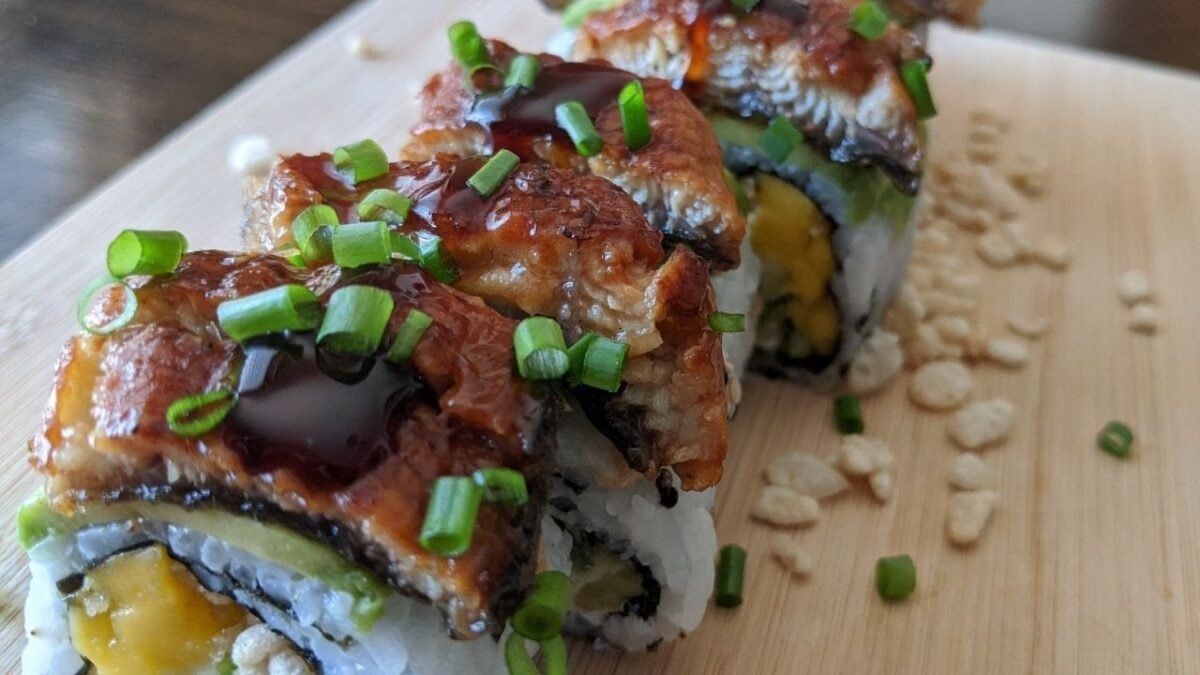
Chefs who specialize in this preparation often judge quality almost entirely by touch and appearance before a single bite is taken, checking for an even, glossy sheen from the glaze and a slight give when pressed gently with chopsticks. A well-executed piece should separate easily under light pressure rather than requiring a forceful cut, a detail that reveals just how much technical skill goes into something that often gets dismissed as simply “the sweet one” on a sushi menu. Paying attention to this texture is one of the easiest ways for diners to spot the difference between a rushed, mass-produced version and one crafted with genuine care. Even the temperature at serving time matters here, since eel served slightly warm tends to showcase its texture far better than a piece that has cooled completely on the counter before reaching the table.
Dining Etiquette and Practical Tips
There are a few small etiquette points worth knowing when ordering this dish, even though sushi etiquette overall has relaxed considerably outside Japan. Nigiri is traditionally eaten in a single bite rather than nibbled, since the rice is shaped to hold together only briefly, and the glaze can make the topping slide if the piece sits too long before eating. Using chopsticks or simply picking it up with your fingers are both acceptable approaches at most modern sushi counters, despite some lingering myths suggesting otherwise.
It’s also worth noting that because the fish is already seasoned with a flavorful glaze, dipping it into additional soy sauce is generally discouraged, since it can easily oversaturate the dish with salt and overwhelm the balance the chef intended. Pickled ginger, meanwhile, is meant to be eaten between different pieces as a palate cleanser rather than placed directly on top of the fish itself. These small details might seem minor, but observing them tends to noticeably improve the overall eating experience, allowing the natural sweetness and smokiness of the glaze to come through exactly as intended.
Seasonal and Regional Variations Worth Knowing
Seasonality plays a more meaningful role in eel preparation than many diners assume, particularly in Japan, where certain times of year are traditionally associated with peak quality and availability. Summer remains the most culturally significant season, tied to the long-standing belief that eel provides stamina during the hottest months, while late autumn through early winter is often considered the period when farmed eel reaches its richest, fattiest condition before harvest. Restaurants that pay close attention to these seasonal shifts sometimes adjust their glaze recipes slightly, leaning sweeter or lighter depending on the natural fat content of the fish at that time of year.
Regionally, preparation styles vary noticeably even within Japan itself, with Tokyo-style restaurants generally favoring a butterflied, grilled approach that yields a crisp exterior, while Osaka-style preparation more commonly involves splitting and grilling the eel from the belly side, producing a slightly different texture and presentation. Outside Japan, regional adaptation tends to focus less on technique and more on flavor pairings, with American menus favoring bold, composite rolls and European menus occasionally leaning into smokier, less sweet profiles influenced by local eel traditions. Recognizing these regional differences adds another layer of appreciation for a dish that might otherwise seem fairly uniform from one restaurant to the next.
Conclusion
Eel sushi occupies a genuinely unique place in Japanese cuisine, offering a cooked, richly flavored alternative to the raw-fish dishes most people associate with sushi bars in general. From its dual naming system distinguishing freshwater unagi from saltwater anago, to the labor-intensive glazing process that defines its signature taste, this dish rewards a closer look far beyond its glossy, familiar appearance on a typical menu. Its role as both a traditional staple and an effective gateway dish for sushi newcomers speaks to its remarkable, ongoing versatility.
Whether you’re ordering a classic eel sushi roll for the very first time, exploring the practical differences between unagi and anago, or considering the sustainability questions surrounding freshwater eel farming, there’s clearly far more depth to this dish than its simple presentation initially suggests. Approaching the dish with a bit of context transforms it from just another menu item into something genuinely worth savoring and understanding on a deeper level. The next time it lands on the counter in front of you, glazed and glistening, you’ll know exactly why it tastes the way it does, what kind of eel you’re eating, and what questions are worth asking before your next order.
FAQs
Is eel sushi raw or cooked?
Eel sushi is almost always cooked, typically grilled and glazed before being served, which sets it apart from most other sushi proteins that are commonly eaten raw at a traditional sushi counter.
What is the difference between unagi and anago?
Unagi refers to freshwater eel, which is fattier and more commonly used in this preparation, while anago refers to saltwater eel, which has a lighter, milder flavor profile overall.
What does eel sushi taste like?
It tastes rich, slightly smoky, and noticeably sweet due to its signature glaze, with a soft, tender texture quite different from firmer, raw-fish sushi options found on most menus.
Is freshwater eel sushi sustainable?
Freshwater eel sushi sourcing has raised real sustainability concerns due to reliance on wild-caught juvenile eels for farming, prompting growing interest in more transparent and responsible sourcing practices industry-wide.
What’s a good eel sushi roll for beginners?
A classic eel sushi roll combining eel with cucumber and avocado is widely recommended for beginners, since its balanced, approachable flavor makes it an easy and enjoyable introduction to the dish.
Why is eel sushi more expensive than other rolls?
Eel sushi often costs more because preparing it requires skilled deboning, precise grilling, and a carefully reduced glaze, all of which add labor and craftsmanship that simpler raw-fish sushi options don’t require.