


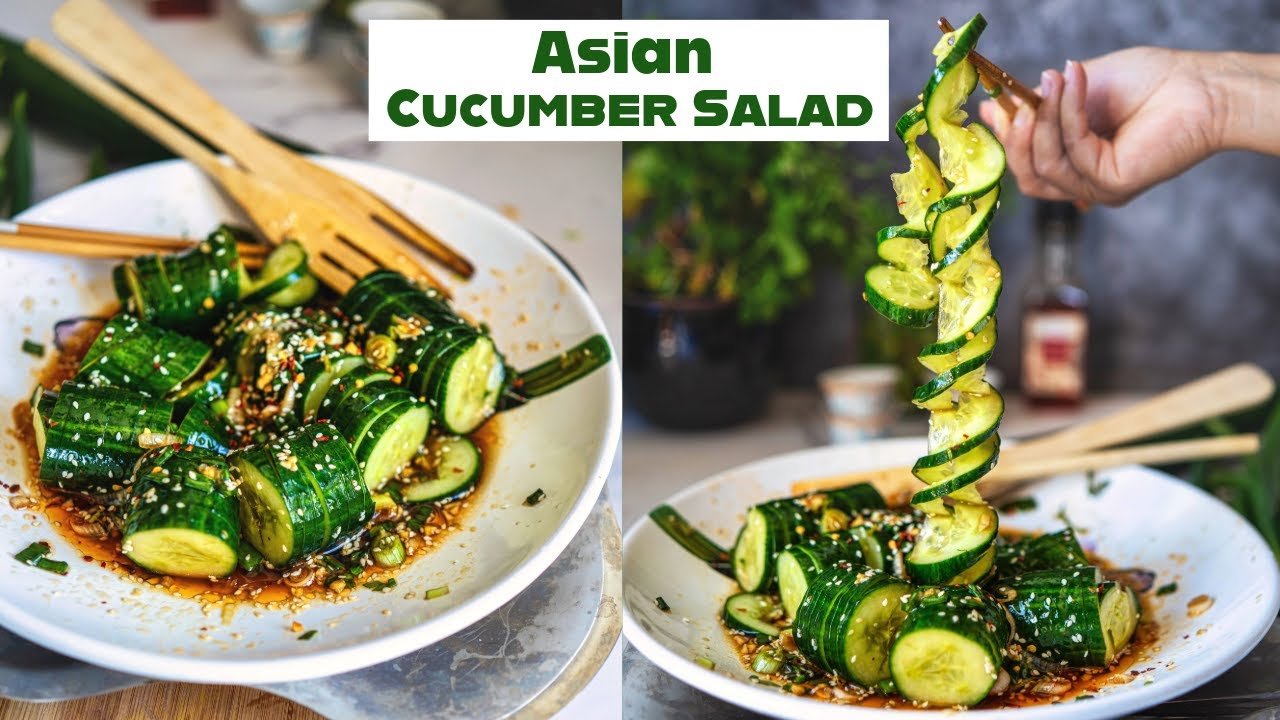
Crunchy Asian Cucumber Salad 2026: The Ultimate Guide to Getting It Right Every Time
Crunchy Asian Cucumber Salad 2026: There’s a reason this dish shows up on so many takeout orders and dinner tables at the same time — a great crunchy Asian cucumber salad hits a flavor combination that’s hard to stop eating. The crispness of the cucumber, the sharp bite of vinegar, the warmth of garlic or chili oil, and that underlying savory-sweet balance make it one of those rare side dishes that can steal attention from the main course entirely.
This guide walks through everything that goes into making this dish properly, from cucumber prep techniques that actually preserve crunch, to dressing ratios that won’t turn watery after an hour in the fridge. Whether you’ve had this salad at a restaurant and want to recreate it, or you’re trying to fix a soggy homemade attempt, this article should give you a much clearer sense of what separates a forgettable cucumber side from one people ask for the recipe of.
What Makes a Cucumber Salad Specifically “Asian” in Style
The term covers a fairly wide range of regional variations, but most versions share a few defining characteristics that set them apart from Western-style cucumber salads. Rather than relying heavily on mayonnaise or cream-based dressings, a typical crunchy Asian cucumber salad leans on a vinegar-forward dressing, often rice vinegar, combined with soy sauce, sesame oil, garlic, and sometimes chili oil or chili flakes for heat.
Texture is just as defining as flavor here, since the entire point of the dish is contrast — crisp, cool cucumber against a punchy, slightly spicy dressing. Depending on the region of inspiration, you’ll see versions ranging from Sichuan-style smashed cucumber salads with a numbing chili oil kick, to Korean oi muchim with gochugaru and sesame seeds, to simpler Japanese sunomono built around a lighter, sweeter vinegar dressing. All of these fall under the broader umbrella of crunchy Asian cucumber salad, even though the specific seasoning profile shifts depending on which tradition you’re drawing from.
Why This Salad Has Become So Popular Recently
Part of the reason crunchy Asian cucumber salad has exploded in popularity, especially on food-focused social media, comes down to how visually satisfying it is to prepare and eat. The smashing or slicing technique used to prep the cucumbers creates a dramatic, crackly texture that photographs and films well, which has helped the dish spread rapidly beyond people who grew up eating traditional versions of it.
Beyond the visual appeal, there’s a genuine nutritional angle driving interest too. Cucumbers are low in calories and high in water content, making this salad an appealing option for people looking for a lighter side dish or a way to add volume to a meal without adding much in the way of heavy calories. The combination of being quick to make, visually appealing, and reasonably healthy has turned crunchy Asian cucumber salad into a genuine staple rather than a niche specialty dish.
Choosing the Right Cucumbers for Maximum Crunch
Not all cucumbers are created equal when it comes to texture, and this is one of the most overlooked factors in home preparation. English cucumbers, also called hothouse cucumbers, tend to work best because they have thinner skin, fewer seeds, and a denser flesh that holds up well against salting and dressing without turning mushy too quickly. Persian cucumbers are another excellent option, prized for their consistent crunch and mild flavor.
Standard slicing cucumbers found in most grocery stores can work in a pinch, but they tend to carry more water and larger seeds, which can lead to a soggier final result if you’re not careful with prep. If maximum crunch is the goal, it’s worth specifically seeking out English or Persian varieties, since the difference in final texture between these and a regular grocery store cucumber is often noticeable enough to change how the entire dish turns out.
The Salting Technique That Prevents Sogginess
One of the most common mistakes people make when preparing this dish is skipping the salting step entirely, which almost always leads to a watery, diluted result. Salting cucumbers before dressing them draws out excess moisture through osmosis, meaning the cucumber sheds water it would otherwise release into your dressing later, which is exactly what causes a crunchy Asian cucumber salad to turn soggy and bland within an hour of sitting in the fridge.
The process itself is simple but requires a bit of patience. After slicing or smashing the cucumbers, tossing them with a generous pinch of salt and letting them sit for fifteen to thirty minutes allows enough liquid to release, which you can then drain or pat away before adding your dressing. Skipping this step might save you half an hour, but it almost always costs you the crisp texture that makes this dish worth making in the first place.
Smashed Versus Sliced: Which Method Wins
There’s an ongoing debate among home cooks about whether smashing or slicing cucumbers produces better results, and the honest answer is that it depends on what texture and presentation you’re going for. Smashing cucumbers with the flat side of a knife or a rolling pin creates irregular, jagged surfaces that absorb dressing more effectively, since the broken cell structure allows flavor to penetrate deeper than a clean-cut slice would.
Sliced cucumbers, on the other hand, offer a cleaner, more uniform presentation and tend to retain a slightly firmer bite since the cell structure remains mostly intact. Many people associate the smashed technique specifically with Sichuan-style preparations, while thinner sliced versions show up more often in Japanese-style sunomono. Either approach can produce excellent crunchy Asian cucumber salad, so the choice really comes down to whether you’re prioritizing maximum dressing absorption or a slightly crisper, more delicate bite.
Building the Perfect Dressing Balance
Dressing is where most of the flavor complexity in this dish actually lives, and getting the ratio right matters more than people expect. A solid baseline tends to combine rice vinegar for acidity, soy sauce for saltiness and umami, a touch of sugar or honey to round out the sharper notes, and sesame oil for nutty depth. From there, garlic, chili oil, or chili flakes get layered in depending on how much heat you want.
The key mistake to avoid is over-relying on vinegar without balancing it against something sweet and something fatty, since an unbalanced dressing can taste harsh or one-dimensional. A well-built dressing should taste tangy first, then slightly sweet, then savory, with a lingering warmth from garlic or chili at the very end. Once you’ve nailed that balance, you’ll find that crunchy Asian cucumber salad becomes one of the easiest dishes to riff on, since small adjustments to the ratio can shift the entire flavor profile toward sweeter, spicier, or more savory depending on your mood.
A Quick Comparison Table of Regional Variations
Since so many different culinary traditions have their own take on this dish, it helps to see the major regional variations laid out side by side. The table below breaks down some of the most common styles you’ll encounter when researching or ordering this dish.
| Style | Key Seasonings | Texture Technique | Heat Level |
|---|---|---|---|
| Sichuan smashed cucumber | Chili oil, garlic, Sichuan peppercorn | Smashed, irregular pieces | High, slightly numbing |
| Korean oi muchim | Gochugaru, sesame oil, garlic, scallion | Thin sliced, salted | Medium to high |
| Japanese sunomono | Rice vinegar, sugar, light soy sauce | Thin sliced, often with wakame | Low, mild |
| Thai-style cucumber salad | Fish sauce, lime, sugar, chili | Sliced rounds or half-moons | Medium |
| Chinese vinegar cucumber | Black vinegar, sesame oil, garlic | Sliced or smashed | Low to medium |
Looking at this breakdown makes it clear that crunchy Asian cucumber salad isn’t really one fixed recipe, but more of a flexible category shaped by regional seasoning traditions. Knowing these distinctions can help you decide which version to make depending on whether you’re craving something spicier, sweeter, or more delicate.
Common Add-Ins That Elevate the Dish
While cucumbers and dressing form the foundation, plenty of popular variations include additional ingredients that add texture or flavor complexity. Toasted sesame seeds are an almost universal addition, contributing a subtle nuttiness and visual appeal, while thinly sliced scallions bring a sharp, fresh bite that cuts through the richness of sesame oil.
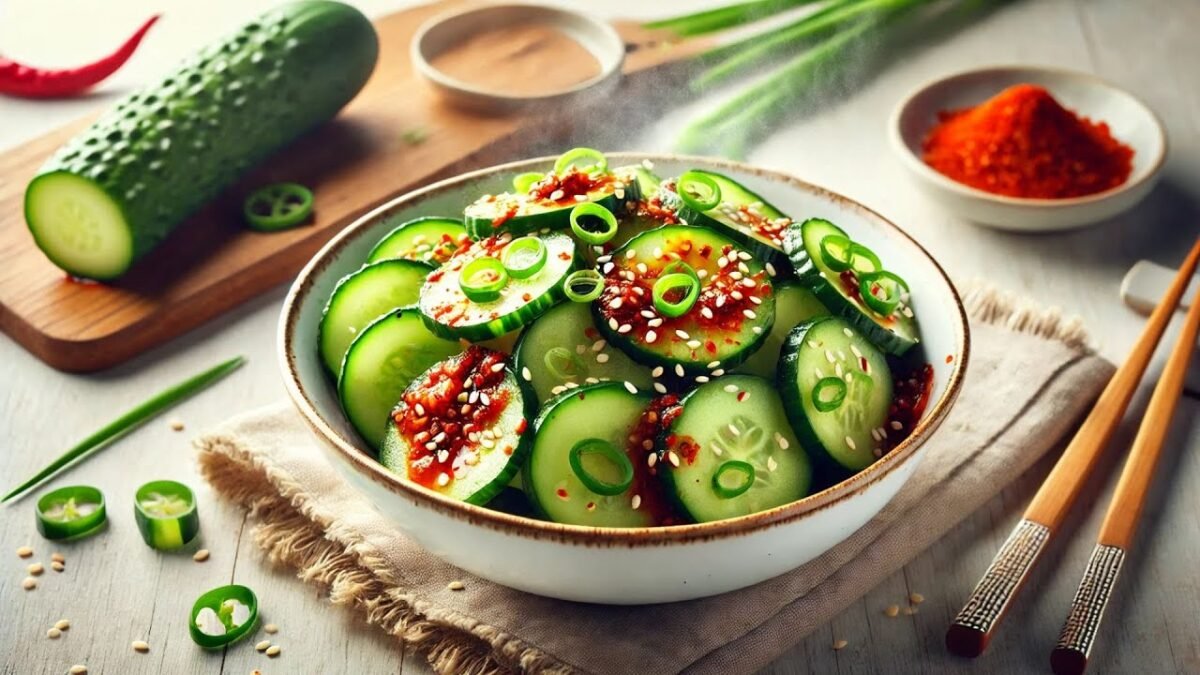
Other common additions include crushed peanuts for extra crunch, julienned carrots for color and sweetness, or even thin slices of red onion for a sharper bite. Some versions incorporate a small amount of rice wine or mirin for added depth, while spicier variations might include fresh sliced chilies on top of chili oil for an extra visual and flavor kick. None of these additions are mandatory, but they’re worth experimenting with once you’ve nailed the base recipe for crunchy Asian cucumber salad and want to start personalizing it.
What Food Writers and Chefs Say About Getting It Right
The emphasis on texture over everything else is something experienced cooks tend to repeat consistently when discussing this dish. As one chef specializing in Sichuan cuisine put it when explaining why so many home versions fall flat:
“People focus so much on the dressing that they forget the cucumber itself needs work first — if you skip the salting step, no dressing in the world is going to save a watery, bland salad.”
That observation gets at the heart of why so many homemade attempts disappoint compared to restaurant versions. The dressing gets most of the attention in recipes, but the prep work done to the cucumber beforehand is often what actually determines whether the final dish has that signature crunch.
How to Store It Without Losing the Crunch
Storage is one of the trickier aspects of this dish, since cucumbers naturally continue to release water even after salting, which means a dressed salad will gradually soften over time regardless of how well you prepped it. For the best results, it’s worth keeping the dressing separate from the cucumbers until shortly before serving, especially if you’re prepping ahead for a meal later in the day or the following day.
If you do need to store a fully dressed batch, keeping it in an airtight container in the refrigerator and consuming it within twenty-four hours will give you the best chance of preserving some crunch, though it won’t be quite as crisp as a freshly made batch. Draining off any excess liquid that accumulates at the bottom of the container before serving leftovers can also help refresh the texture slightly, since that pooled liquid is often what makes day-old crunchy Asian cucumber salad taste diluted compared to a fresh batch.
Pairing This Salad With the Rest of Your Meal
This dish works exceptionally well as a palate-cleansing side alongside richer, heavier mains, which is part of why it shows up so frequently alongside fried or grilled proteins on Asian restaurant menus. The acidity and crunch help cut through fattier dishes like fried chicken, grilled pork belly, or heavily sauced noodle dishes, creating a more balanced overall meal.
It also pairs nicely as a light starter before a larger meal, since the vinegar-forward flavor profile helps wake up your palate without filling you up too much before the main course arrives. Many home cooks find that once they start regularly making crunchy Asian cucumber salad as a side dish, it becomes one of the most requested items at the table, largely because it adds brightness and textural contrast that heavier dishes often lack on their own.
Adjusting the Recipe for Dietary Preferences
This dish adapts easily to a range of dietary needs without losing much of its core appeal. For a vegan version, simply ensure the soy sauce used is fully plant-based and skip fish sauce if a particular regional variation calls for it, swapping in extra soy sauce or a touch of mushroom seasoning for umami depth instead.
For those watching sodium intake, reducing the soy sauce slightly and leaning more heavily on rice vinegar and a touch of natural sweetness can still produce a well-balanced result without sacrificing too much flavor. Gluten-free eaters should double-check their soy sauce brand, since some contain wheat, though tamari makes an easy one-to-one substitute. These small adjustments mean crunchy Asian cucumber salad remains accessible to nearly everyone, regardless of dietary restrictions, without requiring a completely different recipe.
Conclusion
Getting this dish right comes down to a handful of details that are easy to overlook but make all the difference choosing the right cucumber variety, salting properly before dressing, and balancing your sauce so it’s tangy, sweet, and savory all at once. Once those fundamentals click into place, crunchy Asian cucumber salad becomes one of the easiest, most rewarding dishes to keep in your regular rotation, whether you’re making a traditional version or putting your own spin on it.
FAQs
How do I keep cucumber salad crunchy overnight?
The most reliable method is salting the cucumbers beforehand to draw out excess moisture, then storing the dressing separately until just before serving. Keeping a crunchy Asian cucumber salad fresh overnight is much easier when the cucumbers haven’t already absorbed dressing for hours, since that prolonged
contact is what typically causes sogginess.
What type of cucumber works best for this salad?
English or Persian cucumbers tend to produce the crispest results, thanks to their thinner skin, fewer seeds, and denser flesh compared to standard slicing cucumbers. Choosing the right variety is one of the simplest ways to improve your homemade crunchy Asian cucumber salad without changing anything else about the recipe.
Is crunchy Asian cucumber salad spicy?
It depends entirely on the regional style and how much chili oil or chili flakes are used, since some versions like Sichuan smashed cucumber are intentionally spicy, while Japanese sunomono is typically mild and slightly sweet. Most recipes for crunchy Asian cucumber salad allow you to easily adjust the heat level up or down based on personal preference.
Can I make this salad ahead of time for a party?
You can prep the cucumbers and dressing separately ahead of time, then combine them shortly before serving to preserve maximum crunch. Mixing everything together too far in advance is the most common reason a crunchy Asian cucumber salad turns watery by the time guests actually arrive.
What’s the difference between Korean and Japanese cucumber salad?
Korean oi muchim typically uses gochugaru and sesame oil for a spicier, bolder flavor, while Japanese sunomono leans on a lighter, sweeter vinegar dressing with a milder overall profile. Both fall under the broader category of crunchy Asian cucumber salad, but the seasoning approach and heat level differ noticeably between the two styles.
Why does my cucumber salad always end up watery?
Watery results almost always trace back to skipping the salting step or dressing the cucumbers too far in advance of serving. Since cucumbers naturally release water over time, properly salting and draining them first is essential to keeping a crunchy Asian cucumber salad from turning diluted and bland.