



Jack White Songs: The Ultimate Guide to His Greatest Hits, Deep Cuts, and Musical Evolution
Jack White Songs: Few musicians working today have built a catalog as raw, restless, and instantly recognizable as Jack White. Whether you found him through the stomping riffs of the White Stripes, the swaggering blues-rock of the Raconteurs, or his unpredictable solo records, jack white songs tend to share one quality above all else: they refuse to sound like anyone else’s music. There’s a rawness to the production, a love of analog limitation, and a restless curiosity that runs through everything he’s released since the late 1990s.
This guide walks through the most important jack white songs, the records that shaped them, the gear and guitar work behind the sound, and the broader story of an artist who has spent over two decades reshaping what blues-influenced rock can sound like in the modern era. Along the way, we’ll touch on his personal life, his television appearances, and the technical choices that make his music instantly identifiable on the radio or in a crowded playlist.
The Early White Stripes Era and Its Defining Sound
Before Jack White became a solo headliner, he was one half of a stripped-down two-piece band that intentionally limited itself to guitar, drums, and vocals. That self-imposed restriction is part of what made early jack white songs so distinctive — there was nowhere to hide a weak riff or a lazy vocal take. Tracks from this period lean heavily on blues structure, but they’re filtered through a punk urgency that gave the band crossover appeal far beyond traditional blues audiences.
Albums like “De Stijl” and “White Blood Cells” introduced a songwriting approach built on contrast: quiet verses exploding into distorted choruses, childlike melodies paired with adult themes, and a production style that favored grit over polish. This era set the template that would follow White through nearly every subsequent project, proving that limitation, rather than excess, could be a powerful creative engine.
Seven Nation Army and the Song That Changed Everything
No conversation about jack white songs can avoid the track that turned him into a household name. The driving, descending riff — built on a guitar processed through an octave pedal to sound like a bass — became one of the most recognizable musical phrases of the 2000s. It has since been adopted by sports stadiums, political rallies, and cover bands across the globe, an afterlife few rock songs ever achieve.
What makes the song fascinating from a songwriting perspective is its simplicity. There’s no elaborate chord progression, no complicated arrangement — just a relentless, hypnotic riff and a vocal melody that locks into the listener’s memory almost instantly. It’s a reminder that some of the most enduring jack white songs succeed because of restraint, not complexity, and that a single strong idea can outlast almost any amount of studio polish.
Jack White Guitar Style and Signature Gear
Discussing jack white guitar technique is essential to understanding why his music sounds the way it does. He’s long favored unconventional instruments, including vintage and reissue Airline guitars known for their thin, biting tone, which contrasts sharply with the smoother sound of more traditional rock guitars. That brighter, more aggressive tone became a sonic signature across White Stripes records and carried into his later solo work.
Beyond instrument choice, his guitar approach favors heavy use of pedal effects, particularly pitch-shifting and fuzz, paired with a loose, almost percussive playing style that mirrors the rhythmic intensity of the drums behind him. He’s also known for performing without a setlist, which forces spontaneous improvisation during live shows. This unpredictability has become part of his reputation as a guitarist who treats every performance as a fresh interpretation rather than a rehearsed replica of the studio recording.
The Raconteurs and a Shift Toward Collaborative Songwriting
When White formed the Raconteurs with Brendan Benson, the songwriting dynamic shifted noticeably. Where the White Stripes thrived on minimalism, the Raconteurs embraced fuller arrangements, harmonized vocals, and a more classic rock sensibility reminiscent of 1970s arena bands. Tracks from this project show a different side of White’s writing — one willing to share the spotlight and build songs around dual songwriting voices rather than a single dominant perspective.
This collaborative period proved important for his long-term development as an artist. It demonstrated that his strengths weren’t limited to stripped-down blues-rock; he could also write hook-driven, multi-layered songs within a full-band context. The experience arguably prepared him for the eclectic, genre-hopping approach that would define his later solo career, where he moves fluidly between garage rock, electronic textures, and acoustic balladry.
The Dead Weather and Embracing a Darker Sound
With the Dead Weather, White stepped behind the drum kit rather than the guitar for much of the project, working alongside Alison Mosshart of the Kills. This lineup shift pushed his songwriting into murkier, more menacing territory, trading the playful energy of earlier work for something heavier and more atmospheric. The result is a catalog that feels distinct from anything else in his discography, proving his range extends well beyond guitar-driven rock.
What’s particularly notable about this chapter is how it reshaped his rhythmic sensibility. Drumming forced him to think about songs from a different structural angle, an experience that likely influenced the more percussive, groove-heavy moments found in his later solo records. It’s a clear example of how stepping outside a comfort zone, even temporarily, can expand an artist’s vocabulary in ways that ripple through future work.
Solo Career Breakthrough: Blunderbuss and Lazaretto
White’s solo debut arrived with a sense of artistic freedom that hadn’t been fully present in his band projects. Tracks on this record swing between tender piano ballads and biting, sneering rock numbers, often within the same few minutes of runtime. It was a statement that he didn’t need a fixed band identity to make compelling music — he could write whatever genre suited the moment and trust listeners to follow him.
His follow-up record pushed even further into genre experimentation, blending country instrumentation, electronic flourishes, and dense studio production. Tracks from this era show an artist actively resisting repetition, refusing to simply recreate the White Stripes formula for a new audience. This willingness to evolve has become one of the most consistent threads across all jack white songs released under his own name, separating him from peers who lean on nostalgia rather than reinvention.
Boarding House Reach and Experimental Risk-Taking
Perhaps no solo record demonstrates White’s appetite for risk quite like this one. Built using improvisational studio sessions with jazz and hip-hop musicians, the album incorporates spoken word, looped samples, and unconventional song structures that diverge sharply from traditional rock songwriting. Some listeners found it jarring; others viewed it as proof that White refuses to coast on past success.
This era is a useful case study in how an established artist can avoid creative stagnation. Rather than chasing the commercial peak of earlier hits, White used his platform to explore genuinely strange territory, even at the risk of alienating part of his audience. It’s a reminder that longevity in music often depends less on repeating what worked before and more on maintaining genuine curiosity about what hasn’t been tried yet.
Fear of the Dawn and Entering Earth: A Dual Release Strategy
In a particularly bold creative move, White released two distinct albums within months of each other, each representing a different facet of his musical personality. One leaned into electronic distortion and industrial grit, while the other embraced a more organic, groove-driven feel rooted in classic rock and blues traditions. This dual-release approach allowed him to avoid forcing two conflicting artistic impulses into a single, muddled project.
The strategy also reflects a broader trend among established musicians: rather than waiting years between releases, some artists are choosing rapid, thematically focused drops that let audiences digest distinct creative statements separately. For longtime followers, this period offered some of the most interesting jack white songs of his later career, precisely because the format let each idea breathe without compromise.
Jack White Wife, Family Life, and How It Shaped His Music
Personal history has occasionally surfaced in jack white songs, even though White has generally kept his private life guarded. His first marriage was to Meg White, his White Stripes bandmate, though the two famously presented themselves publicly as siblings for years rather than a former married couple, adding an air of mystery that became part of the band’s mythology. He later married model and singer Karen Elson, with whom he shares two children, before that marriage also ended.
More recently, White has been married to Olivia Jean, a musician in her own right who has performed and recorded with him. These relationships, particularly the unconventional dynamic with Meg White, have fueled ongoing public curiosity, partly because so little has been confirmed directly by White himself. While he rarely writes overtly autobiographical lyrics, fans and critics have long debated how much of his personal life filters into the emotional undercurrents of his more vulnerable tracks.
Jack White SNL Performances and Television Milestones
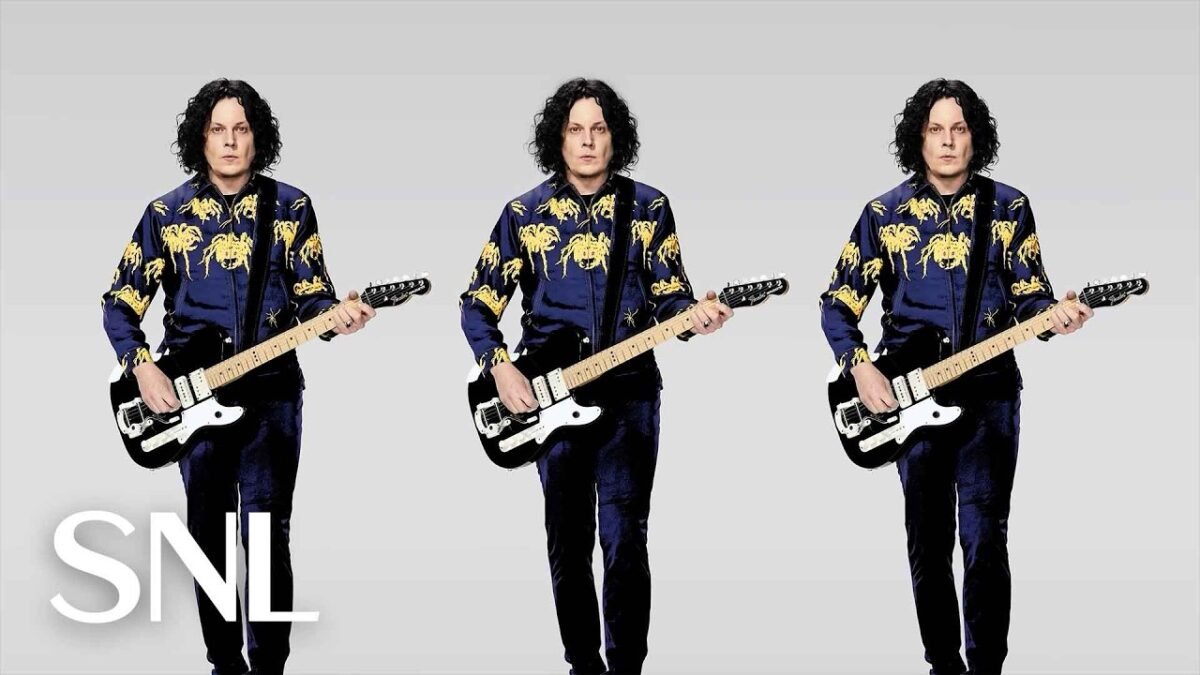
Television appearances have played a meaningful role in introducing jack white songs to wider audiences, and his jack white SNL appearances stand out as some of the most talked-about. Across multiple visits to the show, both as a featured musical guest and in collaborative performances, he’s brought his unpredictable live energy to a format known for tightly controlled, rehearsed segments. These performances often highlighted his improvisational guitar work translating surprisingly well to a live television setting.
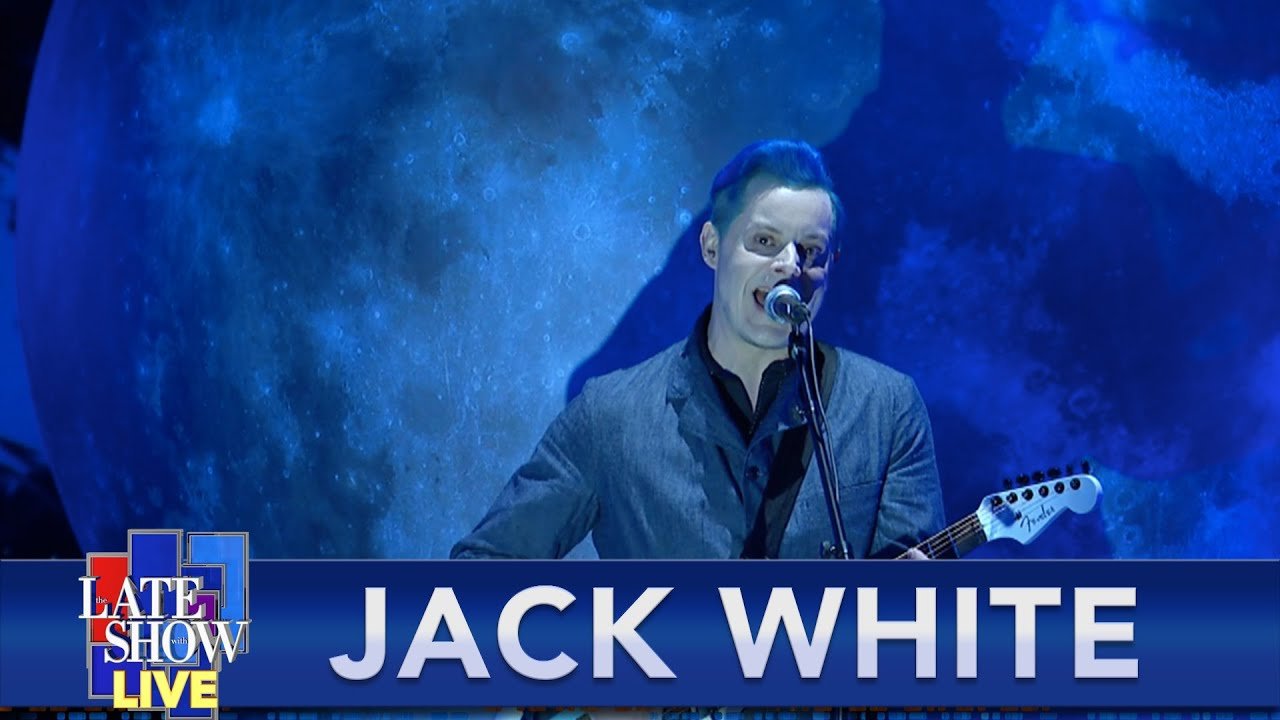
Beyond Saturday Night Live, his television presence has included documentary appearances and late-night performances that reinforced his reputation as a musician who treats every live setting as an opportunity for spontaneity rather than a scripted formality. For an artist whose studio output already favors raw, unpolished energy, these television moments have served as useful proof points, showing audiences that the intensity of his recordings isn’t simply a studio trick.
How Jack White Songs Compare Across Eras
The table below offers a structured breakdown of how his sound, themes, and collaborators evolved across major career phases.
| Era | Primary Project | Sonic Characteristics | Notable Themes |
|---|---|---|---|
| Late 1990s–2000s | The White Stripes | Minimalist, distorted, blues-punk | Childhood, heartbreak, mythology |
| Mid-2000s | The Raconteurs | Full-band, harmonized, classic rock | Collaboration, romantic tension |
| Late 2000s | The Dead Weather | Dark, groove-heavy, percussive | Menace, power dynamics |
| Early 2010s | Solo (Blunderbuss/Lazaretto) | Genre-blending, eclectic | Independence, identity |
| Late 2010s | Boarding House Reach | Experimental, improvisational | Risk, reinvention |
| 2020s | Fear of the Dawn / Entering Heaven Alive | Split electronic/organic styles | Duality, focus |
This breakdown shows a clear pattern: each phase of his career responds, at least in part, to the limitations or comforts of the one before it. Where minimalism defined the earliest jack white songs, later periods consistently pushed toward more layered, sometimes deliberately uncomfortable territory.
The Songwriting Philosophy Behind His Catalog
White has spoken publicly about valuing creative constraints, often deliberately limiting his tools, whether that means recording with outdated equipment or restricting a band to just two members. This philosophy runs counter to a music industry trend that frequently rewards maximalist production and endless studio polishing. As he once put it in an interview reflecting on his creative process, “Profound things happen when you don’t have all the freedom to express yourself.”

That quote captures something essential about why jack white songs feel different from much of mainstream rock and pop. By embracing friction rather than smoothing it away, he forces both himself and his collaborators to make quicker, more instinctive decisions. The result is a catalog that often sounds urgent and unfinished in the best possible sense — songs that feel discovered in the moment rather than meticulously engineered after the fact.
Why Jack White Songs Continue to Resonate With New Listeners
Streaming data and festival lineups consistently show younger audiences discovering catalog tracks years, sometimes decades, after their original release. Part of this staying power comes from the production choices themselves; analog warmth and raw guitar tones tend to age differently than heavily processed, trend-driven production from the same era. Songs built around strong riffs and direct emotional delivery often translate well across generational listening habits, unlike material tightly tied to a specific production trend.
There’s also a broader cultural shift at play. As more listeners express fatigue with overly polished, algorithm-optimized pop production, artists known for embracing imperfection and live energy have found renewed relevance. Jack white songs, with their emphasis on tone over precision and feeling over flawlessness, fit naturally into this growing appetite for music that sounds human rather than engineered.
Common Misconceptions About His Musical Identity
A persistent misconception treats White as purely a blues revivalist, someone simply repackaging older traditions for modern audiences. In reality, his catalog draws from country, garage rock, electronic music, and even hip-hop-adjacent production techniques, particularly in his more experimental solo work. Reducing his output to “blues rock” overlooks just how far he’s pushed structurally and sonically across two decades of recording.
Another common misunderstanding involves his relationship with technology. Despite his well-documented preference for vintage gear and analog recording methods, White isn’t simply anti-modern; he’s selective. He has used digital tools and modern studio techniques when they serve a specific creative goal, suggesting his choices are about intentional texture rather than blanket nostalgia. Understanding this distinction helps explain why his catalog feels consistent in spirit while constantly shifting in sound.
The Broader Cultural Impact of His Catalog
Beyond chart performance, jack white songs have influenced a generation of guitarists drawn to lo-fi production and unconventional instrument choices. Independent and garage rock scenes in particular have cited his early work as validation that limited resources don’t have to limit creative ambition. This influence extends into commercial production as well, where stripped-down arrangements have occasionally found favor again after years of maximalist studio trends.
His business ventures, particularly founding an independent record label focused on vinyl production and analog recording, have also shaped how some younger artists think about ownership and format. By prioritizing physical media and tactile production methods at a time when streaming dominates the industry, White has positioned himself as something of a counterweight to purely digital music culture, reinforcing the same constraint-driven philosophy that defines his songwriting.
Conclusion
Tracing the arc of jack white songs reveals an artist who treats consistency as a trap rather than a goal. From stripped-down blues-punk duets to experimental studio collages, each phase of his career reflects a genuine willingness to abandon what’s comfortable in favor of what’s interesting. That restlessness, paired with a guitar style and production sensibility instantly recognizable within seconds of a song starting, is precisely why his catalog continues attracting new listeners decades after his earliest recordings.
Whether someone’s entry point is a stadium-shaking riff, a quiet piano ballad, or a chaotic live television performance, the throughline remains the same: music made with urgency, texture, and a refusal to sound predictable. That combination is unlikely to fade in relevance any time soon.
FAQs
What are considered the most essential jack white songs to start with?
Most new listeners begin with his White Stripes-era tracks before exploring Raconteurs, Dead Weather, and solo material, since this progression mirrors how his songwriting evolved over time and offers the clearest sense of his range.
What guitar does Jack White typically play?
His jack white guitar setup frequently features vintage and reissue Airline-style guitars, prized for their thin, biting tone, paired with pitch-shifting and fuzz pedals that help create his signature aggressive sound.
Who has Jack White been married to?
His personal history includes a marriage to former bandmate Meg White, a later marriage to model and musician Karen Elson, and his current marriage to musician Olivia Jean, often referenced by fans searching for jack white wife details.
Has Jack White performed on Saturday Night Live?
Yes, his jack white SNL appearances across multiple seasons are frequently cited as standout moments, known for translating his unpredictable live energy effectively into a tightly produced television format.
Why do jack white songs sound so different from typical mainstream rock?
His preference for analog recording, vintage instruments, and self-imposed creative limitations gives his catalog a raw, urgent quality that distinguishes it from more heavily produced, conventional rock production.
Does Jack White write his own material across all his projects?
Across the White Stripes, Raconteurs, Dead Weather, and his solo catalog, he has consistently served as a primary songwriter, though collaborative projects like the Raconteurs reflect a more shared songwriting dynamic than his solo or White Stripes work.