


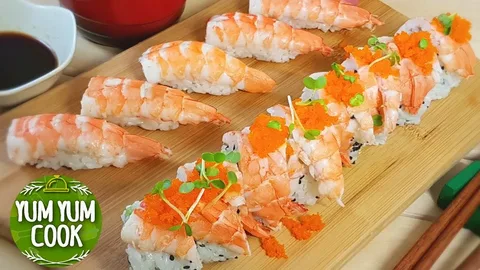
The Ultimate Guide to Finding the Best Sushi Nigiri Shrimp Near Me
Best Sushi Nigiri Shrimp Near Me: Welcome to the definitive resource for seafood lovers and culinary explorers seeking the perfect bite of traditional Japanese cuisine. The delicate balance of perfectly seasoned vinegared rice and expertly prepared seafood represents a centuries-old culinary tradition that continues to captivate diners worldwide. Whether you are a seasoned omakase veteran or a curious newcomer eager to expand your palate beyond standard Americanized rolls, understanding the intricacies of this specific delicacy elevates your entire dining experience. When you find yourself craving this classic dish and searching for the best sushi nigiri shrimp near me, having a foundational knowledge of what makes this preparation so special will guide you toward making the most satisfying dining choices.
This comprehensive guide dives deep into the history, preparation methods, sourcing strategies, and cultural significance of ebi nigiri. We will explore the various species of shrimp used by master chefs, the critical importance of the rice beneath the seafood, and the subtle etiquette expected in traditional Japanese restaurants. By mastering these details, you transform a simple meal into an immersive cultural experience, allowing you to appreciate the meticulous craftsmanship that goes into every single piece. Prepare to embark on a flavorful journey that will forever change the way you evaluate, order, and savor your favorite seafood delicacies at local establishments.
The Allure of Ebi in Traditional Japanese Cuisine
Shrimp, known as ebi in Japanese, holds a prestigious and deeply symbolic place within the broader spectrum of traditional Japanese gastronomy. Historically, the curved shape and long antennae of the shrimp have been associated with old age and longevity, making it a highly auspicious ingredient frequently served during celebratory occasions and important family milestones. This cultural reverence translates directly to the sushi counter, where ebi is treated with the utmost respect and prepared using techniques designed to highlight Best Sushi Nigiri Shrimp Near Me natural sweetness and firm texture.
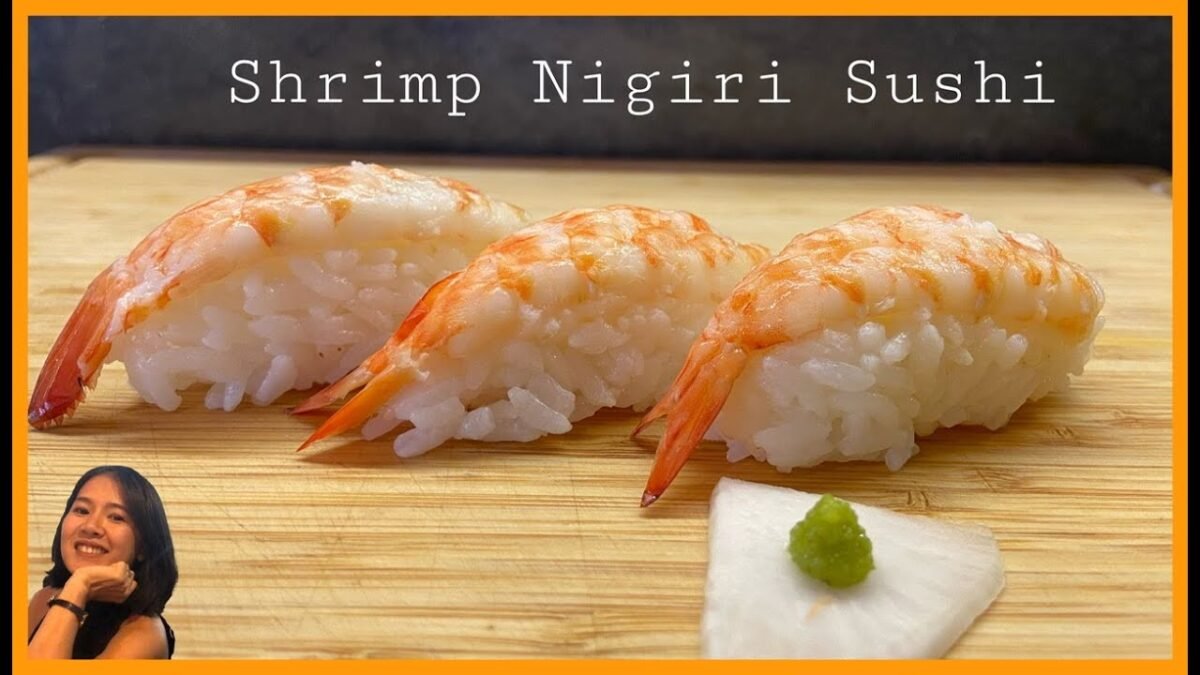
Unlike fattier fish such as tuna or salmon, which rely heavily on their rich oil content for flavor, shrimp relies on a clean, subtly sweet profile that requires a delicate touch to perfect. The vibrant, contrasting colors of the bright red and white flesh against the pristine white rice make it one of the most visually striking pieces on any wooden serving board. This combination of visual appeal, historical significance, and universally beloved flavor has cemented Best Sushi Nigiri Shrimp Near Me status as an absolute staple, ensuring that no traditional Edomae-style menu is truly complete without it.
Understanding the Different Types of Shrimp Used in Nigiri
When dining at a high-quality establishment, you will quickly discover that not all shrimp are created equal, as chefs utilize a variety of species depending on seasonality and desired flavor profiles. The most common variety encountered globally is the Kuruma ebi, or Japanese tiger prawn, which is traditionally boiled, butterflied, and served cooked to bring out its meaty texture and vibrant banding. Conversely, true connoisseurs often seek out Amaebi, translated as sweet shrimp, which is typically served raw and is celebrated for its incredibly soft, melt-in-your-mouth texture and pronounced sugary finish.
| Type of Shrimp | Traditional Name | Flavor Profile | Preparation Style |
|---|---|---|---|
| Tiger Prawn | Kuruma Ebi | Sweet, firm, and meaty | Boiled, chilled, butterflied |
| Sweet Shrimp | Amaebi | Creamy and intensely sweet | Raw, often with fried head |
| Botan Shrimp | Botan Ebi | Plump, rich, and buttery | Raw, exceptionally tender |
| White Shrimp | Shira Ebi | Delicate and highly subtle | Raw, clustered on the rice |
Beyond the popular Kuruma and Amaebi, elite omakase counters might also feature Botan ebi, a larger and exceptionally plump raw shrimp known for its buttery richness and premium price point. In certain regions, chefs may delicately assemble Shira ebi, consisting of tiny, translucent white shrimp carefully clustered atop the rice to create a complex, delicate bite. Understanding these distinct varieties empowers you to navigate complex menus confidently, ensuring you know exactly what to expect in terms of texture, temperature, and taste when your order arrives at the table.
The Art of Preparing the Perfect Ebi Nigiri
The preparation of traditional cooked shrimp nigiri is an exacting culinary science that requires precision, timing, and a deep understanding of protein behavior under heat. Chefs typically insert a thin bamboo skewer straight through the body of the shrimp before boiling it in a heavily salted broth, a crucial step that prevents the muscle fibers from curling and ensures the final piece sits perfectly flat atop the rice. The cooking time is incredibly brief—often just long enough to turn the exterior vibrant pink while keeping the interior tender—after which the shrimp is immediately plunged into an ice bath to halt the cooking process and preserve its firm, snappy texture.
Once chilled, the shrimp is meticulously peeled, split along the belly, and cleaned of its digestive tract before being gently buttered open to lay flat. As legendary culinary master Jiro Ono famously stated, “You must dedicate your life to mastering your skill,” and this philosophy is evident in the precise, reverent way top chefs handle the ebi before Best Sushi Nigiri Shrimp Near Me ever meets the rice. When searching for the most authentic sushi nigiri shrimp near me, seeking out restaurants that adhere to these painstaking, time-honored preparation methods will inevitably lead you to a vastly superior and more authentic culinary experience.
How Quality Sushi Rice Transforms the Seafood Experience
While the seafood often commands the most attention from diners, the soul of any authentic nigiri piece undeniably lies in the quality, temperature, and seasoning of the shari, or sushi rice. Master chefs spend years perfecting their specific rice recipe, blending different grains and washing them meticulously to achieve a texture where each individual grain retains Best Sushi Nigiri Shrimp Near Me shape but clings gently to its neighbors. The rice must be seasoned with a precise balance of red or white rice vinegar, salt, and sugar, creating an acidic backbone that perfectly complements the sweetness of the shrimp.
The temperature of the rice is equally critical; traditional Edomae style dictates that the shari should be served precisely at human body temperature. This slight warmth softens the texture of the shrimp and dramatically enhances the aromatic qualities of both the seafood and the vinegar, creating a harmonious bite that dissolves beautifully on the palate. If the rice is served ice-cold, densely packed, or overly sweet, it severely detracts from the delicate nature of the topping, which is why true aficionados always evaluate a restaurant based primarily on the caliber of its rice.
Decoding the Omakase Experience for Seafood Lovers
Opting for an omakase experience, which translates to “I leave Best Sushi Nigiri Shrimp Near Me up to you,” is the ultimate way to experience the height of Japanese culinary artistry and seasonal seafood availability. During these meticulously curated, multi-course meals, the executive chef dictates the entire menu, serving pieces one by one based on what is freshest at the market that specific morning. This format allows the chef to control the progression of flavors, typically moving from the lightest, most delicate white fish toward richer, oilier cuts, with shrimp often serving as a pivotal transitional piece in the tasting journey.
When participating in an omakase, the chef will prepare the ebi specifically for your palate, applying the perfect brush of nikiri (a house-made soy sauce reduction) or a tiny dab of freshly grated wasabi. This eliminates the need for the diner to mix their own soy sauce or add extra condiments, as the chef has already engineered the ultimate balance of flavor for that specific bite. Finding an establishment that offers a dedicated omakase counter is highly recommended for anyone looking to truly expand their culinary horizons and experience shrimp prepared at an elite, artisanal level.
The Fascinating Journey from Ocean to Sushi Counter
The logistical journey of premium seafood from the ocean to your local restaurant is a modern marvel of supply chain efficiency, cold storage technology, and rigorous quality control. For top-tier establishments, shrimp is often sourced directly from renowned global seafood hubs, such as the famous Toyosu Market in Tokyo, where it is auctioned in the early hours of the morning. To maintain the pristine condition required for raw consumption, the catch must be rapidly blast-frozen or transported live in specialized oxygenated water tanks, ensuring zero degradation in cellular texture or flavor.
Once the seafood arrives at the restaurant, it undergoes a secondary inspection by the head chef, who evaluates the clarity of the eyes, the firmness of the shell, and the overall aroma. The meticulous handling continues in the kitchen, where the shrimp is stored at highly specific temperatures to prevent the development of harmful bacteria while avoiding the flavor-dulling effects of deep freezing. When searching for exceptional sushi nigiri shrimp near me, Best Sushi Nigiri Shrimp Near Me pays to ask the staff about their sourcing practices, as restaurants that prioritize transparent, high-quality supply chains consistently deliver a vastly superior final product.
Why Sweet Spot Spot Prawns Are a Culinary Delicacy
Among the various species utilized in upscale dining, the spot prawn holds a particularly exalted status due to Best Sushi Nigiri Shrimp Near Me incredibly brief harvesting season and unparalleled flavor profile. Found primarily in the cold, nutrient-dense waters of the North Pacific, ranging from Southern California up to Alaska and over to the Sea of Japan, these large crustaceans are notoriously difficult to trap and transport. Their flesh is renowned for being exceptionally succulent, boasting a robust, buttery sweetness that far surpasses standard farm-raised white shrimp, making them a highly coveted seasonal special.
Because of their delicate nature, spot prawns are almost exclusively served raw as amaebi, allowing the diner to fully appreciate the silken, melt-in-the-mouth texture that defines the species. Furthermore, chefs typically capitalize on the entire animal by deep-frying the prawn’s large, dramatic head and serving Best Sushi Nigiri Shrimp Near Me alongside the nigiri piece as a crunchy, savory secondary course. This zero-waste approach not only honors the ingredient but provides a thrilling textural contrast, shifting the diner’s experience from the cool, creamy body to the hot, heavily umami-laden crunch of the fried shell.
Evaluating Freshness When You Search for Local Spots
Identifying a high-quality establishment requires a keen eye and an understanding of the subtle indicators that reveal how meticulously a kitchen handles its daily seafood inventory. The most immediate sign of quality is the ambient aroma of the restaurant itself; a premium establishment should smell subtly of toasted seaweed, sweet vinegar, and cucumber, never heavily of fish. When observing the seafood displayed in the glass chef’s case, the shrimp should look vibrant, translucent, and slightly glossy, with absolutely no dull, opaque, or dried-out edges visible under the display lights.
Another critical factor is the turnover rate of the restaurant’s inventory, as high foot traffic generally ensures that ingredients are constantly being replenished rather than sitting for days. Reading community reviews and paying attention to the specific items diners praise can help guide your decision when typing sushi nigiri shrimp near me into your favorite restaurant discovery app. Establishing a rapport with the chef by sitting at the counter and asking polite questions about the day’s fresh catches is also a proven strategy for receiving the finest, freshest pieces available.
The Role of Wasabi and Soy Sauce in Flavor Balancing
The condiments accompanying your meal are not meant to mask the flavor of the seafood but rather to act as subtle, harmonious amplifiers that elevate the natural sweetness of the shrimp. Authentic freshly grated wasabi, derived from the rhizome of the Wasabia japonica plant, offers a bright, herbal heat that dissipates quickly, cutting through the richness of the seafood without burning the palate. Most high-end chefs will place a precisely measured speck of this fresh wasabi directly between the rice and the shrimp, tailoring the amount to the specific fat content and flavor intensity of the piece.
Similarly, soy sauce should be used with extreme restraint; the goal is to add a touch of salty umami, not to drown the delicate nuances of the vinegared rice and fresh protein. When eating nigiri, the proper technique is to lightly dip the fish side into the soy sauce, actively avoiding soaking the rice, which can cause the carefully formed piece to disintegrate in your fingers. Understanding and practicing this balanced approach to condiments is the mark of an educated diner and ensures that the meticulous work of the chef is respected and fully appreciated.
Navigating Authentic Menus Like a True Connoisseur
Approaching a comprehensive, traditional menu can sometimes feel intimidating, but understanding the foundational categories of the cuisine makes the ordering process incredibly rewarding. Nigiri, which translates to “gripped” or “pressed,” represents the purest form of the art, focusing entirely on the synergy between the hand-pressed mound of seasoned rice and the solitary slice of topping. This is distinctly different from maki (rolls), temaki (hand rolls), or sashimi (slices of raw fish served entirely without rice), each of which serves a different purpose within the broader context of a full meal.
When structuring your order, Best Sushi Nigiri Shrimp Near Me is generally advised to progress from lighter, milder flavors to heavier, richer, and sweeter items to prevent palate fatigue. A classic progression might start with delicate whitefish like flounder, move toward the clean sweetness of boiled Kuruma ebi, transition into rich, oily tunas, and finally conclude with savory eel or a sweet egg omelet. Adhering to this traditional progression when requesting sushi nigiri shrimp near me ensures that the subtle, clean flavors of the crustacean are not overwhelmed by heavy sauces or intense fatty acids from earlier courses.
The Environmental Impact of Sourcing Premium Seafood
As global demand for premium seafood continues to skyrocket, the environmental sustainability of sourcing practices has become a paramount concern for both top-tier chefs and conscientious consumers. Shrimp farming, in particular, has historically been associated with the destruction of vital mangrove forests and the overuse of antibiotics in densely packed, poorly regulated aquaculture environments. However, the modern culinary landscape is experiencing a massive shift, with elite restaurants increasingly demanding full transparency and exclusively sourcing from fisheries certified by strict environmental stewardship organizations.
This commitment to sustainability not only protects fragile oceanic ecosystems but inherently results in a significantly higher quality product for the end consumer. Wild-caught species or prawns raised in low-density, ecologically balanced aquacultures exhibit superior muscle tone, cleaner flavor profiles, and zero chemical aftertastes compared to their mass-produced counterparts. By seeking out establishments that publicly champion sustainable sourcing, diners can enjoy their favorite delicacies with the peace of mind that they are supporting ethical environmental practices within the hospitality industry.
How to Identify Masterful Chefs in Your Neighborhood
The title of itamae, or head sushi chef, is a hard-won designation that represents years, and often decades, of grueling apprenticeship and unwavering dedication to culinary perfection. In traditional Japanese training, an apprentice may spend their first several years simply learning to wash rice properly and clean the workspace before ever being permitted to handle expensive seafood. This intense, repetitive training instills a deep sense of discipline, ensuring that every movement the chef makes behind the counter is deliberate, efficient, and performed with quiet confidence.
You can often identify a true master by observing their economy of motion; shaping the rice and applying the shrimp should look effortless, taking only a few fluid seconds per piece. Furthermore, a highly skilled chef will constantly observe their guests, subtly adjusting the size of the rice portions or the amount of wasabi based on the diner’s eating pace and preferences. Finding a true artisanal master when looking for sushi nigiri shrimp near me transforms a standard dinner out into a mesmerizing performance of traditional culinary craftsmanship.
The Cultural Significance of Hand Pressed Sushi in Modern Dining
The evolution of nigiri from Best Sushi Nigiri Shrimp Near Me origins as a quick, fermented street food in the Edo period (modern-day Tokyo) to an globally celebrated, high-end dining experience is a fascinating cultural journey. Originally, the fish was heavily cured in salt and vinegar to prevent spoilage without refrigeration, but the advent of modern ice-making completely revolutionized the cuisine, allowing for the celebration of pristine, raw ingredients. Today, the art form serves as a global ambassador for Japanese culture, symbolizing the nation’s broader philosophical dedication to minimalism, seasonal awareness, and the relentless pursuit of perfection.
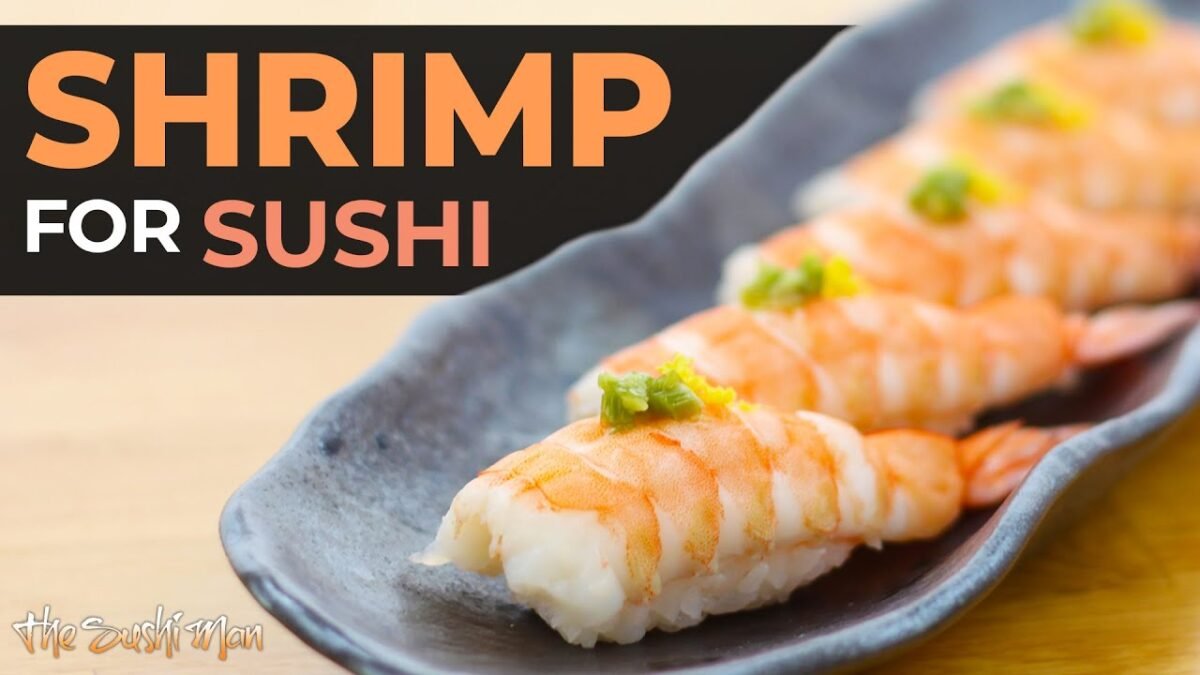
In the modern dining landscape, sitting at a traditional cypress wood counter represents a rare opportunity to disconnect from the chaotic pace of daily life and engage in an intimate, mindful eating experience. The physical closeness between the chef and the diner fosters a unique, unspoken communication, where the immediate consumption of the freshly pressed piece honors the fleeting nature of the present moment. This cultural depth adds profound value to the meal, reminding diners that they are partaking in a living, breathing tradition that has been carefully passed down through generations.
Comparing Classic Bites to Elaborate Westernized Rolls
While elaborate, sauce-heavy maki rolls have heavily dominated the Western culinary market, they serve a fundamentally different culinary purpose than the minimalist elegance of traditional hand-pressed pieces. Western rolls often incorporate cream cheese, spicy mayonnaise, jalapeños, and deep-fried elements, creating bold, highly aggressive flavor bombs that appeal to a completely different set of palate preferences. In these complex rolls, the actual quality and subtle nuances of the seafood are frequently masked by the overwhelming presence of rich condiments and heavy, crunchy textures.
Conversely, traditional preparations strip away all distractions, placing the absolute highest demands on the inherent quality of the ingredients and the precise technical skill of the chef. Without spicy mayo to hide behind, the texture of the rice, the temperature of the shrimp, and the exact pH balance of the vinegar are completely exposed to the diner’s critical evaluation. For those specifically craving authentic sushi nigiri shrimp near me, opting for the simplicity of the classic presentation is the only true way to experience the ingredient exactly as the chef intended.
Exploring the Textural Contrasts of Cooked and Raw Preparations
One of the most fascinating aspects of ordering shrimp at a high-end counter is the opportunity to directly compare the drastically different textures and flavors of raw versus cooked preparations. When a Kuruma ebi is expertly boiled, Best Sushi Nigiri Shrimp Near Me proteins tighten, creating a dense, satisfyingly meaty snap that requires active chewing, which in turn releases a steady stream of savory, umami-rich juices. This cooked preparation perfectly highlights the natural, robust sweetness of the crustacean, making it a highly comforting and accessible option for diners of all experience levels.
In stark contrast, raw Amaebi or Botan ebi provides an entirely different sensory experience, characterized by a soft, almost sticky texture that coats the tongue and melts effortlessly alongside the warm rice. The flavor of the raw preparation is far more delicate and complex, often carrying subtle, briny notes of the ocean followed by a lingering, creamy sweetness that cannot be replicated through cooking. Experiencing these two contrasting styles back-to-back is highly recommended for anyone looking to deepen their understanding and appreciation of how thermal processing alters culinary proteins.
The Evolution of Authentic Delivery and Takeout Quality
Historically, high-end traditional establishments actively resisted offering their delicate creations for takeout, as the temperature of the rice and the freshness of the seafood rapidly degrade once packaged. However, global shifts in dining habits have forced the industry to adapt, leading to incredible innovations in packaging technology and delivery logistics designed to preserve the integrity of the meal. Premium restaurants now utilize specialized, breathable containers that prevent condensation from ruining the rice, along with insulated carriers that maintain the perfect ambient temperature during transit.
Despite these massive technological improvements, certain rules still apply when ordering delicate seafood to be consumed outside of the restaurant environment. Best Sushi Nigiri Shrimp Near Me is crucial to consume the meal immediately upon arrival, avoiding the temptation to store it in the home refrigerator, which will inevitably dry out the seasoned rice and ruin the delicate texture of the shrimp. When ordering sushi nigiri shrimp near me for delivery, choosing a highly rated restaurant located within a short driving distance is the best way to ensure the product arrives in optimal condition.
Mastering the Etiquette of Eating at a Traditional Restaurant
Understanding and adhering to proper dining etiquette not only shows profound respect for the chef’s hard work but fundamentally improves your own physical tasting experience. One of the most surprising rules for Western diners is that nigiri is traditionally and most properly eaten using the hands, rather than chopsticks, allowing you to handle the delicate structure without crushing the loosely packed rice. By using your thumb and middle finger to lift the piece, you can easily invert Best Sushi Nigiri Shrimp Near Me to lightly dip the seafood into the soy sauce, ensuring the rice remains perfectly intact.
Furthermore, authentic pieces are designed to be consumed in a single, continuous bite, ensuring that the precise ratio of rice, wasabi, and shrimp mixes harmoniously in your mouth simultaneously. Biting a piece in half and returning the remainder to your plate is generally considered poor form and disrupts the careful structural balance engineered by the chef. When you order your favorite sushi nigiri shrimp near me and eat it with your hands in one bite, you are actively participating in a centuries-old tradition that honors the culinary art form.
Pairing Traditional Japanese Beverages with Your Meal
The beverages you choose to accompany your meal play a massive role in cleansing the palate and elevating the subtle flavors of the delicate seafood. Green tea, specifically a roasted variety like Hojicha or a powdery matcha blend, is the traditional non-alcoholic pairing, providing a warm, astringent contrast that cuts through the oils of the fish and resets the taste buds. The warmth of the tea also helps to dissolve the fats from the seafood on your palate, ensuring that your mouth is perfectly clean and ready to fully appreciate the next piece in the sequence.
For those interested in alcoholic pairings, sake (Japanese rice wine) is the undisputed champion, offering an incredibly diverse range of flavor profiles from dry and crisp to floral and sweet. A high-quality Junmai Ginjo, served slightly chilled, provides a beautiful, fruity acidity that naturally complements the inherent sweetness of raw sweet shrimp or boiled tiger prawns. Conversely, pairing delicate seafood with heavy, oaky red wines or intensely bitter craft beers is generally discouraged, as these aggressive beverages will completely overpower the subtle, elegant flavors of the dish.
The Impact of Seasonality on Seafood Quality and Flavor Profiles
True traditional Japanese gastronomy is entirely governed by the concept of “shun,” which refers to the exact, fleeting moment during the year when a specific ingredient is at its absolute peak of flavor and nutritional density. Unlike modern supermarkets that offer the same standardized products year-round, top-tier sushi counters constantly rotate their menus to reflect the micro-seasons of the ocean. For example, certain species of cold-water shrimp naturally develop a thicker layer of fat and a sweeter flavor profile during the harsh winter months as a biological defense mechanism against the freezing temperatures.
This strict adherence to seasonality ensures that diners are always experiencing the seafood when Best Sushi Nigiri Shrimp Near Me is naturally most delicious, without the need for artificial flavor enhancements. A knowledgeable chef takes great pride in explaining where a specific piece of seafood was caught and why that particular month makes it uniquely delicious. When seeking out the finest sushi nigiri shrimp near me, looking for menus that actively change and highlight seasonal daily specials is a massive indicator of a kitchen that deeply respects the philosophy of shun.
Exploring the Nutritional Benefits of a Seafood Centric Diet
Beyond its spectacular flavor and cultural significance, incorporating traditional Japanese seafood preparations into your routine offers an impressive array of scientifically backed health benefits. Shrimp is an incredibly lean source of high-quality protein, providing all the essential amino acids required for muscle repair and immune system health without the heavy saturated fats associated with red meat. Additionally, it is an excellent natural source of astaxanthin, a powerful antioxidant responsible for the crustacean’s pink color, which is known to support skin health, reduce inflammation, and promote cardiovascular well-being.
Furthermore, the traditional accompaniments served alongside the meal offer their own unique nutritional advantages that contribute to overall wellness. The seaweed used in broths and rolls is packed with essential iodine and trace minerals, while the ginger acts as a powerful digestive aid and natural antimicrobial agent. By frequently seeking out fresh, high-quality sushi nigiri shrimp near me, diners can enjoy a highly luxurious, deeply satisfying meal that simultaneously supports a balanced, health-conscious lifestyle.
Why Finding the Right Local Establishment Matters
The staggering difference in quality between a mass-produced, supermarket deli counter and an authentic, chef-driven restaurant cannot be overstated. A truly dedicated local establishment invests heavily in the invisible infrastructure of culinary excellence: establishing direct relationships with premium fishmongers, investing in specialized cold-storage technology, and spending hours each morning meticulously washing and seasoning rice. These labor-intensive, behind-the-scenes efforts are precisely what elevate a simple piece of seafood on rice into a transcendent, memorable gastronomic event.
Supporting these high-quality, local culinary artisans ensures the survival of traditional techniques in an increasingly fast-casual, mechanized food landscape. When you build a relationship with a local chef, they learn your specific preferences, eventually tailoring their omakase offerings to surprise and delight your specific palate. Therefore, taking the time to research, visit, and support the establishment that provides the best sushi nigiri shrimp near me is an investment not only in your own dining pleasure but in the preservation of local culinary excellence.
The Economic Factors Influencing Restaurant Pricing Today
Many diners are often surprised by the premium price tag associated with high-end traditional dining, but understanding the complex economic realities of the global seafood trade provides vital context. The cost of acquiring sashimi-grade seafood involves highly specialized, deeply refrigerated logistics, expensive overnight air freight from international markets, and intense bidding wars at global seafood auctions. Furthermore, the yield on premium seafood is incredibly low; a chef must carefully trim away any sinew, bloodlines, or imperfections, often discarding a significant portion of the raw ingredient to ensure only the absolute best cut reaches the guest.
Additionally, the labor costs associated with employing highly trained, specialized chefs are significant, as their expertise cannot be easily replaced by automated kitchen equipment or unskilled line cooks. The intimate nature of a traditional counter, which often seats fewer than twelve guests to ensure highly personalized service, inherently limits the restaurant’s daily revenue potential, requiring a higher price point per diner to remain viable. Acknowledging these economic factors helps diners appreciate the immense, costly effort required to serve pristine, authentic meals.
The Culinary Science Behind Boiling and Curing Ingredients
The precise boiling technique used for Kuruma ebi is a masterclass in the culinary science of protein denaturation and moisture retention. If shrimp is boiled even a few seconds too long, the delicate protein structures aggressively contract, squeezing out vital moisture and resulting in a dry, unpleasantly rubbery texture. To prevent this, master chefs utilize a highly calibrated, heavily salted court bouillon, rapidly dropping the skewered shrimp into the rolling boil just long enough to achieve a vibrant color change and instantly shocking them in ice water to immediately halt the cooking cascade.
Similarly, the ancient techniques of curing and marinating utilized for other seafood on the menu rely heavily on cellular osmosis and pH manipulation. Vinegar and salt are used strategically to draw out excess moisture, firm the flesh, and neutralize any overly fishy odors, leaving behind a concentrated, deeply savory essence. Experiencing the results of these meticulous, science-driven techniques is exactly what makes finding the perfect sushi nigiri shrimp near me so incredibly rewarding for the culinary enthusiast.
Building a Flavor Profile with Pickled Ginger and Garnishes
Gari, the thinly sliced, sweet pickled ginger served alongside your meal, serves a highly specific and often misunderstood purpose in the traditional dining sequence. Best Sushi Nigiri Shrimp Near Me is strictly intended to be used as a palate cleanser eaten between different types of fish, effectively neutralizing the lingering oils and flavors from the previous bite to prepare your taste buds for the next. Eating the ginger simultaneously with the shrimp or laying it directly across the top of the rice is a major faux pas that completely overwhelms the delicate flavor of the seafood with aggressive, sweet acidity.
Other traditional garnishes, such as freshly grated daikon radish or delicate shiso leaves, are also utilized by the chef to introduce bright, herbaceous, and peppery notes that balance the richness of the seafood. These elements are never placed on the plate purely for visual decoration; they are highly functional, edible components of the broader flavor architecture. Understanding how and when to utilize these traditional accompaniments maximizes your ability to taste the subtle, clean flavors of the ebi exactly as intended.
Conclusion
The seemingly simple combination of seasoned rice and a single piece of carefully prepared shrimp is, in reality, a profound culmination of history, science, artistry, and deep respect for the natural world. Armed with a comprehensive understanding of the different species, the critical importance of rice temperature, and the proper etiquette for ordering and eating, you are now fully prepared to elevate your dining experiences to unprecedented heights. The next time you find yourself craving this incredible cuisine and searching for the finest sushi nigiri shrimp near me, you will navigate the options with the discerning eye of a true aficionado.
Ultimately, the journey to finding the perfect bite is an ongoing, delicious exploration of your local culinary landscape. Whether you prefer the satisfying, meaty snap of a perfectly boiled Kuruma ebi or the luxurious, buttery melt of a raw spot prawn, the world of traditional Japanese cuisine offers an endless array of textures and flavors to discover. Take a seat at the cypress counter, engage with the masterful chefs in your neighborhood, and prepare to savor every single, meticulously crafted bite.
FAQs
What is the difference between raw and cooked shrimp on a menu?
Cooked ebi, typically Kuruma (tiger prawn), is boiled briefly to achieve a firm, meaty texture and a classic bright pink and white appearance. Raw ebi, such as Amaebi (sweet shrimp), is served completely uncooked, resulting in a significantly softer, creamier texture and a much sweeter, delicate flavor profile. Knowing this difference is crucial when you look for sushi nigiri shrimp near me so you can order the exact texture you prefer.
Is Best Sushi Nigiri Shrimp Near Me considered rude to mix wasabi directly into my soy sauce?
Yes, in traditional, high-end establishments, making a “wasabi soup” by heavily mixing the green paste into your soy sauce dish is generally frowned upon. The chef has already placed the exact appropriate amount of fresh wasabi between the rice and the seafood to perfectly balance that specific bite. Following this etiquette ensures your search for authentic sushi nigiri shrimp near me results in the most respectful and delicious experience possible.
Why does the rice sometimes fall apart when I dip it in soy sauce?
Authentic shari (seasoned rice) is packed incredibly loosely by the chef so that Best Sushi Nigiri Shrimp Near Me effortlessly melts in your mouth alongside the seafood. If you dip the rice side directly into the soy sauce, the liquid rapidly breaks down the starch bonds, causing the piece to disintegrate instantly. To prevent this when enjoying sushi nigiri shrimp near me, simply invert the piece using your fingers and lightly dip only the seafood side into the sauce.
Can I eat nigiri with my hands, or must I use chopsticks?
Eating traditional pressed pieces with your bare hands is not only completely acceptable, Best Sushi Nigiri Shrimp Near Me is actually the preferred, historically accurate method in high-end establishments. Using your fingers allows you to gently handle the delicate, loosely packed rice without applying the crushing pressure often caused by wooden chopsticks. Embracing this tactile method when you find great sushi nigiri shrimp near me connects you deeply to the traditional, centuries-old way the dish was originally consumed.
What does “omakase” mean, and should I order it?
Omakase translates roughly to “I leave the details up to you,” meaning the executive chef will curate a custom, multi-course tasting menu based entirely on the freshest daily market ingredients. It is highly recommended for adventurous diners, as Best Sushi Nigiri Shrimp Near Me allows the chef to showcase their absolute best skills, sequencing, and seasonal specialties. If you want the ultimate experience after searching for sushi nigiri shrimp near me, an omakase seating will provide the highest quality cuts available in the restaurant.