


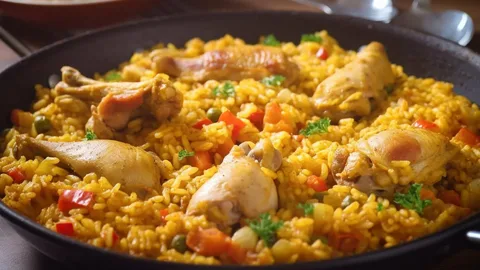
Best Arroz con Pollo Guide: Master the Classic Chicken and Rice
Best Arroz con Pollo Guide: The historical lineage of combining poultry with grains stretches back thousands of years, anchoring itself across multiple continents before evolving into the beloved classic we celebrate today. This culinary marriage can be traced back to the ancient migration of rice from Asia into the Mediterranean basin, a agricultural shift facilitated significantly by the expansion of Moorish civilization into the Iberian Peninsula during the eighth century. The Moors introduced sophisticated irrigation systems and a wealth of aromatic spices to Spain, laying the agricultural and gastronomic foundation for dishes that layered proteins directly into simmering grains. Over the centuries, these techniques coalesced in regions like Valencia, giving birth to early iterations of paella and setting the stage for one-pot rice cookery to become a defining characteristic of Spanish cuisine.
When Spanish explorers and settlers journeyed to the Americas in the late fifteenth and sixteenth centuries, they brought these entrenched cooking methods, along with chickens and European varieties of rice, across the Atlantic Ocean. In the fertile soils of the New World, these imported ingredients collided dynamically with indigenous agricultural treasures, including native sweet peppers, tomatoes, achiote, and a vast array of local herbs. This historic intersection of European, African, and indigenous American foodways transformed the basic framework into a localized masterpiece, adapting continuously to the distinct micro-climates and available resources of each region. Today, the dish stands as a profound testament to culinary syncretism, representing a shared heritage that unites millions of cooks across continents while preserving distinct localized identities.
Agricultural History: How Rice Shaped the New World
The introduction and subsequent proliferation of rice cultivation in the Americas fundamentally altered both the physical landscape and the socio-economic structures of the New World. As European powers established agrarian economies across the Caribbean and mainland Americas, rice quickly transitioned from an imported luxury for the colonial elite into a vital, high-yield staple crop capable of sustaining large populations. The labor-intensive nature of transforming swampy lowlands into productive rice paddies meant that the success of this agricultural endeavor was deeply intertwined with the horrific history of the transatlantic slave trade. Enslaved West Africans, who possessed specialized, generational expertise in tidal rice cultivation from regions such as the Upper Guinea Coast, played an indispensable role in establishing successful rice economies in the Americas, forever imprinting their techniques on the region’s foodways.
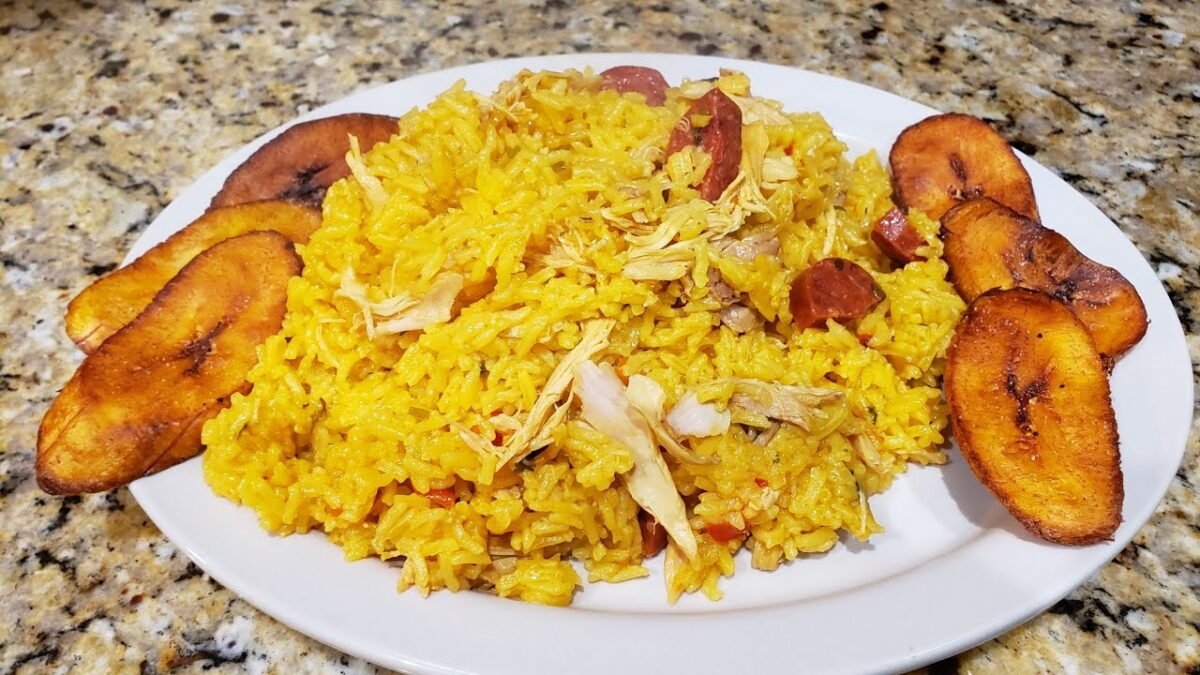
As rice became abundant and highly accessible, it formed a natural partnership with poultry, which was one of the most versatile and easily managed livestock options for rural households and small-scale farms. The ability of a single pot of seasoned rice to stretch a modest amount of chicken into a filling, nutrient-dense feast made it an immediate favorite among working-class families and agrarian communities. This economic efficiency, combined with the grain’s remarkable capacity to absorb complex flavors, ensured its rapid integration into the daily culinary fabric of the colonies. Over generations, what began as an exercise in resourcefulness evolved into a symbol of domestic comfort and community celebration, cementing its position as an irreplaceable cultural anchor across the Western Hemisphere.
The Science of Poultry: Choosing the Ultimate Cut
Achieving an exceptional outcome in one-pot rice cookery depends fundamentally on selecting the correct cut of chicken, as different parts of the bird react uniquely to sustained braising. While modern convenience often steers home cooks toward boneless, skinless breast meat, lean white meat is universally ill-suited for the extended simmering required to cook the surrounding grains to perfection. Chicken breasts contain minimal intramuscular fat and connective tissue, meaning they quickly dry out and become stringy when subjected to prolonged heat, offering very little flavor to the surrounding rice. To build a deeply savory foundation, an expert cook will always turn to bone-in, skin-on dark meat cuts, specifically chicken thighs and drumsticks.
Dark meat contains high concentrations of myoglobin and collagen, a structural protein that slowly breaks down into rich, unctuous gelatin during the braising process. This slow transformation not only keeps the chicken incredibly succulent and tender but also infuses the cooking liquid with a natural body that coats every single grain of rice. Furthermore, leaving the bones intact during cooking acts as an internal insulator for the meat while allowing marrow and minerals to seep into the broth, deepening the overall complexity of the platter. The rendering skin yields crucial fat that serves as the aromatic cooking medium for the entire dish, ensuring that the essence of the poultry saturates every layer of flavor from the very beginning.
The Chemistry of the Maillard Reaction in Braising
The initial phase of searing the poultry is not merely about aesthetics; it is a critical chemical step that dictates the ultimate flavor profile of the entire dish. When chicken skin makes contact with hot fat in a heavy skillet, it triggers the Maillard reaction, a complex chemical process where amino acids and reducing sugars undergo a structural transformation under high heat. This reaction creates hundreds of new flavor compounds, resulting in the deep, savory, and complex notes that we associate with perfectly roasted or fried meats. Skipping or rushing this searing phase robs the cook of an irreplaceable depth of flavor, leaving the finished dish tasting flat and boiled rather than richly braised.
As the chicken sears, it leaves behind a golden-brown residue on the bottom of the pot, known in classical culinary terms as the fond. This concentrated glaze of caramelized proteins and fats is absolute gold for one-pot cooking, acting as a flavor reservoir that will later be lifted and integrated back into the cooking liquid. When vegetables and aromatics are introduced into the pan, their natural moisture begins to loosen this stuck-on essence, a process accelerated when the pot is eventually deglazed with broth, wine, or beer. By understanding and deliberately managing this chemical interplay, you transform the pot from a simple cooking vessel into a dynamic flavor laboratory, ensuring a spectacular depth of character.
The Foundational Trio: Deconstructing the Latin Sofrito
At the absolute heart of virtually every memorable iteration of this chicken and rice dish lies a foundational aromatic paste known as sofrito, which dictates the regional personality of the preparation. This aromatic base is built upon a finely chopped or pureed mixture of onions, bell peppers, and garlic, cooked slowly in fat to coax out their natural sugars and aromatic oils. The magic of a proper sofrito lies not in rapid frying, but in a gentle, low-heat sweat that allows the sharp, pungent qualities of the raw vegetables to mellow into a sweet, harmonious, and deeply complex foundation. The fat acts as a solvent, absorbing the fat-soluble flavor compounds from the aromatics and distributing them evenly throughout the entire pot.
While the basic trio of onion, pepper, and garlic remains constant, regional preferences introduce fascinating variations that completely shift the flavor profile. In some traditions, the mixture is dominated by sweet ajicitos (small, sweet chili peppers) and culantro, an herb with an intense, earthy profile that surpasses standard cilantro in strength. Other regions lean heavily into tomato pastes, smoked paprikas, or finely minced ham to inject a savory, umami-rich undertone into the aromatic base. Regardless of the specific regional variation utilized, dedicating ample time to properly developing your sofrito is the single most important factor separating an ordinary home-cooked meal from a transcendent, restaurant-quality culinary experience.
Starch Mechanics: Selecting the Perfect Grain Architecture
The choice of rice variety is a paramount variable that determines the final mouthfeel and structural integrity of this classic comfort food, as different grains behave uniquely when simmered alongside proteins. Rice grains primarily consist of two types of starch: amylose and amylopectin, the ratio of which dictates whether the cooked grains will remain separate and fluffy or become sticky and clumped together. Long-grain varieties, such as standard white or jasmine rice, contain a higher percentage of amylose, which cooks up into distinct, firm, and elongated grains that resist clumping. Short and medium-grain varieties, conversely, are packed with amylopectin, which readily gelatinizes when heated, creating a creamier, stickier, and more cohesive texture that easily binds together.
For an authentic presentation, many Caribbean and South American cooks fiercely favor medium-grain rice because it strikes an ideal balance, absorbing massive amounts of flavorful broth while retaining a pleasant, slightly al dente chew. However, utilizing medium-grain varieties requires a precise hand with liquid ratios, as a slight excess can quickly push the dish into a gummy, overly dense state. If your goal is a dry, visually distinct presentation where every single grain stands proudly on its own, a high-quality long-grain white rice provides an excellent, forgiving canvas. Understanding these starch mechanics allows the cook to deliberately manipulate the texture, adapting the preparation to suit personal preferences or specific regional styles with absolute confidence.
The Saffron Controversy: Authentic Stigmas versus Achiote Alternates
The iconic, golden-yellow hue that defines traditional variations of this meal is the subject of historical divergence and passionate debate among culinary purists. Historically, Spanish colonists sought to replicate the vibrant yellow color of their native paellas by utilizing saffron, the precious, hand-harvested stigmas of the Crocus sativus flower. Saffron imparts not only a brilliant, unmistakable yellow-orange dye to the rice but also a highly sophisticated, elusive flavor profile characterized by metallic, floral, and earthy undertones. Because saffron was incredibly expensive and difficult to secure in the colonies, early cooks in the Americas were forced to seek out accessible, locally abundant alternatives to achieve that coveted golden appearance.
This search led to the widespread adoption of achiote, derived from the seeds of the native Bixa orellana shrub, which yields a stunningly vibrant yellow-red hue when steeped in warm oil. Achiote provides a completely different flavor profile than saffron, offering a mild, distinctly nutty, and pleasantly earthy aroma that blends seamlessly with native herbs and spices. In other regional adaptations, cooks turned to Bijol, a specialized powdered seasoning blend, or standard ground turmeric to achieve the traditional sunny disposition without the premium price tag of imported spices. This evolution highlights how a dish can retain its visual identity across thousands of miles while shifting its aromatic soul to embrace the unique terroir of the New World.
Aromatics and Spice Symphony: Layering the Flavor Profile
Beyond the foundational sofrito, building a truly dimensional flavor profile requires a thoughtful approach to layering dried spices and fresh herbs throughout the cooking process. Ground cumin is a ubiquitous player in many mainland variations, offering a warm, smoky, and slightly bitter bass note that cuts through the inherent richness of the chicken fat. Dried oregano, particularly the intensely aromatic dried Mexican or Dominican varieties, introduces a pungent, camphor-like brightness that contrasts beautifully with the heavy, savory elements of the pot. Bay leaves are another non-negotiable inclusion, slowly releasing their subtle, tea-like aroma into the simmering broth, which helps to unify the disparate spice elements into a cohesive whole.
To add complexity, many traditional styles incorporate a component known as alcaparrado, which is a finely chopped mixture of pimento-stuffed green olives, capers, and occasionally raisins. This addition injects sudden, brilliant pops of briny acidity and subtle sweetness directly into the warm, starchy matrix of the rice, keeping the palate energized with every subsequent bite. Fresh cilantro is typically reserved for the absolute end of the cooking process, incorporated just before serving so its volatile, citrusy oils are not destroyed by the prolonged heat of the simmer. By carefully orchestrating the introduction of these various elements, you create a complex flavor symphony where every ingredient has a specific, well-timed role to play.
The Liquid Catalyst: Broth Composition and Acid Balancers
The liquid utilized to simmer the rice is the primary vehicle for introducing flavor, acting as a catalyst that transforms simple starches into deeply infused culinary gems. While plain water can technically suffice in a pinch, an expert cook will always opt for a rich, low-sodium chicken stock or a gelatin-dense bone broth to maximize the savory potential of the dish. This liquid base can be enhanced by incorporating secondary elements, such as a splash of crisp white wine or a full-bodied pale lager, which introduces natural sugars, malty depths, and bright structural acidity. The alcohol evaporates completely during the simmer, leaving behind an enriched flavor matrix that plain broth simply cannot replicate.
Balancing this inherent richness requires a calculated touch of acidity, which prevents the heavy combination of starches and animal fats from overwhelming the palate. This is frequently achieved through the addition of freshly squeezed citrus juices, such as sour orange or lime juice, introduced either into the initial marinade or splashed over the finished platter just before serving. Tomatoes, whether introduced as fresh diced fruit or a concentrated paste within the sofrito, also contribute essential malty sweetness and bright malic acid to the pot. Managing this delicate balance between savory fats, rich starches, and bright acids is what distinguishes a balanced, professional-grade preparation from a heavy, monotonous home meal.
The Architectural Blueprint of Traditional Caldero Cooking
To execute an authentic one-pot rice masterpiece, the choice of cooking vessel is nearly as critical as the ingredients themselves, directly impacting heat distribution and steam management. In traditional Latin American kitchens, this vessel is the caldero, a heavy-bottomed, unlined aluminum or cast-iron pot featuring gently rounded sides and a tight-fitting, domed lid. The unique geometry and material composition of the caldero ensure that heat radiates evenly from the base up through the sides of the pot, minimizing the risk of localized hot spots that can scorch the bottom rice before the top layers have fully cooked. The heavy lid is essential for trapping steam, building an internal pressure chamber that cooks the rice grains uniformly.
If a traditional caldero is not available in your kitchen, a high-quality, enameled cast-iron Dutch oven serves as an exceptional modern surrogate, offering identical thermal retention and structural benefits. The thick walls of these heavy vessels hold onto heat with remarkable efficiency, allowing the cook to drop the burner to the lowest possible setting while maintaining a steady, gentle simmer within the pot. This precise thermal control is essential for preventing the liquid from evaporating too rapidly, ensuring that the starches have ample time to hydrate and expand perfectly. Investing in or selecting the proper heavy cookware is a foundational step that instantly elevates your mastery over one-pot culinary architecture.
Cuban Heritage Expressions: The Wet versus Dry Divide
Within Cuban culinary traditions, this iconic poultry and rice preparation diverges into two distinct structural styles, each boasting its own dedicated following and specific technical requirements. The first style is a dry, fluffy presentation known as arroz con pollo seco, where the goal is to have distinct, separated grains of rice that completely absorb the cooking liquid without sticking together. This style relies on precise liquid ratios and an uninterrupted steam phase to achieve a classic, elegant texture that mirrors traditional Spanish rice preparations. It is a dish celebrated for its clean presentation and its ability to showcase the pristine geometry of the medium or long-grain rice chosen for the pot.
The second, arguably more decadent variation is known as arroz con pollo a la chorrera, a wet, soupy preparation that boasts a rich, porridge-like consistency. In this style, a significantly higher ratio of liquid—often heavy on local Cuban beer—is introduced, and the pot is pulled from the heat while still visibly wet, allowing the residual warmth to create a luscious, saucy matrix. For those eager to sample this velvety, comforting style without spending hours in their own kitchen, searching for the best arroz con pollo cubano near me can guide you to authentic heritage restaurants that preserve this classic technique. This wet variation represents the ultimate in Cuban comfort food, capturing an intensely concentrated chicken flavor within a velvety, luxurious starch profile.
Mexican Interpretations: Earthy Chilies and Regional Adaptations
Shifting focus to the mainland, the culinary landscapes of Mexico present a beautifully distinct interpretation of this classic combination, leaning into deep tomato bases and warm spice profiles. An authentic arroz con pollo mexican preparation often begins with a vibrant caldillo, a pureed blend of fresh tomatoes, onions, garlic, and specific chicken broths that serves as the primary cooking liquid for the grains. Before any liquid is introduced, however, the dry rice is thoroughly toasted in oil until it achieves a beautiful golden color, a step that par-cooks the starches and infuses the grain with a distinct, nutty aroma. This intentional toasting technique ensures that despite the heavy tomato base, the cooked grains remain beautifully separate and structurally intact.
Furthermore, the spice profile of the Mexican variation frequently incorporates a subtle, warming heat through the addition of jalapeños, serranos, or smoky chipotle chilies slathered in adobo sauce. Visual accents like sweet corn kernels, diced carrots, and plump green peas are commonly layered into the pot, adding sweet contrasts to the savory depth of the seasoned poultry. In many contemporary adaptations, a blanket of melted queso fresco or Cotija cheese is scattered over the top just before serving, melting gently into the warm grains. This regional evolution showcases a magnificent focus on combining deep, fire-roasted tomato flavors with a lively, spirited heat that perfectly mirrors the broader identity of Mexican gastronomy.
Puerto Rican and Caribbean Innovations
In Puerto Rico, this dish is elevated to an art form, deeply woven into the fabric of weekend family gatherings, holiday feasts, and communal celebrations. The Boricua variation depends completely on a specialized green aromatic base called recaito, which features an abundance of culantro, sweet ají dulce peppers, onions, garlic, and cubanelle peppers whizzed into a vibrant paste. This green elixir is sautéed in a generous pooling of achiote oil, instantly transforming the pot into a highly aromatic, shimmering golden environment before the chicken or rice ever touches the surface. The aroma that fills the kitchen during this initial step is the unmistakable, universal sensory signature of a Puerto Rican home.
Another defining feature of the island’s approach is the frequent inclusion of gandules, known as pigeon peas, which add a nutty flavor and a beautiful structural contrast to the seasoned rice. Cooks will also carefully monitor the bottom of the pot to cultivate a prized layer of crispy, deliberately caramelized rice known affectionately as pegao. This crunchy, intensely savory crust is considered the ultimate chef’s prize, scraped from the bottom of the caldero with great reverence and distributed among honored guests. Through these unique touches, the Caribbean approach showcases a masterful understanding of contrast, balancing soft, herb-infused grains with a crunchy, intensely roasted finish.
Andean and South American Iterations: Green Pastes and Local Grains
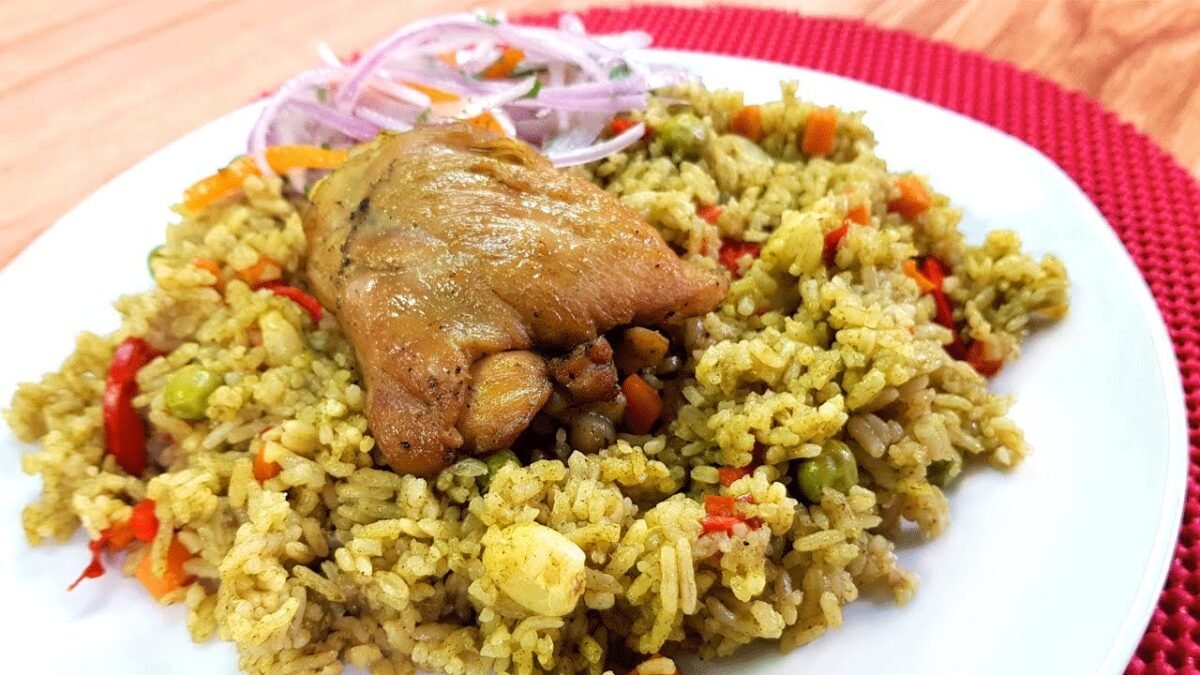
As we travel down into South America, particularly into the coastal and Andean regions of Peru, the chicken and rice narrative undergoes another radical and visually stunning transformation. The iconic Peruvian variation, known as arroz con pollo peruano, abandons the traditional yellow and red hues of the Caribbean in favor of a striking, deep emerald green presentation. This intense color and its accompanying flavor profile are achieved by incorporating a massive volume of fresh cilantro leaves, pureed with liquid and sautéed directly into the aromatic base of the pot. This intense herbal concentration delivers a remarkably bright, fresh, and slightly citrusy flavor profile that breathes unique life into the rich braised poultry.
To balance this intense herbal presence, Peruvian cooks incorporate the country’s beloved ají amarillo paste, a sun-drenched yellow chili pepper that offers a unique combination of moderate heat and fruity, berry-like undertones. The cooking liquid is often rounded out with a generous pour of chicha de jora, a traditional fermented corn beer, or a rich local dark ale, which adds a complex sour-sweet edge to the simmering grains. The finished platter is traditionally served alongside a crisp salsa criolla, a sharp salad of thinly sliced red onions, lime juice, and fresh chilies that cuts beautifully through the herbal density of the rice. This South American masterpiece highlights how a flexible culinary template can adapt to showcase the unique agricultural biodiversity of the Andean terroir.
The Micro-Nuances of Searing and Fond Extraction
To achieve absolute professional depth in your cooking, you must closely observe the physical transformations occurring within the pan during the critical opening stages of the recipe. When placing your seasoned, skin-on chicken pieces into the hot fat, it is absolutely paramount not to crowd the cooking surface, as overcrowding drops the pan’s temperature and causes the meat to steam in its own juices rather than sear. If necessary, work in deliberate batches, ensuring that each piece of poultry has ample space around it to allow evaporated moisture to escape instantly. Maintain a steady, medium-high heat, resisting the urge to move or flip the chicken prematurely before a deeply caramelized, resilient crust has naturally formed and released from the pan.
Once the chicken has achieved a magnificent golden-brown exterior, remove it from the pot temporarily, leaving behind the rendered liquid fat and that precious, deeply concentrated layer of stuck-on proteins known as the fond. Drop your burner down to a medium-low setting before introducing your finely minced sofrito directly into this seasoned cooking medium. As the vegetables cook, they release natural water molecules that gently dissolve this caramelized glaze from the bottom of the pot, allowing you to scrape it up easily with a wooden spoon and fold it directly into the aromatic paste. This intentional extraction technique ensures that not a single molecule of savory flavor is wasted, incorporating the caramelized essence of the poultry into the genetic makeup of the rice.
The Thermodynamic Secret to Flawless Steam and Resting
The absolute make-or-break moment in one-pot rice cookery occurs during the transition from a active simmer to the delicate, enclosed steaming phase. Once your seasoned broth has been added and brought to a rolling boil, the rice must be introduced and allowed to swim uncovered until the grains expand and absorb enough liquid that they become visible at the surface. At this exact thermodynamic crossroad, the burner must be dropped to its lowest possible setting, and a heavy, tight-fitting lid must be secured over the pot to seal in the remaining moisture. From this moment onward, you must adhere to a strict, non-negotiable rule: do not open, peek into, or disturb the lid under any circumstances for the next twenty minutes.
Opening the lid even for a brief second allows vital thermal energy and pressurized steam to escape instantly, causing the internal temperature to plummet and resulting in unevenly cooked, chalky, or hard rice grains. Once the twenty-minute steaming window has concluded, turn the burner off completely, but leave the lid securely in place for an additional ten minutes of undisturbed resting. This crucial resting window allows the trapped, high-energy steam to naturally cool and redistribute evenly throughout the entire pot, ensuring that the top layers of rice achieve the exact same moist, tender consistency as the bottom layers. Only after this rest should the lid be triumphantly removed, allowing you to gently fluff the grains with a fork to release excess vapor.
Troubleshooting Culinary Failures: Rescuing Textures and Tones
Even with meticulous planning, one-pot starch cookery can occasionally go awry due to variations in burner intensity, pot thickness, or inaccurate liquid measurements, requiring swift corrective action. If you remove the lid after the designated cooking window and discover that the rice grains are still uncomfortably hard or chalky in the center, do not panic and do not aggressively stir the pot. Instead, evenly drizzle a quarter-cup of boiling water or hot chicken broth over the surface of the rice, replace the heavy lid immediately, and restore the burner to a low setting for an additional seven to ten minutes. This focused reintroduction of targeted moisture and heat will easily salvage the hydration process without turning the surrounding grains into mush.
Conversely, if you find yourself facing the opposite disaster—where the rice has absorbed too much liquid and has become unpleasantly wet, gummy, or overcooked—you must alter your strategy immediately to encourage rapid evaporation. Leave the lid off entirely, drop the heat to a low setting, and allow the excess trapped moisture to escape into the air, resisting any temptation to stir the rice, which would break the fragile starch walls and create a paste. If the bottom of the pot begins to emit a distinct, acrid burning smell, pull the entire vessel away from the heat source immediately and plunge the base of the hot pot into a shallow basin of cold water to halt the cooking process. Transfer the un-scorched top layers into a clean serving dish, abandoning the burnt bottom completely while preserving the integrity of the remaining meal.
Nutritional Profiles and Contemporary Dietary Adaptations
From a nutritional standpoint, this traditional chicken and rice pairing offers a beautifully balanced, macronutrient-dense foundation that can easily be tailored to meet modern dietary goals. The dark meat chicken provides a rich source of high-quality, bioavailable protein essential for muscle preservation, alongside crucial micronutrients such as iron, zinc, and B vitamins. The rice serves as an easily digestible source of complex carbohydrates, providing sustained, reliable energy to fuel the body’s daily activities. When packed with a generous array of sofrito vegetables, peas, and tomatoes, the dish naturally incorporates essential dietary fibers, antioxidants, and vital vitamins into a single, cohesive presentation.
For contemporary kitchens managing specific health goals or dietary restrictions, this versatile template adapts with remarkable ease without sacrificing its comforting essence. Those pursuing low-carbohydrate or ketogenic lifestyles can substitute traditional grains with a robust cauliflower rice, adjusting the liquid ratios downward significantly since brassica vegetables release their own internal moisture when heated. To elevate the fiber content and lower the glycemic index, high-quality brown rice can be seamlessly introduced, though it requires a longer simmering window and an increased volume of broth to properly break down its tough outer bran layer. By making these thoughtful, calculated adjustments, this historic comfort food remains entirely relevant and accessible for health-conscious modern lifestyles.
The Curated Table: Orchestrating Side Dishes and Pairings
To elevate this comforting one-pot dinner into an unforgettable, well-rounded feast, you must thoughtfully select side dishes that offer striking contrasts in texture, temperature, and flavor. Sweet fried plantains, known as maduros, are a near-universal accompaniment across the Caribbean, providing a rich, caramelized sweetness that balances the deeply savory, salt-forward elements of the rice. For a crunchier alternative, twice-fried green plantains, or tostones, offer a salty, chip-like texture that pairs magnificently when rubbed with fresh garlic. A crisp, simple salad composed of thinly sliced iceberg lettuce, ripe avocado, and a sharp, red-wine vinaigrette introduces an invaluable cooling crunch that keeps the palate refreshed between heavy bites.
“A truly great one-pot meal is an exercise in restraint and harmony; the rice must never compete with the chicken, but rather become its ultimate storyteller, absorbing its very essence.”
When considering beverage pairings to accompany your meal, look for options that possess enough clean acidity or carbonation to cut through the rich chicken fat and seasoned starches. For wine enthusiasts, a crisp, dry white wine such as a Spanish Albariño or a cold Sauvignon Blanc offers delightful citrusy top notes that brighten the entire experience. If you prefer red wine, lean toward light-bodied, low-tannin options like a chilled Pinot Noir or a youthful Tempranillo, which complement the savory poultry without overwhelming its delicate spice matrix. For a casual gathering, a bone-dry, ice-cold lager beer provides an unmatched cleansing effervescence that resets the palate, cementing the convivial, relaxed atmosphere that this dish naturally inspires.
Technological Modernization: Pressure Cooking and Slow Cooking Dynamics
In our fast-paced modern culinary landscape, adaptive kitchen appliances such as electric pressure cookers and counter-top slow cookers offer appealing, time-saving alternatives to traditional stovetop methods. Utilizing an Instant Pot or pressure cooker allows you to compress what is traditionally an hour-long braising process into a lightning-fast, hands-off weekday meal. The intense, enclosed pressure environment forces moisture and seasonings deep into the center of the rice grains and chicken fibers with remarkable speed, delivering an intensely savory outcome in a fraction of the time. However, because evaporation is virtually non-existent inside a sealed pressure cooker, you must strictly reduce your overall liquid volume to prevent a soggy result.
Conversely, employing a slow cooker allows you to embrace a low-and-slow approach, mimicking the gentle, long-term braising that characterizes traditional rural cooking methods. This appliance excels at breaking down the tough collagen within chicken thighs over several hours, resulting in meat that effortlessly slips off the bone. The primary challenge when utilizing a slow cooker is the texture of the rice, which can easily become mushy if left in the damp environment for too long. To bypass this issue, many smart home cooks choose to stir the dry rice into the slow cooker during the final forty-five minutes of the cooking cycle, ensuring the grains cook perfectly without losing their structural integrity.
Preservation and Renewal: Best Practices for Storage and Leftovers
One of the most celebrated attributes of this magnificent chicken and rice preparation is its remarkable capacity to taste even better the following day, as the flavors continue to marry and concentrate in the refrigerator. To preserve this culinary treasure safely, the dish must be cooled to room temperature and transferred into shallow, airtight storage containers within two hours of cooking to prevent any potential bacterial growth. Stored correctly, the leftovers will keep beautifully in the refrigerator for up to four days, providing an incredibly convenient, delicious option for quick weekday lunches or stress-free dinners. If long-term preservation is required, the dish can be securely frozen for up to three months, though the rice may suffer a minor loss in firmness upon thawing.
When the time comes to reheat your leftovers, avoiding the microwave is highly recommended, as it tends to heat unevenly and aggressively dries out delicate starch grains. Instead, transfer the desired portion into a small saucepan or skillet, add a tablespoon or two of fresh chicken broth or water to replenish lost moisture, and cover it tightly with a lid over medium-low heat. This gentle steaming method effectively revives the fluffy texture of the rice and ensures the chicken remains moist and tender throughout. Alternatively, you can transform the cold, firm leftover rice into an entirely new culinary creation by pressing it into patties and pan-frying them in hot oil to create crispy, golden rice cakes featuring a warm, savory interior.
Strategic Culinary Synthesis: Executing the Definitive Blueprint
Bringing all of these disparate scientific, historical, and practical elements together into a single, flawless execution requires a disciplined adherence to the foundational rules of kitchen organization. Before striking a single match or turning on a burner, establish a pristine mise en place by chopping your vegetables, measuring your liquids, and portioning your spices into dedicated bowls. This upfront organization prevents you from rushing or burning crucial elements later on, allowing you to focus your full attention on managing the thermal transitions of the pot. Remember that patience during the initial sear and the final undisturbed steam phase is the absolute hallmark of an expert cook.
As you build confidence with the core mechanics of this recipe, look for opportunities to customize the preparation to celebrate your own culinary point of view or seasonal ingredient availability. Do not be afraid to experiment with differing acid balancers, unique local sausage inclusions, or unconventional herbal pastes to create a signature version that becomes a staple of your household. Cooking is ultimately a dynamic, evolving conversation between historical traditions and personal expression, and few dishes offer a more welcoming, forgiving canvas than this timeless pairing. By respecting the structural rules of starch hydration and protein braising, you ensure that every single pot you produce will be a resounding success.
Conclusion
In the final analysis, this timeless combination of chicken and rice represents far more than a simple, cost-effective method for filling bellies; it is a profound celebration of cultural adaptation, family history, and culinary science. From its ancient origins in the sun-drenched rice paddies of Iberia to its vibrant, multifaceted expressions across the modern Americas, the dish continues to bring people together around a single, steaming pot of pure comfort. By mastering the micro-nuances of fond development, sofrito slow-cooking, starch selections, and strict thermodynamic steam management, you elevate your home cooking from a daily chore into an act of genuine culinary artistry.
As you step into your kitchen to execute your next culinary creation, carry with you the rich historical context and structural principles outlined across this definitive guide. Whether you choose to follow a dry, precise path or indulge in a velvety, saucy interpretation, remember that consistency and high-quality core ingredients are your ultimate guides to success. Gather your loved ones, invest time in properly sweating your aromatics, protect the sanctity of the steam phase, and enjoy the beautiful process of crafting a masterpiece that has brought joy to dining tables for generations.
FAQs
Can I use brown rice to make arroz con pollo?
Yes, you can absolutely utilize brown rice to prepare this classic dish, though it requires several structural adjustments to achieve a successful texture. Because brown rice retains its outer bran and germ layers, it requires a significantly longer cooking time—typically forty to forty-five minutes—and roughly twenty-five percent more chicken broth to fully hydrate the starches. To prevent your chicken from overcooking during this extended simmering window, it is highly recommended to sear the poultry thoroughly, remove it from the pot, and return it to the rice matrix during the final twenty-five minutes of cooking.
What is the secret to getting a crispy bottom layer of rice?
The highly coveted, crispy bottom layer of rice is achieved through a deliberate application of controlled heat at the absolute end of the cooking process. Once the rice has fully steamed and absorbed all the liquid, increase the burner heat to medium-high for roughly three to five minutes without removing the lid. Listen closely to the pot; you will hear a distinct, rhythmic crackling sound indicating that the trapped fats are actively frying the bottom layer of rice against the hot metal. Pull the pot off the heat immediately if you detect any hint of an acrid, burning aroma, ensuring a perfectly golden, crunchy crust.
How do I prevent my chicken from becoming dry and stringy?
The most effective strategy for ensuring your chicken remains incredibly juicy and tender throughout the cooking process is to exclusively utilize bone-in, skin-on dark meat cuts like thighs and drumsticks. Dark meat contains significantly more structural collagen and intramuscular fat than lean chicken breasts, allowing it to withstand the sustained, moist heat of a prolonged braise without drying out. If you absolutely must use white breast meat for personal reasons, sear it quickly at the beginning, remove it from the pot completely while the rice simmers, and gently fold it back into the hot rice during the final five minutes of steaming to warm through safely.
What can I use as a substitute if I cannot find authentic achiote oil?
If authentic achiote oil is unavailable in your local markets, you can easily create an exceptional home substitute by gently heating a half-cup of neutral cooking oil alongside two tablespoons of whole annatto seeds for five minutes until the liquid turns a brilliant, shimmering orange-red. Alternatively, you can substitute the achiote oil with equal parts high-quality sweet Spanish paprika and a touch of ground turmeric dissolved in standard olive oil. This combination effectively replicates both the stunning, sunny visual hue and the mild, earthy flavor notes that define traditional Caribbean preparations.
Can I freeze leftover arroz con pollo for future quick dinners?
Yes, this versatile dish freezes remarkably well, making it an exceptional option for long-term meal prep and busy weeknight survival. Allow the completed dish to cool completely to room temperature, transfer it into heavy-duty, freezer-safe storage bags or airtight plastic containers, and store it in the freezer for up to three months. When you are ready to enjoy it, thaw the container completely in the refrigerator overnight, then transfer the mixture into a covered skillet with a splash of fresh broth over low heat to gently restore its original, fluffy texture.