


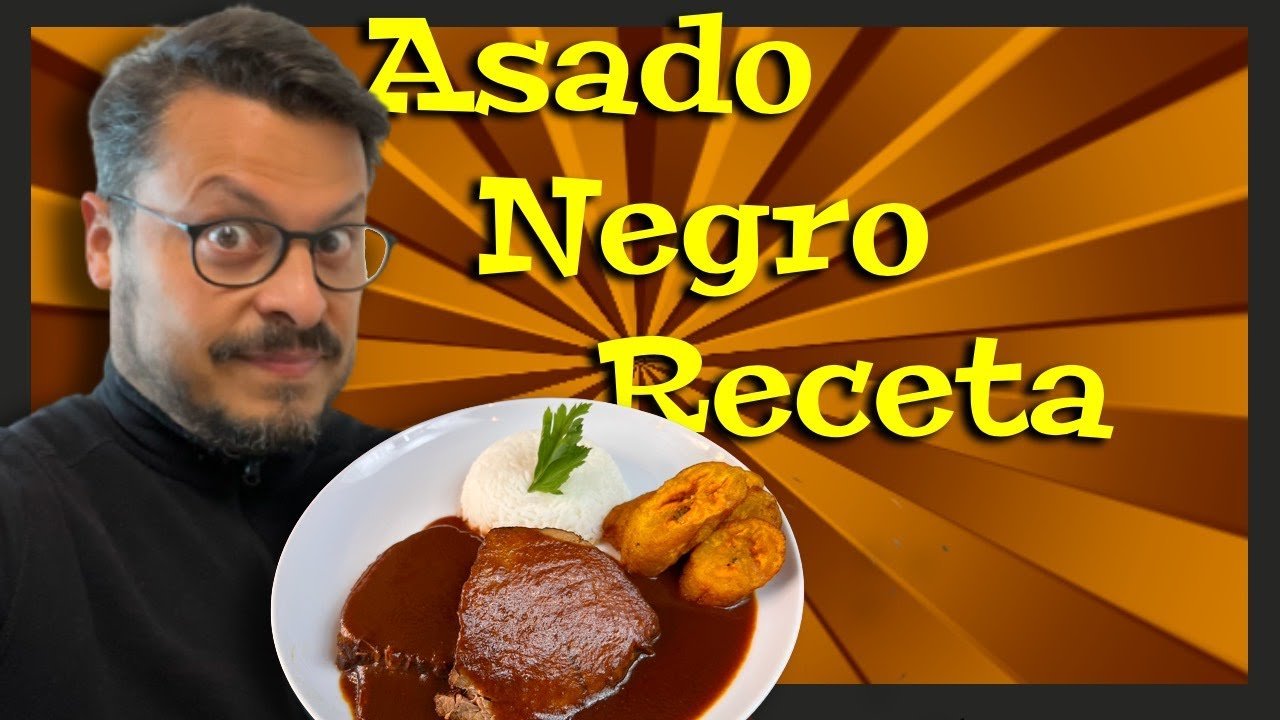
Best Asado Negro Near Me: Where to Find Authentic Venezuelan Braised Beef Right Now
Best Asado Negro Near Me: If you have ever searched for the best asado negro near me, you already know the anticipation. Dark, glossy, slow-braised beef perfumed with caramelized onions, brown sugar, and a deeply savory sauce — this is not just a dish. It is a centerpiece of Venezuelan family tables, a recipe passed through generations, and one of the most distinctive and underappreciated dishes in all of Latin American cooking. Finding a great version outside Venezuela requires knowing what to look for, where to look, and why not every plate that carries the name does justice to the original.
This guide is built to help you do exactly that. Whether you are a Venezuelan living abroad hunting for the taste of home, a curious food lover ready to try something genuinely different, or a traveler planning ahead, understanding what asado negro is and where the best versions appear will transform how you find and experience it.
What Is Asado Negro and Why Is It So Special
Asado negro is a Venezuelan braised beef dish, most closely associated with the country’s capital, Caracas, though versions appear across the country with regional twists. The name translates literally to “black roast,” a nod to the deep mahogany-to-near-black color the beef develops during cooking — a color that comes from caramelized panela or brown sugar, darkened onions, and a long, patient braise in its own deeply reduced juices.
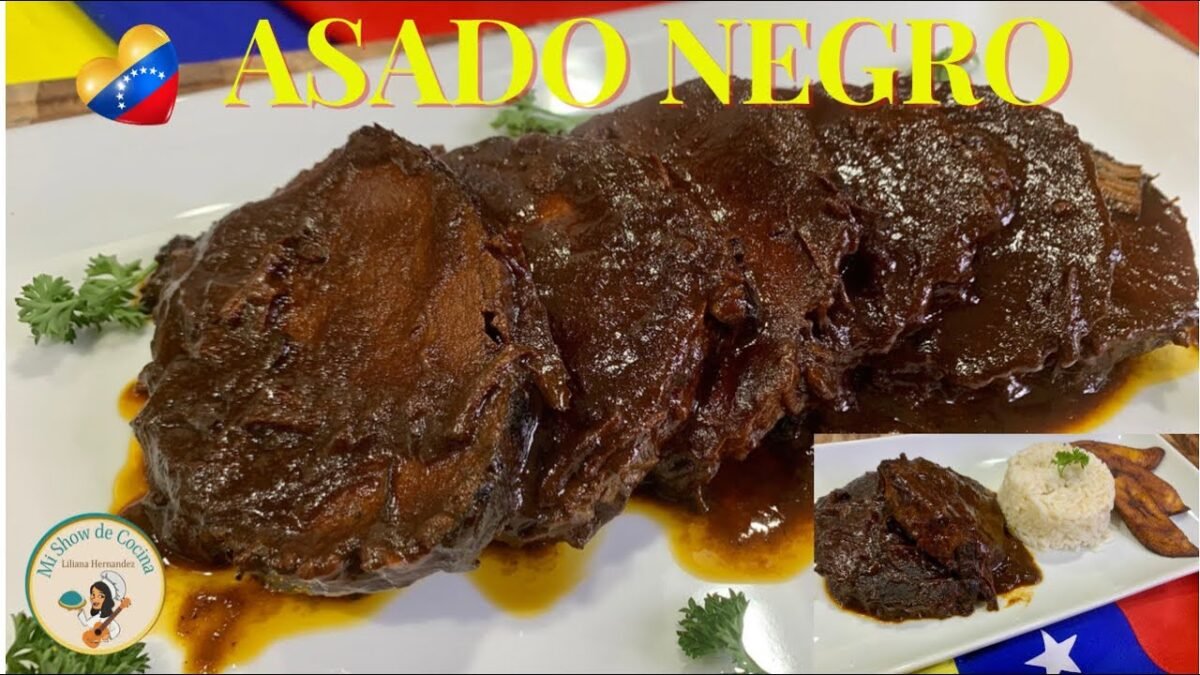
What makes it genuinely distinctive is the balance of flavors. Unlike many braised beef dishes that lean entirely on savory or umami notes, asado negro plays at the intersection of sweet, savory, and slightly bitter. The sugar caramelizes almost to the edge of burning before the beef goes in, creating a sauce that is rich without being cloying, and dark without being bitter. Served sliced, often with white rice, tajadas (sweet fried plantains), and caraotas negras (black beans), it is a complete sensory experience that explains why searching for the best asado negro near me tends to become a recurring habit once you have had a great version.
The History and Cultural Roots Behind Asado Negro
Asado negro belongs to a category of Venezuelan cooking often called cocina criolla — the creole kitchen — which blends Indigenous, Spanish, and African culinary traditions that converged on Venezuelan soil over several centuries. The use of panela, an unrefined whole cane sugar, reflects African and Indigenous influences on Venezuelan cooking, while the technique of slow braising tough cuts of beef shows clear Spanish heritage.
In Caracas specifically, asado negro became a dish of celebration. It appeared at Sunday family lunches, at Christmas tables, and at gatherings where the goal was to demonstrate care and skill in the kitchen. The preparation is not difficult in concept but demands patience — the meat must be marinated, the sugar must be properly caramelized, and the braise must run long enough for the collagen in the cut to break down fully into the sauce. This depth of preparation is part of what makes finding the best asado negro near me so satisfying when you succeed: the dish carries the weight of real culinary tradition.
Key Ingredients That Define an Authentic Version
The cut of beef matters enormously. Traditional asado negro uses muchacho redondo — a Venezuelan cut roughly equivalent to eye of round or similar lean round cuts — prized because it holds its shape during the long braise while absorbing the surrounding flavors. When restaurants outside Venezuela cannot source this specific cut, they often substitute beef eye of round, top round, or chuck roll, each of which produces slightly different textures but can still yield an excellent result in the right hands.
The sauce is where the dish lives or dies. Authentic versions use panela or papelón — that unrefined cane sugar — to build the caramelized base, along with onions, garlic, sweet peppers, and sometimes Worcestershire sauce, which was historically introduced to Venezuelan cooking through British trade connections and became part of the dish’s characteristic background flavor. Red wine or beef broth deepens the braise. When you are evaluating the best asado negro near me, tasting the sauce alone — rich, balanced, complex, never one-dimensional — tells you almost everything about whether the kitchen has understood the recipe.
How to Search Effectively for Asado Negro in Your City
The challenge with finding asado negro locally is that it does not appear on the menu of every Latin American restaurant. It is specifically Venezuelan, and even within Venezuelan restaurants, it may rotate seasonally or appear only on weekend menus when kitchens are willing to commit to the multi-hour cooking process. General searches for “Venezuelan food near me” or “cocina criolla” are a good starting point, but the most reliable method is searching directly for Venezuelan community social media groups in your city.
Venezuelan diaspora communities — which have grown significantly across the United States, Spain, Latin America, Colombia, Chile, Peru, and beyond over the past decade — maintain active social networks where home cooks and restaurant owners announce when asado negro is available. Facebook groups, Instagram accounts using hashtags like #asadonegro, #comidasvenezolanas, or #cocinacriolla, and local Venezuelan community forums often surface the most authentic and hardest-to-find versions. Some of the most memorable plates of the best asado negro near me that people describe were found not in a formal restaurant but through a pop-up, a home delivery service, or a community event.
What Separates a Great Asado Negro from a Mediocre One
The color test is the first and fastest check. A properly made asado negro should be genuinely dark — the sauce a deep, almost-opaque mahogany, the exterior of the beef showing caramelization. If the dish arrives looking pale, beige-sauced, or thinly glazed, the sugar was not properly caramelized and the layered depth of flavor will be missing. This is the single most common failure point in restaurant versions made by kitchens that know the name but not the technique.
Texture is equally telling. The beef should slice cleanly and hold its form — asado negro is not a shredded beef dish — while yielding easily to a fork. The interior should be tender all the way through without being dry, a balance that requires the right cut, sufficient collagen, and a braise that ran long enough at low enough heat. The sauce should coat the meat glossily and taste of concentrated beefy sweetness with genuine complexity. When all of these elements align, you understand why the quest for the best asado negro near me is one that serious food lovers return to again and again.
Cities With the Most Vibrant Venezuelan Food Scenes
Venezuelan immigration patterns over the past fifteen years have created strong culinary communities in specific cities. In the United States, Miami stands out as the city with the highest concentration of Venezuelan restaurants and home cooks, driven by a large diaspora population in Doral, Weston, and surrounding areas. New York City, Houston, and Orlando also have meaningful Venezuelan food presences, with restaurants ranging from casual areperas to more formal venues serving full cocina criolla menus including asado negro.
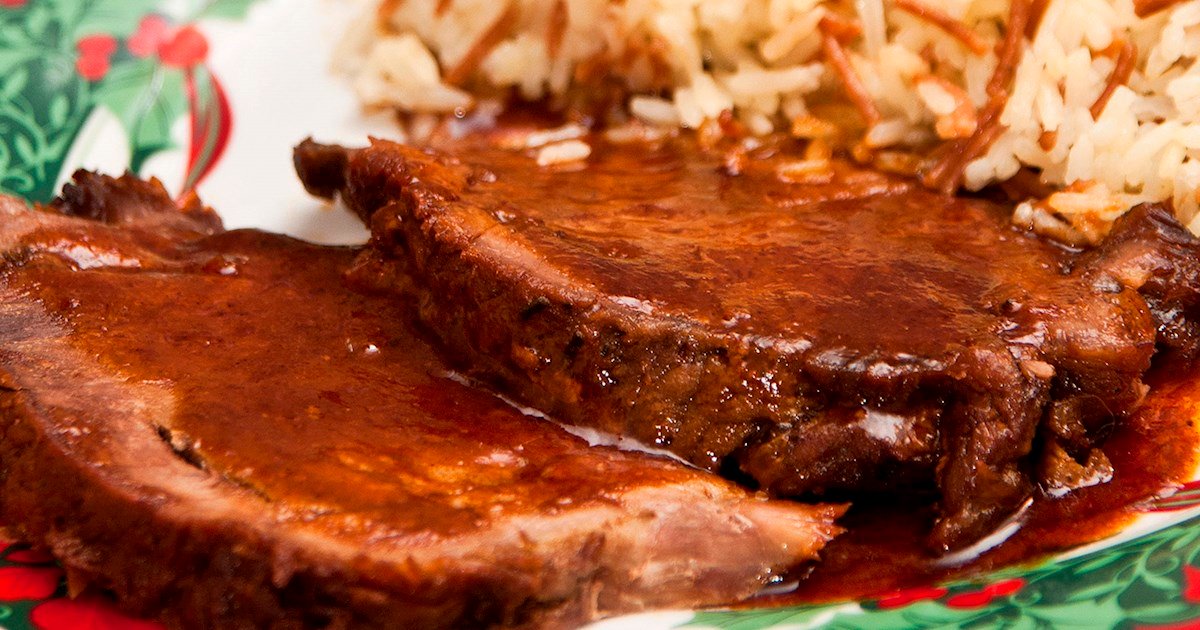
Outside the United States, Bogotá and Medellín in Colombia have seen an explosion of Venezuelan restaurants, making them unexpected hotspots for finding excellent asado negro given the proximity and the scale of Venezuelan migration there. Madrid and Barcelona in Spain, Lima in Peru, and Santiago in Chile all have established Venezuelan communities with restaurants that serve traditional dishes with the kind of care that comes from cooking for a community rather than just for general audiences. If you are traveling to any of these cities, adding the search for the best asado negro near me to your food itinerary is a well-invested decision.
A Comparison Guide: Venezuelan Restaurants vs. Home Cooks vs. Pop-Ups
Understanding who is most likely to serve you an exceptional asado negro helps set expectations and refine your search strategy.
–$–$$–$
| Source | Authenticity Level | Availability | Price Range | Best For |
|---|---|---|---|---|
| Established Venezuelan restaurant | High, consistent | Regular menu or weekends | Reliable experience, dine-in atmosphere | |
| Venezuelan home cook / catering | Very high, personal recipes | Pre-order, limited batches | –$ | Most authentic versions, family recipes |
| Venezuelan pop-up or food stall | High, event-driven | Irregular, event-based | $ –$$ | Discovery, community events |
| Latin fusion restaurant | Variable | Occasional special | Convenient but verify technique | |
| Meal kit / prepared food delivery | Moderate | On-demand in some cities | Accessible, varies by provider | |
| Venezuelan cultural associations | Very high | Holidays and festivals | $ (event entry) | Seasonal, deeply traditional versions |
The table above reflects a genuine insight: the best asado negro near me that food writers, Venezuelan expats, and culinary travelers consistently describe often comes not from the most prominent restaurant but from a home cook serving a recipe her grandmother refined over decades.
Pairing Asado Negro: The Side Dishes That Complete the Experience
Asado negro does not exist in isolation on the Venezuelan table. The traditional accompaniments are integral to the experience, and a restaurant that serves the dish correctly will offer the full supporting cast. White rice — arroz blanco — serves as the neutral canvas that absorbs the dark, glossy sauce and balances its sweetness. Tajadas, which are ripe plantains sliced diagonally and fried to a caramelized golden exterior with a soft interior, echo and amplify the sweet notes of the beef.
Caraotas negras — Venezuelan-style black beans, often cooked with papelón, onion, and sometimes a little cream stirred in at the end to create a luxuriously smooth consistency — complete the meal. The combination of beef, rice, beans, and plantain is so satisfying and so balanced that it has become a kind of national culinary shorthand for Venezuelan comfort food at its most complete. When you find the best asado negro near me, asking whether the kitchen also makes proper caraotas and tajadas tells you quickly whether you are dealing with a kitchen that understands the dish in its full cultural context.
How to Evaluate Venezuelan Restaurants Before You Visit
Online reviews for Venezuelan food require a calibrated reading. General food review platforms like Google Maps, Yelp, and TripAdvisor can surface Venezuelan restaurants in your area, but the reviews from non-Venezuelan diners — while genuine — may rate experiences by general Latin food expectations rather than by the specific standards of cocina criolla. A five-star review from someone who says “great Latin food, loved the empanadas” tells you less about the asado negro than a three-paragraph review from someone who mentions their grandmother’s version.
Seek out reviews written in Spanish, particularly from users whose profiles suggest Venezuelan or Colombian backgrounds — these reviewers are assessing authenticity on entirely different terms. Social media presence matters too: a Venezuelan restaurant that actively posts photos of its asado negro on Instagram, shows the cooking process, and receives comments in Spanish from what appear to be Venezuelan customers is a strong signal. The best asado negro near me experiences are often well-documented in the community, even if they have not been widely written up in English-language food media.
Making Asado Negro at Home When You Cannot Find It Nearby
If your city does not yet have a Venezuelan restaurant with asado negro on the menu — a real possibility in smaller markets — making it at home is entirely achievable and deeply rewarding. The technique requires three stages: marinating the beef overnight in onion, garlic, Worcestershire, and spices; caramelizing the panela or dark brown sugar in a Dutch oven to a deep amber before searing the beef; and then a long, covered braise of two to three hours in a low oven or on the stovetop.
The most common mistake home cooks make is pulling back from the sugar caramelization step — letting it get dark enough feels counterintuitive, but it is what creates the depth that defines the dish. A properly caramelized sugar base, just short of burning, is the non-negotiable foundation of any version that earns the name. Many Venezuelan cooks living abroad have created excellent recipe guides on YouTube and food blogs specifically because they are feeding their own longing for the best asado negro they remember, and those resources are some of the most precise and culturally accurate available.
Asado Negro at Venezuelan Cultural Events and Festivals
One of the most reliable ways to find exceptional asado negro is through Venezuelan cultural events, which take place in cities with significant Venezuelan populations around key dates. Venezuelan Independence Day on July 5th, the feast of La Virgen de Coromoto in September, and December holiday celebrations all generate food events where families and community organizations prepare traditional dishes with the full care that the occasion demands.
“When Venezuelans cook for a celebration, they are cooking for memory — the goal is not just flavor, it is the feeling of being at someone’s grandmother’s table in Caracas.” — A sentiment shared widely among Venezuelan food writers and chefs when describing the emotional stakes of traditional Venezuelan cooking.
These events are listed through Venezuelan consulate networks, Venezuelan cultural associations, and diaspora community social media groups. Attending one is genuinely one of the best strategies for finding the best asado negro near me that is made with the personal investment that restaurant production schedules rarely allow.
Health and Nutritional Context for Asado Negro
Asado negro, while a rich dish, uses cuts of beef that are leaner than many braised beef preparations. Eye of round and muchacho redondo are both relatively low-fat cuts, which means the richness of the dish comes primarily from the deeply reduced sauce rather than from marbled beef fat. A moderate portion served with the traditional sides provides a balance of protein, complex carbohydrates from the rice and beans, and natural sugars from the plantain.
The sugar component, while central to the sauce, is present in relatively small quantities per serving relative to the dish’s total volume — the caramelization process transforms it chemically, concentrating its flavor while a significant portion becomes part of the Maillard-reaction browning rather than remaining as simple sugar. For diners tracking nutritional intake, asado negro is not a dish to avoid — it is a well-rounded, protein-centered meal that happens to taste indulgent because of its extraordinary depth of flavor.
Conclusion
Asado negro is one of those dishes that earns devotion the moment you encounter a truly great version. Its complexity, its cultural weight, and its sheer deliciousness make it worth the effort of a serious search — and the search for the best asado negro near me is one that tends to lead to discoveries: new restaurants, new communities, home cooks with decades of practice, and cultural events that offer food as a form of living heritage.
Whether you find it at a Venezuelan restaurant in Miami, through a community cook’s weekend delivery service in Bogotá, at a diaspora cultural festival in Madrid, or at your own stove after a long marinade and an unhurried braise, what you are looking for is the same thing. You want the dark, glossy sauce. The tender, cleanly sliced beef. The sweet-savory-bitter balance that no other dish quite replicates. You want the rice, the beans, the plantain, and the sense that someone cooked this with real intention. When all of that comes together, the best asado negro near me stops being a search term and becomes an experience you will plan your next meal around.
FAQs
What is asado negro and where does it come from?
Asado negro is a traditional Venezuelan braised beef dish, most associated with Caracas and the cocina criolla tradition. It gets its name from the deep, near-black color developed during cooking through caramelized sugar and slow braising. If you are searching for the best asado negro near me, you are looking for Venezuelan restaurants or home cooks specializing in traditional Venezuelan cuisine.
What cut of beef is used in authentic asado negro?
Traditional asado negro uses muchacho redondo, a Venezuelan cut similar to eye of round. Outside Venezuela, restaurants making the best asado negro near me typically substitute beef eye of round, top round, or occasionally chuck roast, each of which can produce excellent results when properly braised in the caramelized sauce.
How long does it take to make asado negro properly?
A properly prepared asado negro requires overnight marination followed by two to three hours of low, covered braising after the initial caramelization and searing step. Restaurants that produce the best asado negro near me typically begin preparation well in advance, which is why some venues only offer it on weekends or as a pre-order item rather than a daily menu staple.
What should asado negro be served with?
The traditional accompaniments for asado negro are white rice (arroz blanco), sweet fried plantains (tajadas), and Venezuelan-style black beans (caraotas negras). A restaurant serving the best asado negro near me will offer these traditional sides as a complete plate rather than substituting generic Latin sides, since the dish is designed to be experienced as part of this specific combination.
Is asado negro only available in Venezuelan restaurants?
While asado negro is specifically a Venezuelan dish, it occasionally appears on menus at broader Latin American or Latin fusion restaurants, though quality varies significantly when kitchens are less familiar with the technique. The most reliable places to find the best asado negro near me are Venezuelan-specific restaurants, Venezuelan home cooks offering catering or delivery, and Venezuelan community events in cities with established diaspora populations.
How do I know if a restaurant’s asado negro is authentic?
The most reliable indicators are color (deep mahogany to near-black sauce), texture (beef that slices cleanly but yields tenderly), and sauce complexity (sweet, savory, and slightly bitter in balance). Reviews written in Spanish by Venezuelan community members are more reliable authenticity guides than general food reviews. Searching for the best asado negro near me through Venezuelan community social media groups also surfaces recommendations from people who are evaluating dishes against the standard of home cooking and cultural memory.