

Wordle Hint Today: Smart Clues, Daily Tips & the Strategies That Actually Work
Wordle Hint: Every day, millions of people open their phones or laptops, stare at a blank five-by-six grid, and feel a quiet surge of determination. Wordle, the deceptively simple word puzzle that took the internet by storm, has become a genuine daily ritual for a massive global community. But let’s be honest — some days the puzzle just resists you. You burn through four guesses, the letters refuse to cooperate, and suddenly you’re one wrong move away from breaking a streak you’ve been nursing for months.
That’s exactly where a well-timed wordle hint comes in. Not a full giveaway. Not a cheat. Just a nudge — the kind a clever friend might offer when they see you struggling. Whether you want a structural clue, a letter placement tip, or just confirmation that you’re on the right track, knowing where to find the right hint, and how to use it without ruining the fun, is a skill worth developing.
This guide covers everything: how wordle hints work, where the best daily clue sources live, how to decode hint formats, strategy frameworks for stronger guesses, and how to build long-term puzzle intuition. If you’ve ever searched “wordle hint today” with two guesses left and your heart in your throat, this is the article you’ve been looking for.
What Is a Wordle Hint and Why Does It Matter?
A wordle hint is any piece of information that helps narrow down the answer without directly revealing it. It could be something as simple as “the word contains a double letter” or as specific as “the third letter is a vowel.” The key distinction between a hint and a spoiler is intentionality — a good hint preserves your sense of discovery while giving you just enough to move forward.
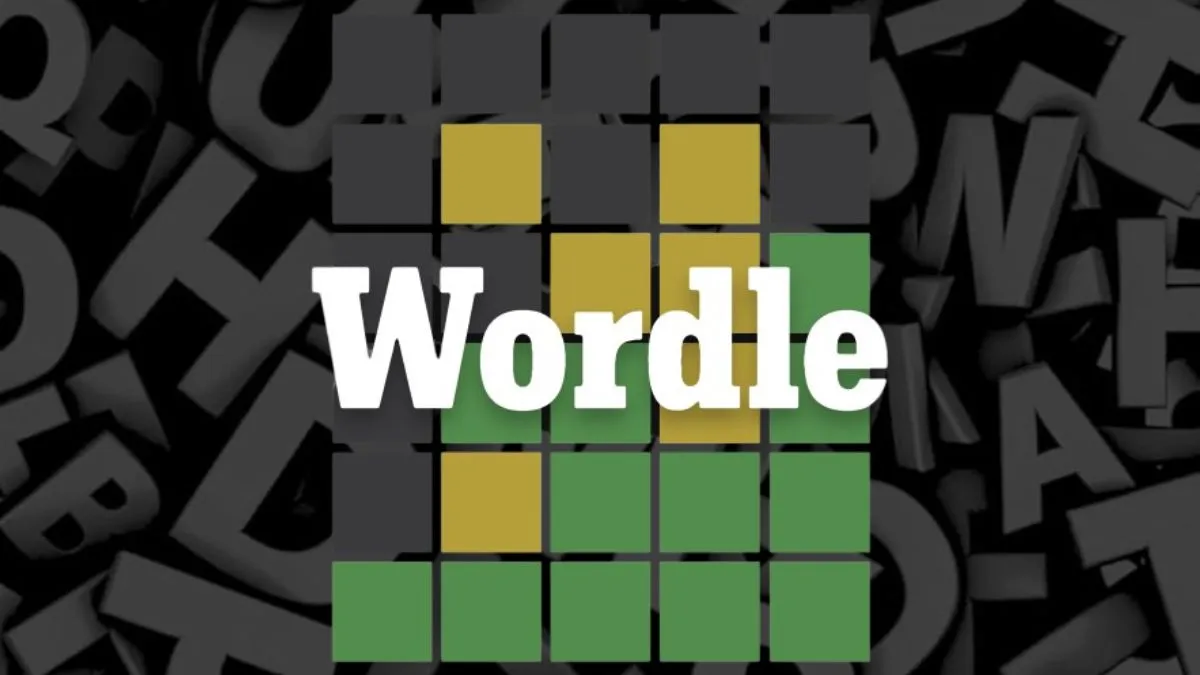
Hints matter because Wordle is, at its core, a logic game layered with vocabulary. The puzzle gives you colored feedback after every guess — green for correct position, yellow for right letter but wrong position, gray for letters not in the word — but there are moments when even that feedback leads you in circles. A targeted hint cuts through the ambiguity and helps you apply the logic you already have more effectively. It’s not about making the game easier; it’s about making your reasoning sharper.
The culture around Wordle hints has also become a social phenomenon in its own right. People share their results on social media, debate the fairness of certain answers, and actively seek out clue communities. The fact that millions search for “wordle hint today” every single morning speaks to how embedded the puzzle has become in daily life — and how much people care about solving it on their own terms, with just a little help.
Where to Find the Best Wordle Hint Today
The landscape of daily hint resources is surprisingly rich, and not all of them are created equal. The best sources offer structured clues that guide your thinking rather than simply hand you the answer. They understand the solver’s psychology — you want to feel the satisfaction of the final correct guess, even if you needed a push to get there.
Major gaming and culture outlets have built dedicated daily Wordle pages precisely because the demand is so consistent. Searching “wordle hint today” on any given morning will surface results from outlets like The New York Times Games section, Tom’s Guide, Polygon, Screen Rant, and — perhaps most famously — Mashable. Each of these has its own format, tone, and level of detail, so finding the one that matches your preference is worth a few minutes of exploration.
Wordle Hint Today Mashable: Why It Became the Gold Standard
Among all the publications that cover Wordle daily, Mashable’s approach has earned a particularly loyal following. Wordle hint today Mashable posts are structured to give you multiple layers of help in ascending order — starting with the vaguest possible clue and working toward more specific information only if you scroll further. This tiered format is intentional and beloved, because it lets you stop the moment you have enough to work with.
The Mashable format typically includes the starting letter, the number of vowels, whether any letters repeat, a thematic hint about the word’s meaning, and only then — buried below — the answer itself. What makes wordle hint today Mashable content so effective is that it’s written with genuine empathy for the solver. The writers understand that you’re not there because you want to cheat; you’re there because you’re stuck and you want to get unstuck with as little help as necessary. That respect for the player’s autonomy is what keeps people coming back every single day.
Understanding Today’s Wordle Hint Formats Across Sources
Not every wordle hint resource uses the same structure, and understanding the differences helps you pick the right tool for your situation. Some sources give you a single letter clue. Others tell you the word’s category — whether it’s a noun, verb, adjective, or something domain-specific like a cooking term or an animal. Still others provide rhyming clues or describe the word’s emotional connotation.
Today’s wordle hint from outlets like Tom’s Guide tends to be more direct, often listing the starting letter, a one-sentence meaning clue, and a confirmation of whether letters repeat. Polygon leans slightly more playful, sometimes offering cultural context or humor around the word. The New York Times Games page itself doesn’t offer hints per se, but its community forums and connected Spelling Bee hint pages have set a precedent for layered help. Knowing what format you’re walking into prevents you from accidentally seeing more than you want.
The Psychology Behind Seeking a Wordle Hint
There’s an interesting tension at the heart of hint-seeking behavior, and it’s worth unpacking. On one hand, Wordle is supposed to be challenging — the difficulty is the point. On the other hand, humans are social creatures who have always learned through collaboration. Asking for a hint isn’t a moral failure; it’s a continuation of how people have always engaged with puzzles, games, and riddles throughout history.
Research in cognitive psychology supports the idea that strategic help-seeking actually enhances learning rather than undermining it. When you use a wordle hint to get unstuck and then complete the puzzle yourself, your brain still processes the full logical pathway. You remember the word, you remember what tripped you up, and you’re less likely to make the same mistake tomorrow. The hint isn’t a shortcut around the learning — it’s a scaffold that lets the learning happen when you’re otherwise too frustrated to continue.
“The goal of any good puzzle isn’t to stump the player forever — it’s to stretch them just far enough that the solution feels earned. A hint is simply the game admitting that the stretch has gone too far.” — Anna Shechtman, crossword constructor and puzzle theorist
How to Use a Wordle Hint Without Ruining the Fun
The art of using a wordle hint well is knowing when to stop reading. Most experienced hint-seekers have developed a personal protocol: they look at the first clue, try a guess, look at the second clue only if needed, and so on. The worst outcome isn’t using a hint — it’s accidentally reading the full answer before you’ve had a real chance to use the clue productively.
A few practices make hint-seeking more satisfying. First, always exhaust your current information before looking. If you have two yellow letters and one green, spend a full minute mapping out what you actually know before reaching for outside help. Second, choose your source in advance and stick to it — switching between multiple hint pages mid-puzzle increases your chances of a spoiler encounter. Third, treat the hint as a question prompt rather than an answer: if the clue says “this word relates to water,” use that to brainstorm possibilities rather than skipping straight to the answer section.
Strategic Frameworks for Solving Wordle With Fewer Hints
The best way to need fewer hints is to develop a stronger opening strategy. Wordle’s optimal starting words have been extensively analyzed by mathematicians, linguists, and obsessive players alike. The consensus points toward words that cover the most common letters in English five-letter words: words like CRANE, SLATE, ADIEU, RAISE, and STARE consistently appear in optimal-opening analyses because they test high-frequency letters across varied positions.
Beyond your opening word, the second and third guesses should function as elimination tools rather than solution attempts. Many players waste guesses trying to confirm a specific answer too early. A better approach: use your second guess to rule out or confirm several new letters, even if that means ignoring the letters you’ve already found. This “sacrifice guess” strategy sounds counterintuitive but dramatically reduces the number of rounds where you end up needing a wordle hint at all.
The Role of Vowels and Common Patterns in Narrowing Down Answers
English five-letter words follow identifiable patterns, and learning the most common ones gives you a structural advantage that reduces your reliance on a wordle hint. The vowel distribution is the first thing to map: most five-letter words contain two or three vowels, and the most common vowels in Wordle answers are E, A, and O. If your first two guesses haven’t placed a vowel, something has gone wrong in your strategy.
Beyond vowels, certain consonant clusters appear repeatedly in Wordle answers. Endings like -TION, -IGHT, -OUND, -ATCH, and -ANCE are common in English but generally too long for a five-letter word — which means Wordle answers tend to cluster around simpler but trickier patterns like -ARCH, -ITCH, -OVEN, and -UNGE. Familiarizing yourself with these patterns doesn’t just help you guess faster; it helps you interpret hints more effectively. When a hint says “this word ends with a common suffix,” you’ll have a mental shortlist ready.
How the New York Times Has Changed Wordle’s Hint Ecosystem
When the New York Times acquired Wordle in early 2022, the puzzle’s hint ecosystem changed significantly. The NYT brought Wordle under its Games umbrella, which already included the crossword, Spelling Bee, and Connections. With a larger platform and a more protective approach to intellectual property, the NYT made subtle but meaningful changes to how answers were managed — retiring some words that appeared too obscure or potentially offensive, and introducing a more curated answer list.
These changes rippled through the hint community. Outlets that had been publishing daily hint posts needed to adjust their workflows to stay ahead of the answer cycle. The NYT’s own hint infrastructure, while minimal compared to third-party sites, began influencing how people thought about “official” versus “community” guidance. Today, searching for a wordle hint still routes you primarily to independent publishers — but the NYT’s ownership has given the puzzle a more consistent identity that makes daily answers feel more intentional and therefore more worth solving.
Daily Wordle Hint Communities and Social Media Culture
Reddit, Twitter/X, and various Discord servers have developed rich cultures around daily Wordle discussion, and these communities function as their own informal wordle hint ecosystems. The r/wordle subreddit, for instance, is active every day with spoiler-tagged threads where players share their results, ask for nudges, and commiserate over particularly brutal answers. The community has its own etiquette: spoilers must be hidden, hints should be given in stages, and mockery for needing help is firmly discouraged.
Twitter/X has historically been the place where Wordle results go viral — the emoji grid format that players share became an iconic social media artifact in 2022 and still circulates widely. The real-time nature of Twitter means that hints circulate organically throughout the morning as early solvers finish and start dropping cryptic comments. This creates an interesting ambient hint environment: if you see several people tweeting about something “tricky with double letters,” that’s a hint you didn’t even ask for. The social layer of Wordle is inseparable from how modern players experience the game.
Wordle Hint vs. Wordle Answer: Knowing the Line
The distinction between a wordle hint and the outright answer matters more than it might seem, both for your enjoyment and for the integrity of shared results. When you post your six-square emoji grid at the end of the day, there’s an implicit social contract at work: you solved this, with your own brain, within the day’s one attempt. A hint, even a generous one, still leaves the final answer in your hands. The answer itself removes that final step entirely.
Most dedicated hint pages are careful about this distinction and structure their content so the answer is never visible unless you actively scroll past multiple warnings. This design philosophy reflects a genuine understanding of their audience. People who search for today’s wordle hint are almost never looking to cheat outright — they’re looking for just enough help to keep playing. Publishers who blur that line by front-loading the answer tend to get worse reputations in the Wordle community, and worse search rankings over time, because engagement drops when users feel their experience was spoiled rather than supported.
Wordle Hint for Different Skill Levels
Not everyone approaches Wordle with the same vocabulary range or puzzle-solving experience, and a good wordle hint strategy looks different depending on where you are in your journey. For beginners, even the most basic structural hints — “this word has two vowels” or “there’s a repeated letter” — can be enormously clarifying, because new players are still building their mental model of what five-letter English words look like. At this stage, the best hint is often the one that teaches a general principle rather than solving today’s puzzle specifically.
Intermediate players who’ve been playing for several months typically get stuck on unusual words or tricky double-letter situations. For them, a thematic or semantic hint is usually enough — knowing that the word relates to cooking, emotions, or geography narrows the field dramatically without giving anything away. Advanced players, those with hundreds of puzzles under their belt, often need only a single letter confirmation or a rhyme to crack a stubborn puzzle. The hint ecosystem serves all these levels, which is part of why it has remained so popular and so culturally durable.
Comparison Table: Top Wordle Hint Sources
| Source | Hint Format | Spoiler Risk | Detail Level | Best For |
|---|---|---|---|---|
| Mashable | Tiered (letter → clue → answer) | Low (scroll required) | High | Daily players who want control |
| Tom’s Guide | Starting letter + meaning + repeat-letter flag | Low | Medium | Quick check before guessing |
| Polygon | Playful + cultural context | Medium | Medium | Players who enjoy editorial voice |
| Screen Rant | Direct clues + full answer below fold | Low-Medium | High | Players who want maximum info |
| Reddit r/wordle | Community-sourced, spoiler-tagged | Low (with spoiler tag) | Variable | Social solvers, late-day players |
| NYT Games Forum | Minimal official hints, community discussion | Medium | Low-Medium | Purists who want community feel |
| Twitter/X | Ambient, organic, unsolicited | High | Variable | Risk-tolerant social players |
How to Interpret Wordle’s Color Feedback as Its Own Hint System
Before you ever reach for an external wordle hint, it’s worth spending more time with the feedback the game itself is giving you. The color system — green, yellow, gray — is more information-dense than it first appears, especially when read across multiple guesses. A yellow letter tells you two things simultaneously: the letter exists in the answer, and it doesn’t go in the position you tried. A gray letter (usually) tells you the letter doesn’t appear at all. Green locks in a confirmed letter and position.
The “usually” in the gray letter rule is important. In standard Wordle, if a word contains one instance of the letter E and you guess two E’s, one will go gray even though the letter does exist in the answer. This is one of the most common sources of mid-game confusion and one of the most common reasons people reach for a wordle hint unnecessarily. Understanding the nuance of the color system — especially how it handles duplicate letters — gives you more mileage from each guess and reduces your daily reliance on external help.
Seasonal and Thematic Patterns in Wordle Answers
The New York Times curates the Wordle answer list with an eye toward variety, cultural currency, and accessibility, which means there are soft seasonal and thematic patterns that attentive players have noticed over time. Answers that relate to holidays tend to appear around those holidays. Words connected to major cultural moments sometimes surface near relevant dates. While the NYT has never officially confirmed editorial intent behind specific answers, the Wordle hint community has compiled enough historical data to make reasonable inferences.
This pattern recognition can be a powerful unofficial wordle hint in itself. If it’s mid-November and you’re stuck, your mental vocabulary search should probably weight harvest, autumn, and seasonal concepts slightly higher than average. If there’s been a major weather event in the news, nature-adjacent words deserve a closer look. This isn’t a reliable shortcut — the answer list was compiled in advance and isn’t responsive to real-time events — but it’s one more layer of soft information that experienced solvers keep in the back of their minds as they work through difficult puzzles.
Building a Personal Wordle Hint Journal
One underrated strategy for improving at Wordle over time is keeping a personal puzzle journal. This doesn’t need to be elaborate — a simple note in your phone where you record each day’s answer, what stumped you, and what kind of wordle hint (if any) you needed is enough to generate meaningful data over a few months. Patterns emerge quickly: maybe you consistently struggle with words that start with W, or you always forget that CH- openings are valid, or double-letter words reliably trip you up.
Once you identify your personal blind spots, you can build targeted practice. There are unofficial Wordle-style practice tools online — Wordle Unlimited and similar fan projects — where you can generate endless puzzles to drill specific patterns. Your journal tells you what to drill. This systematic approach transforms hint-seeking from a passive rescue operation into an active learning loop, and most players who commit to it report needing significantly fewer hints within six to eight weeks.
The Ethics and Etiquette of Sharing Wordle Hints
Within the Wordle community, there’s a gentle but real set of norms around hint-sharing that it’s worth understanding before you start broadcasting clues to friends. The most fundamental rule: never share the answer without a spoiler warning, and never share any meaningful hint before someone has indicated they want one. Unsolicited hints — even well-meaning ones — can derail someone’s day in a way that feels surprisingly personal, given how much emotional investment players put into their streaks.
Sharing a wordle hint within a group chat or social media post works best when it follows the tiered approach: offer to help first, then provide clues in ascending specificity only as requested. This mirrors the best practices of dedicated hint pages and ensures that your help enhances rather than undermines the experience. The golden rule of the Wordle community is simple: treat other players’ puzzles with the same care you’d want them to treat yours.
Wordle Variants and How Their Hint Needs Differ
The success of the original Wordle has spawned a substantial ecosystem of variants, each with its own hint culture and solving strategy. Quordle asks you to solve four words simultaneously with nine guesses. Octordle scales this to eight words. Dordle splits the difference with two. Worldle replaces words with geography, asking you to identify countries from their silhouettes. Heardle challenges you to identify songs from short audio snippets.
Each of these variants requires a fundamentally different approach to hint-seeking. For Quordle and Octordle, a wordle hint community that understands multi-board strategy is essential — the constraint math changes completely when you’re managing multiple answer targets at once. For Worldle, geographic hint resources are more useful than vocabulary tools. The broader lesson here is that “hint” isn’t a monolithic concept: effective hints are always game-specific, tailored to the exact nature of the puzzle you’re trying to solve. The skills you build seeking hints for one variant often transfer productively to the others.
When Today’s Wordle Hint Involves Uncommon Words
One of the more common complaints about Wordle — especially post-NYT acquisition — is the occasional appearance of words that feel too obscure for a mainstream daily puzzle. Words like VIVID, KNOLL, LYMPH, or CYNIC have caused widespread frustration because they sit outside many players’ active vocabulary, even if those players would recognize the words in context. These are the days when today’s wordle hint searches spike dramatically.
When the answer turns out to be an uncommon word, the best hint sources shine brightest. A good hint for an unusual word doesn’t just give you letters — it gives you enough semantic context to make the word feel learnable rather than arbitrary. “This word describes a type of landscape feature” for KNOLL, or “this adjective describes consistency of purpose” for STOIC, transforms an obscure answer into a vocabulary moment. The best Wordle hint content treats every unusual answer as a teaching opportunity, which is part of why high-quality hint pages build reader loyalty far more effectively than pages that just list answers.
Mobile vs. Desktop: How Platform Affects Your Hint-Seeking Behavior
The way people search for and consume Wordle hints differs significantly depending on whether they’re playing on mobile or desktop, and content creators in this space have adapted accordingly. Mobile players, who represent the majority of the Wordle audience, are typically consuming hints on the same device they’re playing on — which creates a higher spoiler risk if hint pages aren’t carefully formatted. The best mobile-optimized hint pages use aggressive above-the-fold design to show only the vaguest clue without scrolling, with the answer buried deep below multiple warning labels.
Desktop players have the advantage of easier window management — they can keep the Wordle grid in one browser window and a hint page in another, switching between them without the risk of accidentally seeing more than they want. This behavioral difference is why many Wordle hint content producers now publish separate sections optimized for “quick hint” (suitable for mobile) and “full breakdown” (suitable for desktop research). If you’re primarily a mobile solver who has stumbled into spoilers before, prioritizing sources that are known for clean mobile formatting — Mashable being the most frequently cited example — is genuinely worth the preference.
How Wordle Hint SEO Has Shaped the Daily Content Landscape
The daily cadence of Wordle hint publishing has created an interesting content marketing phenomenon. Because every puzzle resets at midnight and players search for hints throughout the morning, publishers who produce wordle hint content are essentially running a daily SEO sprint — they need to get their article indexed and ranking before the morning search surge hits. This has led to sophisticated publishing workflows, with some outlets pre-publishing structured hint templates that get updated with each day’s specific clues automatically.
The competitive pressure is significant. Ranking for “wordle hint today” on any given morning is worth substantial traffic — we’re talking about millions of daily searches globally. This has pushed quality up in some respects (publishers invest in better hint formats to retain readers) and down in others (some low-quality sites simply publish the answer immediately to capture clicks, then bury it in low-quality content). As a reader, understanding this dynamic helps you evaluate hint sources more critically and identify the publishers who are genuinely investing in your experience versus those who are just chasing clicks.
Building Long-Term Wordle Intuition Beyond Daily Hints
The ultimate goal for any serious Wordle player is to reduce their dependence on external hints by building genuine puzzle intuition. This intuition is a combination of vocabulary breadth, pattern recognition, logical elimination skill, and game-specific heuristics that develop over hundreds of puzzles. It’s not about memorizing words — it’s about developing a feel for the probability space of five-letter English words and how Wordle’s curated answer list fits within it.
The players who report the strongest long-term improvement are those who treat every wordle hint they use as a data point rather than a crutch. They ask: why did I need a hint here? What letter pattern or word category did I fail to consider? What guess would have eliminated this confusion two moves earlier? This reflective practice, even if it only takes thirty seconds after each puzzle, compounds remarkably quickly. Within a few months, the categories of puzzles that once sent you searching for a wordle hint become manageable, then comfortable, then satisfying to solve independently.
The Future of Wordle Hints: AI, Personalization, and What’s Next
The wordle hint landscape is beginning to feel the influence of AI tools in interesting ways. Some players have experimented with using large language models as hint sources — asking for clues rather than answers, or requesting word lists that match a specific pattern. This creates a highly personalized hint experience that can be calibrated precisely to your level of stuck-ness. Want a hint that only narrows the answer down to fifty possible words? An AI tool can do that. Want a semantic clue only? That’s possible too.
At the same time, the human editorial curation that makes sources like Mashable compelling is difficult to replicate algorithmically. The voice, the empathy, and the community-specific cultural awareness that good Wordle hint writers bring to their daily posts are genuinely valuable and not easily automated. The likely future involves a hybrid model: AI-powered personalization tools for players who want precise calibration, alongside editorially curated daily posts for players who want a consistent, trusted voice guiding them through the puzzle. Both serve the same fundamental need — a well-timed wordle hint — in different but complementary ways.
Why Streaks Matter and How Hints Protect Them
For many Wordle players, the streak counter — the number of consecutive days you’ve successfully solved the puzzle — is the most emotionally charged element of the entire experience. Streaks become sources of genuine pride, social currency, and personal ritual. Breaking a streak, especially a long one, can feel disproportionately devastating in a way that’s hard to explain to people who don’t play but completely understandable to those who do.
This emotional investment in streaks is one of the most honest explanations for why hint-seeking is so widespread and so normalized. Using a wordle hint to extend a meaningful streak isn’t cheating in any morally significant sense — it’s prioritizing the continuity of a personal achievement over a purity rule that no one else is enforcing. The New York Times itself has never suggested that hint use invalidates your results. Your six-guess win after consulting a hint counts exactly as much as your two-guess win without one. The streak is real either way, and protecting it with a timely clue is a completely reasonable choice.
Making Peace With Hard Wordle Days
Even with the best strategy, the right starting word, and a clear understanding of the color feedback system, some Wordle answers are just hard. They use unusual letter combinations, sit at the edge of common vocabulary, or require a specific cultural knowledge that not every player shares. These are the days when even experienced players are reaching for a wordle hint by guess four, and there’s absolutely no shame in that.
The broader perspective worth holding is that Wordle, at its best, is a daily practice of engaged thinking rather than a competitive test. The puzzle is there to give you five minutes of focused mental engagement, a small daily win (or learning experience), and a shared cultural touchstone with a global community. A wordle hint, used thoughtfully, keeps that practice alive on the hard days. It ensures you finish the puzzle, learn the word, share the result, and come back tomorrow ready to try again — which is exactly what the game was designed to encourage from the very beginning.
Conclusion
Wordle has earned its place as one of the most durable and beloved word games of the modern internet era, and the culture around the wordle hint is as much a part of that story as the puzzle itself. From the tiered, reader-respecting format pioneered by outlets like Mashable to the community discussions on Reddit, from personal hint journals to AI-powered clue calibration, the hint ecosystem reflects how seriously and how joyfully millions of people engage with five little squares every single day.
Using a wordle hint well — knowing when to look, how much to read, and how to learn from what you find — is a genuine skill. It enhances rather than undermines the experience, builds vocabulary and pattern recognition over time, and keeps the daily practice sustainable even through rough patches. Today’s wordle hint isn’t a shortcut away from the game; it’s a doorway back into it.
Whether you’re a streak-protecting veteran, a casual player who tries the puzzle with morning coffee, or someone who just started last week, the goal is the same: solve the puzzle, enjoy the process, and come back tomorrow. The hints are here to help you do exactly that.
FAQs
What exactly is a wordle hint and how is it different from the answer?
A wordle hint is a clue that narrows down the possible answers without revealing the word itself. It might tell you the starting letter, the number of vowels, whether letters repeat, or the word’s general meaning or category. The answer, by contrast, tells you the exact word. A hint preserves the challenge and satisfaction of the final solve, while an answer bypasses it entirely. Most dedicated hint pages are carefully designed so you only see the answer if you actively scroll past multiple warnings.
Where can I find the best wordle hint today?
The most consistently praised source for a wordle hint today is Mashable, which uses a tiered format that lets you access only as much information as you need. Other reliable options include Tom’s Guide, Polygon, and Screen Rant. All of these publish daily content and structure their pages so the answer is never accidentally visible. Searching “wordle hint today” in any major search engine will surface the most current options ranked by quality and freshness.
Is using a wordle hint considered cheating?
By any reasonable definition, no. Wordle is a single-player puzzle with no competitive scoring or official rules against seeking help. The New York Times, which owns and publishes Wordle, has never stated that hint use invalidates results. Using a wordle hint to get unstuck and then completing the puzzle yourself is functionally similar to asking a knowledgeable friend for a nudge — it keeps the game engaging and educational rather than frustrating. Your streak remains intact, your result is genuinely yours, and your vocabulary grows in the process.
Why does wordle hint today Mashable get so much praise compared to other sources?
The wordle hint today Mashable format earns its reputation through careful design and genuine empathy for the solver. Mashable’s structure ensures you can access clues in ascending order of specificity — vague thematic hints first, then letter clues, then the answer only at the very bottom behind clear warnings. This tiered approach respects the player’s desire to solve as much as possible independently while still providing meaningful help. The writing is also consistently warm and non-condescending, which matters to a community that’s sometimes sensitive about needing help.
What makes today’s wordle hint different from previous days?
Today’s wordle hint is specific to the current day’s puzzle — Wordle resets at midnight in your local time zone, and each day features a single new five-letter word for all players worldwide. Hints published for previous days are irrelevant to the current puzzle. When searching for today’s wordle hint, always check that the page you’re reading was published on the current date, since some sites leave old hint pages indexed without clear date labels, which can cause significant confusion.
Can I improve at Wordle so I need fewer hints over time?
Absolutely, and most regular players do see meaningful improvement over the first few months of daily play. Developing a strong opening word strategy — using words like CRANE, SLATE, or RAISE that cover high-frequency letters — reduces the number of guess-two situations where a wordle hint feels necessary. Keeping a brief journal of difficult answers and the patterns that tripped you up accelerates this learning further. Most players who combine deliberate starting-word strategy with reflective practice after each puzzle report needing external hints significantly less often within two to three months.